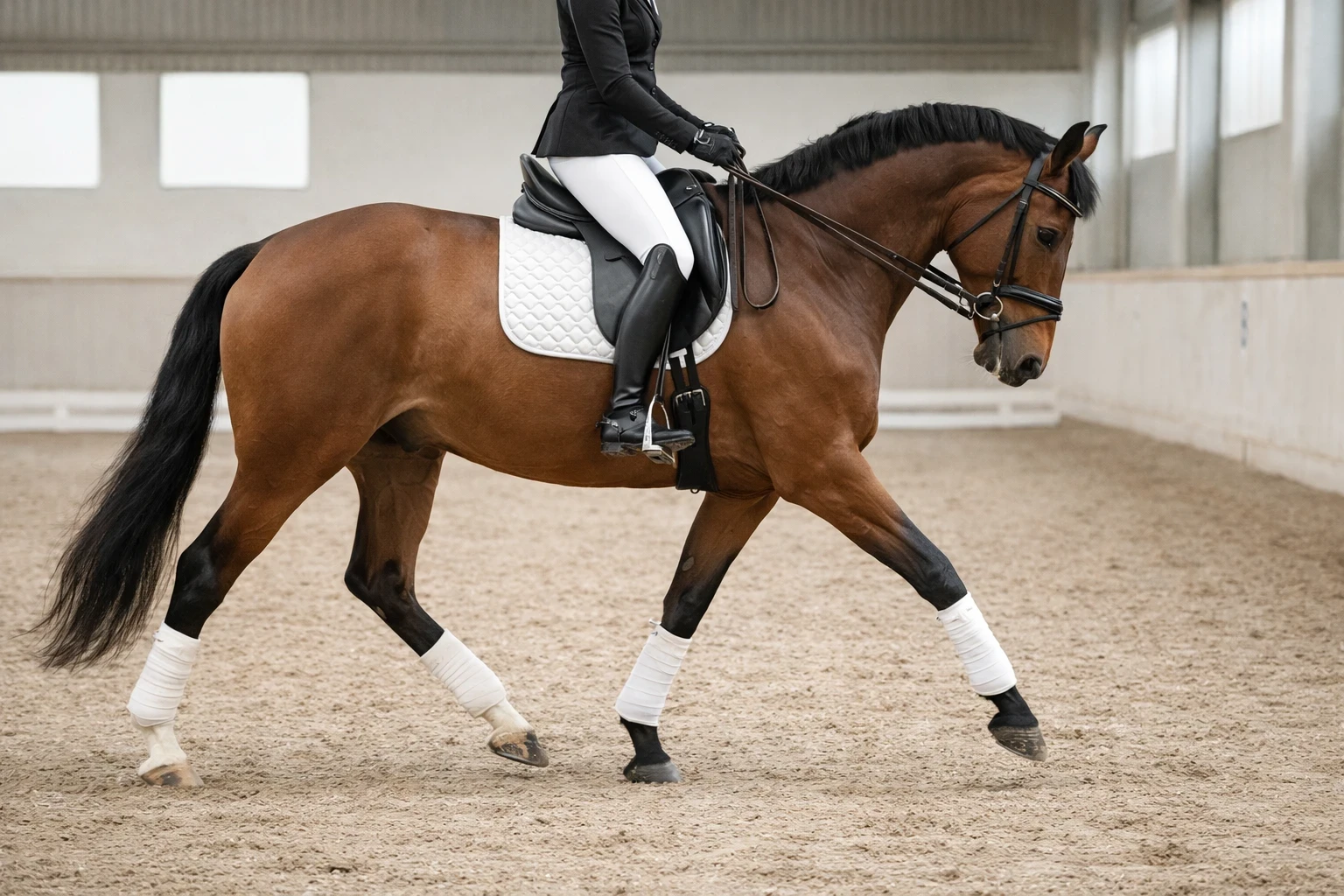
If you’re thinking about moving up in dressage or want a closer, more connected feel with your horse, the Arena Monoflap Dressage Saddle is a super popular choice. But figuring out whether it’s truly the right fit can feel overwhelming, especially with different seat sizes, gullet widths, and panel options to consider.
Affiliate Disclosure: This article contains affiliate links. If you choose to purchase through one of these links, I may earn a small commission at no additional cost to you. I only recommend products I believe offer real value to riders and families.
If you’re still deciding whether a monoflap design is right for you, you may also want to read my comparison guide, Arena vs Traditional Dressage Saddles: Which Design Truly Gives You the Better Ride?
In this guide, I’ll break down what actually matters when choosing an Arena Monoflap so you can confidently select a saddle that works for you, your teen rider, or your long-legged gelding — without second-guessing the decision later.
Quick Answer: Who This Saddle Is Perfect For
If you ride a moderately built warmblood or thoroughbred, want closer leg contact than a bulky double flap provides, and need adjustability for a horse whose shape may change, the Arena Monoflap Dressage Saddle delivers strong value without the premium price tag.
It’s especially well suited for:
- Parents outfitting a teen dressage rider who is leveling up
- Adult amateurs wanting a more connected feel without jumping into a $4,000 saddle
- Riders upgrading from synthetics, all purpose, or older double flaps and ready for a lighter, more modern ride
If you’re currently riding in a synthetic model and wondering whether the upgrade is worth it, you may also want to compare it to my Wintec Pro Pony Dressage Saddle review to see how materials, feel, and adjustability differ.
If you’re concerned about TB withers, seat sizing, or resale value, the Arena Monoflap addresses those common worries with interchangeable gullets, balanced panels, and solid resale demand.
👉 Check current availability of the Arena Monoflap Dressage Saddle.
Who Is the Arena Monoflap Dressage Saddle Designed For?
Ideal Rider Skill Level
This saddle works for a wide range of skill levels. You don’t have to be a pro. Most adult amateurs and teens adjusting to upper-level basics will find the Arena Monoflap easy to use. It doesn’t force you into an exaggerated position and the monoflap helps with feel, so you’ll likely notice your aids getting a bit clearer.
Best Horse Types for This Saddle
The Arena Monoflap is designed with lots of adjustability.
If your horse is medium or wide, has an average back and wither profile, or he’s changing shape with training, this saddle can stay with you through lots of transitions. If you ride a warmblood, thoroughbred, or sport horse type, it’s worth checking out.
Who Should Consider a Traditional Double Flap Instead?
If you’re riding a horse with a super flat or very difficult back shape, sometimes a double flap or a more customizable panel option is easier to fine-tune. Riders who want a “locked in” feel with large external blocks also tend to like traditional models better. And if change always feels weird, sticking with familiar double flaps can ease the transition.
Step 1: Choosing the Correct Seat Size
How to Measure Your Seat Size at Home
Sizing is pretty straightforward, but lots of people guess and end up with the wrong fit. The basic way is to sit on a hard chair and measure the distance from the back of your bum to the back of your knee in inches. Most adults fit a 17” or 17.5”, but the shape of your thighs and how much room you want in the seat also count. If your current saddle feels tight or you perch on the cantle, going up half a size is a safe bet.
Teen vs Adult Sizing Considerations
Teens and petite adults sometimes fit a 16.5” seat, especially if they’re still growing or prefer less extra space. If you’re buying for a fast growing kid, making sure the seat isn’t too short is really important. If possible, try out a friend’s Arena saddle in both sizes.
Signs You’re Between Sizes
If you feel pinched at the front, get sore at the cantle, or find yourself shifting around too much, you might be between sizes. Riders with longer legs often prefer to size up, since it can mean more room to balance.
If you’d like a more detailed breakdown of how seat sizing works and what correct balance should feel like in the saddle, I walk through the full measuring process in How To Choose A Henri De Rivel Dresseur Saddle.
Step 2: Understanding the Arena Interchangeable Gullet System
What Gullet Width Comes Standard?
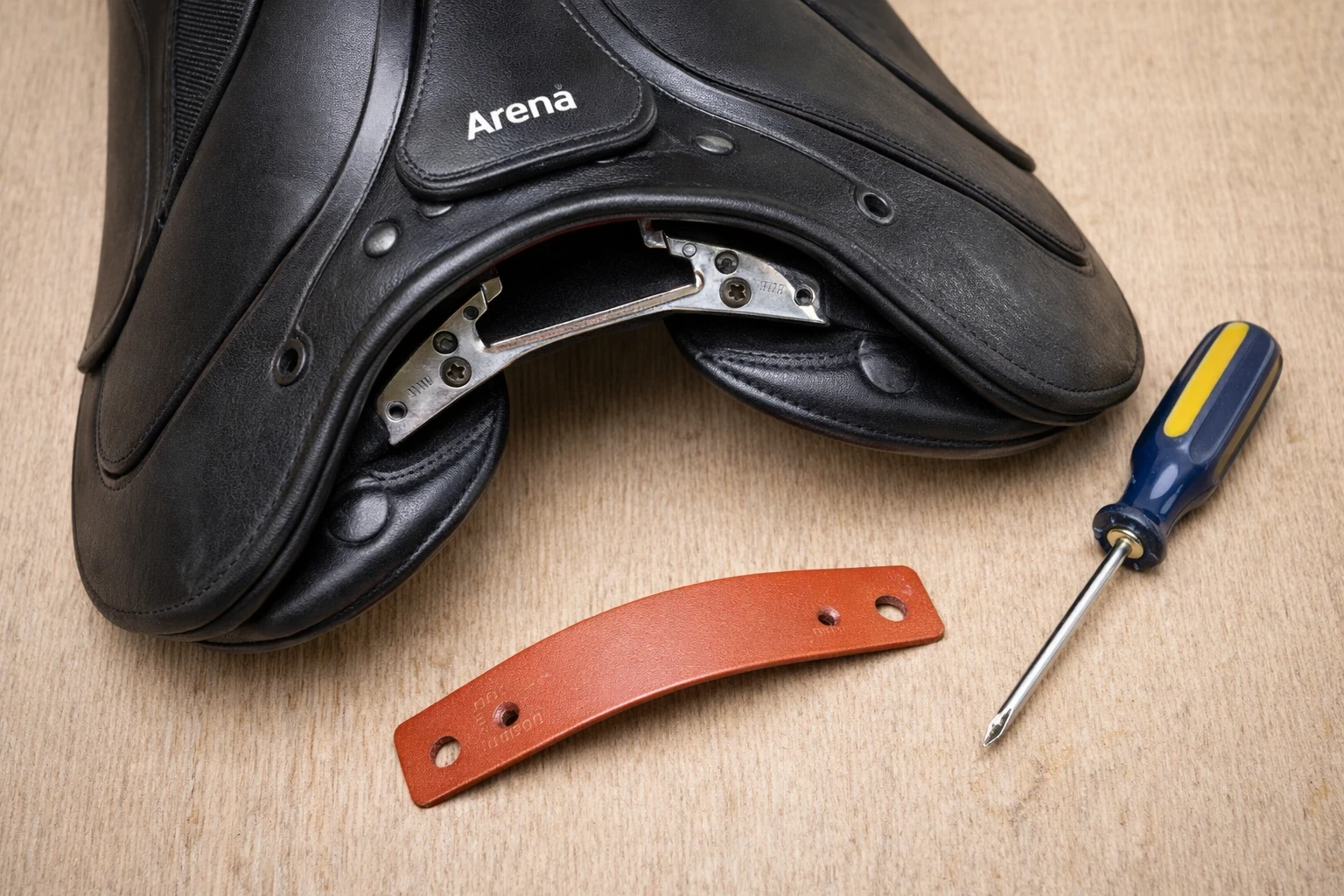
The Arena Monoflap usually comes with a medium gullet installed. That works for most warmbloods and average builds, but if your horse is particularly broad or narrow, you’ll likely need to swap it out. The gullet system uses easy to change steel plates, so you don’t have to get a whole new saddle if you need to adjust.
👉 If adjustability is important for your horse’s changing shape, you can see the current gullet options and seat sizes available here.
How to Know If Your Horse Needs Wide or Extra Wide
Check your horse’s shoulder angle (the wider the shoulders, the wider the gullet you’ll need) and look at the clearance at the withers and spine. If you notice dry patches or pressure sores after riding, or if your horse acts cranky being saddled, you might want to try a wider gullet. Arena offers differently sized gullets, so you can test different fits.
When to Consult a Saddle Fitter
If your horse has a very high wither, dips behind the shoulders, or is coming back from time off, an experienced fitter can point you in the right direction for gullet width and shims. They’ll also double-check balance and stability.
Step 3: Monoflap vs Traditional Dressage Saddle – What’s the Difference?
Closer Contact Feel Explained
The big draw for a monoflap is the closer connection you get between your legs and your horse’s side. Instead of two layers of leather plus a sweat flap, there’s just one slim panel, which helps lots of people feel their aids more clearly. Riders moving from a bulky all purpose or older double flap often say this change feels pretty noticeable, in a good way.
Block Position and Leg Stability
The Arena Monoflap comes with fairly generous knee blocks, set so your leg stays stable without feeling stuck. If you prefer room to move, you’ll like that these blocks don’t shove your knee behind them, but give just enough support for most riders. Leg stability feels natural, not forced.
Is Monoflap Too Much for a Beginner?
If you’re nervous about trying monoflap, don’t stress. It’s not just for super advanced riders. As long as your trainer agrees and you want more feedback from your horse, the learning curve isn’t steep. The Arena is pretty forgiving and doesn’t force your leg too straight, unlike some highend monoflaps.
Step 4: Panel Shape & Horse Conformation Compatibility
High Withers
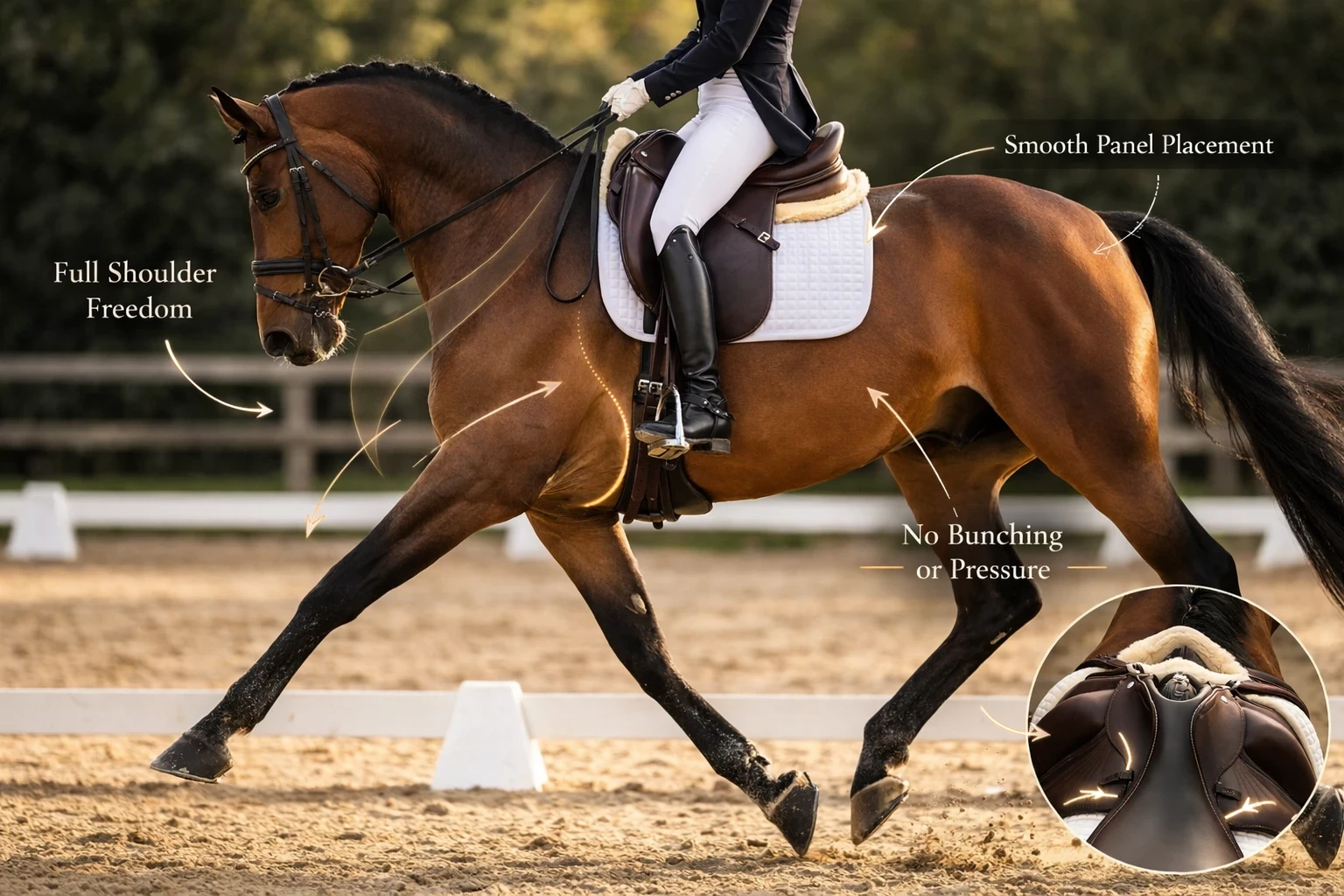
For highwithered horses (like lots of TBs and AngloArabs), the Arena panels have a bit of lift to allow wither clearance. Still, the gullet and panel flocking matter a lot, so be ready to try different options, or add a correction pad if the saddle bridges a little.
Broad Backed Warmbloods
If your horse has a super wide, flat back, the Arena Monoflap’s broad panels and gullet adjustments work well. You can swap in the widest gullet, and the panels are shaped to distribute weight without pinching. These features help avoid shoulder restriction, which is really important for bigmoving horses.
Changing Shape Horses (Young or In Training)
If your horse is coming back from time off, getting muscled up, or is still growing, the Arena’s adjustable features are pretty handy. The wider channel and option to swap gullets mean you can tweak the fit as your horse changes across a season.
Step 5: Knee Blocks, Thigh Length & Rider Comfort
How Block Size Affects Leg Position
The Arena Monoflap’s blocks are sized to give enough support without making you feel stuck. Riders who prefer minimal interference still get a little backup for their thigh, while those who want security (especially teens learning new movements) appreciate that the blocks keep their legs from swinging.
Long Femur vs Short Femur Fit Considerations
If you have a long femur, try sitting in the saddle before buying, or at least doublecheck the flap length measurements. Some riders with really long thighs find that their knee sticks out over the thigh block in some saddles. Shorter riders usually have no issues and find the standard block fits just right.
Common Rider Complaints (And How to Avoid Them)
If you notice your knees jam into the block, or your hips ache after riding, it’s a sign the seat size or block position isn’t ideal. Trying different block styles or even looking for a saddle with movable blocks can make a big difference.
Common Mistakes to Avoid When Choosing an Arena Monoflap
Buying Based on Price Alone
Saddles are a big buy for any rider, but picking just based on price can backfire if the fit isn’t right. Secondhand deals are tempting, but always prioritize fit and condition.
Ignoring Horse Conformation
Every horse is different; a medium wide gullet doesn’t guarantee a consistent fit for every horse. Pay attention to your horse’s back profile, muscle condition, and how they move under saddle.
Choosing Seat Size Based on Height Only
Height matters, but thigh length is even more important for seat sizing. If your current saddle feels off, try a tape measure seat check instead of just going by your height.
Is the Arena Monoflap Dressage Saddle Worth It?
Durability & Leather Quality
For the price, the leather on the Arena is surprisingly grippy and soft. If you’ve ridden in a Wintec before, you’ll notice the upgrade in feel and stitching right away. With regular care, it stands up to daily riding easily. You can also compare long-term care expectations in my guide How Do I Care For My Arena Monoflap Dressage Saddle.
Adjustability Over Time
Being able to swap gullets is a huge bonus if your horse changes shape or you swap horses during your riding adventure. You’re also less likely to need a totally new saddle just for minor shape changes.
Resale Value & Longevity
Arena saddles generally hold their value well, especially if you keep them clean and care for the leather. Because of the interchangeable gullet and broad appeal, they tend to sell quickly if you need to move up or switch models.
Final Checklist Before You Buy
- ✔ Seat size confirmed (measured, not guessed)
- ✔ Gullet width checked and tested for your horse’s back
- ✔ Horse’s conformation matched with panel shape
- ✔ Block size and flap length considered for your leg length
- ✔ Trainer’s opinion or saddle fitter feedback (if possible)
If your horse is moderately built and you’re looking for closer contact without stepping into a high four-figure investment, the Arena Monoflap Dressage Saddle is one of the most practical and flexible options available. It’s especially appealing for riders upgrading from synthetics or traditional double flaps who want a lighter, more modern feel without sacrificing adjustability.
If you’d like to check current pricing, available seat sizes, or gullet options, you can view the Arena Monoflap Dressage Saddle here:
👉 Check current availability of the Arena Monoflap Dressage Saddle
And once you’ve chosen your size, be sure to read my full guide on How Do I Care For My Arena Monoflap Dressage Saddle so you can protect your investment and keep the leather performing beautifully for years. The right saddle should feel balanced, supportive, and made for your partnership — and with the proper fit and care, the Arena Monoflap can be the start of a smoother, more connected ride in the dressage arena.
This is a very thorough and practical guide. I like how you broke the decision process into clear steps: seat size, gullet system, panel compatibility, and rider comfort. That structure makes saddle selection much less intimidating for riders upgrading from synthetics or traditional double flaps. The emphasis on horse conformation is especially important. From your experience, which factor causes the most fitting mistakes, seat size or gullet width?
Great question Muyivu – and it’s one a lot of riders struggle with.
In my experience, gullet width (or tree width) tends to cause far more fitting mistakes than seat size. Seat size mainly affects the rider’s comfort and balance, but the gullet width directly affects the horse’s back and spinal clearance. If the gullet is too narrow, the saddle can press on the horse’s spine and surrounding muscles, which may lead to soreness, stiffness, or even long-term back problems.
Seat size errors are usually easier to notice—riders feel cramped or too loose in the saddle. Gullet width mistakes are trickier because the saddle may look fine at first but still create pressure points or restrict movement once the horse starts working.
So in short:
Seat size mistake → rider discomfort.
Gullet width mistake → horse discomfort and potential injury.
That’s why I usually recommend riders fit the horse first (tree/gullet and panels) and then fine-tune the seat size for the rider. Hope this helps.