
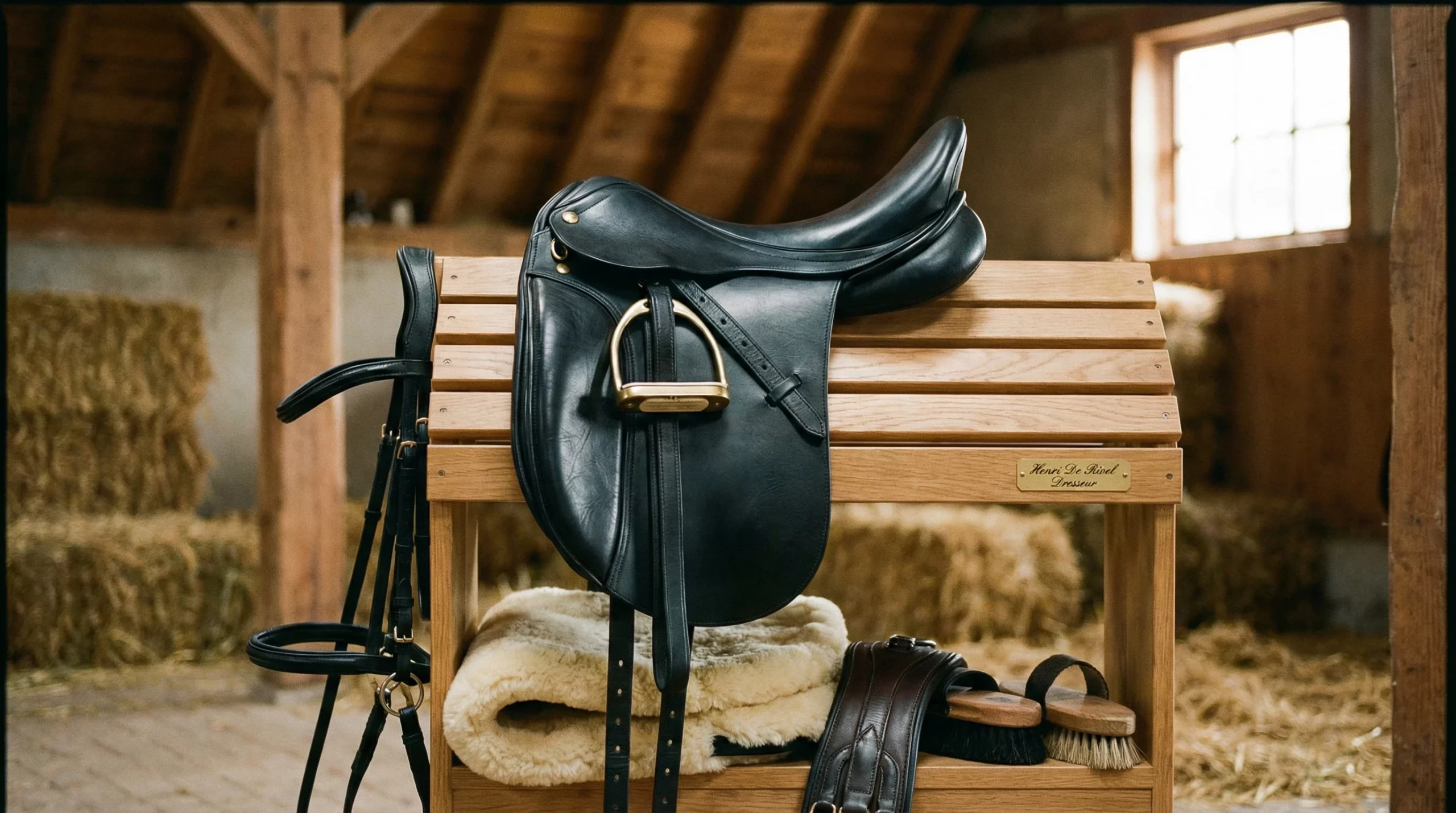
Your Henri De Rivel Dresseur saddle is a real workhorse for dressage, but like any leather saddle, it needs the right care to stay safe, comfy, and looking good for years. No one wants to see their investment ruined by cracked panels or weird sticky spots. A few simple habits can help avoid all that. Here’s my clear, beginnerfriendly guide to keeping your HDR Dresseur in great riding shape (and worth what you paid for it).
Just a quick heads-up for transparency: this article may include affiliate links. If you choose to buy through one of them, I may earn a small commission at no extra cost to you. It helps support CharmingCanters.com so I can keep creating helpful resources for parents and young riders.
If you’re still deciding whether this saddle is right for you, you can read my full Reviews Of Henri De Rivel Dresseur Saddle to see how it performs in real-world use.
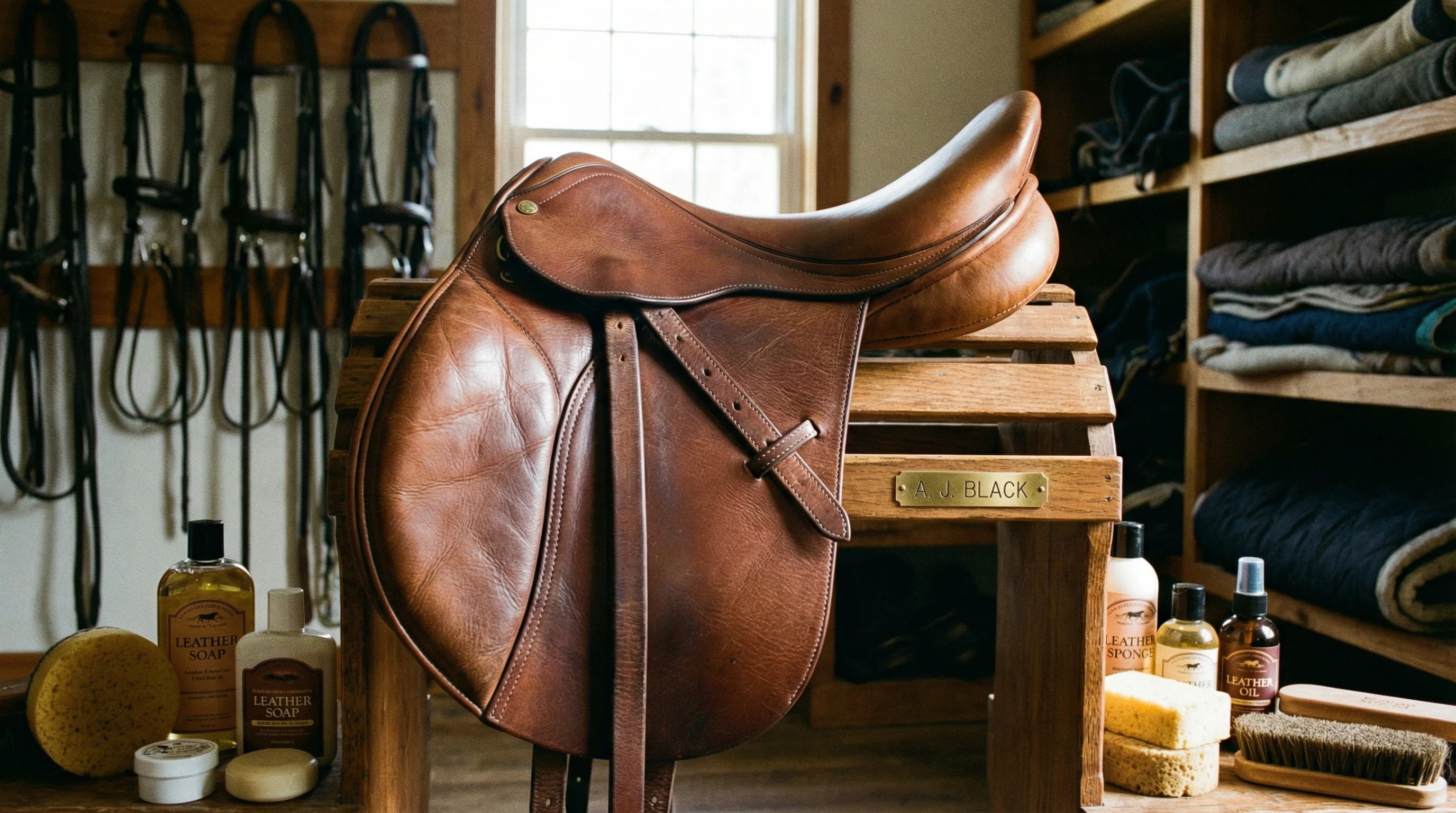
Why Proper Care Matters for the HDR Dresseur Saddle
Protecting the Leather and Tree Structure
Leather saddles like the HDR Dresseur really shine with the right upkeep. Sweat, dust, and moisture can break down the leather fibers quickly, and when dirt gets ground into the seat or under the flaps, it can do more harm than you’d expect.
If the saddle gets too wet, is left in the sun, or is bent on the wrong kind of rack, the tree or panels may warp or collapse over time. I always recommend treating your saddle like you’d treat a favorite leather jacket or nice purse. Regular gentle care goes a long way toward keeping it strong and safe for your horse’s back.
Extending the Life of Your Investment
Paying over $1,000 for a mid-range dressage saddle is a big deal for most of us. Proper cleaning and storage keep the panels plush, the billets sturdy, and the color bright. I’ve seen HDRs last ten years or more with just a few minutes of daily care and smart handling. Simple prevention stops expensive repairs or early replacements down the line.
Maintaining Comfort and Performance
Soft, clean, properly shaped panels are safer for your horse’s back and for your position in the saddle. Regular care avoids rough patches, loose stitching, or hard spots that might irritate your horse or lead to an insecure ride. Well-cared-for saddles just feel better to ride in, plain and simple.
Understanding the Leather on the Henri De Rivel Dresseur Saddle
Is It Full Grain or Corrected Leather?
Most HDR Dresseur saddles use double-leather flaps, which are often softer than cheaper models but may have either full-grain or “corrected” grain surfaces. Full-grain leather keeps more natural texture and will show wear and wrinkles over time, developing a nice patina. Corrected grain gets a coat on top to even out the finish, which means it’s a bit more forgiving to stains. That’s handy for new riders or teens still learning the ropes.
How This Affects Cleaning and Conditioning
If your model has full-grain leather, less is more. Stick to gentle cleaners and softer conditioning products, since heavy oils can clog the fibers or make it sticky. Corrected grain can handle a bit more moisture but still benefits from soft cloths and lighthanded care. Always spottest a small, hidden area when trying new products.
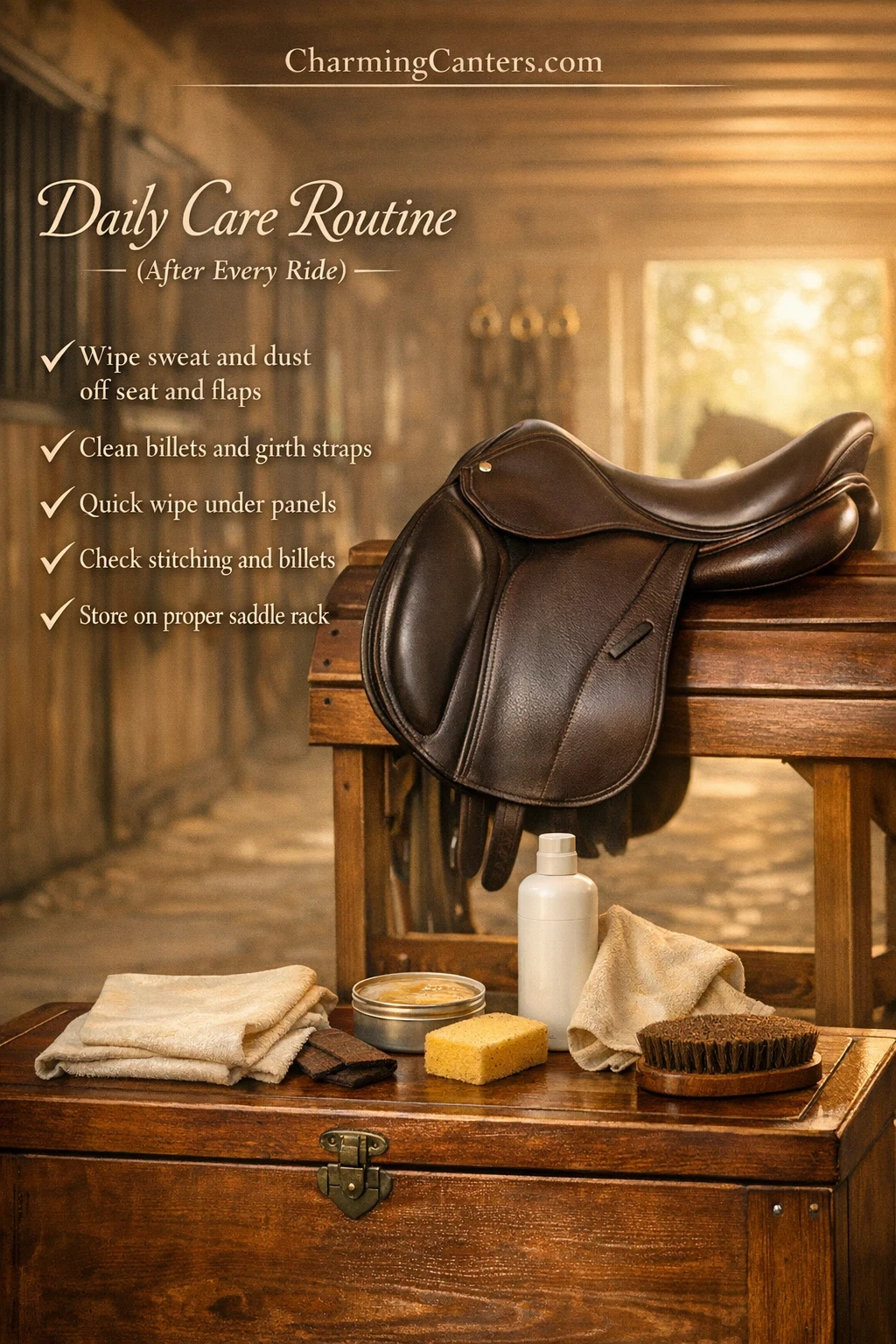
Daily Care Routine (After Every Ride)
Quick Wipe Down Steps
After every ride, grab a soft, slightly damp (not wet) sponge or cloth. Wipe down the seat, flaps, and panels to clear away sweat, dust, and surface dirt. Pay extra attention to the girth area. Sweat salts build up fastest there. Let everything dry for a few minutes where air can circulate, but out of direct sun.
How to Remove Sweat and Dust Properly
For sweat marks and crusty spots in the girth area, don’t scrub hard. Dampen your cloth or sponge (not soaked) and gently lift the dirt, switching to a clean spot on the cloth as you go. Over-scrubbing can wear down the color and surface finish, especially on softer HDR leather.
What Products Are Safe to Use
Straight tap water works for quick wipes, but if your barn is super dusty, use a tiny bit of mild horse tack cleaner. Avoid anything with ammonia, alcohol, or heavy waxes. If you want to use a commercial leather wipe, check that it’s labeled safe for saddles, not shoes or furniture.
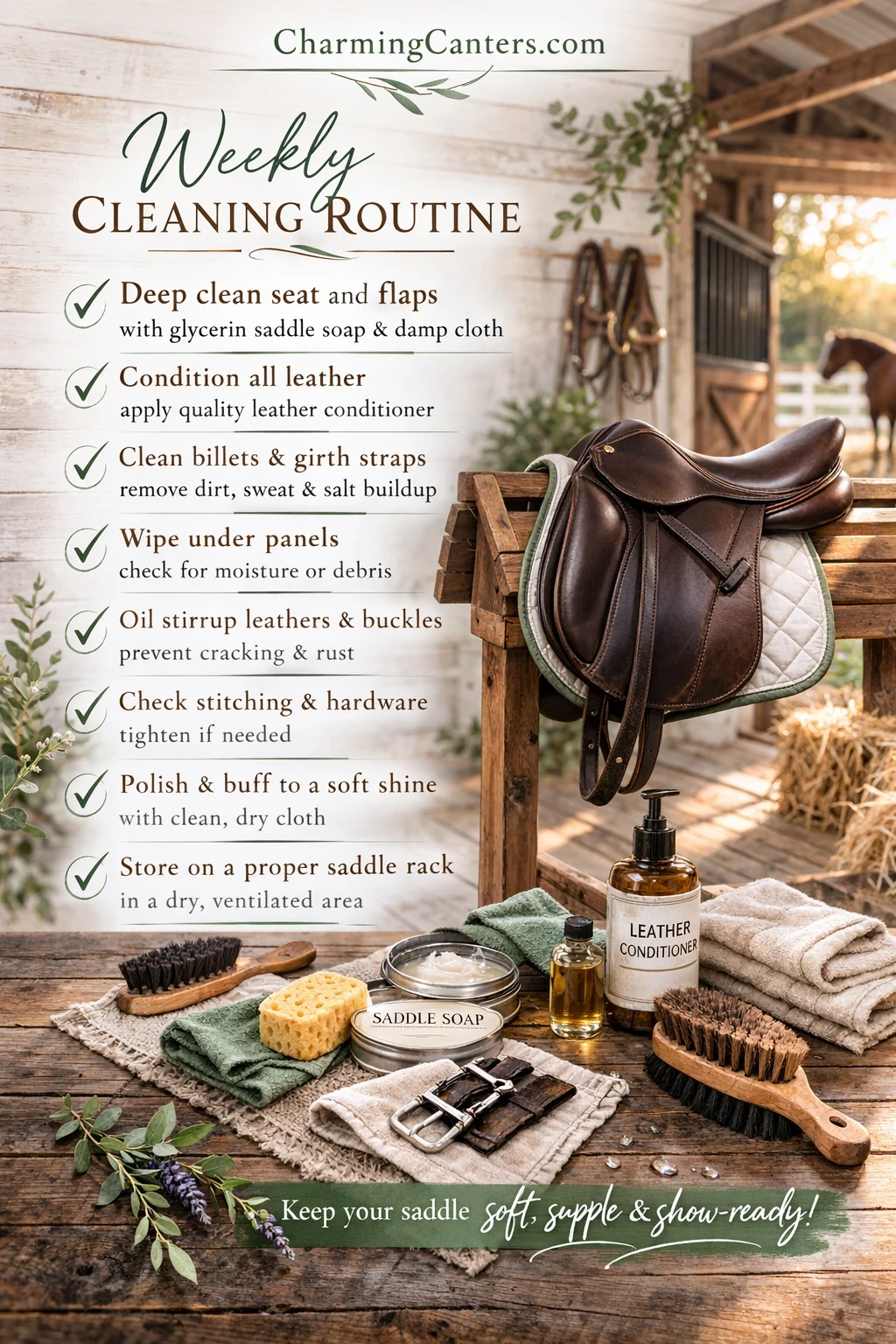
Weekly Cleaning Routine
Best Type of Saddle Soap for HDR Leather
Glycerin-based saddle soap is usually the safest bet for HDR saddles, like Belvoir, Effax, or the old standby, Fiebing’s. Bar or spray versions both work, as long as you rinse off any residue with a clean damp cloth so no sticky film gets left behind. Skip harsh soaps or strong solvents.
Cleaning the Flaps, Seat, and Panels
Dampen your sponge and work up a gentle lather with your saddle soap. Clean all leather surfaces, one small section at a time. Wipe off any soap with a clean, damp cloth, then dry with a soft towel. Don’t soak the stitching or let foam drip down into the panels.
Caring for Billets and Stitching
Flip the flaps and check the billets for soft spots, stretching, or loose stitching every week. Give billets and stirrup leathers a wipe down too, but steer clear of overoiling them. Soft billets can stretch out and become unsafe.
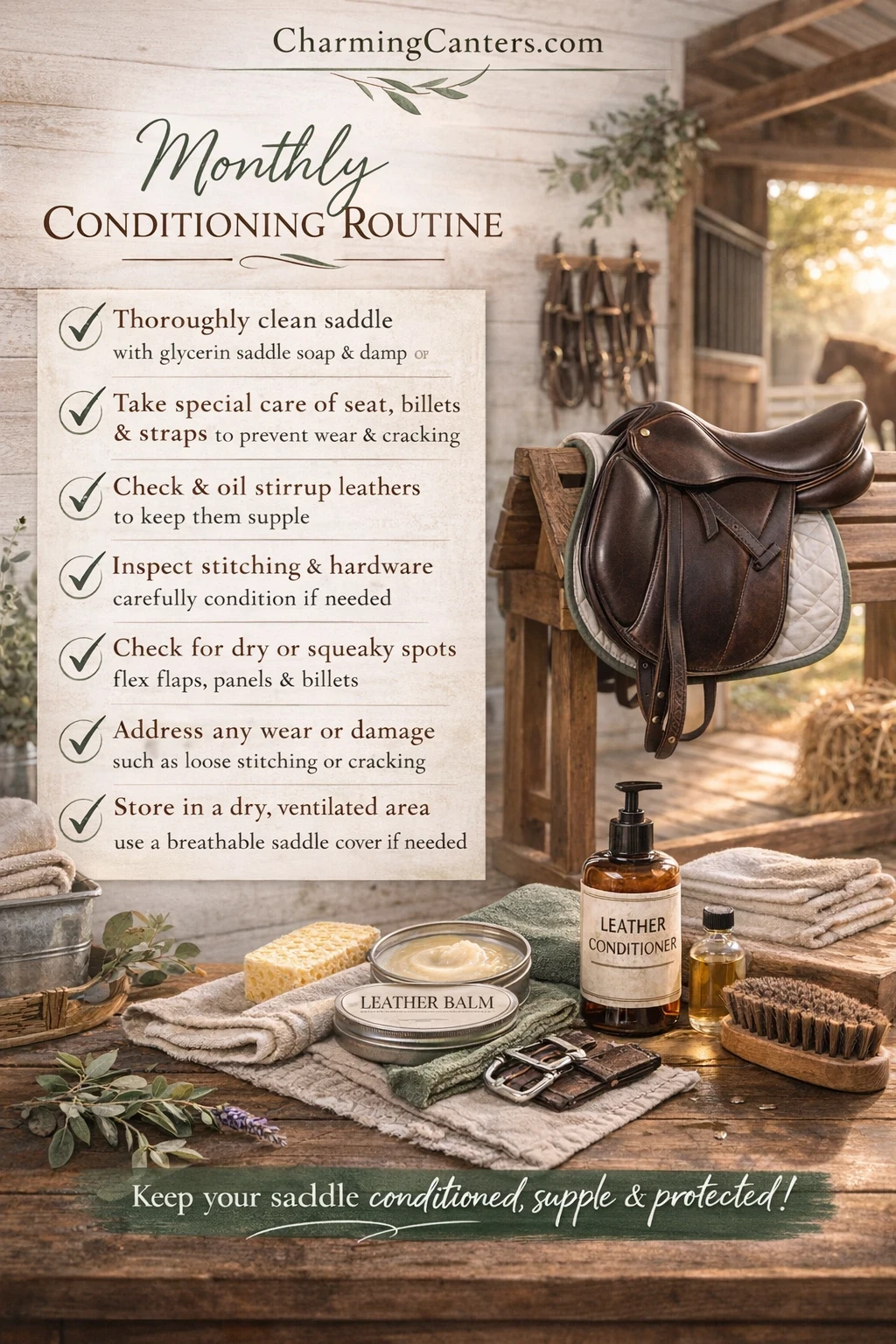
Monthly Conditioning Routine
How Much Conditioner Is Too Much?
This is where lots of people slip up! Use conditioner sparingly, just enough to keep the leather supple, never so much that it feels greasy. Once a month, apply a tiny amount (think nickelsized glob for each section) with a cloth, wait five minutes, then buff off all the extra. You shouldn’t see fingerprints or shiny slick spots when you’re done.
How to Avoid Sticky or Over-Soft Leather
Avoid Neatsfoot oil or heavy grease on HDR saddles. Stick to creamy or balmstyle conditioners made for English saddles, like Effax Lederbalsam or Leder Combi. Overconditioning makes leather tacky, attracts dust, and shortens the life of the finish. Less is more, especially in humid climates.
Conditioning for Dry vs Humid Climates
If you’re in the Southwest or other dry areas, condition monthly yearround. In the South or coastal regions where humidity is high, condition lightly during winter or dry months. Skip conditioner in the muggiest weeks. Instead, focus on thorough cleaning and airing out.
How to Store Your HDR Dresseur Saddle Properly
Ideal Temperature and Humidity
This saddle prefers cool, dry air, away from barn doors, windows, or direct heat. Shoot for a tack room where temps range between 45–75°F and humidity stays under 60%. Always air it out after rides before storing, especially in sticky climates.
Correct Saddle Rack Support
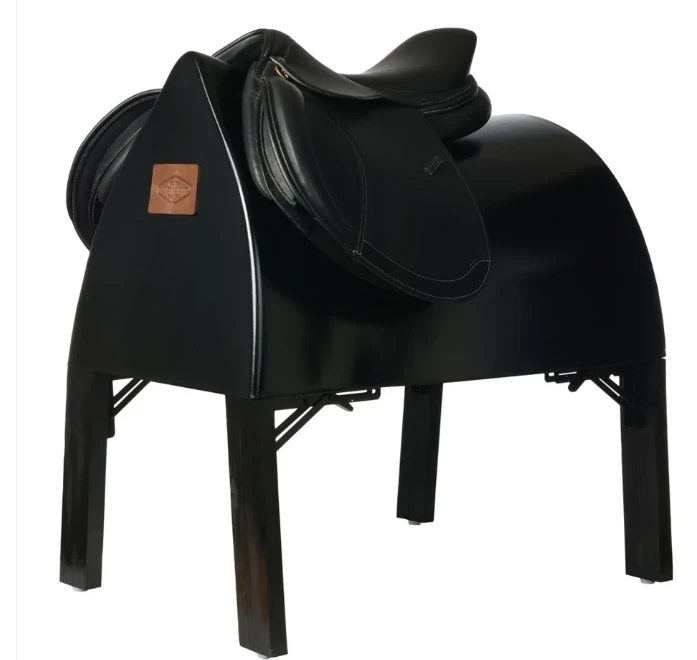
Use a broad contoured rack or a smooth padded rail that matches the shape of the saddle tree. Avoid wire racks or those with sharp edges, which can dent or warp the panels over time. Rest the saddle with the gullet (the open slot underneath) exposed for some airflow. Check out the Henri de Rivel Saddle Fitting Stand With Foldable Legs.
Preventing Mold and Mildew
In humid areas, wipe your saddle dry every day and pop in a couple of cedar blocks or dry packs to absorb moisture. If you do spot any fuzzy white or green patches, clean the area right away with a little diluted vinegar, then reclean with saddle soap. Never store a moldy saddle in a closed tack room.
Common Mistakes to Avoid
Overoiling New Leather
It’s tempting to soak a new saddle in oil to “break it in fast.” But HDRs come preoiled, and dumping on more can break down the glue and stitching or make the panels floppy. Just use gentle conditioning every few weeks, and ride often to soften it up naturally.
Using Household Cleaners
Avoid kitchen sprays, baby wipes, or anything with bleach, alcohol, or citrus. These can strip color and dry the surface fibers in just one use. Stick with products made specifically for saddles and equestrian leather.
Letting Sweat Sit on the Panels
Sweaty panels and girth areas are a fast track to salt stains, rough patches, and cracks. Always wipe down immediately after untacking. It takes less than a minute, and your saddle will thank you for it.
Ignoring Billet Wear
Check billets weekly for stretching or cracking, especially at the holes. A snapped billet at the wrong moment is not just scary; it is unsafe. Replace billets at the first sign of major wear, even if the saddle leather still looks great.
When to Check Flocking and Fit
Signs the Panels May Need Attention
If the saddle starts to rock sidetoside, or your horse develops a dry spot or white hairs under the panels, it’s time to have the flocking checked. Panels should feel firm but a little springy, not flat as a board or lumpy like old foam. Plan on a flocking check once a year or anytime you spot changes in fit.
How Care Impacts Saddle Fit
Letting leather dry out, warp, or get overloaded with conditioners can mess up your panel shape and saddle balance. Keeping your saddle clean, lightly conditioned, and wellsupported means your HDR will keep fitting both your horse and you as intended.
And if you’re not completely sure you selected the correct seat size or tree width in the first place, you may want to read my guide on How To Choose A Henri De Rivel Dresseur Saddle to make sure you started with the right fit.
How to Keep Your HDR Dresseur Show-Ring Ready
Quick Shine Routine
The day before a show, use a slightly damp microfiber cloth to buff the entire surface. For extra shine, try a swipe of Belvoir’s Leather Balsam or a similar nonslip finish (not actual shoe polish; no one wants slick flaps). Avoid any product that leaves slide or residue in the seat area.
Preventing Dull Leather
If your saddle starts to look dull, chances are it’s either dirty or overconditioned. Buff after every ride, deep clean once a week, and condition every 3–4 weeks. Let it dry completely before covering so the surface stays bright, not slick or sticky.
How Long Should a Well-Maintained HDR Dresseur Last?
What Impacts Longevity
With light, regular care, I’ve seen HDR saddles easily last 8–12 years. Sometimes longer for teens and amateurs who ride a few days a week. Neglect, overconditioning, or leaving it in a damp tack room will shorten that by half.
Resale Value Considerations
Wellkept HDRs hold a solid resale value. Keep your receipts, tack shop records, and regular photos of the stitching and panels. Minor surface scuffs won’t hurt value much, but cracks, major discoloration, or mold definitely do. The best way to keep resale value? Stick with that simple, steady cleaning routine and get any repairs done quickly by a professional saddler.
Recommended Care Products for the Henri De Rivel Dresseur Saddle
Here are some care products I’ve found work well on the HDR Dresseur (not sponsored, just good picks):
- Bickmore Bick 4 Leather Conditioner, gentle and nongreasy
- Effax Lederbalsam, creamy, for monthly deep conditioning
- Belvoir Glycerine Saddle Soap (bar or spray)
- Microfiber cloths for buffing and drying
- Cedar blocks or silica dry packs for mold prevention
For more detailed guidance, you can read my full Reviews Of Henri De Rivel Dresseur Saddle, my guide on How To Choose A Henri De Rivel Dresseur Saddle, and my complete English Saddle Fit Guide. If you’re a parent new to horse tack, don’t skip my article on How To Prevent Saddle-Related Injuries in Children. Peace of mind is always worth it.
This is excellent guidance for maintaining an HDR Dresseur saddle in show-ready condition. I appreciate how you emphasize balanced care regular cleaning and light conditioning rather than over-treating the leather, which is a common mistake. The practical tips on preventing dullness and protecting resale value are especially helpful for riders who want both performance and longevity from their tack. Consistent maintenance and proper storage truly make the difference in extending a saddle’s usable life.
Hi Kavitha! Thanks for your feedback. I appreciate it. Yes, these saddles are a serious investment. So proper care is essential. Many riders, particularly new riders, aren’t aware of the dangers of overconditioning their saddle and in general, lack knowledge of proper maintanence of their saddle. I’m glad this was helpful.
This was such a clear and genuinely helpful guide for caring for an HDR Dresseur saddle. I love how you broke everything down into daily, weekly, and monthly routines — it makes the whole process feel so much more manageable, especially for newer riders. The explanations about leather types, conditioning, and common mistakes were especially useful. It’s obvious how much long‑term value proper care can protect, and this article makes it easy to understand exactly what to do. A really practical, confidence‑boosting resource for anyone who wants to keep their saddle in great shape.
Hi Kiersti. I’m so glad my post was helpful to you. That’s my goal!