
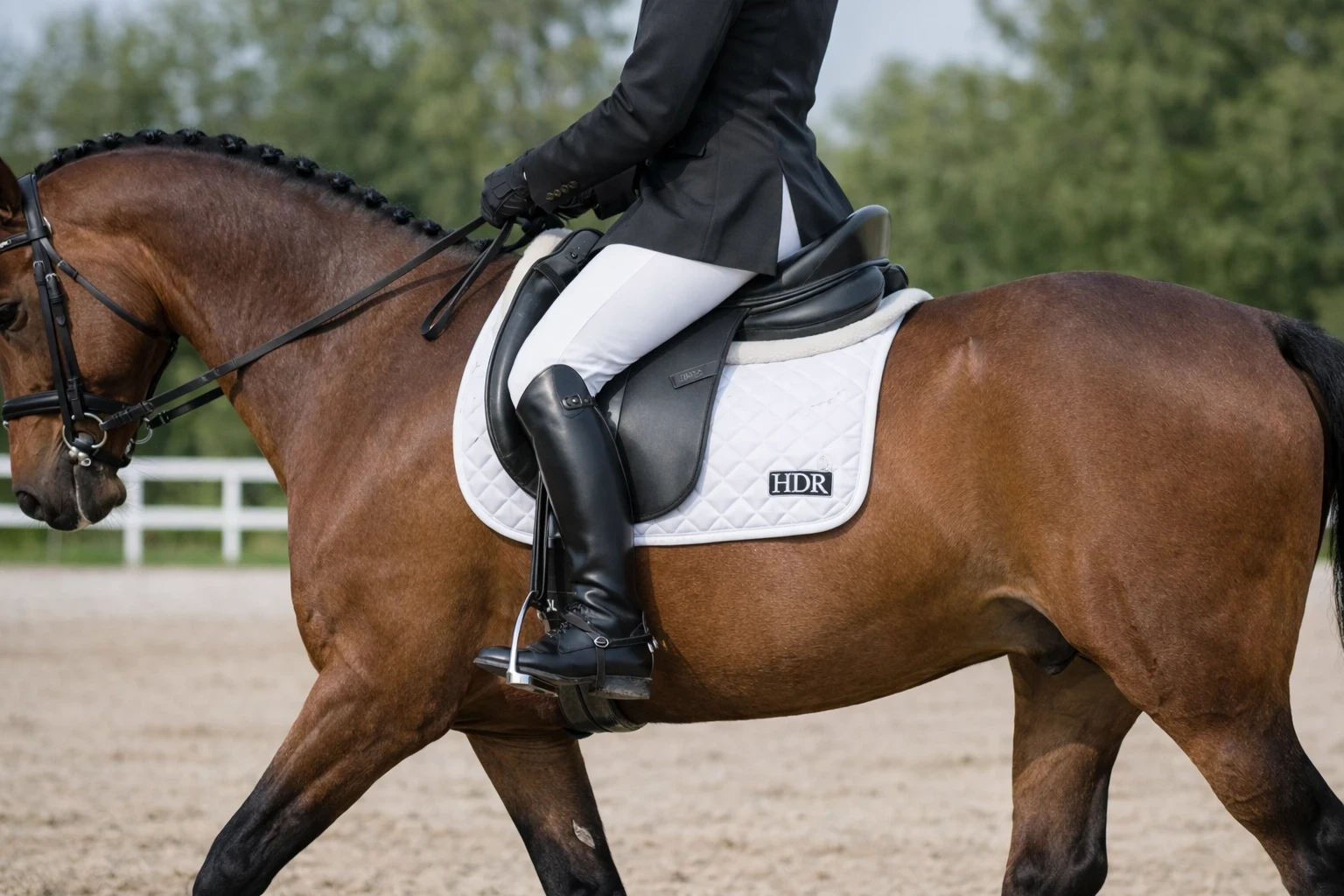
If you’re stepping up your dressage game and eyeing an affordable, practical saddle, the Henri De Rivel Dresseur is probably sitting at the top of your list. Designed for riders making the leap from all purpose saddles to dedicated dressage tack, this saddle promises a secure seat, fair price, and adjustability you just don’t find in every brand.
I’m laying it all out here. No guesswork, just a straightforward take on what you need to know.
Just a quick heads-up for transparency: this article may include affiliate links. If you choose to buy through one of them, I may earn a small commission at no extra cost to you. It helps support CharmingCanters.com so I can keep creating helpful resources for parents and young riders.
If you’re still comparing options, you can also read my full Henri De Rivel Dresseur saddle review for a deeper look at real-world performance, comfort, and long-term value.
Who Is the Henri De Rivel Dresseur Saddle Designed For?
The Dresseur is built for a wide range of riders, with features that appeal most to dressage beginners and those on a budget. Instead of flashy extras or custom price tags, it offers the essentials that work for real world riders (and horses) who need comfort, function, and value.
Ideal Rider Level
This saddle hits a sweet spot for those leveling up from an allpurpose or starter tack, especially if you’re planning to get more serious about dressage. Whether you’ve got a kiddo outgrowing their pony saddle, or you’re an adult amateur thinking about local shows, the Dresseur keeps things accessible without letting you down in quality.
Best Disciplines and Goals
The Dresseur is all about classical dressage riding. It’s made for riders focusing on flatwork, correct position, and the basics of dressage up through the mid-levels. If you dabble in eventing but want to improve your flatwork scores, it’s still a good bet. Not the saddle for jumping or cross country though. Keep this one in the dressage lane.
Budget Conscious Dressage Riders
If you can’t justify a $4,000+ custom saddle, the HDR Dresseur keeps you on track without gutting your wallet. It’s easier to find used (or new on discount), and the wool flocking lets you tune the fit later if you switch horses, which can be pretty handy if you’re on a budget or shopping secondhand.
Understanding the Tree and Panel Design
The tree and panels of any saddle shape how it fits both you and your horse. HDR Dresseur’s design works for a typical modern sport horse but there are a few things you’ll want to check before clicking “buy.”
Tree Width Options Explained
Most Dresseurs are built on HDR’s standard “mediumwide” tree, which fits a lot of warmbloods, TB crosses, and averageback horses. If you have a chunky cob or a super flat backed draft cross, it may not be the best match. Comfort for both horse and rider depends on matching tree and back shape, so always check sizing guides, or try before you buy if you can.
Wool Flocking vs Foam Panels
The Dresseur comes with wool flocked panels (not foam), which is a big plus in my book. Wool lets a fitter adjust panel shape and firmness, fixing little issues as your horse’s back changes, like young horses, changing muscle, or just that “weird” back shape. Foam panels might be a bit lowermaintenance but aren’t nearly as adjustable.
What Back Shapes It Fits Best
Best on horses with an average curved spine, not ultraflat, not extraroofy. The Dresseur offers moderate wither clearance, fitting horses with a little shape to the back. If your horse is a highwithered TB or a curvy-bodied warmblood, it’s often a match. If the back is tableflat or the withers are superprominent, you might have to work with a fitter to make it work, or look elsewhere.
Horses It May Not Suit
HDR Dresseur isn’t always the best for really broad, muttonwithered cobs or drafts with almost no spinal curvature. The tree shape is a bit too curvy, which can cause rocking or bridging. If your horse’s back is extra flat or ultra wide, you’re probably better off searching for a saddle designed just for those body types.
Choosing the Right Seat Size for You
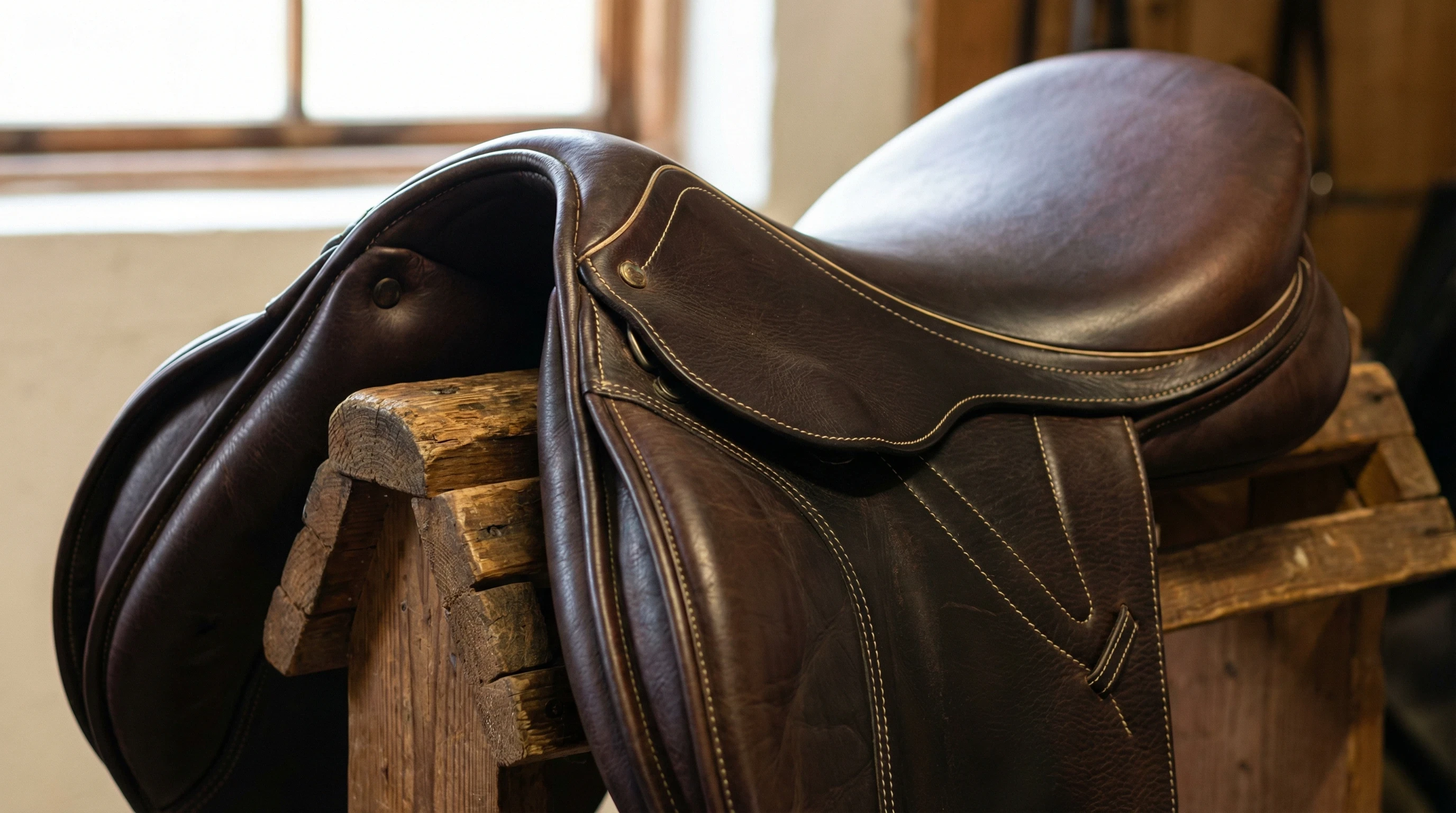
Feeling stuck or pinched in a new saddle is no fun. Picking the right seat size means balancing security with comfort and allowing your body to move correctly.
How to Measure Your Current Saddle
The easiest method is to measure from the center of the button at the pommel to the center of the cantle (along the seat). That’s your seat size in inches. If you’ve been riding in a 16.5” or 17” allpurpose, the same size in the Dresseur is usually a good starting point, though you might bump up half an inch if you want a little more room.
16.5 vs 17 vs 17.5 – What Changes?
Moving from a 16.5 to a 17 means you’ll have a touch more room behind you and a wider seat base. For adults, 17 is pretty standard. If you’re petite or a junior, 16.5 works. If you’re tall or curvy, 17.5 gives that extra bit of space without pushing you out of the saddle. Don’t size up for “growing room”; it’s better to get a fit that supports your seat and position right now.
Youth Rider vs Adult Rider Considerations
For teens growing fast, it’s tempting to go big on seat size, but oversized saddles often make riding harder. Stick with their measured size and only change if they genuinely feel squished. For adults, try a larger seat only if you notice pinching at the thigh or getting popped out of the deepest part of the seat.
Flap Length and Rider Position
Dressage flaps are straighter than allpurpose ones. They’re designed to let your leg hang in that long, classical line without pushing your knee forward. The Dresseur is made for this kind of position, with moderate block support and a mediumdeep seat.
Does the Dresseur Encourage a Correct Leg?
The flap shape is meant to help your leg drop straight down the girth, aligning hip, ankle, and shoulder. There’s enough knee roll for stability but not so much you feel trapped. Riders who struggled to keep their lower leg still in an allpurpose saddle usually find things “click” better in the Dresseur.
Is the Seat Too Deep for Beginners?
HDR’s seat is moderately deep, not a bucket that glues you in place, but still supportive if you’re working on sitting trot or bigger movement. Most newer dressage riders like the extra security. If you’re used to flatseat jump saddles, it can feel different, but it actually helps refine your balance with time.
Security vs Freedom of Movement
The Dresseur balances security and freedom well. You feel supported, yet able to post or adjust quickly. Not so deep it’s hard to get up out of the seat, and the blocks don’t interfere unless you’ve got a super long thigh, in which case, try to test one in person.
Leather Quality, Break-In, and Longevity
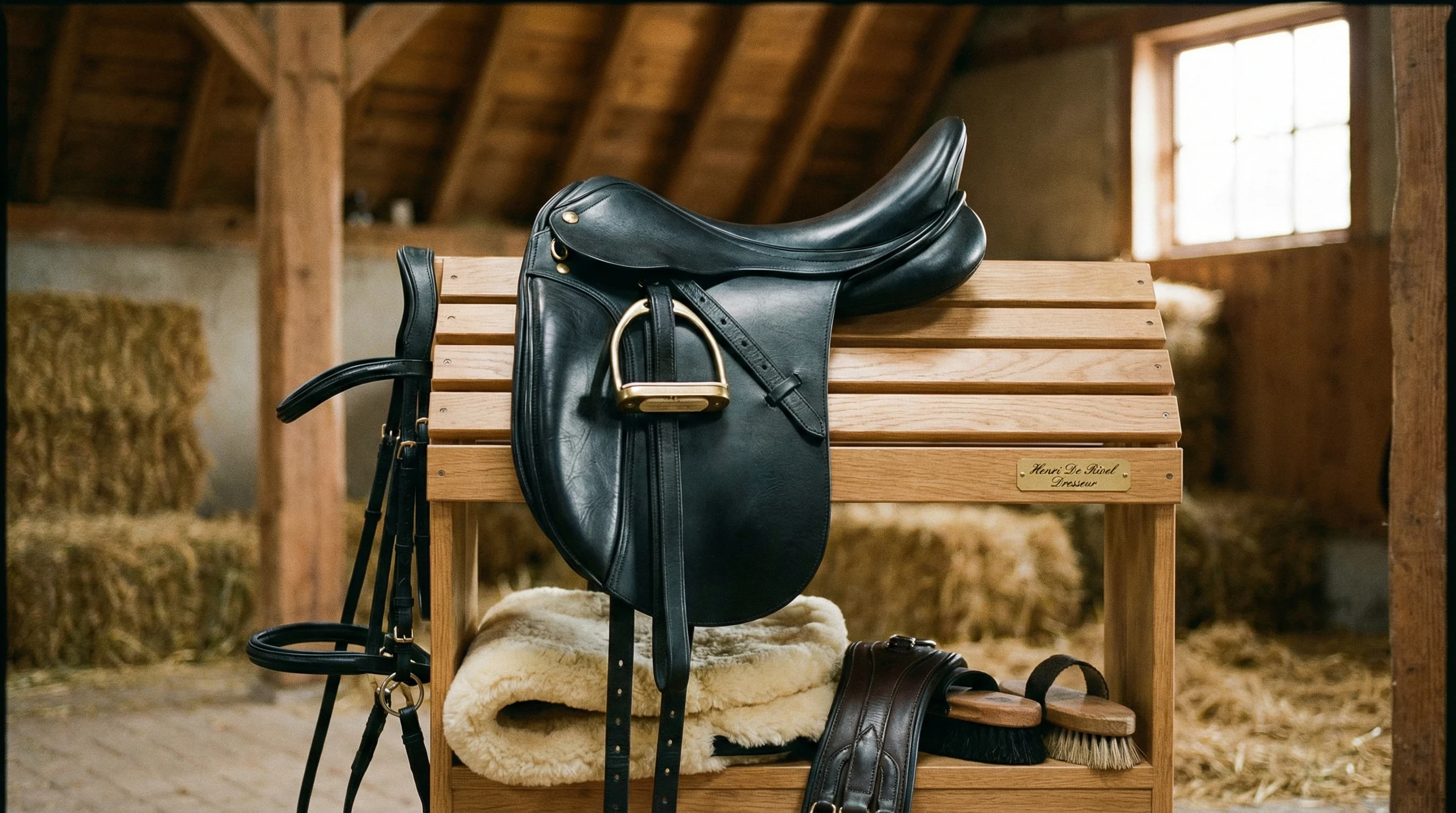
Leather feels matter; a slick, stiff saddle can be frustrating at first but can soften up with a little time and care.
How the Leather Feels New
Out of the box, the Dresseur’s leather can feel a bit stiff, especially if you’re used to calfskin or buttery European models. It’s grain leather, built for durability, not showring softness. After a few rides (and some conditioner), it breaks in, softens, and molds to you and your horse.
Maintenance Expectations
This saddle needs regular cleaning and conditioning, especially at first. Once the leather softens and flexes, keeping it oiled means it’ll continue getting better with age. Expect the flaps and seat to show wear as you ride, but it’s tough enough to not crack or get ugly quickly. I’ve written a detailed guide on how to care for the Henri de Rivel Dresseur Dressage saddle.
How Long It Typically Lasts
I’ve seen HDR Dresseurs going strong after five or ten years of hard schooling rides. The wool flocking lets you refresh fit as the panels compress, so it’s not just a “starter saddle” unless you want it to be. Regular maintenance stretches the lifespan a lot.
Should You Buy New or Used?
Dresseur saddles pop up on Facebook Marketplace, eBay, and consignment shops all the time. Going used can be a great deal, but there are a few things to doublecheck so you don’t get stuck with a lemon. I go into more detail about durability, resale value, and long-term wear in my full HDR Dresseur saddle review, especially if you’re weighing new versus secondhand options.
What to Check on a Used HDR Dresseur
Look for tree integrity (no twist or creak), panel symmetry, billets (stirrup straps) showing minimal stretching, and age of the flocking. Photos don’t always show everything, so if you buy online, ask questions or request closeups.
Tree Integrity Inspection Tips
Place the saddle on a level surface, press the pommel and cantle. If it flexes, twists, or makes odd noises, the tree might be damaged. Run your hands under the panels for hard lumps or flat spots. Anything funky means it’ll need a fitter or a pass altogether.
Billets, Stitching, and Panel Wear
Check all stitching for signs of fraying or gaps. Pull on billets to see if they’ve stretched or cracked. Look for deep rubs or shiny spots on the panels where flocking might be packed or thin. Small stuff can be repaired but big issues add up in cost.
Do You Need a Professional Saddle Fitter?
Saddle fitters aren’t just for super highend buyers. They help keep your horse happy and often keep you riding longer, and in comfort too.
Signs You Should Call a Fitter
Call a fitter if your horse shows signs of back sensitivity, starts resisting tacking up, or you see ruffled, dry, or white hair after riding. Newtoyou saddle? A quick check by a pro can help avoid sore backs or big vet bills later.
Basic AtHome Fit Check Steps
- Set the saddle on your horse without pads. Check wither clearance; at least 2-3 fingers above the wither.
- Press along the panels. No rocking or bridging.
- The saddle should sit level and not tip forward or back.
- Slide your hand under the panels; consistent pressure, no pinches or gaps.
Adjusting Wool Flocking
If the panels feel hard or lumpy, a fitter can adjust the wool to even out contact points. This keeps your saddle performing and feeling its best as your horse grows or changes shape.
Pros and Cons of the Henri De Rivel Dresseur Saddle
Where It Shines
- Budgetfriendly for serious riders
- Wool flocking for easy adjustments
- Supportive yet not confining seat
- Sturdy leather that holds up to years of use
- Fits a lot of average sport horse types
Limitations to Consider
- Not built for very wide or extremely flatbacked horses
- Leather takes a little time to break in
- Seat and block arrangement may not suit riders with extralong legs
- Panels and billets on used saddles may require refreshing after years of use
Final Checklist Before You Buy
- Confirm your and your horse’s measurements; don’t guess on tree or seat size
- Check that the saddle sits level on your horse with at least 2 fingers of wither clearance
- Wiggle the tree. Should feel solid, no flex or creak
- Inspect billets and stitching for wear, especially on used saddles
- Ask about the age of flocking; older packs usually need reflocking
- Try to do a short test ride. Your leg should hang comfortably in the deepest part of the seat
- If possible, have a saddle fitter do a onceover for peace of mind
Is the Henri De Rivel Dresseur Saddle Worth It?
The HDR Dresseur is a strong choice if you’re looking for quality feel, adjustability, and a price you can justify for a growing kid, your own schooling needs, or just starting to compete.
It’s not perfect for every horse or rider body type, but the wide range of sizes and the forgiving flocked panels make it a top pick for many. If you’re still deciding between disciplines, you may also want to compare it to the HDR Galia close contact saddle to see how a jump-focused model differs from a true dressage design.
Careful research and a little tryingon go a long way. They help you and your horse stay comfortable and happy in your new dressage adventure.
You covered a lot of practical ground here, especially around tree shape and flocking, which so many riders overlook when shopping online. How often would you recommend reflocking a Henri De Rivel Dresseur if it is used for regular schooling several days a week? And for riders who cannot easily access a professional saddle fitter, what are the most reliable warning signs that the saddle simply is not the right match for their horse?
Hi Aly. Thanks for your questions. They’re great!
For a Henri De Rivel Dresseur used for regular, heavy schooling, it is recommended to have the wool panels checked and “topped up” every 4 to 6 months to manage settling. A full, comprehensive reflocking should generally be done every 2 years or sooner if the panels feel lumpy, hard, or show uneven, hard areas upon inspection.
For riders without easy access to a professional, the most reliable warning signs that an HDR saddle (or any saddle) is an improper match include consistent dry spots, surrounded by sweat, uneven patch sweat marks, serious behavior changes like bucking, pinning ears, shying, white hears appearing and persistent lameness or back soreness.
I hope this helps!