
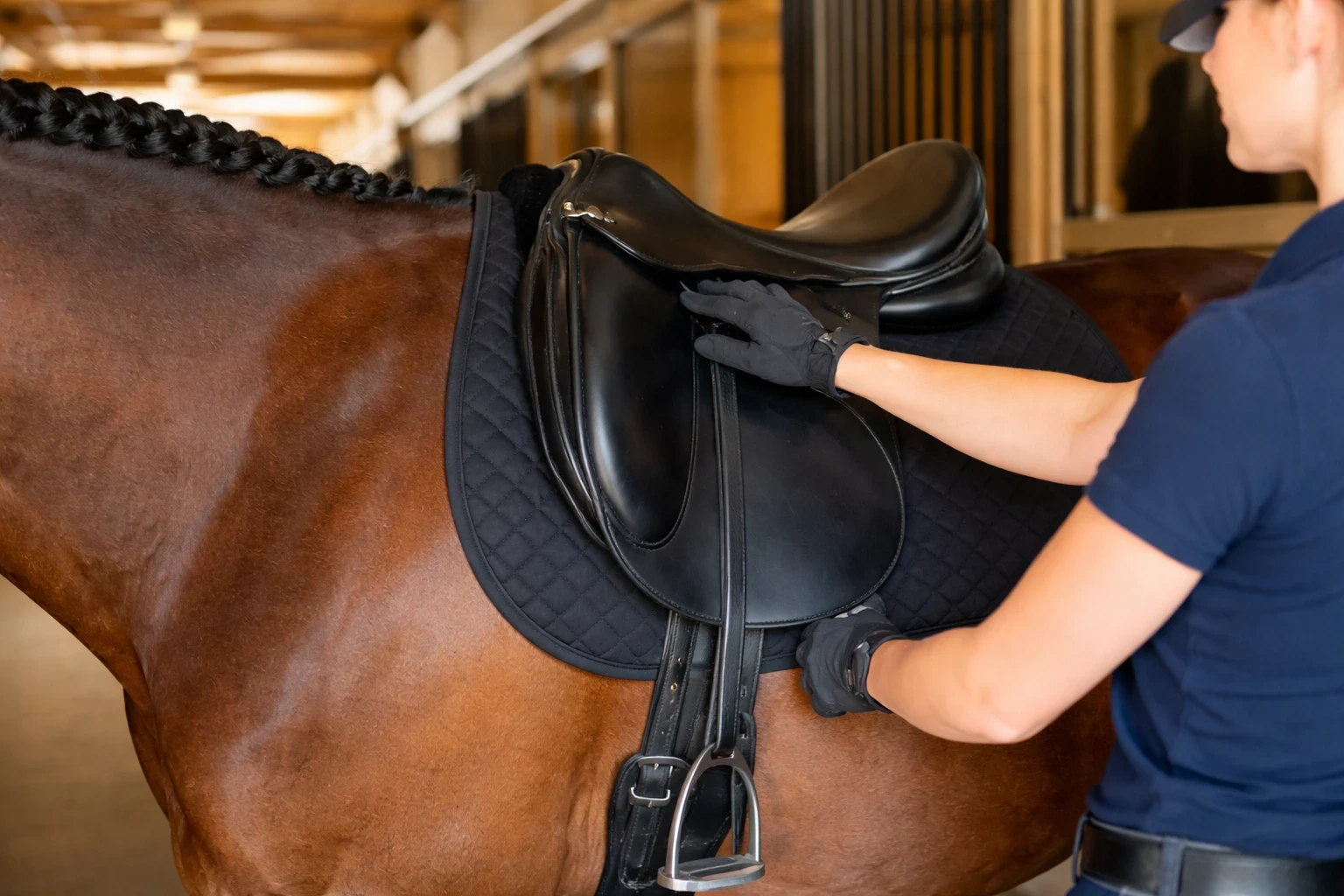
Dressage saddle fitting guide basics are easier to understand than many riders expect. Getting a dressage saddle to fit your horse correctly doesn’t have to feel overwhelming or complicated.
With a few simple checks and a clear understanding of how saddle fit works, you can prevent many of the discomfort issues that riders and horses commonly experience.
If you’re new to dressage saddles in general, you may also find my guide on how to choose the right English saddle tree type helpful before diving deeper into saddle fitting.
In this guide, I’ll walk you through the key things I look for when checking dressage saddle fit so you can feel more confident that both you and your horse are comfortable and balanced in the saddle.
Just a friendly heads up for transparency:
Some links on this website are affiliate links, which means I may earn a small commission if you make a purchase through them, at no additional cost to you. I only recommend products and resources that I genuinely believe are helpful for riders and safe for their horses..
Why Proper Dressage Saddle Fit Matters
How Poor Saddle Fit Affects Your Horse
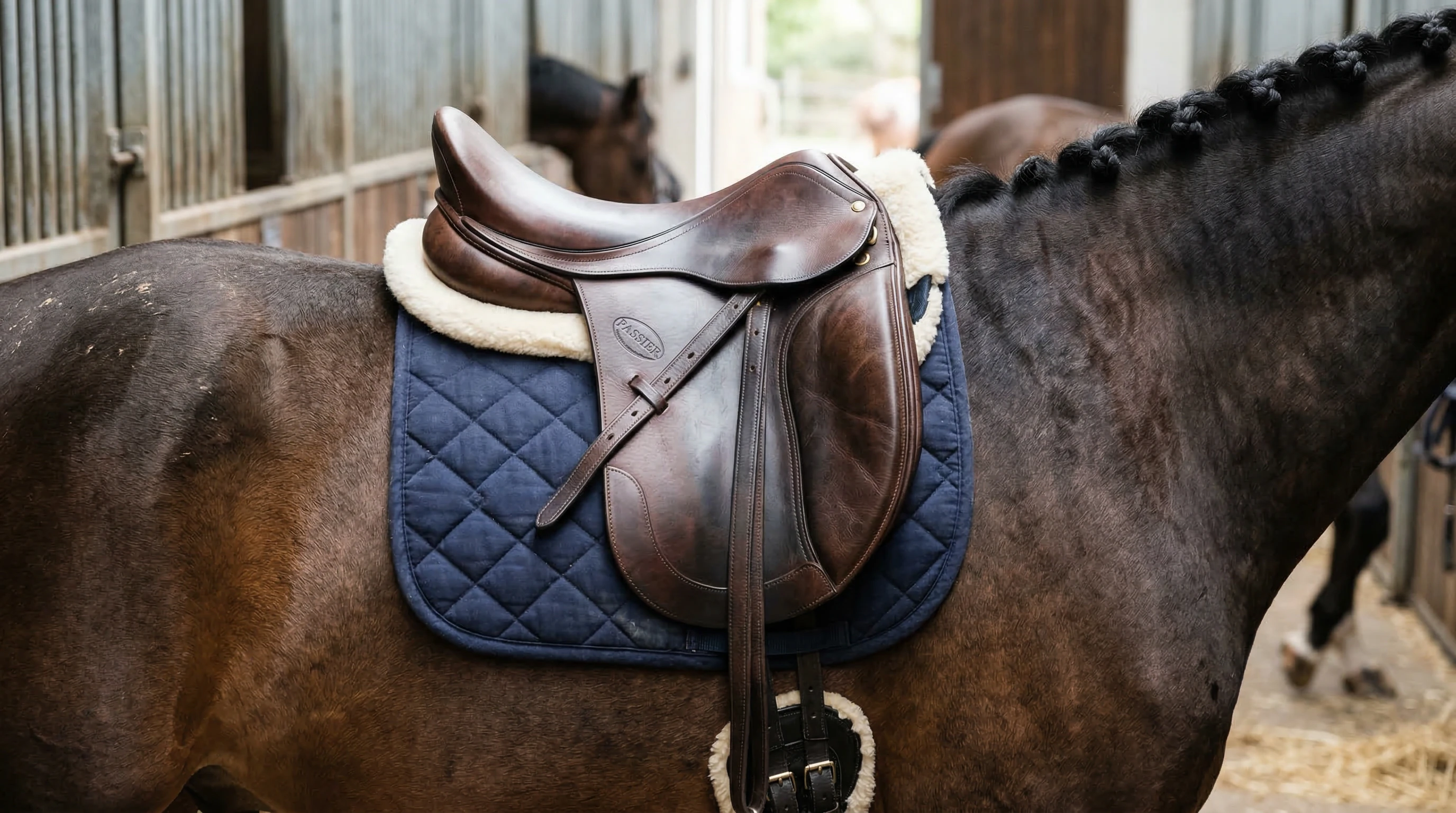
A saddle that doesn’t sit right leads to all sorts of physical problems for your horse. You might run into things like pressure points, nerves getting pinched, and restricted movement.
Personally, I’ve seen horses develop tender backs, white hair from chafing, and even cranky attitudes during rides—all because their saddle was the wrong size or shaped badly. It’s just about impossible for a horse to move freely if the saddle is digging in, pinching, or rocking side to side.
Signs Your Dressage Saddle May Not Fit Correctly
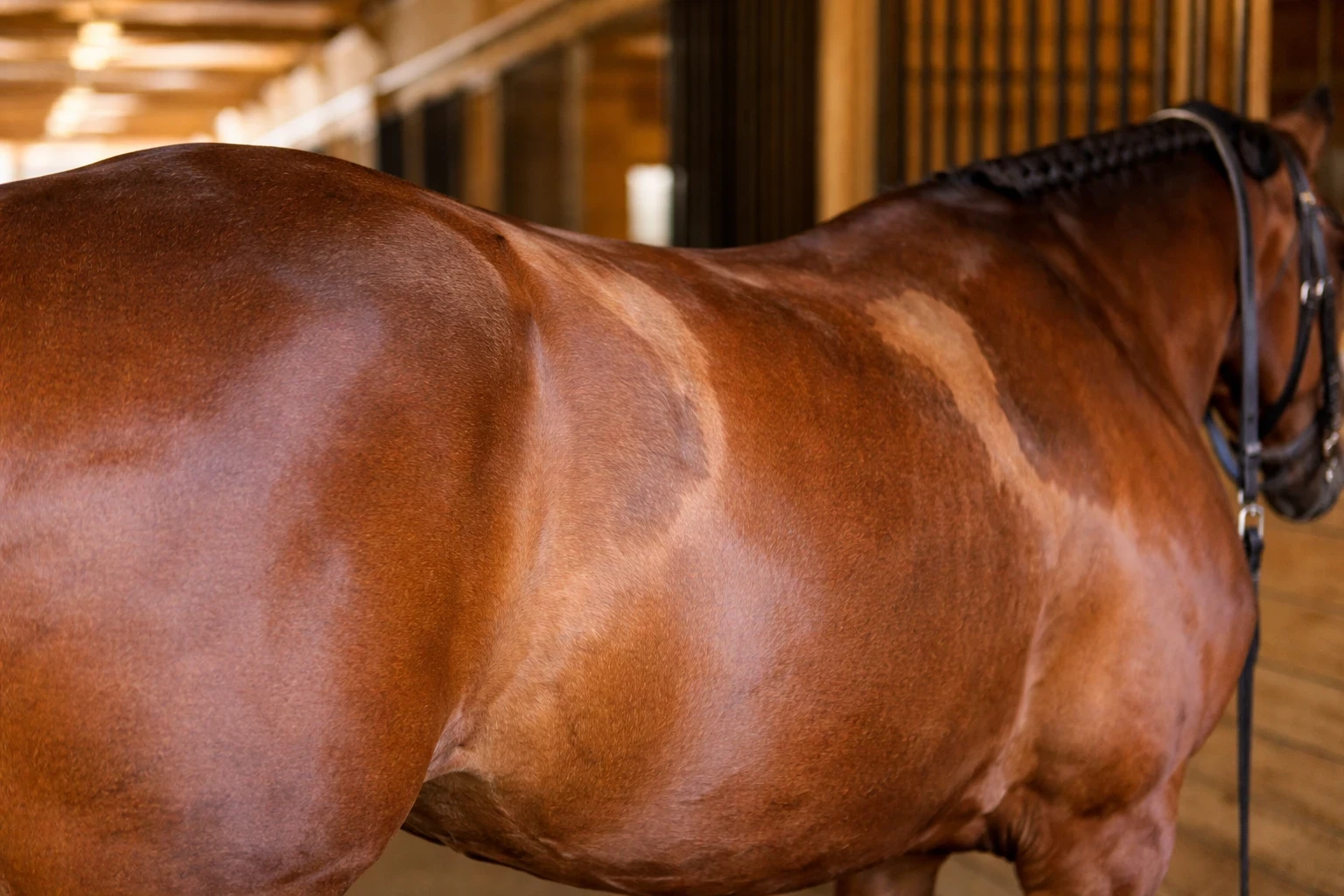
Notice if your horse gets grumpy when you’re tacking up, twitches or flinches as the saddle comes on, or seems less willing to move forward. Dry spots after riding (when the rest of the back is sweaty), uneven sweat marks, or sore areas along the spine are all clear signs something’s off. A saddle that doesn’t fit right can even make you, the rider, feel off-balance, and that sets up problems for your position too.
If you’re unsure whether the saddle itself is the issue, you may also want to read my detailed Crosby Dressage Saddle Review to see how saddle design and tree shape affect fit.
Why Dressage Saddles Require Precise Balance
Dressage saddles are designed for harmony and balance. Different from jumping saddles, which allow a bit of leeway because you’re out of the seat more, dressage saddles keep you deep and upright.
Any tilt forward, backward, or sideways interrupts your aids, making them less precise, and your horse can sense that immediately. Balance is at the heart of both comfort and effective communication.
Understanding Dressage Saddle Anatomy
The Tree and Why It Determines Fit
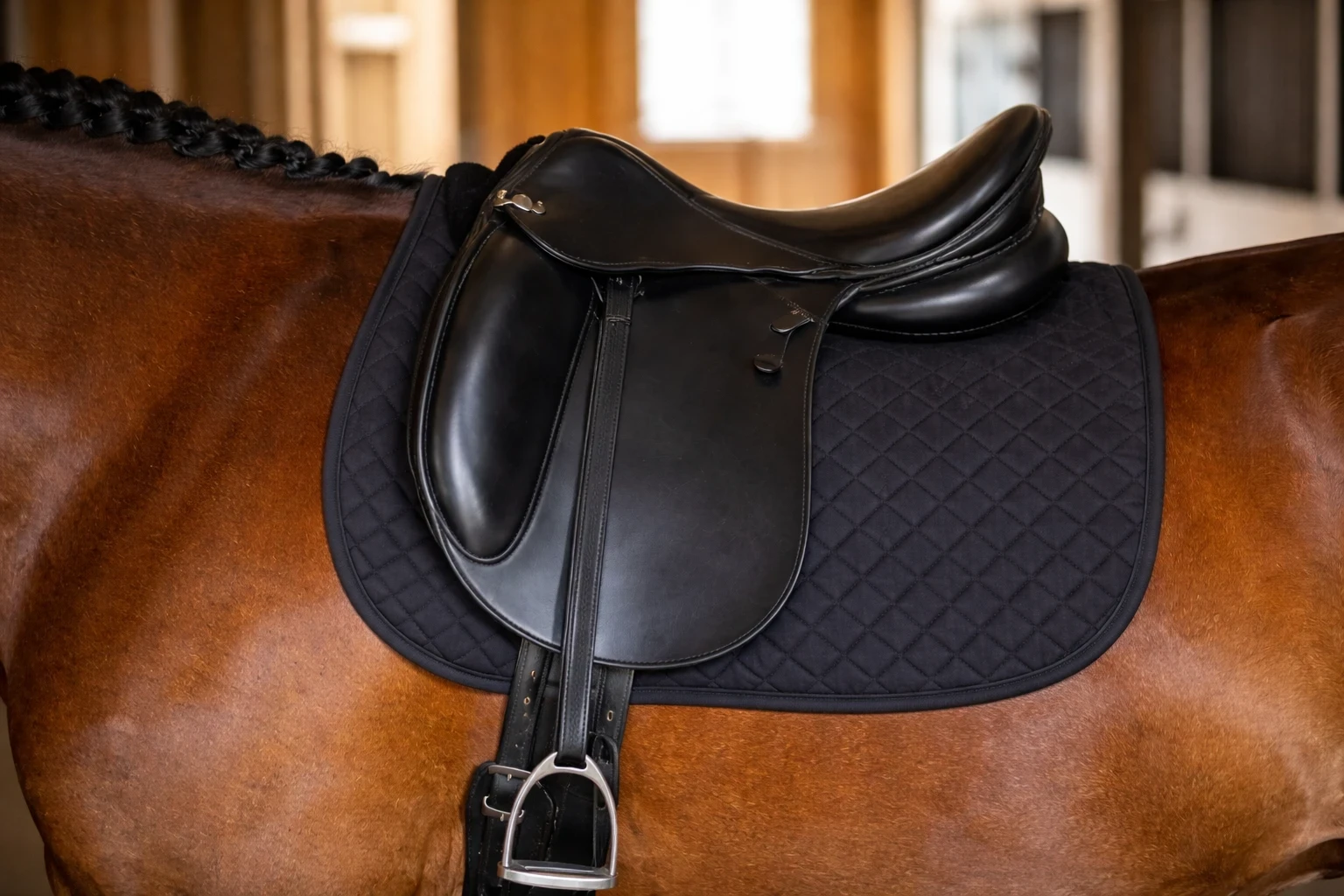
The tree is the rigid base of the saddle, setting the overall shape and width for everything else. If the tree’s too narrow or too wide, the rest simply can’t correct the fit.
When the tree matches your horse’s back, it helps prevent pressure spots and holds everything steady. You’ll find wood trees, more modern synthetic types, and some that even adjust. Getting this part right lays a good foundation for tweaking everything else.
Panels and Weight Distribution
Panels are the soft, padded sections that rest against your horse’s back. They’re meant to spread your weight out as evenly as possible, avoiding hard or floating “bridging” spots where the saddle doesn’t touch. Well-shaped panels protect your horse’s back muscles and spine from bruising or getting sore—this becomes even more important as horses work at higher levels and collect more during training.
Seat Size and Rider Balance
Your seat size is crucial for maintaining a relaxed yet deep position. Too small, and you’ll feel jammed up and hunched; too big, and you’ll slide around without much stability.
To start, measure from the pommel to the cantle and go from there. This simple step prevents a string of issues with your balance, posture, and effectiveness as a rider. Many riders also use a flexible saddle measuring tape to double-check seat size and saddle balance when evaluating fit.
Gullet Width and Wither Clearance
The gullet is the channel that runs under the saddle along your horse’s spine. It must be wide enough so the spine and withers don’t get pressured, but not so wide that the saddle rocks or sits unevenly. Go for a channel that stays consistently wide from front to back so your horse has the freedom to move and no uncomfortable pressure builds up through the ride.
Step-by-Step Dressage Saddle Fitting Guide
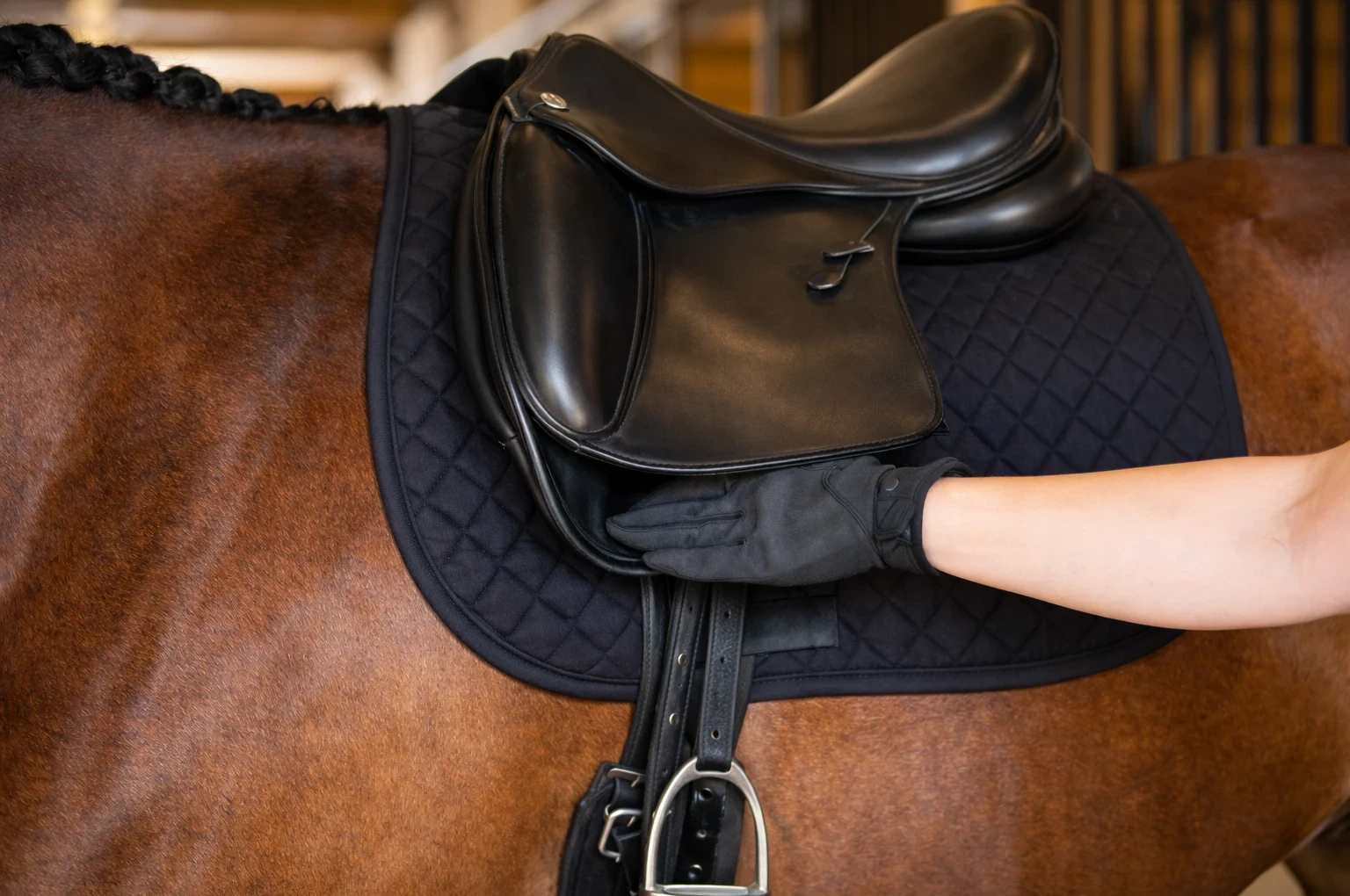
Step 1: Check the Tree Width
From above, the panels should sit parallel to your horse’s spine. Watch for spaces or pinched spots—press gently at the front and make sure the saddle cradles the withers, not squeezing or gaping.
Step 2: Evaluate Wither Clearance
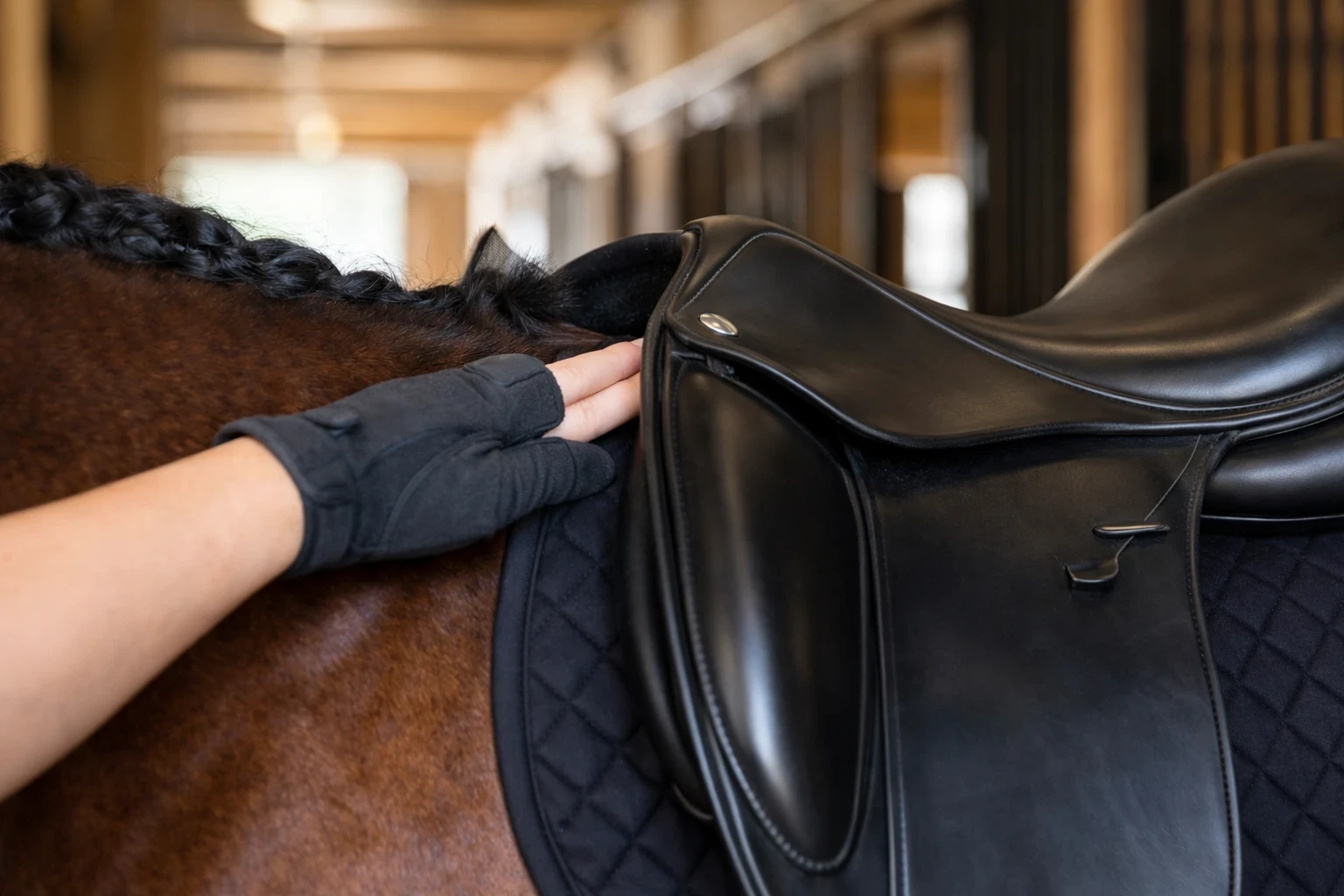
Always double-check that you have 2 to 3 fingers of space between the withers and the pommel once the saddle’s on and you’re mounted. Too little room, and rubbing becomes a real risk. Some riders find it helpful to use a saddle fitting gauge or wither tracing tool when checking clearance and tree width.
Step 3: Assess Panel Contact Along the Horse’s Back
Slide your hand down each panel once the girth is snug but before you get on. You should feel even, gentle contact all along, not tight pinch points by the shoulders or loins, and definitely not gaps along the muscles (bridging).
Step 4: Look for Saddle Balance
The deepest spot in the seat should be level. Visually check from pommel to cantle—consider using a pencil across the seat if you’re uncertain. A tilted saddle tips your position out of balance fast.
Step 5: Check Saddle Stability When Girthed
Secure the girth and then gently move the saddle side to side and back to front. The right fit stays put without rolling, tipping, or hiking up. If it moves, you might need adjustments or a different model.
Step 6: Confirm Proper Rider Seat Size
Sit in the saddle with your legs out of the stirrups. Leave about a hand’s space behind you before the cantle rises. If you feel scrunched or fall forward, a bigger or differently shaped seat is the way to go.
How to Check Saddle Fit While Riding
Signs the Saddle Allows Free Shoulder Movement
Watch your horse during warm-up. A saddle that fits lets their shoulders reach forward with long, swinging strides, especially at walk and trot. If you spot short or uneven steps, or if your horse seems to “protect” a shoulder on circles or turns, the saddle could be blocking free movement.
How Your Riding Position Should Feel
Your pelvis should relax, legs hanging underneath you, and your torso upright without tension. If you keep slipping forward or back, or if you twist to compensate, something’s likely off with the saddle balance.
Warning Signs During or After Riding
Check the sweat marks and coat after riding. A thin cotton saddle pad or plain square pad works best for evaluating saddle fit because it doesn’t interfere with panel contact.
Unusual dry spots, ruffled hair, or sore, reactive muscles are clear warnings. And if your horse is suddenly less willing or behaving out of character, always go back and check the saddle’s fit—it often solves the mystery!
Common Dressage Saddle Fitting Mistakes
Choosing a Saddle Based Only on Brand
It’s easy to want what’s popular, but big brand names don’t guarantee a good fit. Judge on saddle shape and build, not just the label. Need more insight? You can read my full reviews of the Crosby Dressage Saddle, the Collegiate Dressage Saddle, and the Wintec Isabell Icon Dressage Saddle to see how different saddle designs affect rider balance and horse comfort.
Ignoring Horse Conformation
Every horse’s back is unique. High withers, short backs, and really round barrels all call for different fits. Don’t rely on “medium tree” for every horse—snapping a few pictures and measuring helps you match the right tree shape for your horse.
Buying the Wrong Seat Size
I see lots of riders wedge into too-small seats just because it’s on sale or available quickly. Too-tight seats cramp your position and zap your comfort. Taking the extra time to size up or down pays off every ride.
Overlooking Panel Contact and Bridging
Gaps underneath (bridging) lead to sore spots and unhappy horses. Run your hand under the panels and check evenly, not just how it appears from above.
When to Adjust or Replace Your Dressage Saddle
When a Gullet Adjustment May Help
Many saddles now come with a gullet system you can modify. If your horse bulks up, loses weight, or goes through body changes, swapping the gullet plate can restore a great fit. Small changes here can save you from needing a whole new saddle—handy when your horse is still growing or moving up.
When Reflocking the Panels Is Needed
Over time wool flocking settles and goes lumpy or hard. A yearly or biannual reflock keeps the cushioning comfortable. If your saddle suddenly causes more fussing or you detect lumps, book a time with a saddle fitter and get the flock checked out. Proper leather care also helps maintain panel structure, so you may want to review my guide on how to care for a Crosby dressage saddle.
Signs It’s Time to Replace Your Saddle
There comes a point when old saddles just can’t be patched anymore. Cracked trees, warped panels, and serious structural problems mean it’s shopping time. Don’t keep riding an unstable or broken-down saddle—the issues for horse and rider just get worse.
Tips for Buying a Dressage Saddle That Fits
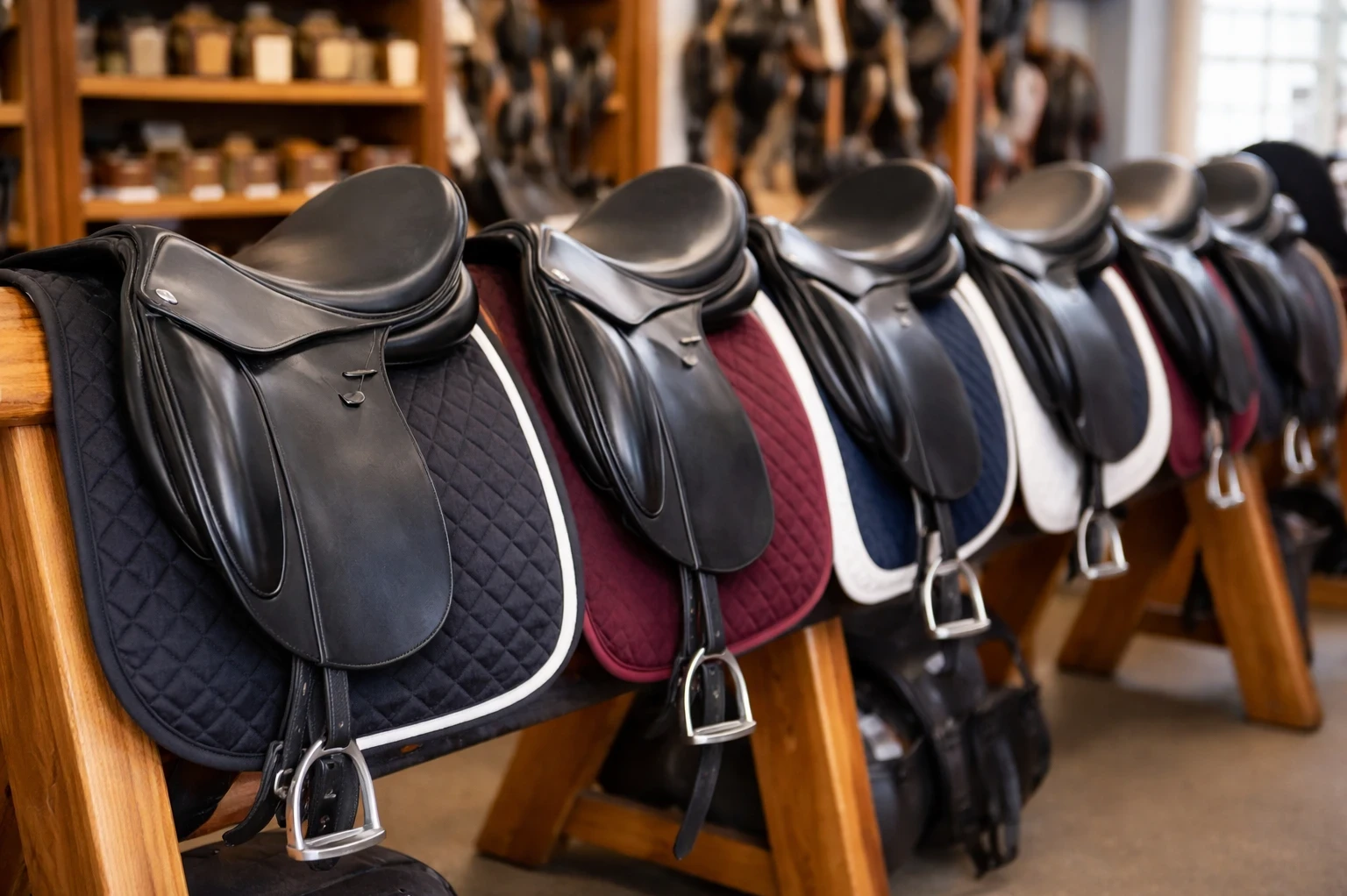
Start With Your Horse’s Back Shape
Get to know your horse’s back. Look for things like wither height, overall width, and how the back curves (topline). Narrow, round, flat, or high withered horses all need something different. For more detail, my guide on choosing an English saddle tree type can help you sort through options more easily.
Choose Adjustable Saddle Options
Models with adjustable gullets, moveable knee blocks, and soft panels give your budget more staying power—especially for young horses or those in heavy, changing work. It’s practical to check out adjustable saddles, so you’re not stuck buying again soon.
Saddles with interchangeable gullet systems are especially helpful for riders with young horses or horses whose shape changes with training and conditioning. Many modern saddles now allow you to swap gullet plates to fine-tune the tree width instead of replacing the entire saddle.
Models like the Wintec dressage saddles, Bates dressage saddles, and Arena dressage saddles are popular examples because they allow riders to adjust the fit as their horse develops.
Try Saddles Whenever Possible
Test ride saddles on your horse and yourself. Local tack shops and online sellers often offer demo programs. Trying different models in the saddle lets you feel what’s right instead of guessing from photos. Want to see adjustability in action? Read my review on the Arena Monoflap Dressage Saddle.
Dressage Saddle Fitting FAQ
How Much Wither Clearance Should a Dressage Saddle Have?
Aim for 2–3 finger widths of space between the withers and the pommel, whether you’re mounted or not. Any less, and the risk of rubbing or pressure increases, especially as your horse’s weight shifts or seasons change.
How Do I Know If My Saddle Is Too Narrow or Too Wide?
If a saddle is too narrow, it pinches—often showing up as dry patches or uneven sweat marks on the withers. If it’s too wide, it wobbles or drops onto the spine, sometimes resting on the withers during a ride. Both issues mean it’s time to pause and adjust or seek a better size.
Should a Dressage Saddle Sit Level?
Absolutely. The saddle should look and feel level from pommel to cantle when your horse is standing square. Seats that tip mess with your own balance and can make your horse cranky.
Can Saddle Pads Fix a Poor Saddle Fit?
Specialty pads may solve minor issues, but they can’t replace a saddle with a fundamentally wrong shape or tree. Get the main fit right first—good pads are just the finishing touch for comfort, not a solution for bad fit.
Final Thoughts on Dressage Saddle Fitting
Saddle fit isn’t a “set it and forget it” task. As horses’ shapes change with age, fitness, or season, it pays to check your saddle a few times per year. Especially when training intensity goes up or your horse gains muscle, a quick assessment can save both of you a lot of trouble. If you want more detail, check out the Dressage Saddle Fitting Guide for Adults or look at options for young riders over at How to Choose the Right English Saddle for My Child. No matter your skill level, focusing on these fit basics can lead to more comfort, confidence, and fun in every ride.