
The right saddle can make a huge difference in how you and your horse feel and perform during show jumping. The Arena monoflap jump saddle isn’t just stylish; it’s packed with smart features for comfort, control, and performance.
Jumping riders searching for a fresh edge in the arena will want to check out why this saddle is so popular in the show ring.
Just a quick heads-up for transparency: this article may include affiliate links. If you choose to buy through one of them, I may earn a small commission at no extra cost to you. It helps support CharmingCanters.com so I can keep creating helpful resources for parents and young riders.
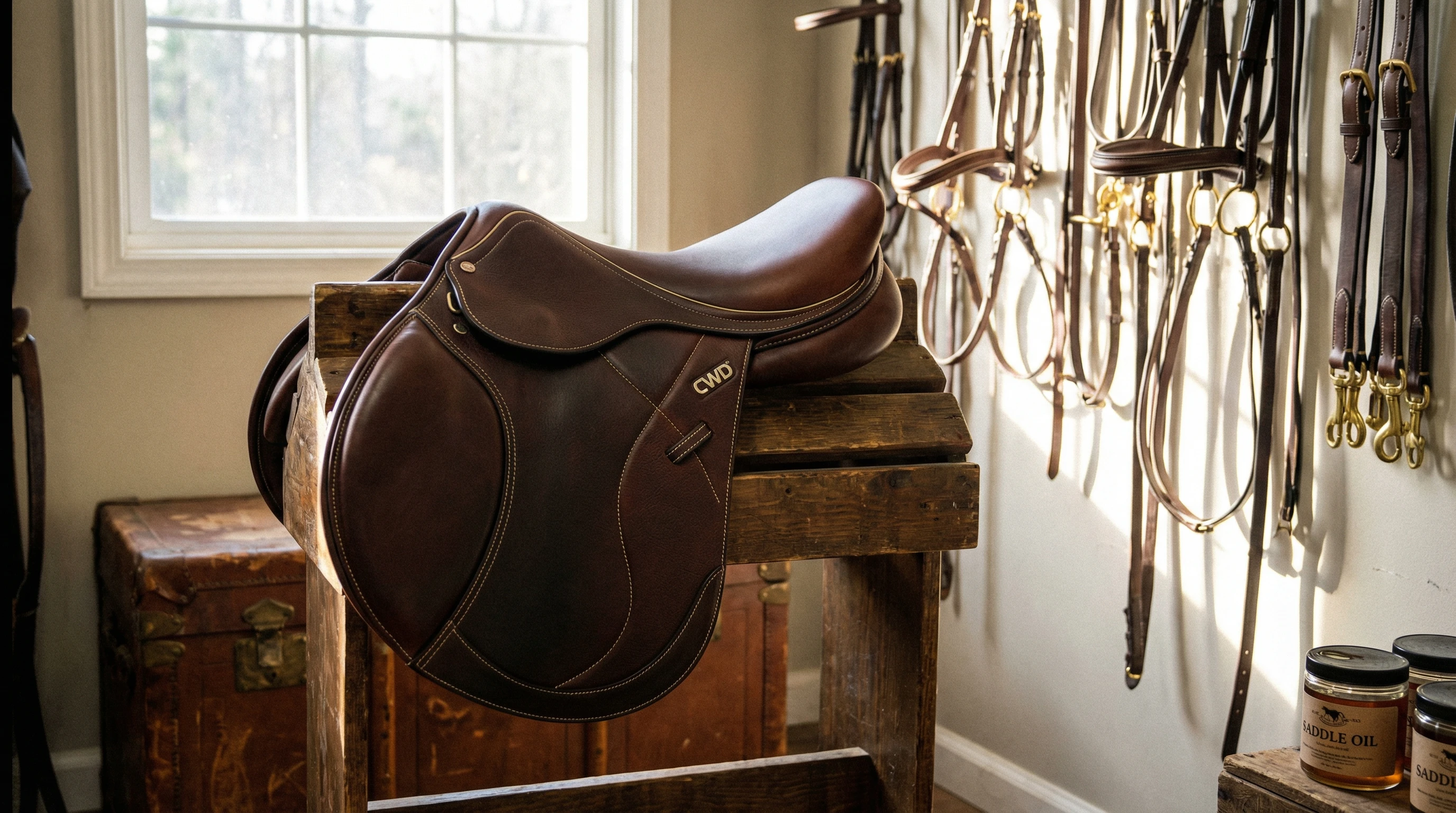
Who the Arena Monoflap Jump Saddle Is Designed For
The Arena monoflap jump saddle appeals to a wide range of show jumpers, mostly because of how well it blends technical features with everyday rideability. There are a few main types of riders who benefit most from this kind of saddle.
- Rider Level: If you’ve got a solid foundation in jumping or are competing at any level, the Arena monoflap’s features will feel pretty natural. Even ambitious amateurs and junior riders find it easy to settle into, thanks to its supportive blocks and secure feel. Complete beginners might find the security encouraging but could be better served by a more basic, general purpose saddle as they find their balance.
- Jumping Discipline Focus: This saddle is built for show jumping. Its forward flap, supportive knee blocks, and close contact design are all about getting you stable and secure over fences, from local hunter/jumper shows to the bigger heights of open classes.
- Competition vs Schooling Use: The Arena monoflap really shines in the ring, but it’s totally fine for tough schooling days, too. Because there’s less bulk and lots of adjustability, it stands up well to everyday ring work and grids as well as show day glory.
What Makes a Monoflap Saddle Different for Show Jumping
The term “monoflap” refers to the saddle having a single flap instead of two, which is the regular setup in most jump saddles. It’s a design that comes with a few fresh advantages for riders who want direct connection with their horse. I wrote a post, titled, Monoflap Jump Saddle Benefits – Why Riders Choose a Monoflap Design, which you may find helpful.
- Reduced Bulk Under the Leg: There’s just one layer (the flap), not two, between your leg and the horse. That means fewer moving parts, a lighter saddle, and way more feel. You can really sense what’s happening underneath you, especially when you need to quickly adjust your leg or seat mid course.
- Closer Contact and Quicker Aids: Direct communication through your lower leg helps with sharper transitions and leg aids. Everything you ask of your horse can be answered a little faster; this is a real bonus when you’re speeding around a timed jump off.
- Why This Matters Between Fences: When you’re galloping down lines or making tight rollback turns, staying with your horse’s motion (and staying out of their way) becomes a lot easier. Feeling every switch up underneath you can also help with confidence when you’re tackling bigger or trickier fences.
Another subtle advantage of monoflap saddles is their ease of maintenance. Fewer layers mean less leather to condition and clean, which is something busy riders and show teams can appreciate during a packed competition season.
The singular design can also shed a few ounces, which may not seem like much but adds up after a long day of rounds and warmups.
Key Features of the Arena Monoflap That Benefit Jump Riders
Let’s now check out the features you’ll really appreciate about the Arena monoflap jump saddle.
- Monoflap Construction: The single, slim flap gives you closer contact all the way down your leg and helps you get a better “lock” with your horse’s sides over fences. There’s less leather bunched up under your stirrup leathers, so you feel steady whether you’re in two point or deep in a landing.
- Block Placement and Leg Stability: The knee and thigh blocks are thoughtfully shaped and positioned to keep your leg right where you want it, but not too locked in. You get a secure base, and if your lower leg is prone to slipping forward or back when nerves hit, these blocks make it easier to stay centered without fighting the tack.
- Panel Design and Balance Over Fences: The panels (the padded part that sits on your horse’s back) are carefully shaped to keep your balance correct over the middle of the saddle, both on the flat and in the air. This helps you maintain a good position over every jump, even if your horse gets quick or deep to the base.
Besides those standouts, the adjustable gullet system is a major bonus. Horses can change shape, especially when moving up divisions or as their fitness improves. Being able to make quick fit tweaks with a simple tool adds even more usability, whether you’re riding your own horse or catch riding at shows. Read my post on why adjustable jump saddles makes sense for growing kids.
How the Arena Monoflap Supports Rider Position Over Jumps
If you’re hitting fences over 2’6”, your position really starts to matter, both for looks and for keeping your horse happy.
- Hip Angle and Lower-Leg Security: The Arena monoflap’s forward cut flap helps you keep your hip angle nicely closed over fences without jamming your knee up too high. This means you can stay balanced over bigger oxers and combinations without fighting the tack for the right feel.
- Balance on Takeoff and Landing: The streamlined design naturally encourages your weight to stay down through your heels, anchoring you for smoother takeoffs and landings. If you’ve ever felt yourself get left behind or pitch forward, a well balanced saddle like this can help a lot.
- Rider Confidence at Height: Knowing you have a saddle that’s designed to hold you in the sweet spot builds a ton of mental confidence when you’re asking for tighter turns, bigger heights, or riskier lines. Even at speed, you won’t feel like you’re sliding around. This lets you focus on your round rather than adjusting your seat after every jump.
Some riders also report that this kind of setup helps with recovery between fences, as your body doesn’t have to fight to get back into the right posture. Over the course of tough courses or jump offs, you’ll notice less fatigue setting in.
Horse Comfort and Freedom of Movement
It’s easy to focus only on your own comfort, but your horse’s comfort matters just as much, especially if you’re asking them to jump repeatedly. Fit for your horse is just as important. That’s why I wrote a post, How to Properly Fit an Arena Monoflap Jump Saddle for Your Horse.
- Shoulder Freedom: The short panels and wide channel mean your horse’s shoulder blades have room to move. This is especially good news for horses who are built broad in the front or those that tend to get tight in their shoulders with a traditional double flap saddle.
- Panel Contact: Wool flocked, shaped panels mean better pressure distribution. Even if your horse has a tricky back or tends to get sore easily, the contact is soft and stable, not pinchy or heavy.
- Why This Matters for Repeated Courses: Horses jumping multiple classes or working hard at home are less likely to get sore or tight. You’ll probably spot a happier attitude and less resistance, which really adds up across a long show season.
A supportive, well-fitting saddle can also help encourage freedom through the horse’s back, leading to better jumping style and a more relaxed outline on the flat. For riders competing often, these little differences can translate to more consistent rounds and potentially higher placings.
Arena Monoflap vs Traditional Double Flap Jump Saddles
Wondering if the switch to a monoflap is really worth it? Here’s how the Arena monoflap compares to the traditional double flap design.
- Feel and Contact: The close contact feel with the monoflap is miles ahead. If you ride lots of different horses or need quick adjustments between rails, you’ll appreciate the uptick in sensitivity and connection.
- Weight and Bulk: The Arena monoflap is usually lighter, making it a great pick if you have to haul tack around at shows or want to save your horse’s back during longer warm ups.
- Who Should (and Shouldn’t) Switch: If you prioritize maximum feel and your horse jumps better with a lighter saddle, it’s worth checking out. For super novices, sometimes the extra structure in a double flap saddle feels more familiar, or if you want classic use for flat, jumping, and hacking, stick with what you know until you’re ready for an upgrade.
Keep in mind that some eventers and foxhunters also gravitate toward monoflap saddles because they like the feel on cross country courses. However, if your riding is more recreational or if you spend equal time on flatwork as well as jumps, test riding both styles will help you make the best choice.
Is the Arena Monoflap Right for Your Show Jumping Goals?
Deciding if this saddle suits you (and your horse) comes down to how you like to ride and compete. I wrote post, How to Choose an Arena Monoflap Jump Saddle, which you’ll find very helpful.
- Ideal Scenarios: Ambitious jumpers aiming for a secure leg, clear aids, and better feel are a great fit. Horses that are sensitive in the shoulders or backs usually love the softer contact and freedom, too.
- When Another Saddle Might Be Better: If you need a saddle for trail riding, lower level flatwork, or you swap between multiple disciplines, you might prefer a more classic jump or general purpose saddle for now.
- Trial and Fitting Advice: Even though the Arena monoflap is super adjustable with its easy change gullet system, it’s always smart to ride in a couple of options before you commit. Many tack shops offer trial programs, so you and your horse can get a real feel for what works best. Getting feedback from an experienced fitter can also boost your confidence in the final choice.
Budget also plays a role. While the Arena monoflap represents a mid range investment, the performance and adaptiveness it brings to your riding routine may make the cost worthwhile if you’re committed to climbing the ranks of competitive jumping.
Prioritize comfort for both you and your horse, but don’t overlook the style factor; after all, looking sharp in the ring is part of the fun of showing.
Final Thoughts: When the Arena Monoflap Truly Shines in the Ring
When performance, feel, and balance truly matter, the Arena monoflap jump saddle stands out as a thoughtful choice for riders who want closer contact without sacrificing comfort—for themselves or their horse. If you’re considering this style, your next best step is understanding how to choose an Arena monoflap jump saddle that truly fits your riding goals and your horse’s conformation. The right saddle doesn’t just support your position over fences—it helps your horse move freely and confidently, round after round, so both of you can perform at your best in the ring.
Hello Shalisha,
This article really clicked with me because I’ve always been curious about what makes a monoflap saddle feel so different in the show ring, and you explained it in a way that actually makes sense without sounding like gearhead jargon. I love that you focused on the riding feel, like how the closer contact and lighter design can help with balance and communication — because that’s the part that actually matters when you’re out there jumping and trying to stay in sync with your horse. It made me want to try one for myself instead of just assuming all jumping saddles are the same. I’m also wondering if riders who switch from a traditional saddle notice that difference immediately or if it takes a few rides to feel comfortable with the change, because that’s always the part that makes me hesitate before trying new tack!
Angela M 🙂
Angela, I love this question because it’s exactly what most riders are quietly wondering before they make the switch.
Yes — most riders do notice the difference right away when they first sit in a monoflap. The closer contact feel is immediate. You’re suddenly a bit more “connected” to your horse’s movement, especially through your thigh and lower leg. For some riders, that feels amazing from the first stride — lighter, freer, and more in sync over fences.
That said, feeling comfortable and confident can take a few rides.
If you’re coming from a more traditional double-flap jump saddle, the monoflap can initially feel:
Slightly more open in the hip
A bit more exposed (because there’s less bulk between you and the horse)
Different in where your leg naturally rests
But here’s the encouraging part: most riders adapt quickly — usually within a handful of rides. Your muscle memory just recalibrates. Once that adjustment happens, many riders say they don’t want to go back because they love how clearly they can feel their horse’s balance and rhythm, especially in tight turns and related distances.
If you’re hesitant, a short trial ride (even just flatwork first) can tell you a lot. You’ll know pretty quickly whether that close-contact feel clicks with you.
And I’m with you — trying new tack can feel like a leap of faith. But sometimes that subtle shift in feel is exactly what unlocks that extra bit of harmony in the show ring.