
Finding a saddle that really works for your Arabian isn’t always as simple as picking the right color. These horses have a pretty unique body shape, and that can make saddle fitting quite the puzzle.
I’ve spent years riding Arabians and working with professional saddle fitters, so I know just how important comfort and performance are for these beautiful animals. In fact, I wrote a post that will be helpful for you to understand how English saddle sizing really works.
Here are my top saddle fitting tips for Arabian horses, especially for those of us who ride English.
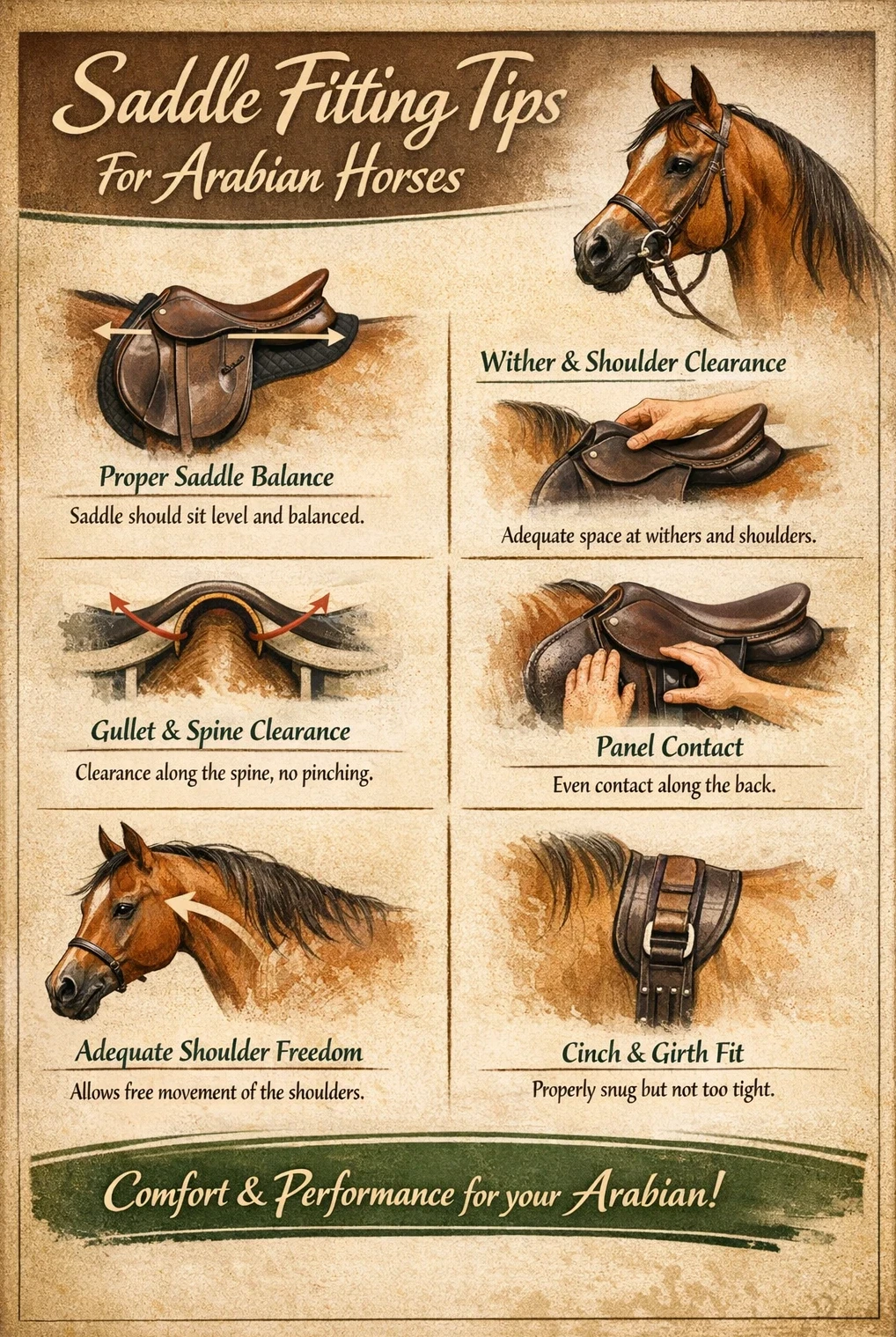
Top Saddle Fitting Concerns for Arabian Horses
Arabians bring a lot of character and energy to the arena, but they also bring some pretty specific fitting challenges. Their high withers, sloped shoulders, flatter backs, and shorter coupling mean not every off the rack saddle is going to fit like a glove.
Check out my post, “How to choose the Best English Saddle for High Withers” to learn more about basic English saddle fit principles.
- Wither Clearance: Arabians often have more pronounced withers, so making sure the saddle sits high enough to avoid pinching or rubbing is super important for their comfort.
- Saddle Balance: When the saddle tilts forward or backward, it can put too much weight in the wrong spot. For Arabians, that’s often caused by an ill-matched tree shape or panel design.
- Tree Shape vs. Tree Width: While it’s tempting to think “wide tree for a wide ribcage,” Arabians usually need a curvy tree and the right shoulder angle, not just extra width.
- Panel Length: An Arabian’s back is often shorter than other breeds. Saddles that stretch too far behind the last rib can cause discomfort and even lead to behavioral issues.
- Saddle Stability: Saddles that slide forward or even twist side to side can be common if the fit isn’t right. A flatter back paired with a sloping shoulder means the saddle can move more than you’d expect.
Breaking Down Key Questions and Misconceptions
I’ve noticed some common worries and questions among Arabian owners; many of which I’ve asked myself in the past. Here’s what I’ve found:
Will This Saddle Clear My Arabian’s High Withers?
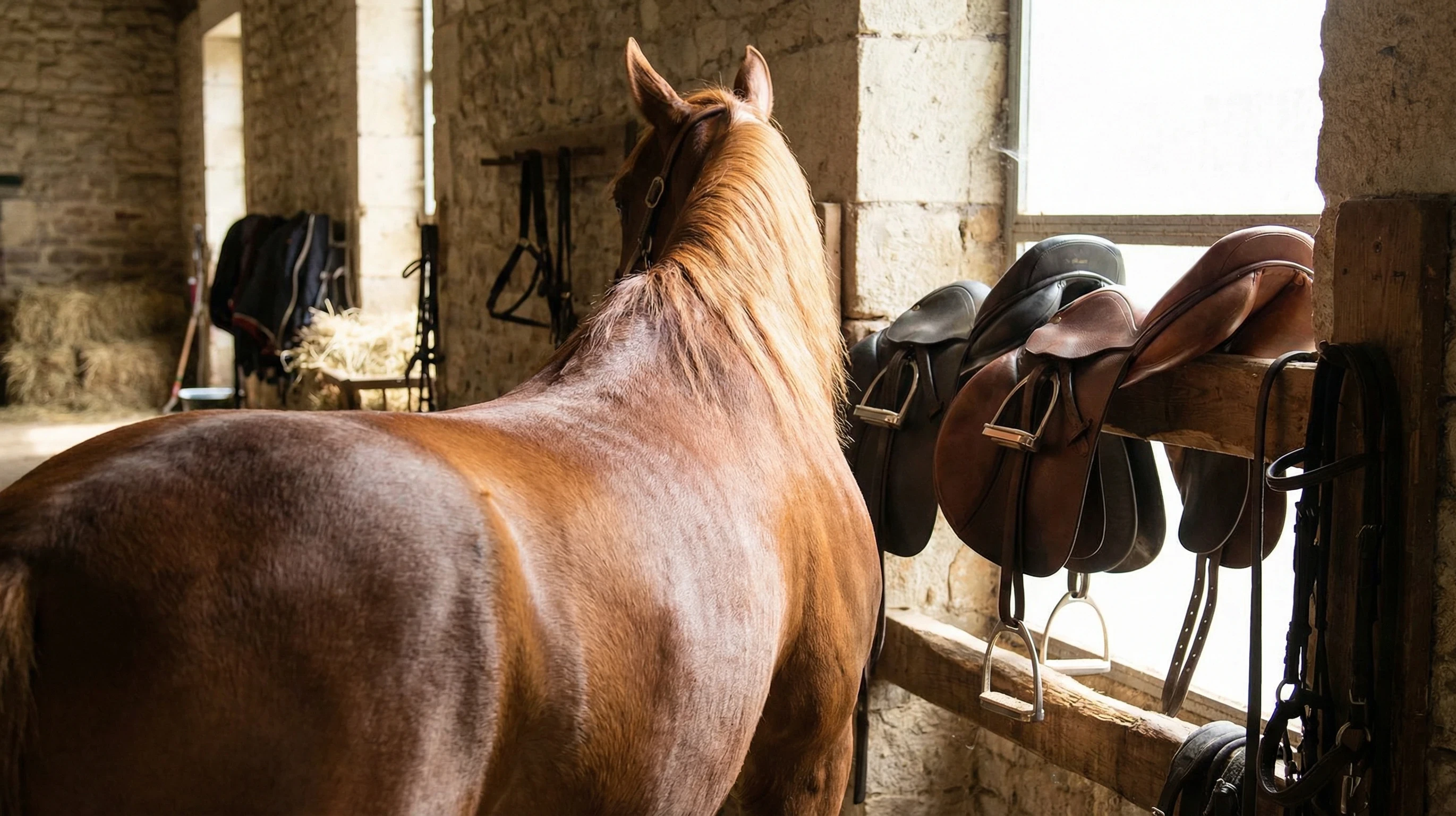
Arabians almost always need extra clearance in the gullet area to keep the saddle from rubbing or pinching the withers. But I learned not to go too high, as an overly high pommel can tip the balance backward and pinch somewhere else instead. Try to keep a two to three finger gap when you’re both mounted and unmounted.
Why Do Saddles Slide Forward So Much?
Saddle slipping happens all the time with Arabians, and it’s mostly because of their shoulder angle and flatter back. Choosing a saddle with a tree that matches the shoulder slope and some curve through the panels keeps it from drifting forward during rides.
Wide Tree or Curvy Tree?
I used to think a wide tree was always the answer, but the real trick is matching the curve and angle of your horse’s back and shoulders—not just going wider. A saddle fitter can usually help you figure out exactly what shape works best for your individual horse.
Avoiding Pressure Points Along the Spine
Arabians can have very sensitive backs, so narrow gullet channels or panels that bridge in the middle can easily cause soreness. I always check that the channel is at least as wide as my horse’s spine plus a couple of fingers, especially for those with a shorter coupling. If you have doubts, ask a professional fitter to give your saddle a once-over during your next visit.
Can a Saddle Be Too Long?
Absolutely. If you run your hand down your Arabian’s side, you’ll quickly find that some English saddles go past the last rib. When a saddle is too long, I usually notice my horse shortens his stride, gets a bit cranky, or doesn’t want to bend properly. Over time, a long saddle can also impact your horse’s willingness to pick up a canter or make sharp turns, especially in tight spaces.
How Panel Materials Affect Fit: Wool vs. Foam for Arabians
A lot of folks ask me whether wool flocking or foam panels work better. Wool flocking tends to be more adjustable, which is handy if your Arabian’s shape changes through the season or conditioning.
Foam is a little more forgiving out of the box, but doesn’t allow for as much fine tuning. I generally recommend wool for owners who plan to ride often and want to extend the life of their saddle through occasional refitting.
Of course, foam has its benefits for lighter riders who prefer a bit of cushion without annual flocking adjustments, so weigh your needs before making a decision.
Wither Clearance or Shoulder Freedom: What’s More Important?
I hear this one a lot. Both are really important. But it’s easy to give your Arabian good wither clearance while making the shoulder area too tight, or vice versa.
The sweet spot is a saddle that offers just enough width and an open front panel to let the shoulder move, without sinking into the withers or sliding up onto them. That’s where a knowledgeable saddle fitter earns their money.
Remember, a horse that moves freely through the shoulder will have a smoother stride and better attitude overall.
Panel Shape and Saddle Discipline
Arabians’ short backs can limit saddle styles, especially for things like dressage or deep seat models with long panels. I usually go for saddles with more compact panels and upswept rear ends for better maneuverability and fit.
You’ll find this post helpful on dressage saddle balance and fit.
This makes it easier for your horse to collect himself without pressure on his loins, and it also helps the rider sit closer to the horse’s center of gravity, which is key for clear communication.
Static Saddle Fit vs. Ride-Time Fit
It’s really common for a saddle to look great in the tack shop or on your horse when standing. But then feel totally different under saddle. Arabian backs tend to flex and move a lot.
So watch your horse go and check the fit after a light ride.
That extra movement can reveal pinch points or pressure areas you wouldn’t spot otherwise. Don’t be afraid to ride in a trial saddle and reassess, or even film yourself to spot subtle changes in your horse’s behavior.
Pad or Shim Fixes: Quick Adjustment or Red Flag?
A good half pad or shim can help adjust a saddle that’s just slightly off, especially if your Arabian is going through a fitness change. However, if you’re constantly changing your padding setup just to keep your horse happy, it’s probably time to revisit the saddle fit completely.
Relying on too many pads can actually create pressure points and lead to further discomfort, so use shims as a temporary tweak, not a permanent solution.
How Often to Re-Check Saddle Fit on Your Arabian
Arabians can change shape quickly, especially with a change in work schedule or diet. I recommend checking for signs of fit issues every couple of months if you’re riding consistently, and more often during a big fitness gain or weight change.
Regular grooming sessions are a good time to look for rubs or dry spots where the saddle sits—these are clues that it’s time for an adjustment.
Adjustable Tree Saddles: Worth It for Arabians?
Adjustable tree saddles, like those with interchangeable gullets, sound pretty handy. They’re useful, but keep in mind that changing width isn’t the same as changing tree shape.
My post might be helpful on adjustable vs fixed tree English saddles.
If your Arabian has a wide but curvy back, a straight, wide gullet might not cut it. These saddles can be a great starting point, but nothing tops a tree with the right shape and panel setup from the start.
Behavioral Signs of Saddle Discomfort
Arabians usually let you know pretty clearly when something’s not right. Some things to watch for: shorter strides, hollowing, tail swishing, ear pinning, girthiness, or stubbornness about bending or picking up a lead.
When my horse started showing these signs, a saddle tweak often made all the difference. Don’t ignore subtle mood shifts—a grumpy ride now can turn into a real issue if left unchecked.
Rider Fit vs. Horse Fit: Finding the Right Balance
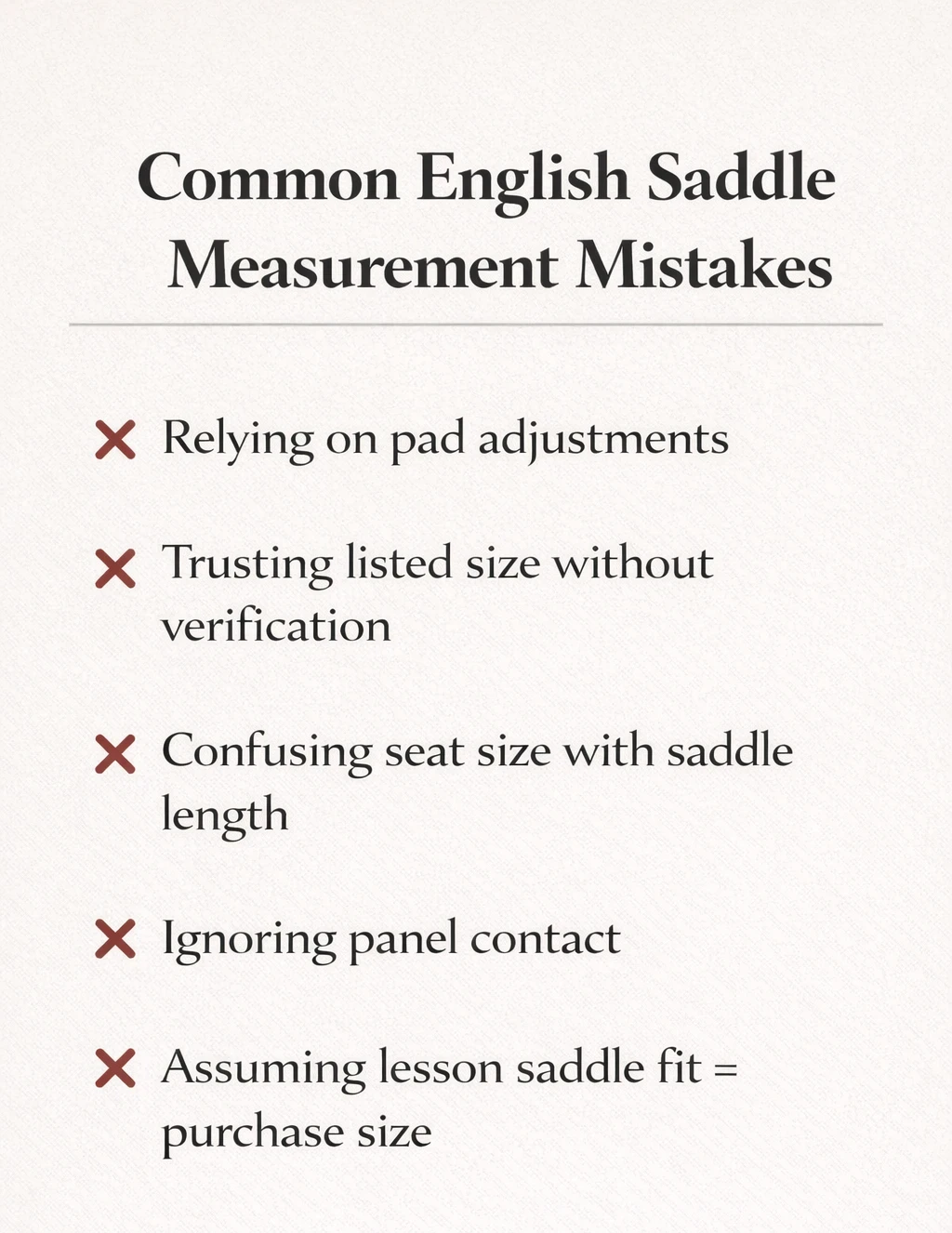
Sometimes you have to compromise on seat size, flap length, or style when fitting a shorter backed Arabian.
If you’re a taller rider, this can be a tough topic. Personally, I choose my horse’s comfort first and then find creative ways to get my own balance, like half seats or close contact designs, so both of us stay happy.
Try different stirrup lengths and saddle types on a few practice rides; even small tweaks can help you feel secure without sacrificing your horse’s well-being.
Common Questions Arabian Owners Ask
- Can I use a regular English saddle on my Arabian?
Some regular English saddles work fine, but most Arabians need a specific tree shape and shorter panel to avoid pressure and sliding. - How do I know if my Arabian is sore from the saddle?
Look for resistance to saddling, cold backing, shortened stride, exaggerated movement, or behavioral changes under saddle. If you spot hair loss or uneven sweat marks, it’s another sign the fit isn’t quite right. - What’s the best girthing system for Arabians?
Wide, contoured girths or three billet “V” systems can help with sliding and offer even pressure distribution for Arabians. - Should I use a half pad all the time?
Occasionally, yes, but relying on extra pads might hide a bigger saddle fit problem. Try to fix the main issue rather than patching it over unless your horse has a temporary sore spot or build change. - Does the brand really matter?
Some brands make trees and panels better suited to Arabians, but always check fit on your individual horse. Don’t be sold just on a label; every horse is unique.
FAQ: Arabian Saddle Fitting Essentials
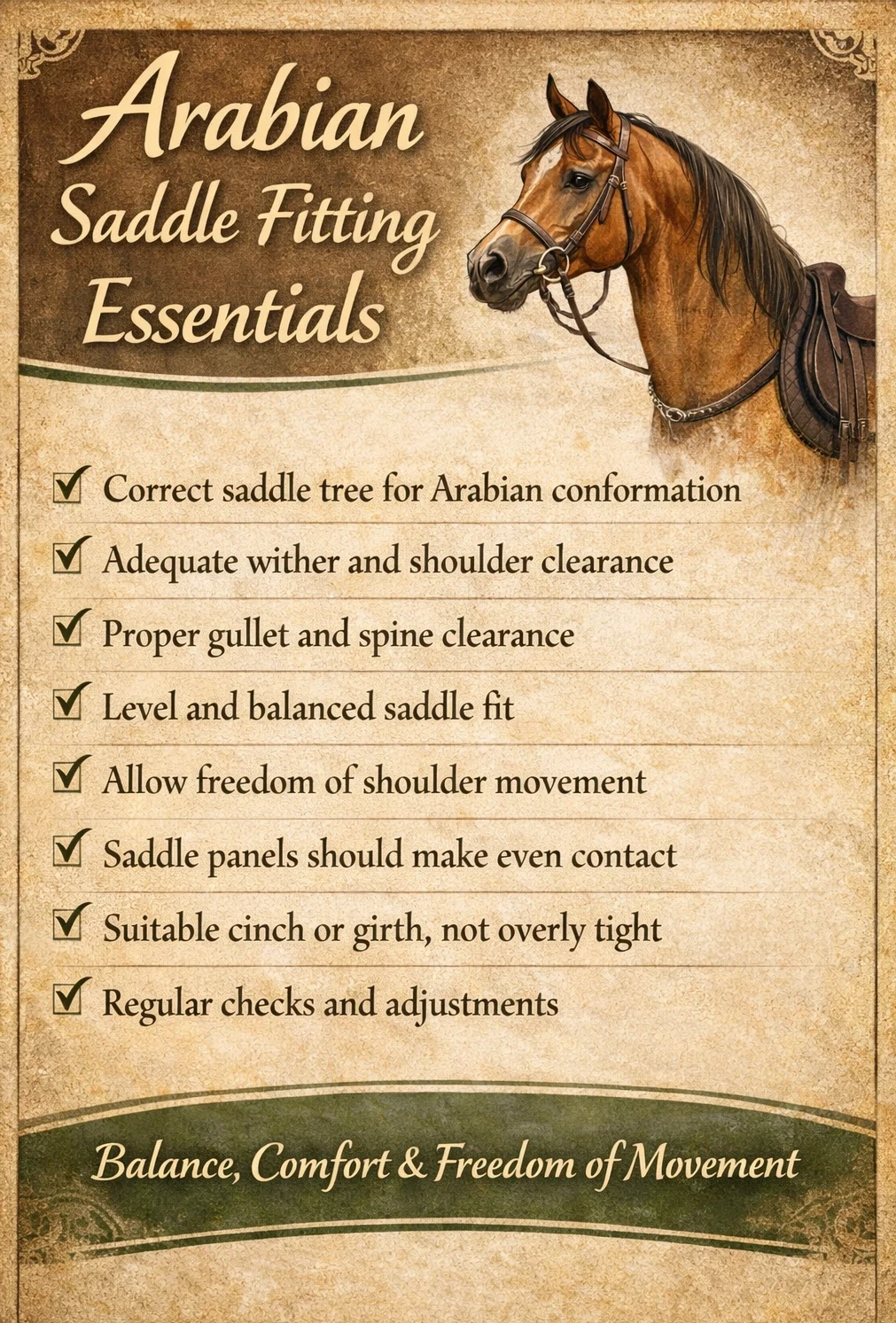
What’s the top thing to look for first in an English saddle for Arabians?
Start with wither and shoulder clearance, then check panel length. Make sure the tree shape matches your horse’s back curve, not just the width.
Can I fit an Arabian myself without a saddle fitter?
It’s possible, but getting a professional out at the beginning can save a lot of headaches. Even having a fitter do a one time check gives you useful reference points for future fits. Remember, what looks good in the barn might ride differently than expected.
When should I replace my saddle or get it re fitted?
If your horse’s shape changes from age, fitness, or weight gain or loss, or if you see any signs of discomfort, check your saddle right away. Otherwise, revisit every six months to a year for peace of mind.
English Saddles Worth Checking Out For Arabians
I’ve had the best experience with these brands making saddles that work well for Arabians (always double check fit on your horse):
- Wintec: The high wither models and adjustable trees are pretty adaptable and budget friendly.
- Pessoa: XCH (changeable gullet) saddles offer lots of panel and tree shapes that tend to stay secure on shorter backed horses.
- Arena: These feature open heads and slightly upswept panels which suit many Arabians’ body types; plus they’re easy to adjust by a professional.
- Circle Y: While better known for western tack, their English endurance and trail models often have compact panels and flexible trees that Arabians seem to like.
- Big Horn: English trail and endurance saddles from Big Horn can be worth a test, particularly if you do a lot of long rides or need a wider channel.
Choosing the right saddle for your Arabian is mostly about reading your horse, staying flexible, and working with a professional fitter when you can. Comfort comes first, and when your horse feels good, every ride just gets better.
Remember, a happy Arabian is a willing partner on every ride. Your saddle fit is the foundation for that connection.
Was this post helpful? If so, please leave your comments below. I love hearing from you.
Thanks for this helpful guide on saddle fitting for Arabian horses! I’m curious though, do you find that the fitting principles you talked about for Arabians apply equally well to other types of horses? For example, would the same saddle features work for thicker-backed stock horses, draft crosses, or Thoroughbreds with flatter backs? Are there key things you look for that change depending on the breed or body type? Thanks again!
Hi Kevin. Thanks so much for your comment — I’m really glad you found the guide helpful!
Great question! While the core saddle-fitting principles (like proper weight distribution, clearance for the withers, and a balanced rider position) apply to all horses, the specific saddle features that work best can definitely vary by breed and body type.
For example:
Thicker-backed stock horses often benefit from wider tree widths and a different panel shape to match their broader shoulders and shorter backs.
Draft crosses may need even more room through the shoulder and a panel that accommodates heavier muscle mass.
Thoroughbreds and flatter-backed breeds usually fit better in narrower trees with panels that support a flatter topline.
So yes — the basic fitting goals stay the same, but the details do change depending on the horse’s build. I’ll be diving into breed-specific fitting tips in a future post, so stay tuned!
Thanks again for reading and for the great question!
I really appreciated your detailed tips on saddle fitting for Arabian horses. It’s so helpful how you break down specific concerns like wither clearance, tree shape, and panel length, especially since Arabians often have such unique back profiles compared to other breeds. I also liked the discussion about wool versus foam panels, and the emphasis on watching your horse move under saddle rather than just doing a static fit. I’m curious, do you have any advice on how often you personally check a saddle fit on your own Arabian throughout the year as their condition changes with work and season?
Hi Hanna.
I’m glad the article helped clarify fit concerns that are especially common with Arabians — their beautiful but unique toplines definitely deserve careful attention, and you’re right that things like wither clearance, tree shape, and panel length make a big difference.
You also nailed one of the key points I try to emphasize: watching how the horse moves under saddle often tells you more than any tape measure ever will. Changes in muscle tone, topline development, and even seasonal weight shifts can subtly affect how a saddle feels and performs.
As for checking fit throughout the year, a quick routine check-in every time the workload or body condition changes — for many of Arabian owners that ends up being every few months or with each season change. Before and after riding, just a few minutes of scanning for even sweat patterns, checking clearances, and watching how the horse steps off can highlight shifts early on.
For deeper assessments, I take a closer look after changes in training intensity, weight, or muscle shape.
Thanks again for reading so closely and for such a great question — you’re definitely thinking along the right lines!