
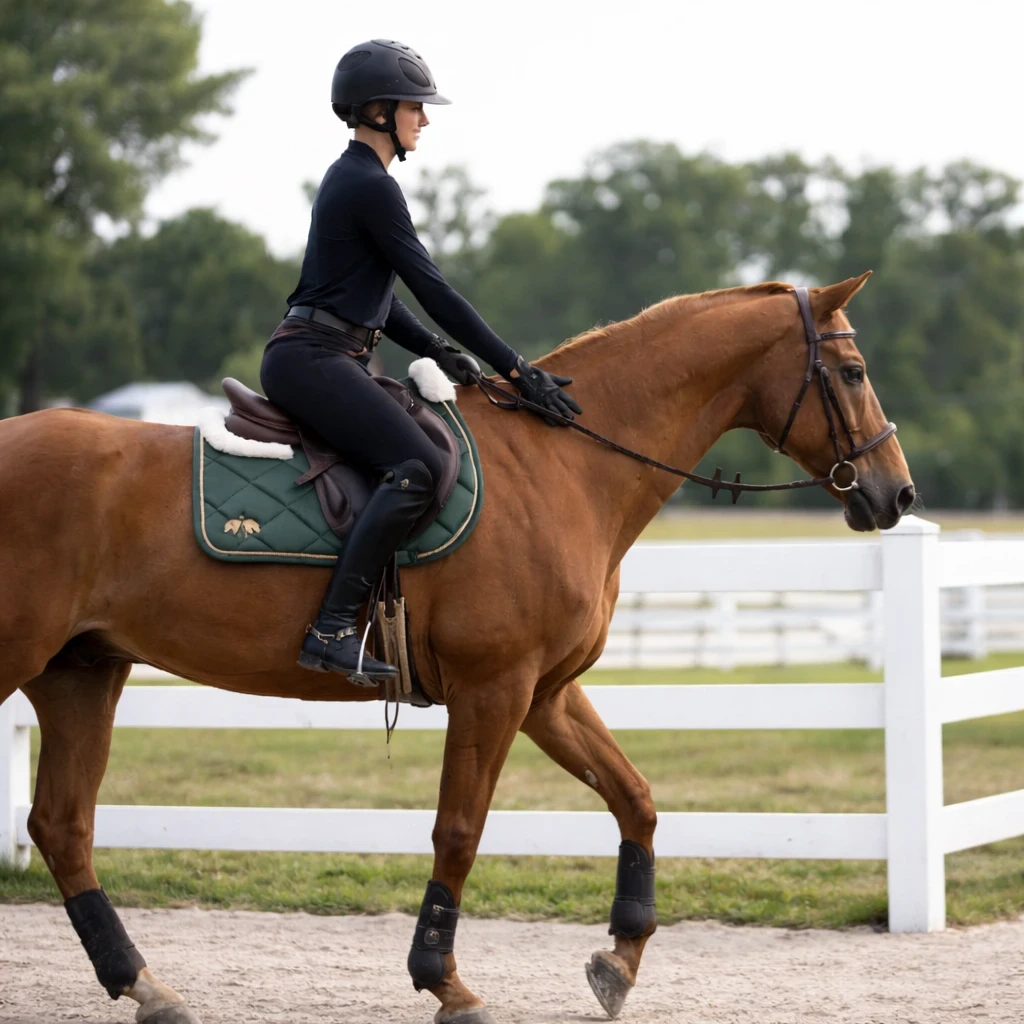
Choosing the right saddle can make a big difference in my riding comfort, effectiveness, and connection with my horse. As someone who likes precision and responsiveness when jumping, I’ve found the monoflap jump saddle design offers features that stand out for both experienced and developing riders.
In this article, I’ll share everything I’ve learned about why so many riders go for a monoflap jump saddle, how it helps in day-to-day riding, and what it means for parents who want the best gear for their young riders.
Just a quick heads-up for transparency: this article may include affiliate links. If you choose to buy through one of them, I may earn a small commission at no extra cost to you. It helps support CharmingCanters.com so I can keep creating helpful resources for parents and young riders.
What Sets Monoflap Jump Saddles Apart?
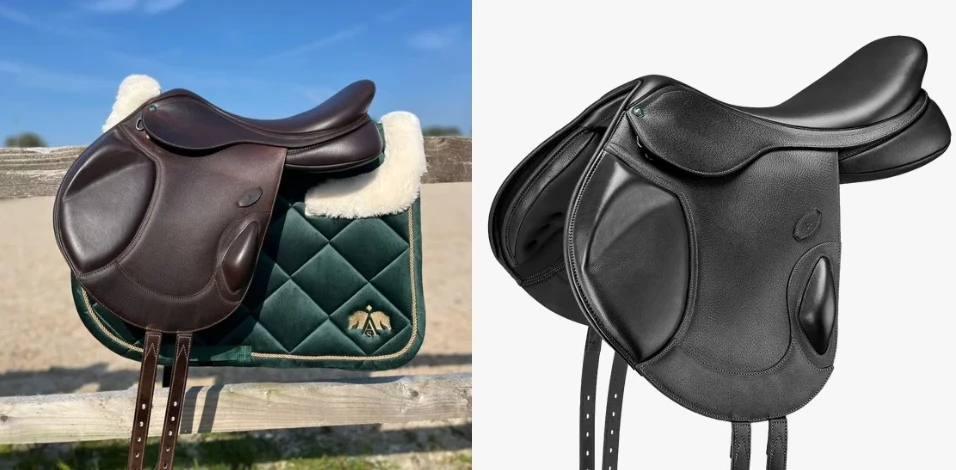
Monoflap jump saddles are designed with one single streamlined flap on each side instead of the more common two-layer flap system.
This might seem like a small change, but in practice, I’ve experienced a more direct feeling with my horse. With fewer layers between my leg and the pony or horse, I notice even subtle shifts of weight or movement. This has really helped me refine my balance and reaction time over fences.
The girth straps attach directly to the saddle’s tree under the single flap, which reduces bulk. This means my leg can rest closer to the horse, allowing me to maintain a secure lower leg position more easily.
Many monoflap saddles are built using lightweight materials to keep the total saddle weight down. This makes them easy to lift for tacking up and less tiring for the horse over long sessions.
Key Benefits and Features of Monoflap Jump Saddles
- Closer Contact
I feel more connected to my horse because the single flap puts my leg right next to the horse’s side. This gives me a more responsive ride, which is great for both precision jumping and making small corrections on course or in practice. My aids don’t get lost between the saddle flaps, so my horse can better feel what I’m asking for. - Lighter Weight
Most monoflap jump saddles are lighter than traditional doubleflap models. This makes a real difference when I’m tacking up, especially if I need to move multiple saddles or my horse is sensitive to weight. My own jump saddle feels like about a pound less than my old doubleflap version. - Streamlined Fit
A single thinner flap keeps the saddle profile neater under my leg. This is especially useful for riders with shorter legs or smaller horses and ponies. It helps my leg stay in place without shifting around. - Adjustable Blocks
Many monoflap jump saddles have moveable or fixed knee and thigh blocks. I like being able to set my saddle up for the amount of support that suits me or a particular horse. This boost of stability gives me more confidence, especially when schooling young or green horses. - Improved Leg Stability
With less material under my leg, I notice my position is steadier through turns and over jumps. Some of my friends who switched to a monoflap design have mentioned the same thing—they feel they can keep their leg on the horse more easily and don’t pinch with their knee as much.
Another plus is that monoflap saddles generally allow for a more natural alignment of the rider’s hip and heel. Over time, I found that this helped my overall comfort during longer rides and aided my balance.
Riders who compete in eventing or jump at higher levels really appreciate that the streamlined design allows for better leg mobility, making it easier to adjust body position quickly when needed.
If you enjoy schooling cross-country or need to make quick adjustments on course, the monoflap saddle can make these movements smoother.
How Monoflap Jump Saddles Can Change Your Ride
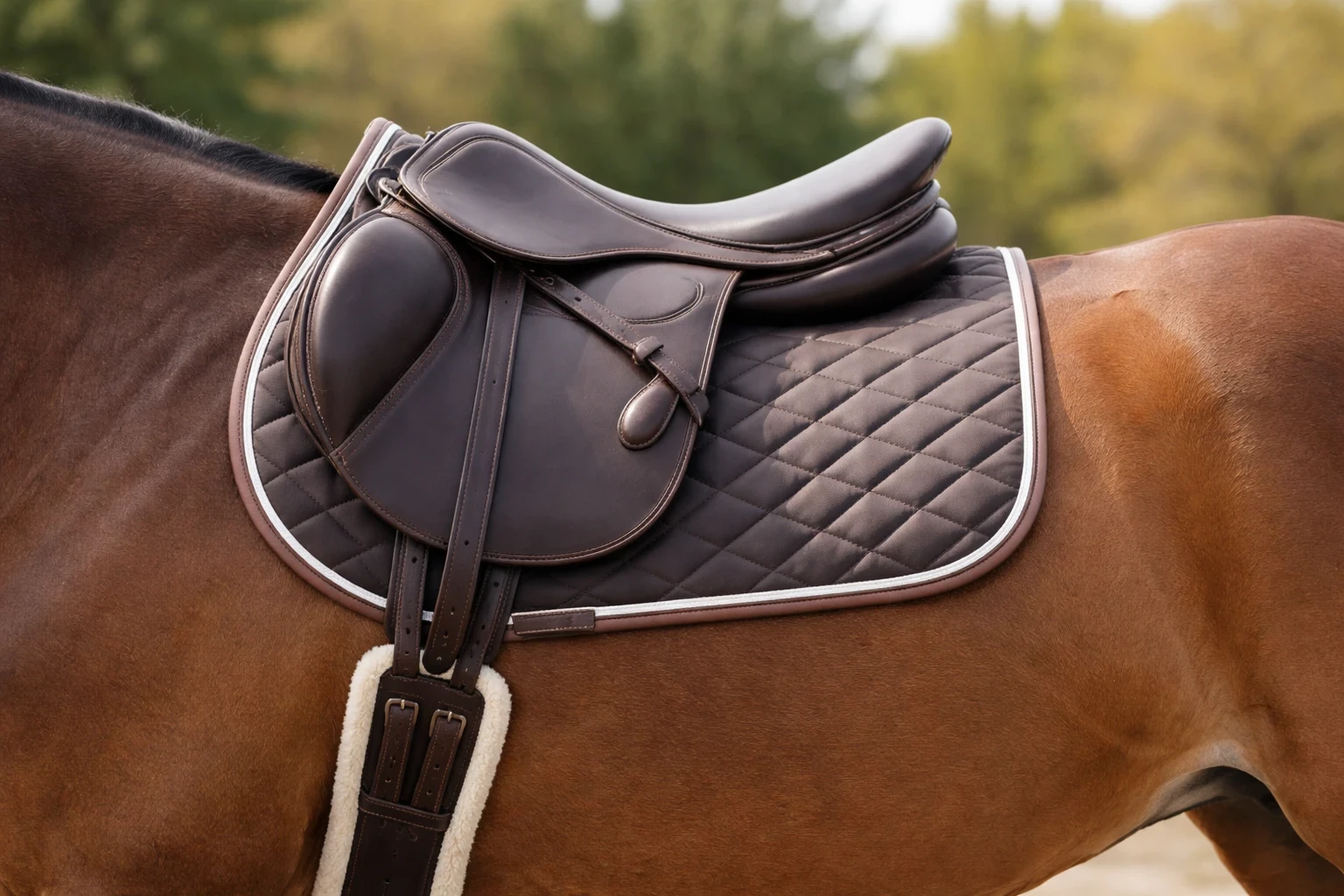
Switching from a double flap to a monoflap can make your tack routine simpler and quicker. You don’t have to fiddle with extra straps, and cleaning up afterward is easier because there’s less leather to wipe down.
When riding, you’ll be able to appreciate how the monoflap supports your natural alignment. Because the single flap lets your leg drape closer to the horse, your aids feel lighter but more effective. Over jumps, you find you can give clearer signals without getting forced into one position by bulky saddle parts.
One important thing you’ll noticed right away: horses that are sensitive through the sides or girth can sometimes move better in a lighter, less bulky saddle. I’ve heard from trainers that sensitive or narrow horses particularly appreciate the more refined feel of a monoflap, as it reduces the pressure under the leg and long girth buckles.
Additionally, you’ll find that your riding confidence will increase thanks to the direct communication a monoflap saddle provides. Whether schooling at home or warming up at a show, being able to make small adjustments quickly without interference from extra saddle layers is a real benefit.
For competitive riders who are focused on shaving seconds off jump-off times, this directness can be a game changer. Even in flatwork, the close contact helps in transitions and allows for better feedback from the horse, which goes a long way in refining your riding.
Practical Considerations Before Choosing a Monoflap Jump Saddle
- Saddle Fit
Monoflap jump saddles often have panels designed for close contact, but this makes getting a correct fit for horse and rider really important. I always recommend working with a professional saddle fitter who understands both your needs and your horse’s shape, especially since close contact panels sit differently on each conformation. I wrote a post on choosing the right saddle tree you can read which will help you. - Girth Compatibility
Because the girth straps are longer and positioned differently, I needed a specific type of short or “dressage” girth rather than a traditional longer jump girth. This is simple, but something to keep in mind if you’re upgrading your tack collection. - Care and Maintenance
Monoflap saddles are typically made with high quality, soft leather. They need regular cleaning and care, which keeps them looking good and helps the leather last longer. There’s a bit less leather to manage overall compared to a double flap, which is one less thing on my to-do list.
In addition to fit and girth compatibility, it’s wise to think about which features will best suit your riding goals. If you ride multiple horses, consider a monoflap saddle with adjustable blocks or an interchangeable gullet system.
For riders who show regularly, check the rules of your discipline to make sure monoflap saddles are allowed in all classes. Some older show organizations had restrictions, but most modern competitions accept them. Trying different saddles through a fitting service can help you determine whether a monoflap is right for you or your child before committing.
What Parents Should Know
Are monoflap jump saddles appropriate for junior riders?
This is the question I hear the most from parents and trainers. Yes, monoflap jump saddles can work really well for junior riders. The closer contact often supports better leg development and awareness, which is important for juniors learning to balance and use their aids effectively. There’s nothing about the design that makes it “too advanced,” so long as the fit and support are correct.
Do monoflap jump saddles provide enough stability and security for young riders?
Many monoflap models come with supportive knee and thigh blocks, providing a nice level of security. I’ve seen young riders grow in confidence once they got used to the closer feel, especially with the right block configuration. Security also comes from proper instruction and saddle fit, which matter more than the style of saddle alone.
Is a monoflap jump saddle harder for a child to learn in?
In my experience, a monoflap saddle is just as accessible as a traditional one, provided the seat size and block setup matches the child’s needs. Learning to ride comes down to good instruction and supportive tack, rather than the number of saddle flaps. Some juniors actually find improvement in their leg position with the streamlined feel of a monoflap.
Are monoflap jump saddles lighter than traditional jump saddles?
Most of the time, yes. A single flap reduces the amount of leather used, and many brands use lightweight trees too. This makes the saddle easier for smaller or younger riders to handle when tacking up and untacking. It also helps on show days when even kids are moving their own gear around.
Do monoflap jump saddles work for growing riders?
As kids grow, saddle fit needs change. Many monoflap saddles are available in small seat sizes and a variety of tree widths to accommodate growing riders. Having a fitter check the saddle as a child gets taller or gains experience is really important. Since monoflap jump saddles are popular, there’s a good resale value or secondhand market if you need to size up later. For many families, a junior jump saddle designed for growing riders can be a practical stepping stone before moving into a monoflap design.
Is a monoflap jump saddle a good first “upgrade” from a beginner saddle?
If your child is riding regularly and starting to compete in jumping, a monoflap jump saddle is worth considering as an upgrade. Brands now offer entry level monoflap options at accessible price points, so there’s something for nearly every budget. Monoflap saddles aren’t just for pros—many local shows and riding programs are full of kids using them successfully.
If you are a parent making choices for a young rider, consider talking to your child’s instructor and possibly booking a saddle fitting trial at your local tack shop.
Sometimes, seeing your junior rider feel more balanced and confident after switching to a monoflap tells you all you need to know. Also, remember that while saddle design is important, ongoing guidance and encouragement matter even more in your child’s riding adventure.
General Frequently Asked Questions
What are the main monoflap jump saddle benefits?
Monoflap jump saddles deliver closer leg contact, less saddle weight, and a direct feel between rider and horse. The design encourages better leg stability and makes setting secure positions over fences easier. Maintenance is simpler with one flap, and I find it easier to keep my tack looking good.
Are monoflap jump saddles better for jumping than traditional saddles?
I find that a monoflap saddle suits jumpers who like a direct connection, but not every rider prefers that feel. Traditional doubleflap saddles offer layers that can give some riders a sense of extra security. Ultimately, the better saddle is the one that fits horse and rider and matches your personal preference best.
Who should ride in a monoflap jump saddle?
This design is popular with competitive jumpers, eventers, amateurs, juniors, and anyone who wants a lighter, closercontact saddle. I always recommend trying one out if possible to see if the feel matches your riding goals. I’ve met juniors, small adults, and even pony clubbers who all love the upgrade from a doubleflap.
Are monoflap saddles harder to fit?
A monoflap jump saddle isn’t harder to fit, but its close contact panel design means fit is really important. A good fitter can help you check the balance, panel shape, and wither clearance to keep both horse and rider comfortable.
Do monoflap jump saddles suit all horses?
Monoflap saddles are made to fit a range of horse types; not every panel shape is right for every back. There are options for wide, flat horses and narrow, high-withered breeds. Working with a fitter ensures you get the right match. I’ve seen great fits on ponies, cobs, warmbloods, and off-the-track Thoroughbreds alike.
Understanding monoflap jump saddle benefits helps riders make smarter, more confident saddle choices.
From closer leg contact to a streamlined feel over fences, monoflap designs appeal to riders who value connection and precision—but they aren’t one-size-fits-all.
Taking the time to learn how these saddles function, who they suit best, and what to look for in fit ensures that any upgrade supports both performance and comfort. Once you understand the design, it becomes much easier to evaluate specific monoflap models and decide which options truly make sense for your riding goals.
Hello Shalisha!
This was honestly really interesting to read because I’ve seen monoflap saddles before and thought they just looked cool, but I didn’t realize how much they can help riders feel more connected to their horse and improve leg stability. It makes total sense that less bulk would help with communication and balance, especially for jumping, and it sounds like one of those changes that seems small but probably feels huge once you ride in one. I also love learning about gear that can make riding more comfortable for both horse and rider. Do most riders notice a big difference right away when they switch to a monoflap saddle, and are there certain types of horses that seem to move or perform better with this style of saddle?
Angela M 🙂
Hi Angela!
Thank you so much — I’m really glad you found the article interesting! You’re absolutely right — monoflap saddles do look cool, but the benefits go way beyond aesthetics.
Most riders do notice a difference pretty quickly when they switch to a monoflap, especially once they’ve had a few rides in it. Because there’s less bulk between your leg and the horse, you often feel more connected and find it easier to maintain a steady, secure leg position — which can make a huge difference in balance and communication, particularly over fences. For many riders that translates to feeling more secure and “in tune” with their mount almost immediately.
That said, the degree of difference can vary from person to person. Some riders feel transformed right away, while others notice more subtle changes that grow over time as they adapt their position and muscle memory.
As for horses, most types of horses can benefit from a monoflap — but they’re especially popular on athletic, forward-moving jumpers or warmblood types that require close contact and precision. Horses with a broader back or a more sensitive topline sometimes seem to go more comfortably in a monoflap because there’s less panel bulk and more even pressure distribution. However, saddle fit is always individual — what works beautifully for one horse/rider pair might not be ideal for another — so a professional saddle fit is always worth it to ensure comfort and performance for both horse and rider.
Thanks again for your thoughtful question, Angela! If you ever try a monoflap yourself, I’d love to hear how it feels for you!
You did a great job explaining the close contact feel, but I am curious whether you think certain riding disciplines within jumping benefit more from a monoflap design than others. For example, would you recommend it equally for a junior focused on equitation as you would for one leaning toward eventing or jumpers? I would also love to know if there are specific brands or tree types you have found consistently fit ponies versus larger warmblood types when considering a monoflap upgrade.
Hi Aly! Thanks for your questions. Here’s the low-down.
In general, monoflap jump saddles tend to benefit eventers and jumper riders the most. The single-flap design removes bulk under the leg, so riders get a closer feel and quicker communication with the horse. That’s especially helpful in jumpers and cross-country where quick adjustments and balance matter.
For junior equitation riders, it can go either way. Some still prefer a traditional double-flap saddle because it can feel a bit more structured and supportive for maintaining the classic equitation position judges look for. Others ride beautifully in monoflaps, so it often comes down to personal feel and trainer preference.
As for ponies versus warmbloods, the key difference is usually the tree shape and panel length, not the flap style. Ponies often need shorter panels and more compact trees, while warmbloods usually require broader trees and more panel support for bigger backs and stronger toplines.
Brands that tend to work well across different horse types include Bates, Arena, Albion, and Amerigo, since many of their monoflap models come with adjustable gullets or multiple tree shapes.
So the short answer is: monoflaps are often a big win for jumpers and eventers, equitation riders may prefer either design, and when fitting ponies versus warmbloods the tree and panel design matter more than the monoflap itself.