

If you’re trying to figure out how to choose the right Crosby dressage saddle, you’re not alone. Many dressage riders feel overwhelmed when deciding which Crosby model and fit will work best for both their horse and their own riding position.
It’s easy to get stuck worrying about things like gullet width, seat size, or whether the saddle will truly be comfortable for your horse. I’ve been there too, and that’s exactly why I put together this guide—to help you sort through the options and confidently choose a Crosby dressage saddle that works well for both horse and rider.
Affiliate Disclosure: Some links on this page may be affiliate links, which means I may earn a small commission if you make a purchase through them—at no extra cost to you. I only recommend saddles and tack that I believe offer real value to riders.
If you’re still deciding whether a Crosby saddle is worth the investment, I break down the pros, cons, and riding experience in my full Crosby Dressage Saddle Review.
👉 You can check current availability and pricing for Crosby dressage saddles here.
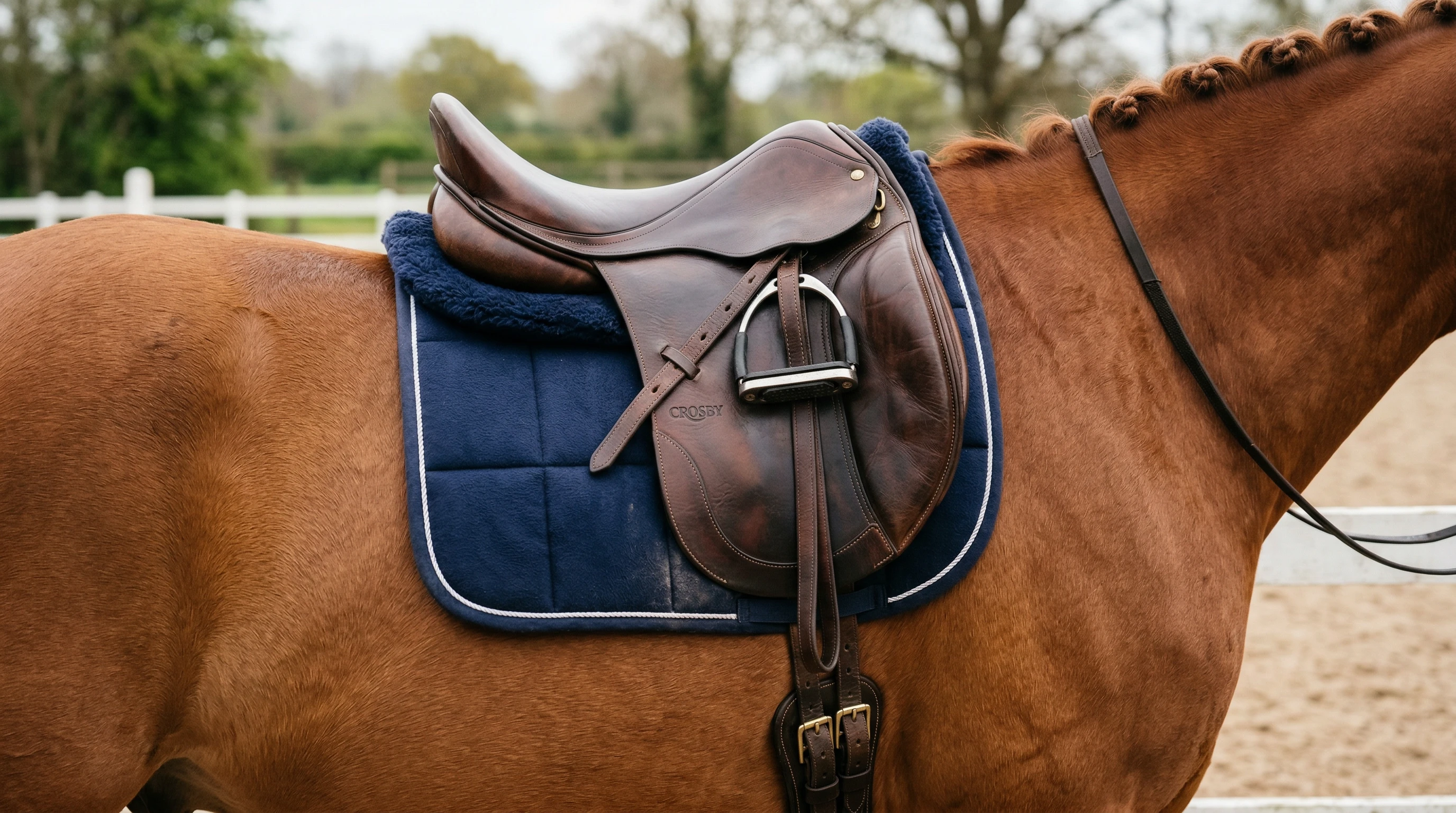
Why Riders Choose Crosby Dressage Saddles
Crosby’s reputation in the dressage world
Crosby has been around for ages, and among dressage riders, the brand has a rep for solid craftsmanship and thoughtful design. While old-school riders might remember Crosby for their legendary jumping saddles from decades past, Crosby’s dressage saddles have stepped up over recent years.
These saddles show up everywhere, from local schooling shows to more serious events, especially with riders who want traditional styling and reliability at a price that won’t give them sticker shock. If you’re comparing brands, I also break down how Crosby stacks up against other options in my Collegiate Dressage Saddle Review.
Build quality and traditional craftsmanship
If you dig classic English saddle vibes, Crosby checks that box. I’ve always liked how they focus on well-oiled leather and tight stitching, even on saddles that are a few years old.
The trees tend to be reinforced and the panels are flocked for even pressure on the horse’s back. These small details help the saddle hold up for a long time without a lot of maintenance drama.
If you want to keep the leather in great condition for years, you may also want to read my guide on weatherproofing techniques for saddles to protect leather from rain, heat, and cold.
Who Crosby saddles are best suited for
Crosby really appeals to adult amateurs moving up from entry-level saddles, folks upgrading from brands like Wintec or Thorowgood, and trainers outfitting a few lesson horses.
Riders with a modest budget but high standards for comfort and fit often find Crosby is a sweet spot. Plus, the used market is usually packed with Crosby dressage saddles in good shape, making them accessible to more riders.
Step 1: Understand Your Horse’s Back Shape
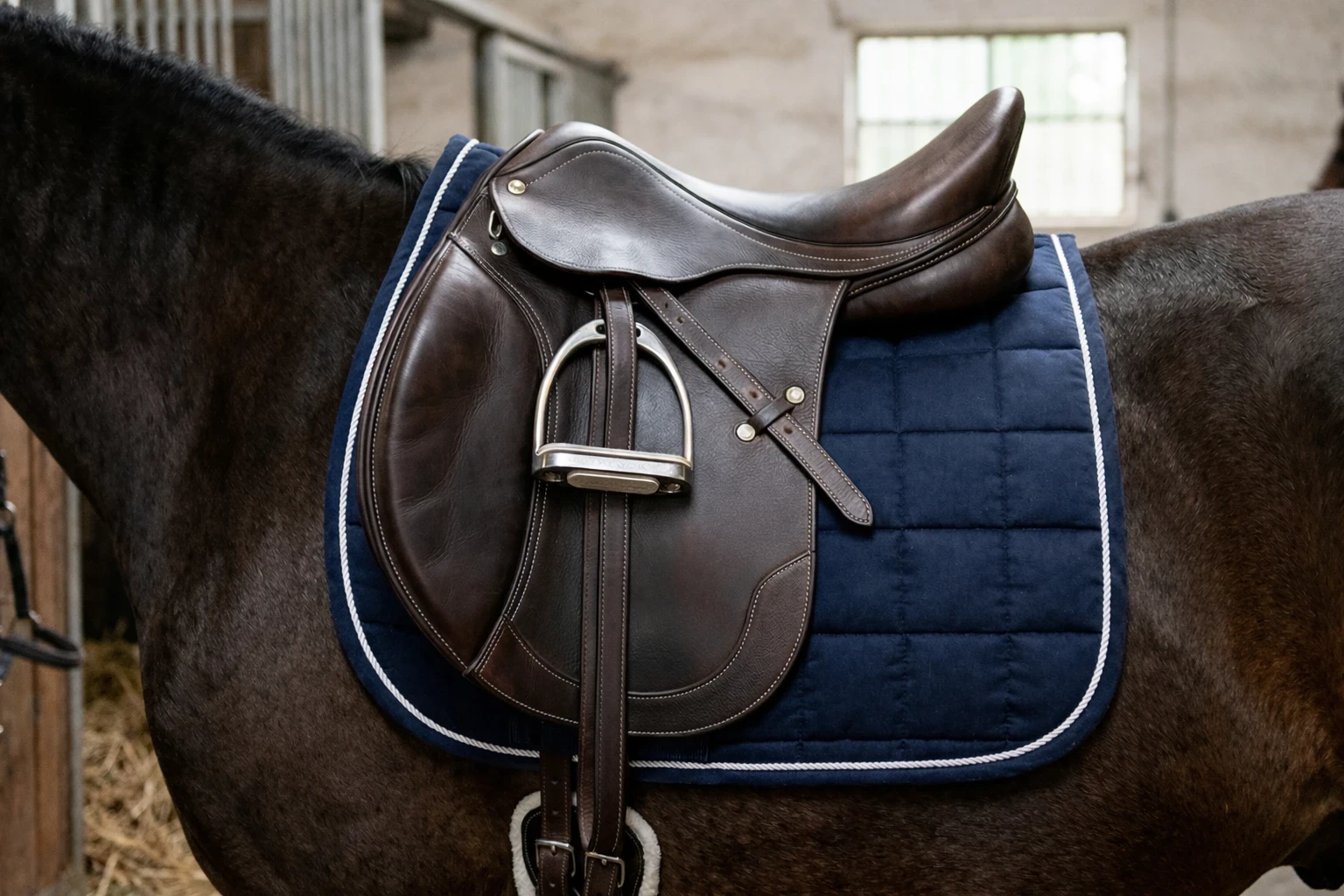
High withers vs flat withers
The first step before shopping is to check out your horse’s back shape. If your horse has high withers (think: shark fin style), you’ll want a Crosby model with deeper panels and generous wither clearance.
Flatter withers can handle a more level panel design, but too much clearance can leave the saddle wobbly. Knowing which side your horse falls on makes a huge difference in comfort and performance, so take the time to check your horse’s back before choosing a saddle. If you’re unsure how to evaluate fit, my Dressage Saddle Fitting Guide walks through the full process step by step.
Short-backed horses vs long backs
Crosby makes their dressage saddles in several panel lengths, which works out well if your pony is shortcoupled or your dressage queen is long in the back. For shorter backs, go for compact panels so you don’t get that “too much saddle” look or run into interference behind the last rib.
Long-backed horses can easily carry standard or extended panels, which often translates to more even weight distribution for the rider and increased comfort for your horse.
Shoulder freedom and panel clearance
Dressage horses need good shoulder movement, and Crosby panels tend not to block that if fitted right. I look for panel shapes that lift off the shoulder but still distribute pressure evenly down the back. Extra points for gussets that allow your horse to really stretch forward without pinching at the top, so be sure to evaluate panel design when shopping.
Step 2: Choose the Correct Seat Size
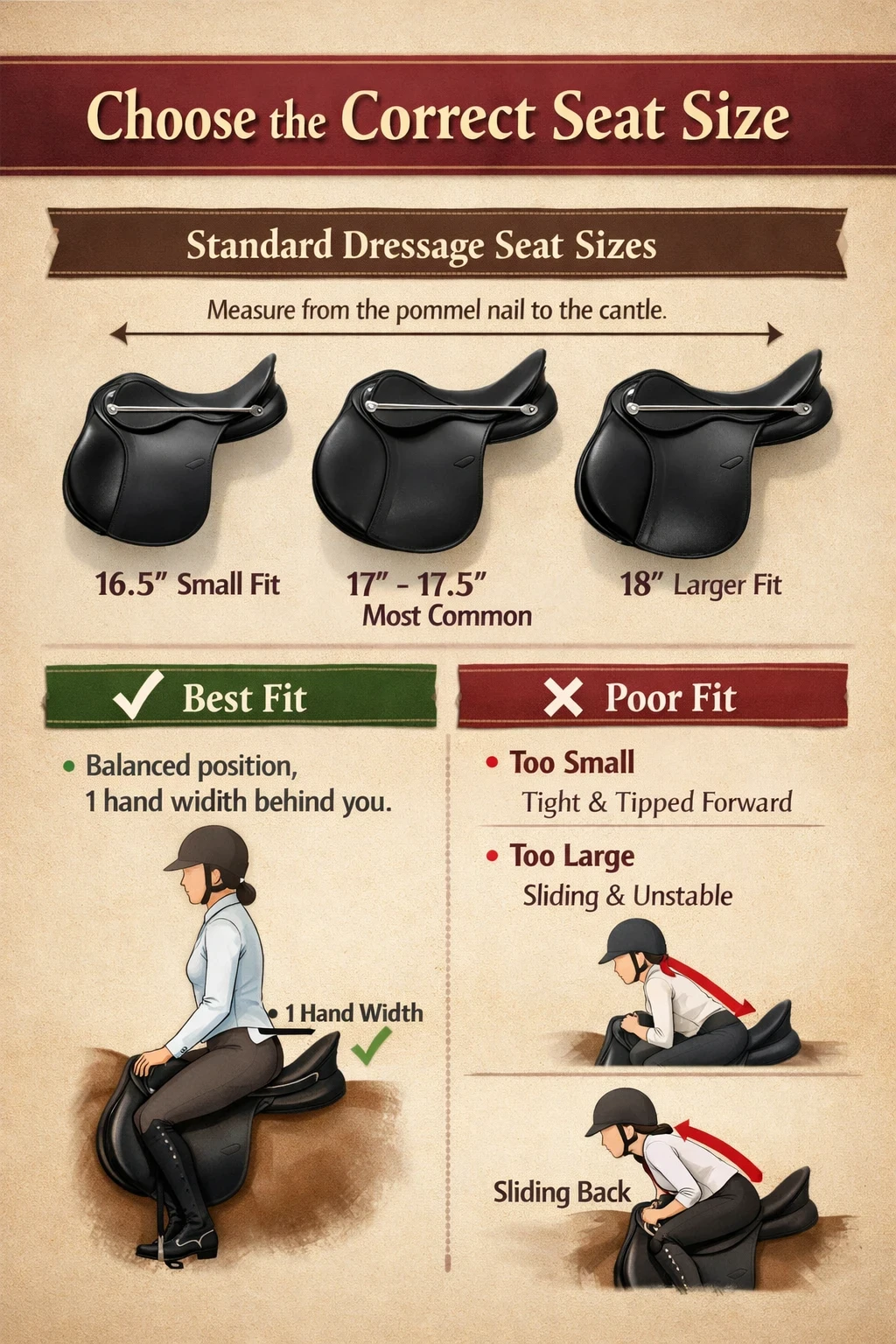
Standard dressage seat sizing
Crosby dressage seats usually range from 16.5 to 18 inches. Measurement is taken from the center of the cantle to the nailhead on the side of the pommel. Most adult riders end up in a 17” or 17.5” seat.
If you have a longer femur or just want more room to move with your horse, size up. For a tighter, more secure fit, size down, but not so small that you feel squeezed in the thighs.
How rider balance affects saddle choice
A seat that’s too small will tip your pelvis and force your knees up in the blocks. An oversized seat leaves you shifting around. You want to sit where your body stays upright and balanced without scooting forward or backward in the deepest part of the seat.
Crosby saddles tend to have a more neutral seat profile, so you’ll have some flexibility here when finding your perfect fit.
Signs your seat size is incorrect
If you’re fighting to keep your leg under you or end every ride with numbness or back pain, the seat size might be off. For a quick check, sit in the saddle at the tack shop with both feet in the stirrups. You should have about a hand’s width between your bum and the back of the seat, and your knees should comfortably clear the front of the flap.
Step 3: Select the Right Tree Width and Gullet
How Crosby tree widths work
Crosby dressage saddles come in tree sizes similar to other English brands, usually narrow, medium, mediumwide, and wide. The tree size controls the gullet width, which is the channel running down the middle of the panels.
Many Crosby trees aren’t adjustable, so it’s really important to get a width that suits your horse’s build to avoid fit problems. If you’re not sure how gullet width affects fit, my guide on how to choose a close contact saddle also explains tree width and panel balance in simple terms.
How to check spine clearance
Slide your hand under the pommel and down both sides of the withers when the saddle is girthed up. You’re looking for about 2-3 fingers’ width of clearance above the withers, and enough room along the channel to avoid pressure on the horse’s spine. If the saddle pinches here or sinks down too close, it’s time to try another tree width for a better match.
Signs the saddle tree is too narrow or too wide
- You see dry spots or white hairs after a ride (too tight!)
- The saddle rocks like a rocking chair (too wide!)
- Your horse gets girthy, swishes the tail, or sucks back when mounting
- The saddle shifts badly when you mount from the ground
Step 4: Consider Flap Length and Rider Leg Position
Why flap length matters in dressage
Dressage saddles often have longer flaps to accommodate the classic straightleg position. If your upper leg is long, shorter flaps will let your knee poke out awkwardly past the block. Crosby flaps come in several lengths, so make sure the flap actually covers and supports your leg for a comfortable and correct position.
Matching flap length to rider height
If your stirrups are set for a deep dressage seat and your knee is way above the knee block, you probably need a longer flap. On the flip side, smaller or compact flaps work for shorter riders who find themselves constantly fighting bunching at the thigh or struggling to maintain balance.
Knee block placement and stability
Crosby dressage models feature different knee block shapes. Some offer an external, chunky block for extra stability, while others have a more minimal design. Try a couple in person if you can. Riders who prefer a locked-in feel may appreciate the “big block,” while those who like to adjust their leg might want something smaller to allow a little freedom of movement.
Step 5: Compare Popular Crosby Dressage Saddle Models
Crosby dressage saddle design features
Crosby’s modern dressage saddles usually feature forwardcut panels, extra padded seats, and knee blocks that keep your position steady without locking you in. The leather is soft but durable, and the gullet tends to be wide enough for most warmbloods and larger horses.
👉 You can see available Crosby dressage saddle models and current pricing here.
Stitching is tidy and panels are either wool or synthetic flocked, depending on model. Some models also offer subtle styling touches, blending the classic English look with nextlevel cool details for today’s riders.
Differences between traditional and modern Crosby designs
Older Crosby models focus on a flatter seat and softer panels, ideal if you’re all about a close contact feel. Recent models offer deeper seats and chunkier knee blocks, which help when working on sitting trot or fine-tuning rider posture. If you want newschool comfort but classic looks, some modern Crosbys blend both for a fresh twist on a timeless design.
Which riders benefit most from each model
- Newer riders or those focused on comfort often appreciate the deeper seat and softer padding in the current models.
- Traditionalists, or those riding a variety of horses, may prefer a classic, flatter seat for versatility.
- Longlegged riders or tall adults should look for extended or long flap options in the model descriptions.
How to Check if a Crosby Dressage Saddle Fits Your Horse
Checking wither clearance
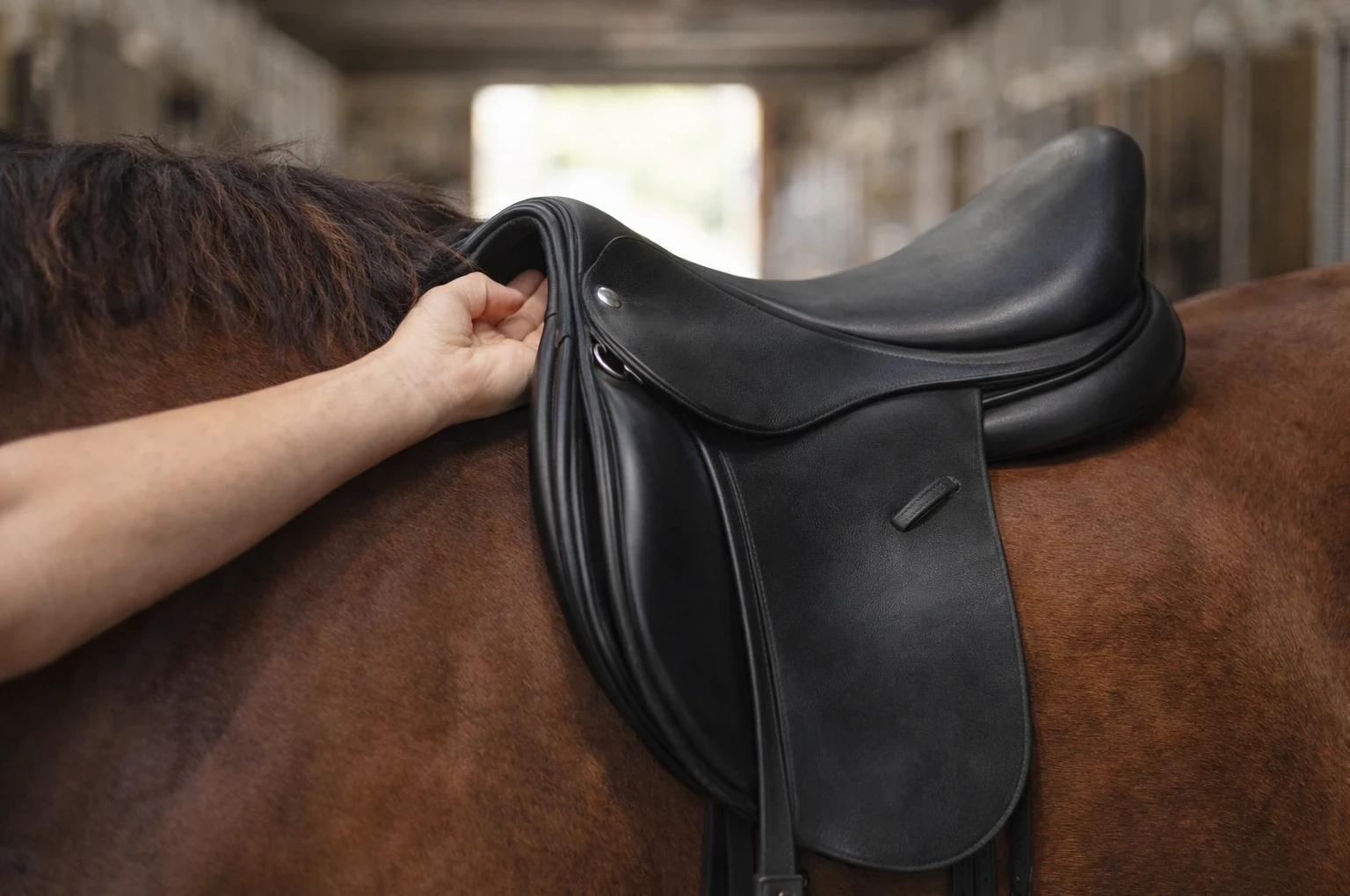
With the saddle on and girthed up (no pad), slip a few fingers between the pommel and withers. Less than 2 fingers is a red flag, but too much space means the saddle might be floating instead of supporting the rider’s weight. Aim for an even fit all along the withers and the back for best results.
Evaluating panel contact
Look down each side and check for gaps or “bridging” (where the saddle only touches the withers and back and floats in the middle). Even, smooth contact from the front to the cantle is what you want. Anything else means adjustments or reflocking may be required, so keep an eye out for these fit issues.
Watching your horse move under saddle
Get someone to watch your horse walk and trot with the saddle. Signs the fit is off include head-tossing, reluctance to move out, shortened stride, or obvious soreness after riding. A well-fitted Crosby lets your horse comfortably lift the back and move freely, leading to better performance and happiness for your horse.
Common Mistakes Riders Make When Buying a Crosby Saddle
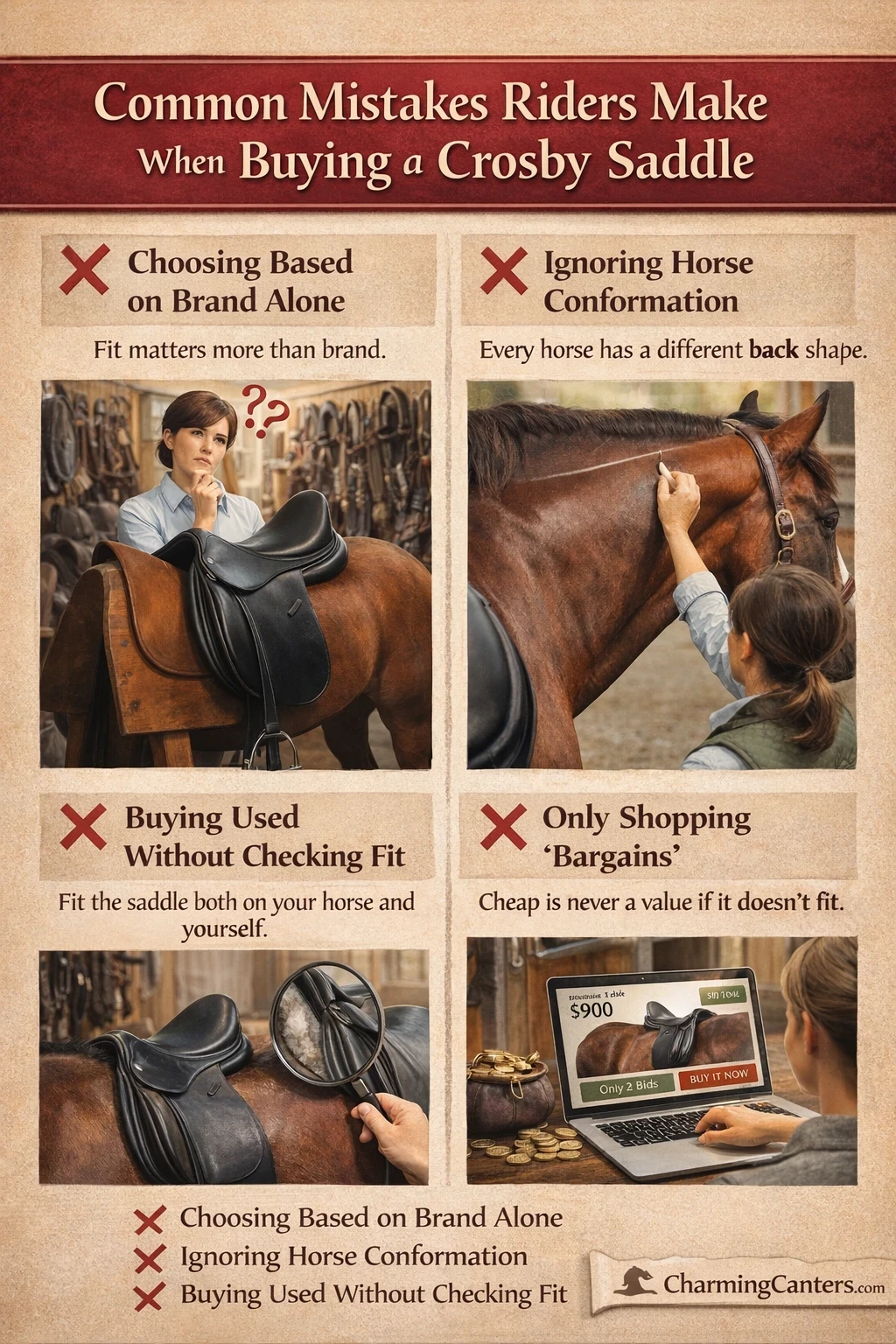
Choosing based on brand alone
Don’t buy Crosby (or any saddle) just because it’s a familiar name. It still has to fit your horse’s back and work with your position. I’ve seen too many people chase a “status saddle,” only to end up selling it after a month of uncomfortable rides. Make sure fit is always your first priority.
Ignoring horse conformation
What fits your friend’s flatbacked warmblood probably will not work on your highwithered Thoroughbred. If possible, trace your horse’s back or take detailed photos to help narrow down your search, and don’t assume that one shape fits all horses.
Buying used without checking fit
Used Crosbys can be a great value, but only if you check fit both on your horse and for yourself. Look for uneven wear, compressed flocking, or a warped tree. Those aren’t worth the “bargain,” so always check used saddles thoroughly.
Buying a New vs Used Crosby Dressage Saddle
Advantages of buying used Crosby saddles
Used Crosbys usually represent the best deal, especially if you’re shopping on a budget or need to try several before committing. Before buying used, it’s also worth reading my Crosby Dressage Saddle Review, where I explain what these saddles feel like after years of use.
They’re tough saddles and tend to hold up great for secondhand buyers. You might even score a lightly used model with all the original features for much less than new, letting you enjoy quality without breaking the bank.
What to inspect before purchasing
- Check the tree for any flexing or visible cracks
- Run your hand over the panels for lumps or obvious wear
- Inspect all stitching and billets for signs of fraying or rot
- With the saddle on your horse, evaluate fit as described above
When buying new makes more sense
If you need a saddle tweaked to your specs, or if you want a longer warranty, new is a good option. Some newer Crosby offerings have mix and match customization on panel fill or flap length, which is pretty handy if you struggle to get a standard fit or have particularly specific horse and rider needs.
Where to Buy a Crosby Dressage Saddle Safely
Authorized tack shops
Tack shops that carry Crosby let you test out different seat and gullet combinations before buying. Plus, some shops offer saddle-fit consults or trials, which saves you from making blind guesses. Ask if there’s a return window; just in case your horse ends up unimpressed, having the option to return makes the process less stressful.
Online retailers and return policies
Retailers like HorseLoverZ and State Line Tack often stock both new and preowned Crosby saddles. I recommend checking their return policies. Look for listings that offer at least 7–14 days to trial the saddle and return if it doesn’t fit, so you aren’t stuck with something that isn’t quite right.
👉 Check current listings for Crosby Dressage Saddles here
Tips for buying from private sellers
If you’re browsing Facebook groups or resale sites, ask for clear, closeup photos, and request the seller’s measurements for tree and seat size. Meeting up to try the saddle is ideal. At the very least, stick with sellers who offer a short trial period before the sale is final—this helps avoid costly mistakes.
Final Thoughts on Choosing the Right Crosby Dressage Saddle
If you’re still researching models before buying, I recommend reading my full Crosby Dressage Saddle Review where I go deeper into leather quality, rider comfort, and long-term durability.
Choosing a Crosby dressage saddle comes down to matching the model, size, and tree to both your horse’s shape and your riding preferences. Take your time, do a few test rides if possible, and don’t get pressured by a bargain if the fit isn’t right.
A well-fitted saddle helps you and your horse work together, whether you’re heading down the centerline or just enjoying a ride at home. If you have friends or a trainer who knows saddle fit, definitely rope them in for another set of eyes.
With a bit of patience and careful checking, you can find a Crosby you’ll love riding in for years.
Did you find this post helpful? If so, I’d love to hear your comments below!
I must admit the Crosby Dressage Saddle appears very appealing, being new to shopping for saddles your website is a good resource that I am taking advantage of.
Your easy to understand step-by-step guide on choosing the right Crosby Dressage Saddle has opened my eyes, before reading your article I had no idea there were so many things to consider before purchasing a saddle. What amazed me the most was I need to consider my horse for a good fitting saddle, I just never thought about all saddles might not be a good choice for my individual horse before.
This has been an eye-opener in choosing the right Crosby Dressage saddle,
Jeff
Hi Jeff. Thanks for your comment. I’m glad my post is helpful. I look forward to helping you with your first saddle.