If you’re shopping for your first close contact saddle, you’re probably feeling a little overwhelmed by all the choices, new terms, and price tags. I’ve talked to plenty of riders (young, old, and somewhere in the middle) who have faced this same challenge.
Whether you’re moving up from a lesson saddle or picking one out for your child, you’ll want solid basics, clear explanations, and honest advice. That’s exactly what I’m sharing here—a simple, beginner friendly guide to finding a close contact saddle that fits both you and your horse.
If you’re still deciding what type of English saddle is best for your riding goals, you may also want to read my guide on how to choose the right English saddle for your child.
Just a quick heads-up for transparency: this article may include affiliate links. If you choose to buy through one of them, I may earn a small commission at no extra cost to you. It helps support CharmingCanters.com so I can keep creating helpful resources for parents and young riders.
What Is a Close Contact Saddle?
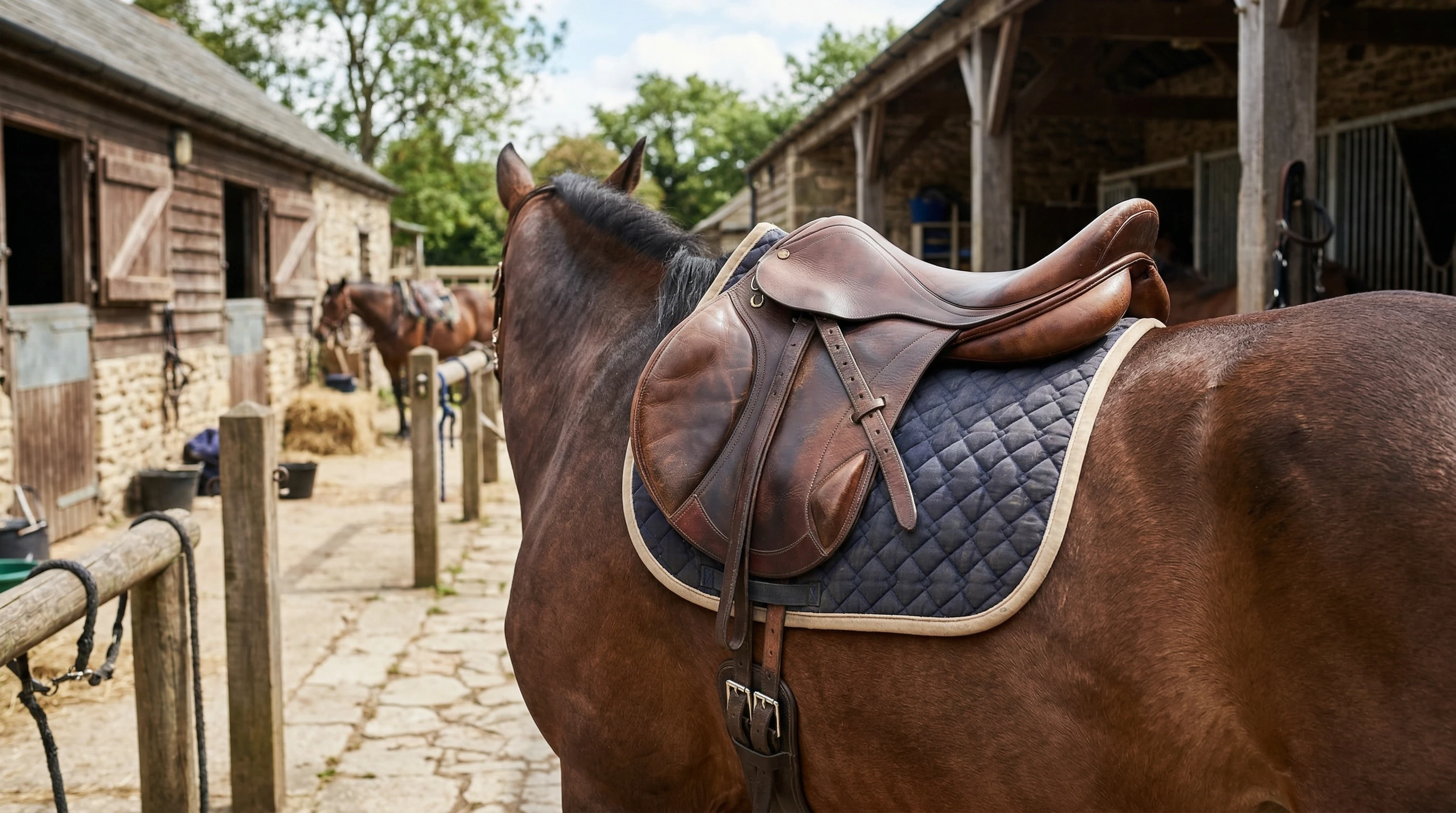
Close contact saddles are designed specifically for jumping, hunter, and equitation riders. They help you keep your seat light and your leg steady when you’re riding over fences or on the flat. The main goal is to give you close, balanced contact with your horse’s back, which is where the name comes from.
Key Features of Close Contact Saddles
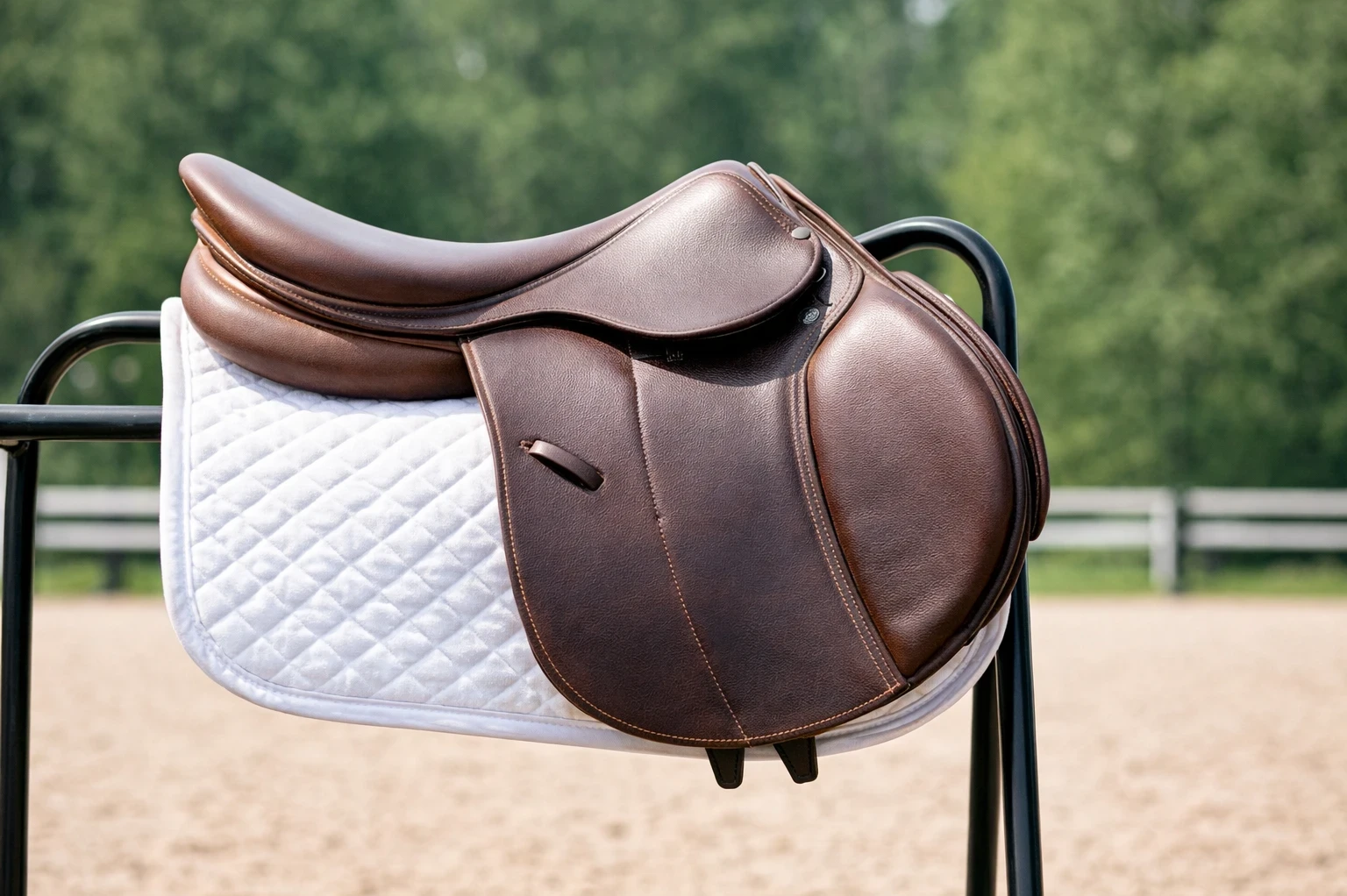
- Flat, low seat: This keeps you out of the saddle when jumping and gives freedom of movement.
- Forward cut flap: The flap is shaped to support a shorter stirrup length common in jumping scenarios.
- Minimal padding: There’s just enough cushion for comfort, but not so much that you lose feel of the horse.
- Knee and thigh blocks: These help keep your leg in position but shouldn’t feel restrictive or get in the way.
How Close Contact Saddles Differ From All-Purpose Saddles
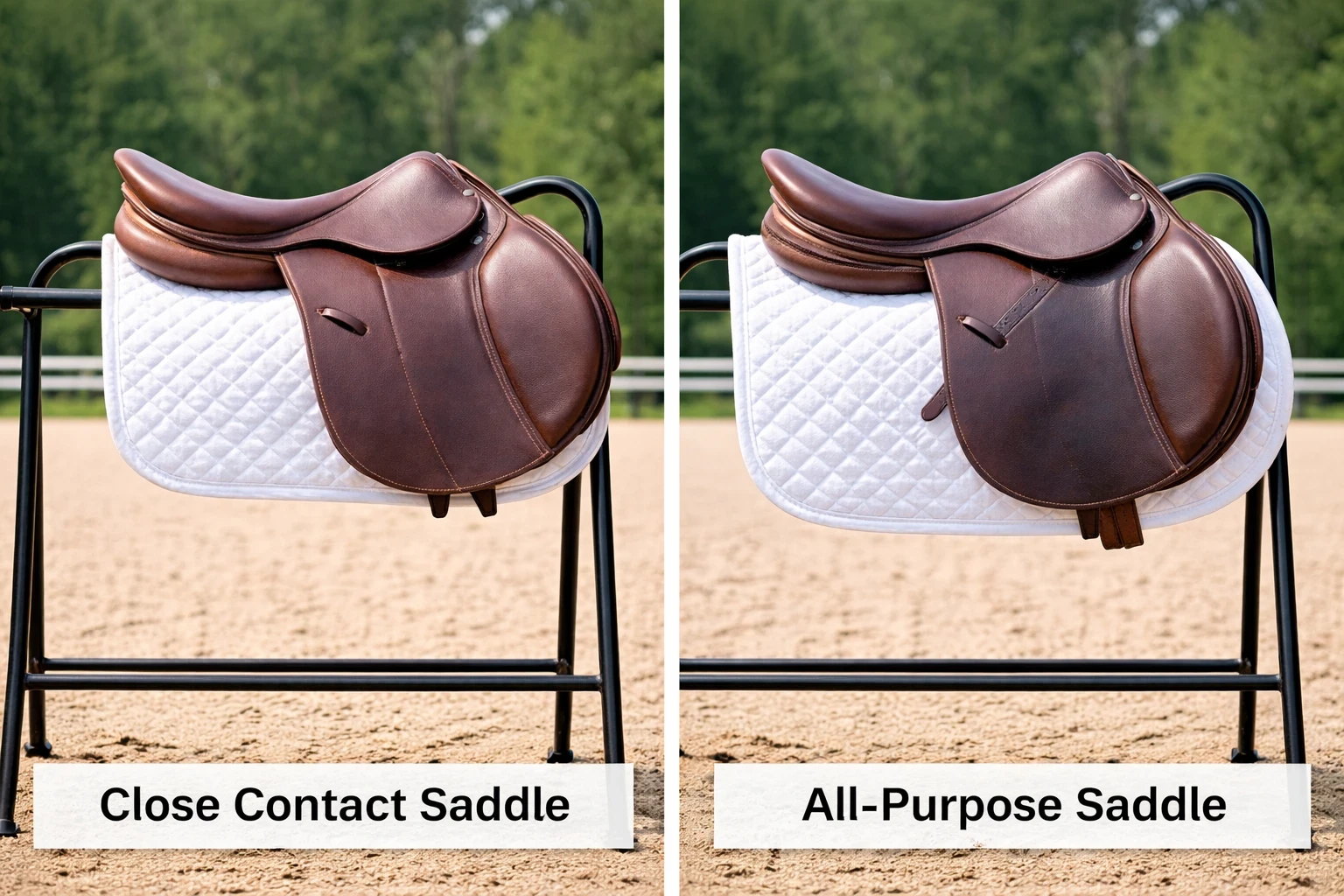
All purpose saddles try to do a little bit of everything: flatwork, jumping, even some basic dressage. The close contact saddle is more specialized. It offers a flatter seat and more forward flap than an all purpose saddle, making it easier to jump and get your leg into a secure, classic jumping position. On the other hand, dressage saddles have a deeper seat and longer, straight flap for a totally different ride.
Who Should Ride in a Close Contact Saddle
If you or your kid are doing lessons, pony club, local hunter/jumper shows, or just want to focus on fences, a close contact saddle is a great choice. Riders interested in equitation or hunters tend to prefer them. If most of your riding is trail or dressage, you might prefer another style, but for any serious jumping, close contact is hard to beat.
Why Riders Choose Close Contact Saddles for Jumping
Close contact saddles bring a lot of perks over fences and in the arena. Here are a few reasons so many riders reach for one when they’re looking to improve jump position and connection.
Better Leg Position Over Fences
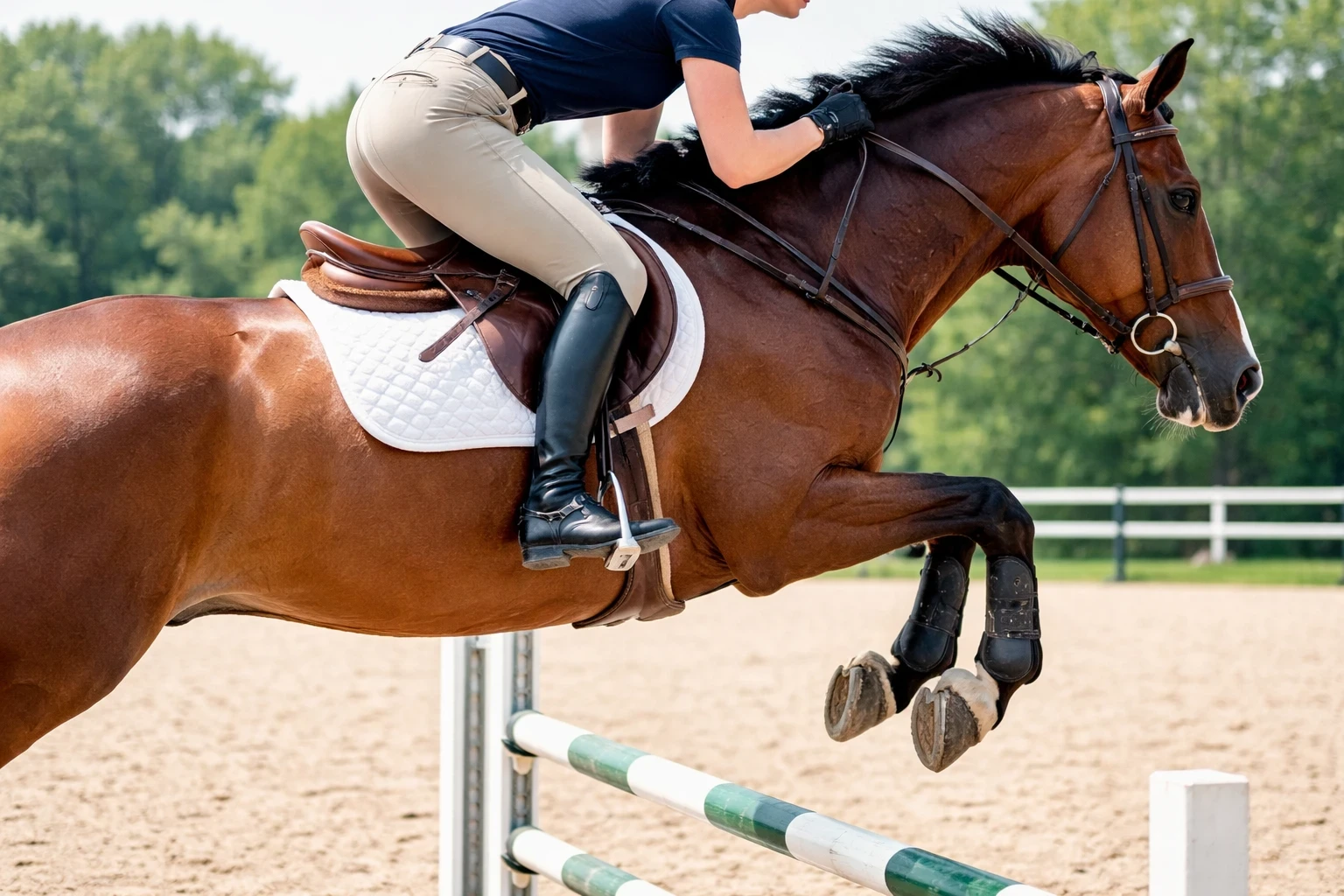
The forward flap and knee blocks really help you shorten your stirrups and keep your lower leg from slipping back when you go over a jump. This is super important for staying safe and balanced up in the air.
Closer Feel of the Horse
The saddle’s minimalist style allows you to feel your horse’s back in a way that thick, heavily padded saddles just can’t match. Small adjustments in balance and aids come through clearer, giving you and your horse better two-way communication.
Common Disciplines That Use Close Contact Saddles
- Hunter/Jumper
- Equitation
- Pony Club jumping phases
- Foxhunting (sometimes with a more robust saddle)
Each of these disciplines benefits from the close feel and freedom of movement offered by this saddle style. If you walk through any hunter ring or jumping event, you’ll notice almost every rider in a close contact saddle—there’s a reason it’s the popular choice.
How to Choose a Close Contact Saddle That Fits Your Horse
Horse fit is the first thing to consider. No matter how nice the saddle feels for you, it won’t work if it pinches, bridges, or doesn’t sit right on your horse’s back. I’ve seen plenty of riders buy a fancy brand, only to watch their horse start showing soreness or refusal over fences. Here’s what you should watch for to keep your horse comfortable.
Understanding Tree Width and Gullet Size
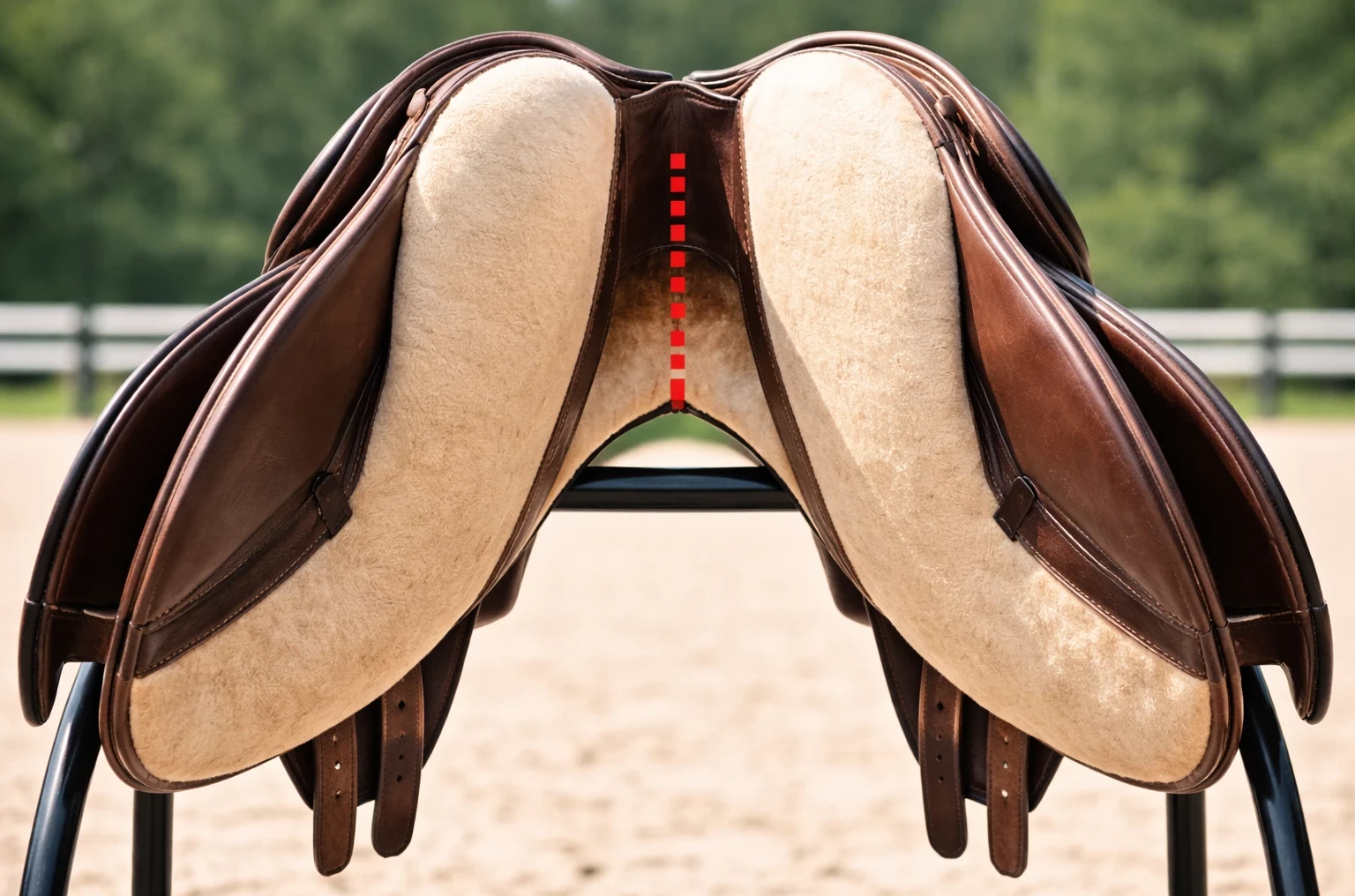
The tree is the skeleton of the saddle, and the width needs to match your horse’s shoulders. If you want to understand saddle trees in more detail, I explain the different types in my guide on how to choose the right English saddle tree type. Most brands offer Narrow, Medium, Wide, and sometimes Extra Wide or more.
The gullet is the channel running down the center underneath, and the right gullet width gives comfortable spine clearance. Too narrow and you risk pinching. Too wide, and the saddle sags and presses down. Getting the right match helps avoid discomfort and long-term soreness for your horse.
Some brands (like Wintec and Collegiate) have adjustable gullets, letting you swap out pieces to tweak the fit as your horse changes shape. One example is the Wintec 500 Close Contact Saddle, which you can check current availability and pricing for here. This is super helpful if your horse is young or you expect muscle changes during training or seasonal work.
Checking Panel Contact and Shoulder Freedom
Laying the saddle (without pads) on your horse’s back, the panels (the stuffed cushions underneath) should sit smoothly from front to back. There shouldn’t be gaps (bridging) or obvious rocking.
Make sure you can fit 2 or 3 fingers between the withers and the pommel after girthing up. Try to avoid saddles that drop onto the withers or look perched way above the back—it should follow the contours of your horse naturally.
The saddle flap should clear the shoulder when your horse moves at a walk and trot. Watch to make sure there’s no pinching or restriction, especially if your horse is broad shouldered or has a big, swinging stride. Many horses go better when their shoulders can move without a saddle getting in the way.
👉 For example, Thoroughbreds often need extra shoulder clearance, which I explain in my guide on choosing the right English saddle for a Thoroughbred.
Signs a Close Contact Saddle Does Not Fit
- Dips or bridging in the middle when looking from the side
- Pins the withers or sits low in front
- Slides backward on the horse when riding. Round-backed breeds like Haflingers can be especially tricky to fit, which I explain in my guide on choosing the right English saddle for a Haflinger.
- Horse shows new back sensitivity, white hairs, or fussiness under saddle
Adding a saddle pad might solve minor issues, but a bad fit often causes more problems over time. A properly fitted saddle helps your horse perform and feel better day after day.
How to Choose the Right Seat Size for the Rider
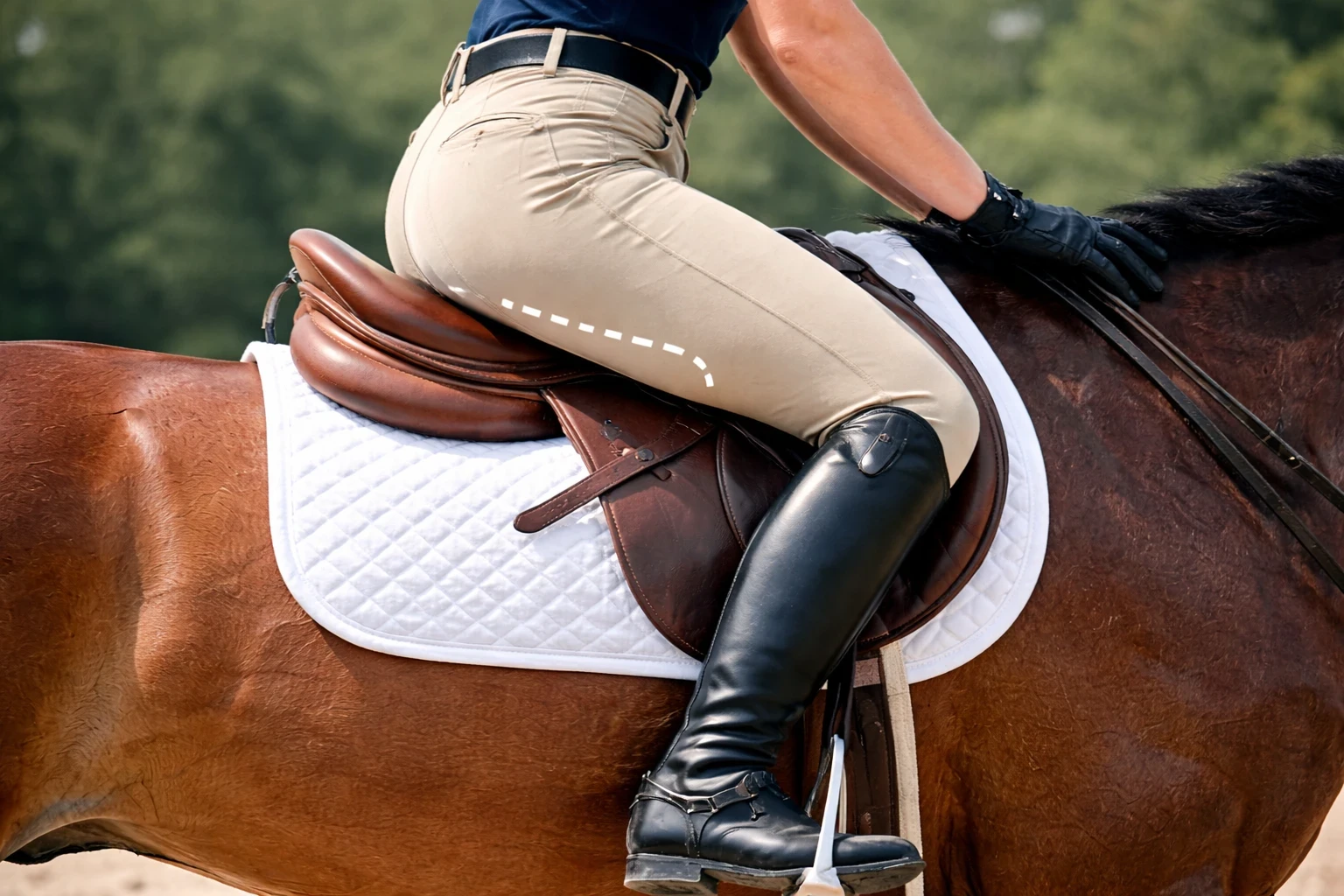
The right seat size is all about your measurements and riding style. Too small, and you’ll feel wedged in and unable to move freely. Too big, and you’ll slide around and lose security in the saddle, especially over fences.
Close Contact Saddle Seat Size Chart
- Teens/Small Adults (pants size 24–26): 16–16.5″
- Average Adults (pants size 28–32): 17″ or 17.5″
- Longlegged or larger riders: 18″ or more
Keep in mind that different brands can run a bit large or small, so if you can, sit in the saddle before buying.
How to Measure for Seat Size
Sit on a hard chair and measure from the back of your bum to the back of your knee in inches. Use these numbers to match up with the chart above. If you’re between sizes or have long legs, size up a half inch for more room. It’s better to have a little space than to feel cramped.
Flap Length and Rider Leg Position
Flap length matters if you have a long thigh or ride with particularly short stirrups. Most close contact saddles come in Regular, Long, or Short flaps, so you can match your leg length. Sitting in a saddle at the store, check that your knee isn’t poking out over the front of the flap. Proper flap coverage helps you stay comfortable and secure during rides and over jumps.
Important Features to Compare When Choosing a Close Contact Saddle
While you’re browsing options and comparing brands, a handful of features really deserve your attention.
Wool Flocking vs Foam Panels
Wool flocked saddles use natural fibers that can be adjusted or “stuffed” by a saddle fitter for a custom balance. These are great for horses whose shape changes or if you want to tweak the fit later.
Foam panels are lighter and often less expensive but can’t be adjusted. They work best if your horse’s back doesn’t fluctuate much. Consider how your horse’s body changes through the seasons or with different work schedules.
Monoflap vs Traditional Close Contact Saddles
Traditional saddles have two flaps, one for the stirrup leather and one under your leg. Monoflaps cut it down to a single layer for a super close feel, but they might be less cushy and look different under your leg. Some people love them for eventing or maximum connection, while others prefer the classic dualflap setup. Try both styles if you can to see which feels natural for you.
Adjustable Gullets vs Fixed Trees
I like adjustable matrices if I have a young horse, a lesson barn, or a growing kid who rides different ponies. Fixed trees can feel a little more stable but don’t offer flexibility for growing horses or younger riders. Adjustable options make it easy to tweak fit without replacing the whole saddle.
How Much Does a Good Close Contact Saddle Cost?
Saddle shopping doesn’t have to break the bank, but it’s smart to have realistic expectations, especially when buying a first saddle for a youth rider or a horse that might change shape soon.
Typical Price Range for Beginner Saddles
- Economy/New: $600–$1200
- Midrange/New or Gently Used: $1200–$2500
- Premium/Custom: $2500–$4000+
Consider looking at reputable tack shops, online sales, and consignment barns for gently used options that might offer more value for your money.
New vs Used Close Contact Saddles
New saddles offer peace of mind and often better warranty support, but a high-quality used saddle can be better value and usually comes already “broken in.” Many tack shops offer trial periods, making it easier to try before buying. If you buy used, always check for tree soundness and leather condition.
When Spending More Is Worth It
If you or your kid are planning on lots of riding, investing a little more can be a great way to get better fit and durability. But if you’re shopping for a quickly growing child or a project horse, sticking to budget options might make more sense. Buying quality used can sometimes get you a higher end saddle at a fraction of new prices.
Best Close Contact Saddles for Beginners
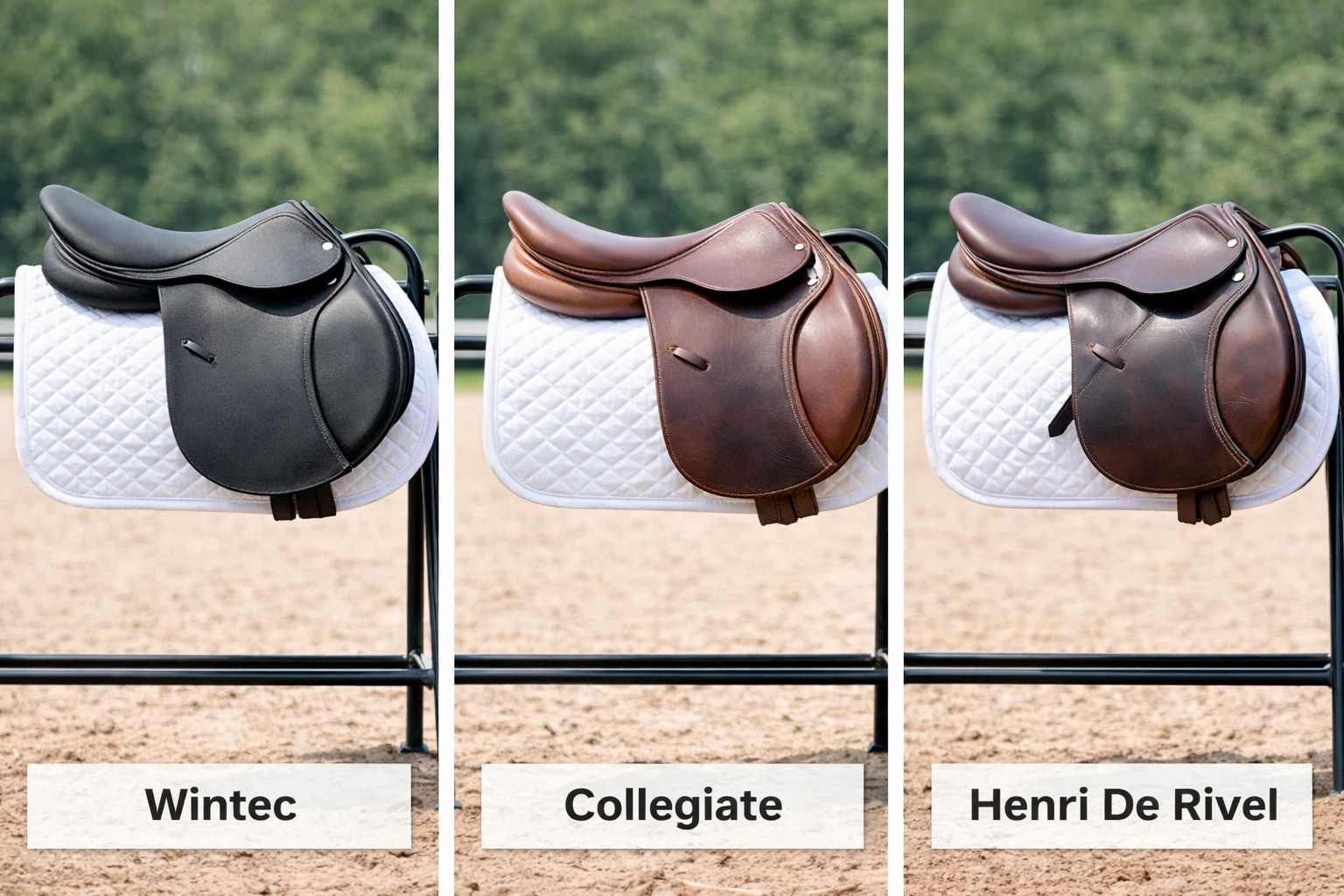
Choosing a beginner friendly close contact saddle doesn’t mean you have to compromise. There are some great options aimed at new riders, growing kids, and those watching their wallet. Let’s take a look at a few solid picks for each group.
Adjustable Close Contact Saddles
- Wintec 500 Close Contact Saddle (adjustable gullet system, lightweight and easy to maintain) — check current pricing and availability here.
- Collegiate Close Contact Saddles with changeable gullet plates — see available models and seat sizes here.
These adjustable models are especially handy for lesson barns, growing horses, or anyone who wants flexibility as their riding needs change.
Budget Friendly Close Contact Saddles
- Bates, Crosby, or older Stübben models found used at reputable consignment shops or online tack sales
Bargain hunting can be rewarding if you know what to look for. Even older models from top brands can give years of good use if they’re in sound condition.
Youth and Pony Close Contact Saddles
- Henri de Rivel Advantage, especially models in pony or children’s sizes
- Tekna or other synthetic saddles for lightweight, easy cleaning
These pint sized saddles are great for smaller kids or ponies—lightweight and simple to care for, they let young riders focus on learning.
Common Mistakes Riders Make When Choosing a Close Contact Saddle
Buying Based on Brand Instead of Fit
The best name doesn’t help if the tree is too narrow or the seat is too small. I see many parents or new riders shop by the fancy brand, only to find it uncomfortable or impossible for their horse. Always fit first, brand second.
Choosing the Wrong Seat Size
Sizing up just in case or downsizing for a kid’s tiny legs can make for awkward and insecure riding. Stick to seat size charts and try sitting in a few models before ordering online if possible. Remember, a comfortable rider makes for a more comfortable horse.
Ignoring Horse Comfort
Even the nicest saddle is a problem if it creates dry spots, white hairs, or crankiness in your horse. Always double check fit, and remember that growing horses and ponies change shape fast. Keep an eye on your horse and check the fit regularly, especially after changes in workload or condition.
Final Thoughts on How to Choose a Close Contact Saddle
Picking out a close contact saddle isn’t just about looking good at the barn. It’s about comfort, security, and a safe, happy ride for you and your horse. Take your time, ask questions, and don’t be afraid to try several options before settling on a favorite.
Careful research and open communication with your saddle fitter or tack shop helps you find a saddle that fits right, rides well, and makes every jump feel more fun.
If you’re ready to start comparing beginner-friendly close contact saddles, you can check current availability and pricing for popular options like the Wintec 500 Close Contact Saddle or Henri de Rivel Advantage Close Contact Saddle here.
And no matter which saddle you pick, remember that riding is about enjoying the moment and growing together with your horse.