

Taking good care of your Bates Artiste Dressage Saddle makes a big difference in both comfort and how long it lasts. Saddle care isn’t just about keeping it looking sharp. It’s about protecting your investment and making sure every ride is smooth and safe.
If you’re new to looking after premium saddles, you might be surprised at how a few consistent habits help your saddle stay in great shape for years.
Through my own experience, I’ve realized that sticking with the right products and using proper cleaning methods pays off. Some generic leather products, especially heavy oils, can change the way your saddle fits or even void the warranty. For Bates saddles, using manufacturer-approved products gives the best results. Here’s my all-in-one guide to keeping your Bates Artiste Dressage Saddle looking and performing at its best, from your very first ride all the way to long-term maintenance.
Just a quick heads-up for transparency: this article may include affiliate links. If you choose to buy through one of them, I may earn a small commission at no extra cost to you. It helps support CharmingCanters.com so I can keep creating helpful resources for parents and young riders.
Setting Up Your Saddle for Success: Initial Conditioning
Bates recommends prepping your Artiste saddle before your first ride. This gives the leather a chance to soak up moisture and gain flexibility, helping it mold to you and your horse more quickly.
- Apply Bates Leather Balsam generously, especially on spots that get the most wear—like under the stirrup leathers and where your legs sit.
- Let the balsam absorb overnight so the leather gets the deepest benefit, then wipe away any extra in the morning.
Bates Leather Balsam is ideal for first conditioning because it hydrates and protects the leather right away, forming a light barrier against moisture and grime. Avoid using alternative oils or household items, since those can make the leather too soft, sticky, or potentially void your warranty.
Essential Daily and Weekly Cleaning
Regular attention doesn’t have to be complicated, but it’s super important for a dressage saddle that sees regular use. Dirt, sweat, and horsehair are tough on quality leather, and light cleaning helps prevent the need for bigger restoration work later on.
Quick Wipe-Downs After Each Ride
- Right after riding, use a clean, damp cloth to wipe the saddle. This helps keep salt and dirt from settling deep into the leather.
Weekly Deep Clean
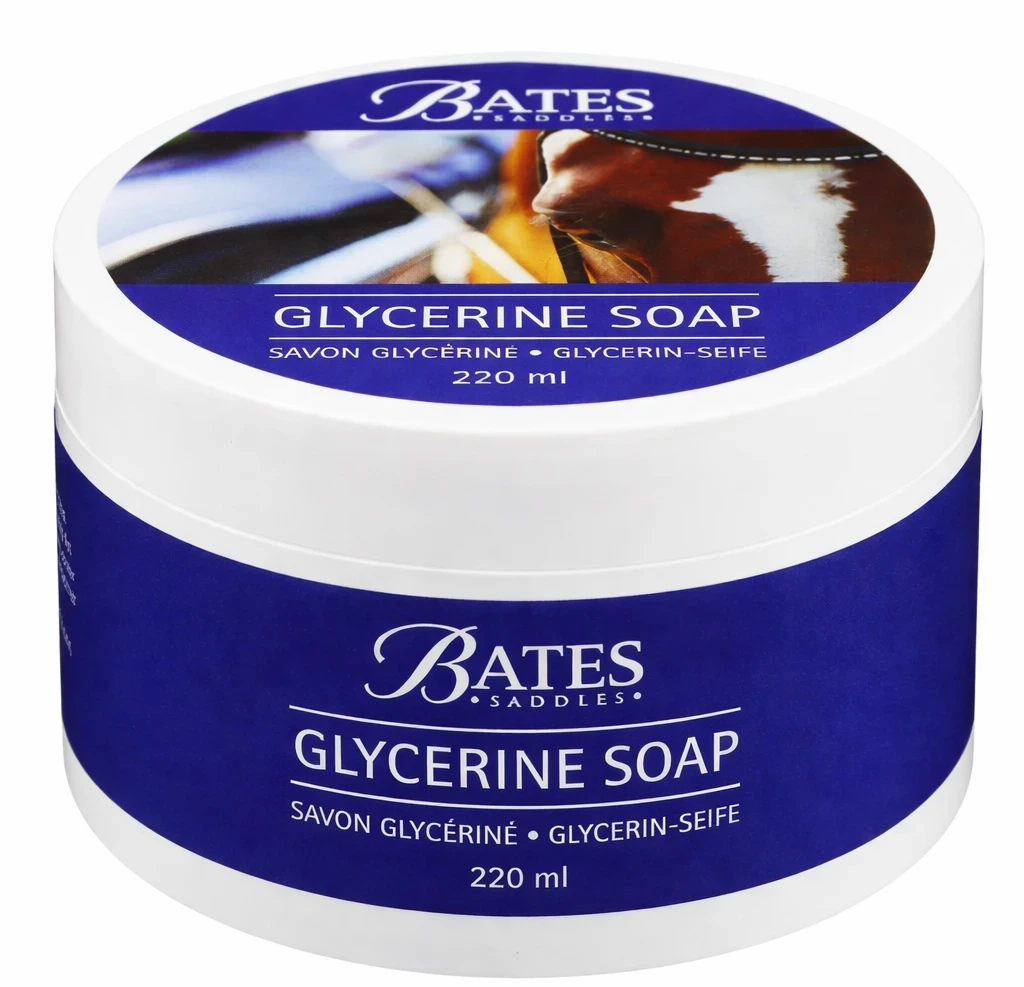
- Use Bates Glycerine Soap for a deeper clean. Gently work up a lather, making sure to clean all surfaces and pay close attention to high-friction areas.
- Keep sponges just damp enough to lift residue, but avoid soaking the leather.
Conditioning and Protecting the Leather
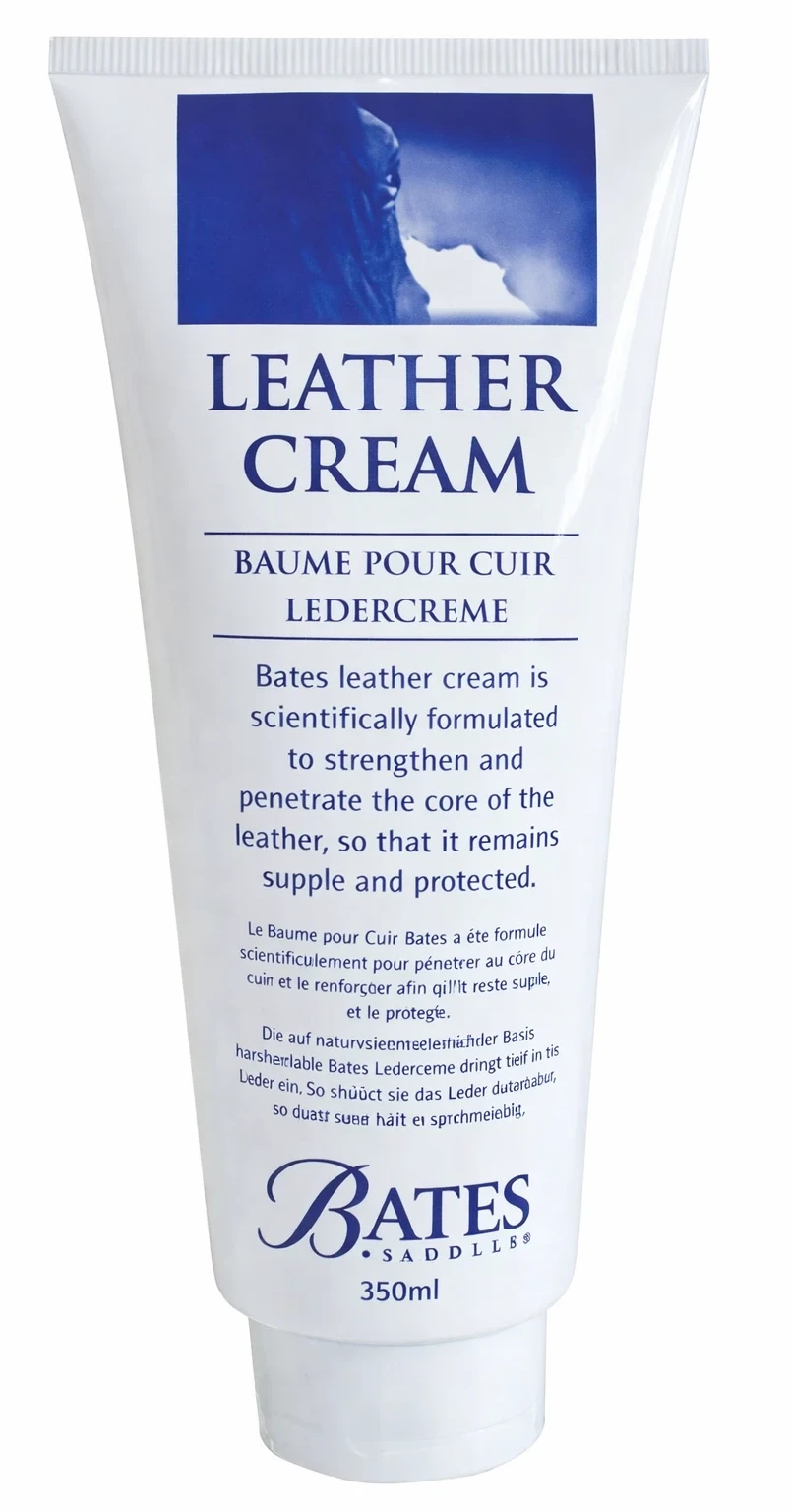
Even the best-maintained leather gradually loses moisture and flexibility. Conditioning helps restore what daily use takes out, preventing cracks and keeping your saddle feeling grippy and smooth.
- Bates Leather Balsam stands out for this step. Use it every few weeks, or anytime your saddle looks dull or feels dry.
Pick some up from State Line Tack. For lighter touch-ups, Bates Leather Cream also does the job. - Pay extra attention to high-wear spots like under the stirrup leathers and by the knee blocks, since these areas get the most abuse with every ride.
- Let products soak in for a while before buffing away extra with a clean, dry cloth. Extra residue can make tack feel slippery and attract dust from the barn.
What to Avoid With Bates Saddles
Not every leather product works well for your Bates Artiste. Using the wrong stuff can actually harm your saddle or cancel the warranty.
- Skip heavy oils, like neatsfoot or mink oil; these can seep into the panels and padding, making things mushy or even warping the fit.
- Avoid harsh soaps or cleaners that contain alcohol, bleach, or other strong chemicals. These strip essential oils from leather and slowly break down the stitching.
- Never soak or submerge your saddle. If it gets caught in the rain, dry it gradually in a cool, dry place. Don’t use direct sunlight or heat sources, which can dry or crack the leather.
- Stick with Bates Products – Using products designed specifically for this saddle is best
Weather, Rain, and Mold: What Bates Artiste Owners Should Watch For
Leather saddles like the Bates Artiste are designed to perform, but they’re also sensitive to environmental conditions. Excess moisture, humidity, and sudden temperature changes are some of the fastest ways to shorten a saddle’s lifespan if you’re not careful.
Avoid riding or storing your saddle when it’s soaked through from rain. If it does get wet, let it air-dry naturally in a well-ventilated space—never use heat, hair dryers, or direct sunlight, which can cause leather to stiffen or crack. In humid climates or busy barns, mold can also become an issue if saddles are left in damp tack rooms or covered without airflow.
Simple habits like wiping down sweat after every ride, using breathable saddle covers, and checking your tack room’s airflow go a long way in protecting your investment. If you want a deeper routine that covers moisture control, seasonal care, and mold prevention, I break it all down in my English saddle maintenance tips guide, which pairs perfectly with the care steps you’re already following here.
Extra Tips for Saddle Longevity
Over time, I’ve learned a few habits that really help my saddle stay almost like new, no matter how often I ride:
- Always set your saddle on a proper rack with smooth supports. This prevents the panels from forming pressure marks or getting misshaped over time.
- Cover your saddle with a breathable cover after use. This keeps out dust while still letting moisture escape.
- Let it air out naturally if it gets damp or sweaty—never stash it away wet, or you might end up with mildew or soft leather that’s hard to fix.
- Inspect your saddle regularly for wear and tear: keep an eye out for loose stitching, thinning around the billets, or cracked areas from frequent rubbing. Fixing small issues early can save you from major repairs down the road.
It’s also worth occasionally cleaning your stirrup leathers and checking the underside panels for dirt buildup. Saddle soap and balsam can keep all the moving parts working smoothly, not just the leather you see on top.
Common Questions About Bates Artiste Saddle Care
Do I really need the official Bates products?
This comes up a lot! If you want to keep your warranty and help your saddle last, it makes sense to stick with Bates Leather Balsam, Leather Cream, and Glycerine Soap. Generic or untested cleaners might damage your saddle and leave you with unexpected problems.
How often should I condition my saddle?
If you ride most days, condition with balsam or cream every few weeks. For less frequent riding, once a month is usually enough. Watch for dullness or dryness and bump up care when the saddle needs it. Adjust depending on the climate too—hot, dry areas require more conditioning than damp climates.
What’s the best way to keep my saddle looking sharp between deep cleans?
- Use a soft brush to whisk away dust and hair before you tack up.
- Wipe off mud, sweat, and horse slobber right after riding, so grime doesn’t sink in.
- Give a quick once-over for scuffs or loose stitching at least once a week.
Many riders also use a small towel or buffing cloth to bring out a shine before shows or clinics. It’s a quick step that makes your saddle really stand out in the ring.
Last Notes and Easy Steps to Keep in Mind
Looking after a Bates Artiste Dressage Saddle isn’t difficult, but being consistent matters most. A few minutes after each ride, plus a simple deep clean once a week, means you’ll have a saddle that feels great and stays looking next-level cool for years to come.
Your Simple Care Routine:
- Right after riding, wipe down your saddle with a damp cloth so sweat and dirt don’t settle in.
- Each week, clean with Bates Glycerine Soap for a gentle but deeper clean.
- Condition with Bates Leather Balsam anytime your leather looks or feels dry, dull, or scuffed—focusing on high-wear areas.
- Store the saddle properly and watch out for early wear or small damage.
Caring for your Bates Artiste Dressage Saddle is one of the simplest ways to protect your investment and keep every ride feeling balanced and comfortable. With regular cleaning, proper storage, and a few smart habits, your Artiste can look—and perform—beautifully for years.
If you’re considering the Bates Artiste or want to double-check fit, features, and current pricing, head over to my in-depth Bates Artiste Dressage Saddle review here so you can make the most informed choice before you ride.
This is such a helpful breakdown! I’ve had my Bates saddle for about 2 years now, and I wish I’d known some of these tips from the start. I made the mistake early on of using a generic leather conditioner I had lying around, and I noticed the leather started feeling a bit too soft and almost sticky in humid weather. Switching to the Bates Leather Balsam made all the difference, the leather feels more supple but still has that nice grip.
One thing I’d add from my own experience: I keep a small “saddle care kit” in my tack box with a couple of clean cloths, a soft brush, and a travel-size container of glycerine soap. It takes maybe two minutes after each ride to do a quick wipe-down, and it’s honestly become part of my cool-down routine now.
Thanks for putting this all in one place, definitely bookmarking this for reference!
Hi Abby.
I love this — thank you for sharing your experience! That “too soft and sticky” feeling in humid weather is exactly what can happen when a heavier, generic conditioner is used on modern leather. I’m so glad switching to the Bates Leather Balsam made a difference for you. It really does strike that nice balance between suppleness and grip.
And your saddle care kit idea? Brilliant. Keeping everything in your tack box and making it part of your cool-down routine is such a simple habit, but it makes a huge difference over time. Those quick two-minute wipe-downs are what keep a saddle looking and feeling great years down the road.
Thanks again for adding your tip — I’m sure other riders will find that routine super helpful!
Hello Shalisha,
This was such a down-to-earth and practical guide, and I loved how you made caring for a Bates Artiste dressage saddle feel doable instead of intimidating. I’ve always appreciated quality tack, but the maintenance part sometimes feels like a mystery — your step-by-step tips on cleaning, conditioning, and storing really made sense and feel like something I could actually stick with. It reminded me that a little regular care goes a long way in keeping the saddle comfortable for both horse and rider, and it took the guesswork out of what products to use and what to avoid. I’m curious which part of the routine you think makes the biggest difference long term, because I’d love to focus on the things that truly extend the life of a saddle rather than just doing all the steps because they sound right.
Angela M 🙂
Hi Angela — thank you so much for such a thoughtful comment. I’m really glad the guide helped make the care routine feel approachable
If I had to pick one thing that makes the biggest long-term difference with the Bates Artiste, it would be consistent light cleaning after rides, especially around the sweat zones and billets. Removing sweat and dirt before it dries out the leather (and the CAIR panel seams) does more to preserve suppleness and stitching than heavy conditioning done too often.
Think of conditioning as the support act, not the main event — occasional, targeted conditioning keeps the leather nourished, but regular gentle cleaning is what truly extends the saddle’s life and keeps it comfortable for horse and rider. You’re absolutely right that a little, done consistently, goes a very long way.