
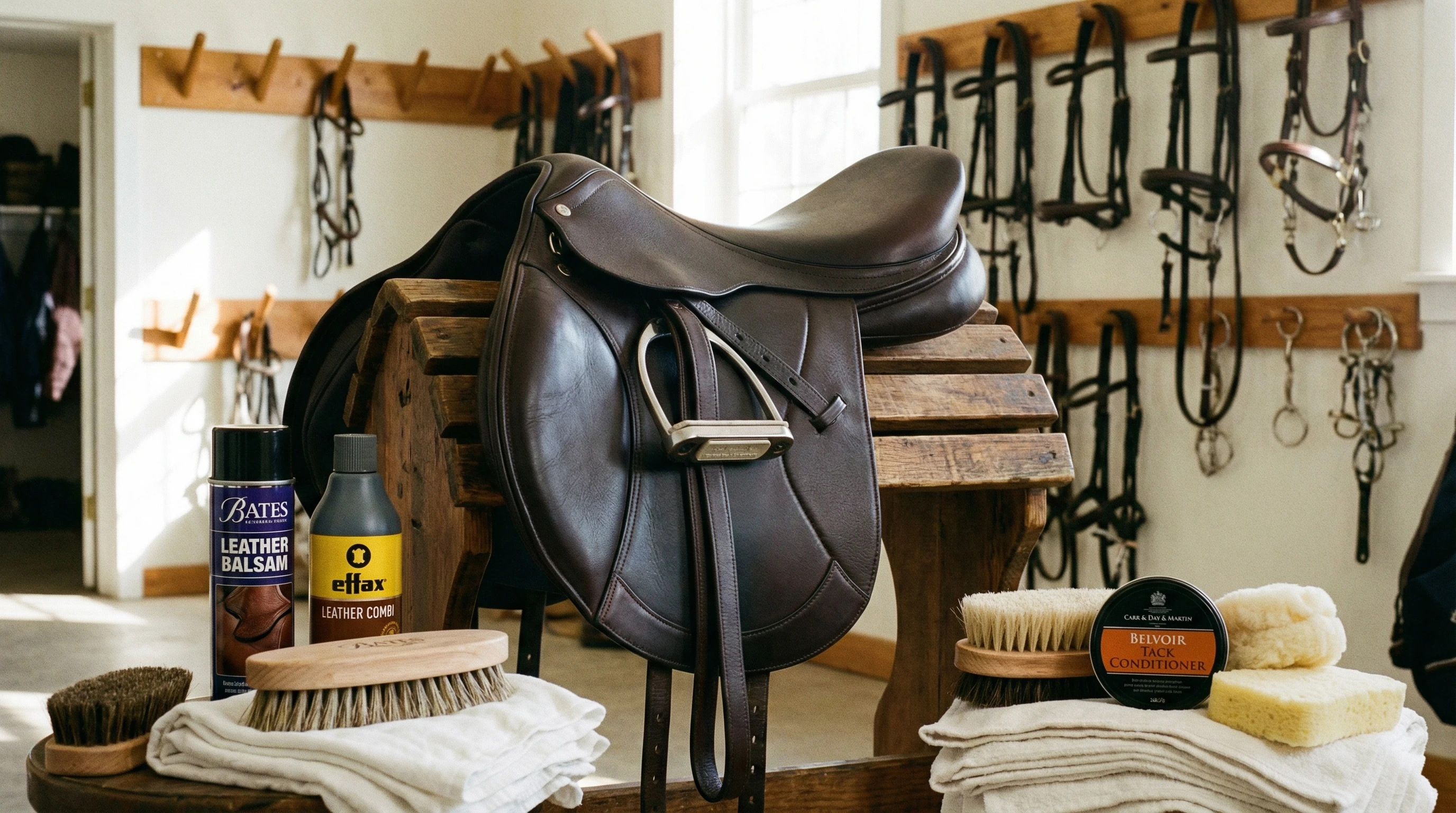
Buying a Bates Advanta Eventing Saddle for your child is a pretty big deal. Between comfort, performance, and the investment level, it’s only natural to want to protect it properly so it stays safe, supportive, and long-lasting for years to come.
It’s the kind of saddle that helps young riders build confidence—whether they’re polishing skills in the arena or heading out onto the cross-country field. If you’re still deciding whether this saddle is the right fit for your rider and horse, I break down performance, adjustability, and who it’s best for in my Bates Advanta Saddle Review—that can be a helpful read alongside this care guide.
Before we go any further, just a quick note for transparency: this article may contain affiliate links. If you choose to purchase through one of them, I may earn a small commission at no extra cost to you. It helps support CharmingCanters.com and allows me to keep creating practical, parent-focused riding resources.
Okay—let’s continue.
After that exciting first ride, many parents start wondering how to keep the saddle in top condition. Those concerns are completely normal. Quality leather tack requires regular care and a little know-how, especially when your goal is maintaining comfort, safety, and performance as your rider grows.
This guide walks you through the essentials—plus a few pro tips—for caring for your Bates Advanta Eventing Saddle so it continues to look great and perform the way it was designed to.
Along the way, you’ll also find bonus tips to help you handle the occasional curveballs that come with saddle care and everyday horse life.
Keeping the Saddle Safe & Comfortable
The number one priority for most parents is making sure the saddle stays safe for every ride. That means the leather shouldn’t crack or get too slippery, the stitching should hold up, and the fit needs to stay supportive for both your child and their horse. Because the Bates Advanta uses high-quality leather and performance panels, proper maintenance plays a major role in long-term comfort and fit.
Routine Saddling & Inspection
- Before every ride, check the girth straps, billets, and stirrup leathers for any signs of fraying or stretching.
- Use a soft, damp cloth to wipe away arena dust or sweat right after rides. Quick clean-ups prevent long-term grime buildup.
- If the horse is muddy or sweaty, wipe the underside panels as well; salt and mud can dry out the leather over time.
Staying on top of these small checks goes a long way in preventing issues. Small cracks or worn areas are much easier (and cheaper) to fix when caught early.
In addition, making these checks a regular habit helps kids learn responsibility and care for their equipment—an added bonus!
Understanding the Right Cleaning Products
Bates Advanta saddles are made from high-quality leather, which means not all cleaning products are created equal. Using the wrong cleaner can actually dry out or damage the leather finish. To keep your investment looking its best, always opt for products made with fine tack in mind.
Keeping leather supple not only improves safety but preserves the performance features we highlighted in our Bates Advanta Saddle Review.
Recommended Products for Bates Saddles
- pH balanced leather cleaner; mild, saddle-specific soap is super useful for removing sweat and dirt without stripping natural oils.
- Leather conditioner; look for a product recommended by Bates or one made for fine English tack. Conditioner keeps leather supple, but avoid anything greasy that can clog the pores.
- Nonabrasive sponges or cloths; microfiber or soft cotton cloths won’t scratch leather and help spread cleaner more evenly.
Make sure any product you use is free of harsh chemicals or alcohol. If you’re ever unsure, test a small, hidden area first to see how it reacts. And remember, sometimes less is more—a little product goes a long way!
Preventing Damage from Moisture and Mold
Moisture is one of the quickest ways to ruin a beautiful saddle. Mold and mildew love damp, dark tack rooms and can cause stains or ruin the leather’s structure.
Moisture Prevention Tips
- After every ride, make sure the saddle is dry before storing it. If it gets rained on or really sweaty, use a soft towel to dab off excess moisture, then let it air dry in a well-ventilated space.
- Avoid covering a damp saddle with a saddle pad or saddle cover. Trapped moisture is basically an invitation for mold.
- If you find any mold spots, gently wipe them with a slightly damp cloth and then apply a saddle-safe leather cleaner. For stubborn spots, a 1:10 mix of vinegar and water can help, just use it sparingly.
Humidity in the tack room can be a problem. Try using moisture-absorbing packs or a dehumidifier in really damp weather to keep saddles fresher for longer. Climates with high humidity need extra vigilance in keeping an eye out for mold and mildew.
Checking for Wear & Tear That Could Become a Safety Issue
Even the best-maintained saddles can eventually show signs of use. The stakes are higher with kids’ safety, so knowing what to spot is really important.
What to Watch For
- Cracks at stress points, especially near the stirrup bars, girth straps, and seat joins.
- Worn stitching; stitching that comes undone on the panels or billets can quickly become a weak point.
- Loose or damaged tree; if the saddle feels uneven or makes noises when flexed, have a professional saddler inspect it.
If you’re ever in doubt, check in with your local saddler or Bates dealer and ask them to take a look. Professional checks are worth it, especially as young riders grow and use the saddle more often.
Long-Term Preservation & Value
With consistent care, the Bates Advanta can stay comfortable, supportive, and safe through growth stages and riding progression—preserving the long-term value of the Bates Advanta for years to come.
Plus, a well-cared-for saddle feels softer and looks next-level cool in any show ring photo.
Best Practices for Preserving Value
- Keep up with monthly conditioning, focusing on high-stress areas and any spots that look dry or faded.
- Avoid over-conditioning; using too much product too often can make leather too soft or sticky.
- Store manuals, warranty cards, and any original accessories; these are handy reminders of value for future buyers.
If you’re planning to pass the saddle down to a younger sibling or sell it, keeping a record of your care routine and any professional maintenance work can boost its resale value or hand-me-down appeal.
Safe Storage & Transport
Where and how you store the saddle makes a real difference for its lifespan, comfort, and safety.
Safe Storage
- Always use a well-padded, sturdy saddle rack to prevent warping.
- Keep the saddle out of direct sunlight or drafty barn aisles. Direct sun can fade leather, while hot or cold fluctuations dry it out or make it crack.
- Use a breathable saddle cover made from cotton or another fabric that wicks moisture instead of a plastic cover.
Transporting the Saddle Safely
- Use a padded saddle bag when taking the saddle to shows or lessons. Hard knocks in the trailer or truck can dent or scuff leather.
- Let the saddle breathe after rides, even when you’re on the road; don’t wrap up a sweaty saddle tightly.
Safe storage and careful transport go far in reducing scratches and dents and help your saddle last for all those lessons, events, and adventures yet to come.
Avoiding Common Mistakes
Even with the best intentions, every tack room sees a few mishaps. Here are a few things I wish I’d learned sooner, so you can steer clear of them:
- Don’t use household cleaners. Even baby wipes and all-natural sprays can hurt quality tack.
- Skip over-conditioning. More isn’t always better; stick to the product instructions.
- Avoid hanging the saddle in wet, dark spaces. Garage storage or low barn corners almost always mean a moldy mess.
- If the child rides multiple horses, check the fit on each. Using the saddle on horses it doesn’t fit can stress seams and stretch panels in weird ways.
Frequently Asked Questions
How often should I condition the saddle?
Light conditioning once a month is pretty standard, but if the saddle gets lots of use, more frequent care might help. Too much conditioning isn’t a good thing, though; it can clog the leather and make it too soft.
My saddle got soaked in the rain. What should I do?
Blot it with a soft towel, let it air dry out of direct sun, and avoid using a heater. Once it’s dry, apply a little leather conditioner. Don’t rush drying with heat; it can cause more cracks than the rain ever will.
What’s the safest way to clean sweat off after a long event?
Wipe sweaty spots with a well-wrung damp cloth right after the ride. Then let it air out before fully cleaning or conditioning that evening.
Is the Bates Advanta the Right Long-Term Choice?
As riders grow and progress, many parents also find themselves comparing different saddle options to be sure they’re making the right long-term choice. The Bates Advanta and the Pessoa Junior are two popular saddles often considered for developing riders, each offering different benefits depending on fit, adjustability, and riding goals.
If you’re weighing these options or wondering how they compare as your child advances, this Bates Advanta vs Pessoa Junior saddle comparison breaks down the key differences to help you decide what makes the most sense for your rider and horse.
Final Tips Going Forward
Taking care of a Bates Advanta Eventing Saddle comes down to a few steady habits: regular cleaning, the right products, safe storage, and a close eye on any signs of wear.
Investing a little time after each ride helps the saddle stay comfortable for your child, and safe for their horse, and keeps it ready for whatever new riding adventures are ahead.
If you have any saddle care tricks of your own, I’d love to hear what’s worked for you! And remember, making a routine of it now pays off big time in the long run—your child’s saddle (and your wallet) will thank you.
Want help picking out the right eventing gear? Check out our full Bates Advanta Saddle Review for performance insights and buying guidance.
I really enjoyed reading your detailed guide on caring for a Bates Advanta Eventing saddle and found the emphasis on keeping the leather clean, supple, and free from moisture especially helpful. I appreciate how the article breaks down simple everyday routines like wiping away sweat and checking girth straps after each ride, which makes saddle care feel much more doable. You also offer great tips on preventing mold and ensuring the saddle stays comfortable and supportive for years. I’m curious, have you found any specific pH‑balanced leather cleaners or conditioners that work particularly well with the Bates leather without making it too soft or sticky?
Hi Hanna. Thanks for your question. I don’t have experience using other products when it comes to Bates saddles. I find that it’s best to stick with Bates cleaning and conditioning products if you have a Bates saddle.
This article offers a clear and practical overview of caring for a Bates Advanta eventing saddle, and I appreciate that it treats maintenance as part of horsemanship rather than an afterthought. Proper care directly affects comfort, longevity, and performance, yet it is often reduced to quick cleaning routines without much understanding of the materials involved.
One point that stood out to me is the balance between regular cleaning and avoiding over conditioning. Modern leather and synthetic components clearly require a more nuanced approach than traditional saddles did. That raises interesting questions about how riders adapt long standing care habits to newer saddle technologies without doing unintentional harm.
I also found the attention to storage and environmental factors important. Saddle care does not stop once you leave the barn aisle. Temperature, humidity, and daily handling all quietly influence how a saddle ages and performs.
My question is this: for riders transitioning from more traditional leather saddles to models like the Bates Advanta, what are the most common care mistakes you see, and which old habits should be unlearned first to ensure the saddle maintains its structure and performance over time?
Hi Farid.
Thank you — I really appreciate how thoughtfully you read the article. You’re absolutely right: with something like the Bates Advanta, care isn’t just “wipe and oil.” It’s understanding the materials and adjusting habits accordingly.
The most common mistakes I see from riders transitioning from traditional all-leather saddles are:
1. Over-oiling out of habit.
Older saddles often tolerated heavier conditioning. The Bates Advanta’s modern leather and synthetic panels don’t need (and don’t respond well to) frequent oiling. Too much conditioner can soften the leather excessively and compromise structure and grip. With this model, light conditioning only when the leather actually feels dry is key.
2. Treating it like a fully traditional wool-flocked saddle.
Because the Advanta uses the CAIR system and adjustable gullet, riders sometimes forget that balance adjustments aren’t about stuffing flocking — they’re about correct fit and proper setup. Regular fit checks matter more than “maintenance fluffing.”
3. Using harsh cleaners or glycerin soaps too frequently.
Modern finishes don’t need heavy soap after every ride. A damp cloth for routine wipe-downs goes a long way, with deeper cleaning done periodically — not daily.
4. Poor storage habits carried over from “tougher” old saddles.
Extreme heat, tack trunks in trailers, or damp tack rooms can affect adhesives, synthetic components, and panel systems over time. Consistent, moderate storage conditions matter more with newer technology.
If I had to name the first habit to unlearn?
Heavy oiling as a default solution.
With the Advanta, think maintenance through consistency and restraint, not saturation. Clean gently, condition sparingly, store wisely — and the saddle will hold its structure, balance, and performance for years.