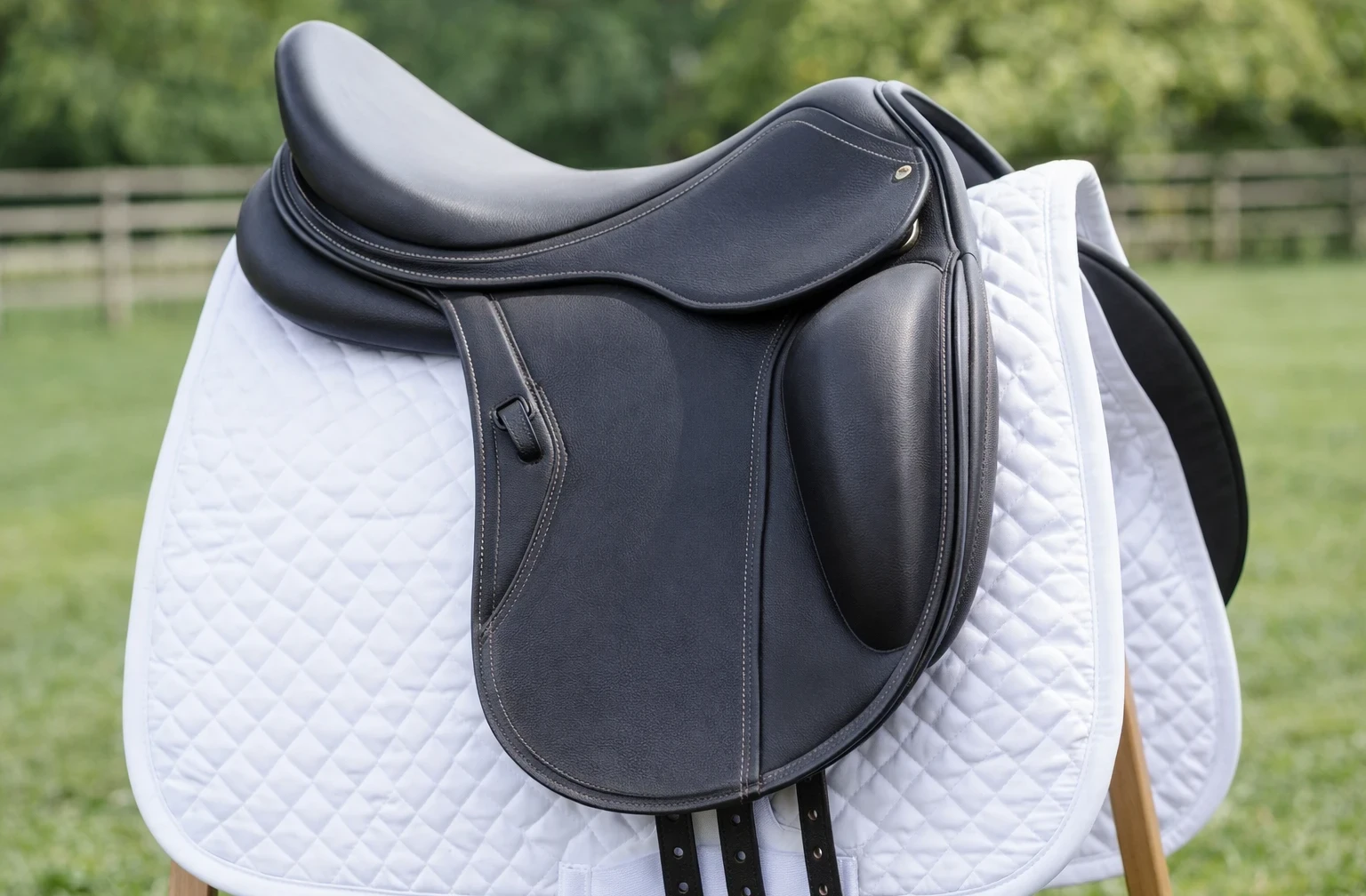
A dressage saddle comparison guide helps riders evaluate saddle fit, seat depth, tree type, panel design, and price so they can choose a saddle that supports correct position while keeping the horse comfortable and balanced.
If you’re after a dressage saddle, there’s a lot more to finding the perfect one than just picking your favorite color. Dressage riders know that comfort, position, horse fit, and adjustability should all work together.
I put together this guide to help you compare dressage saddles side by side, making the choice easier and helping you ride happier. From tree types down to picky details like kneeblocks and leather, this breakdown will get you ready to shop smarter.
How Saddle Shape Impacts Horse Fit
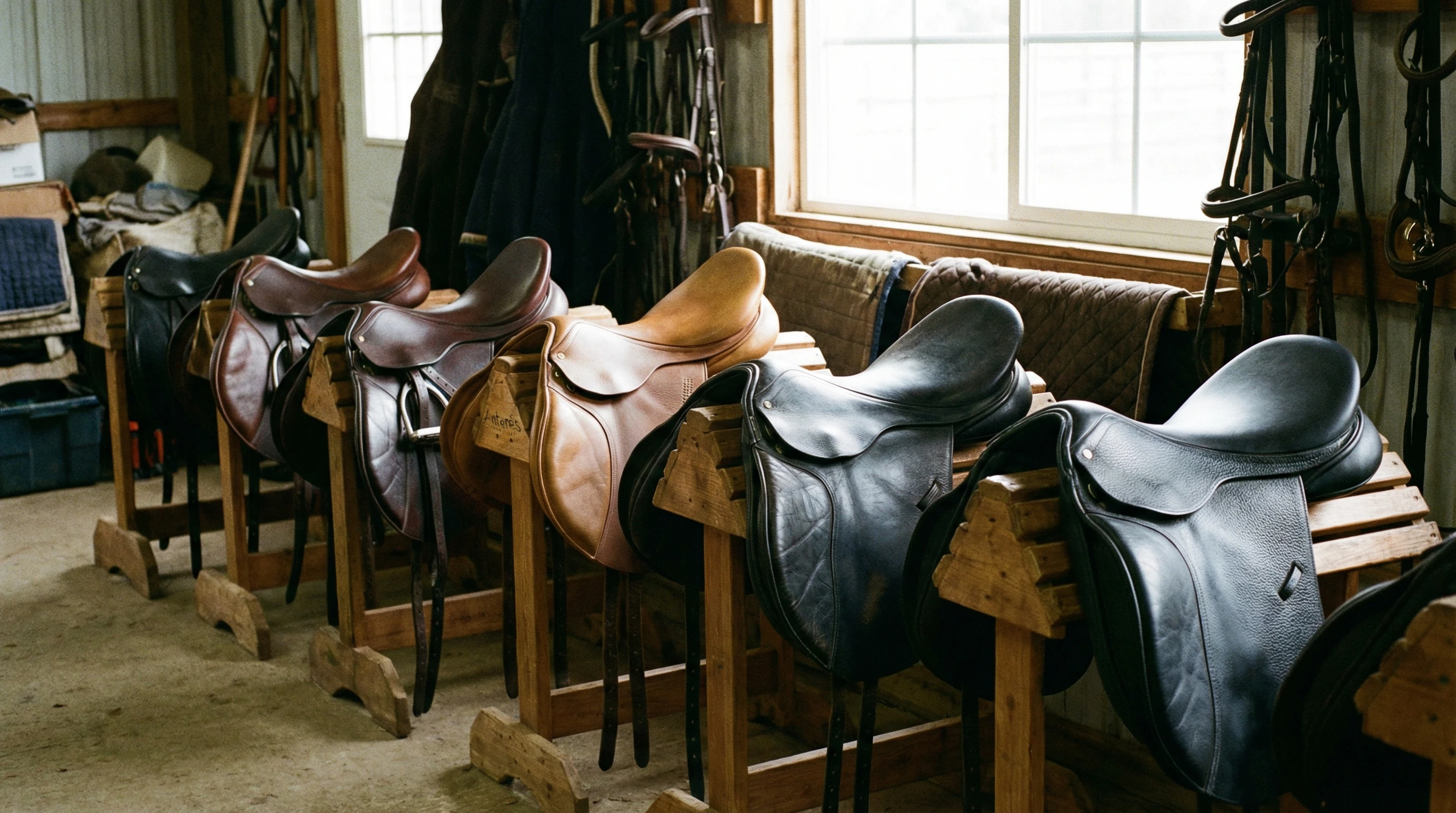
Dressage saddles come in a dizzying range of shapes, and not every one will work for every horse. The saddle tree, panel shape, and clearance all make a real difference for your horse’s comfort and your ride.
Let’s break it down into a few points:
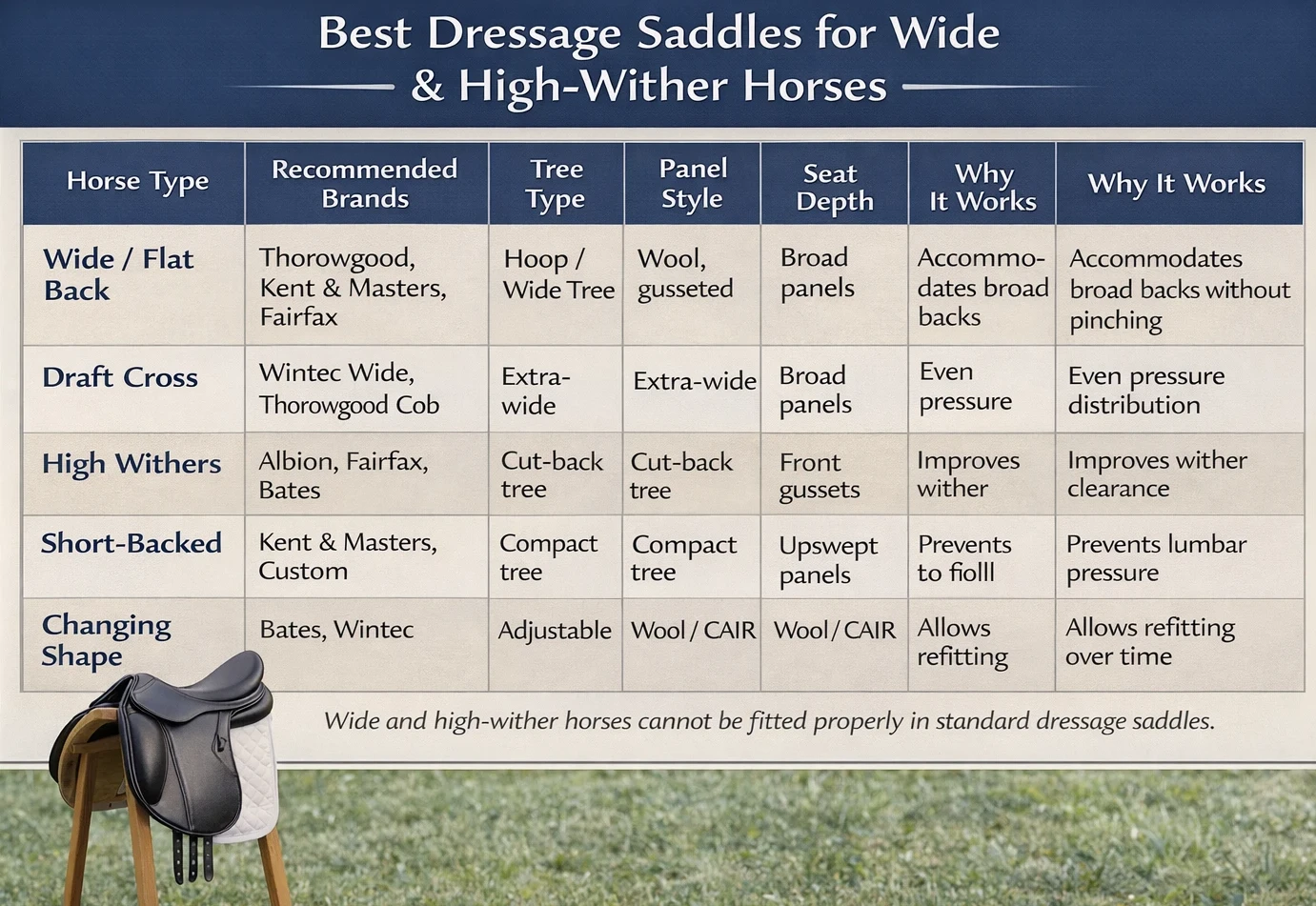
- Tree Width & Shape: Trees come in standard (often more V-shaped) or hoop (Ushaped) types. A hoop tree is great for widebacks or baroque breeds, while sportier types often need a standard tree.
- Panel Contact & Balance: Well-built panels (the padded underside) need to sit level, spreading your weight evenly. This is key for comfort and performance. Flat panels can cause bridging and pressure points on a curvy back, so check for even contact along the full length.
- Wither Clearance & Shoulder Freedom: High-withered breeds need space at the front to avoid pinching. Dropped panels or cutback pommels can help. Chunky, round horses may get restricted by too much panel padding, so it’s all about getting the right balance.
For wide horses like drafts or warmbloods, choose wider or hoop trees. If your horse has high withers, make sure there’s plenty of wither clearance and drop.
Shortbacked horses do best with compact panels and shorter overall saddle lengths, so you don’t go past the last rib and cause discomfort.
Rider Fit & Position: What Makes the Difference
Your saddle needs to fit you, too. Features like seat shape, twist, flap, and kneeblocks all shape your comfort and riding position:
- Seat Depth: Deep seats keep you secure and lined up, while semi-deep seats offer more room to move. Go with your riding style and what feels good.
- Seat Size & Twist Width: The seat size should suit your shape, not just your height. Riders with long thighs often favor a narrower twist for closer leg contact.
- Flap Length & Angle: Tall riders or those with long femurs may need longer, straighter flaps to keep the knee on the block. Short or angled flaps make things cramped or lose contact.
- Knee/Thigh Blocks: This is up to your taste. Larger blocks hold the leg still and are nice for beginners; smaller or moveable blocks let advanced riders have more subtlety.
If you spend long hours riding or compete at high levels, these small differences in features can transform your comfort, position, and consistency. If you’re unsure, sit in a couple demo saddles and you’ll spot what works.
Tree Type & Adjustability
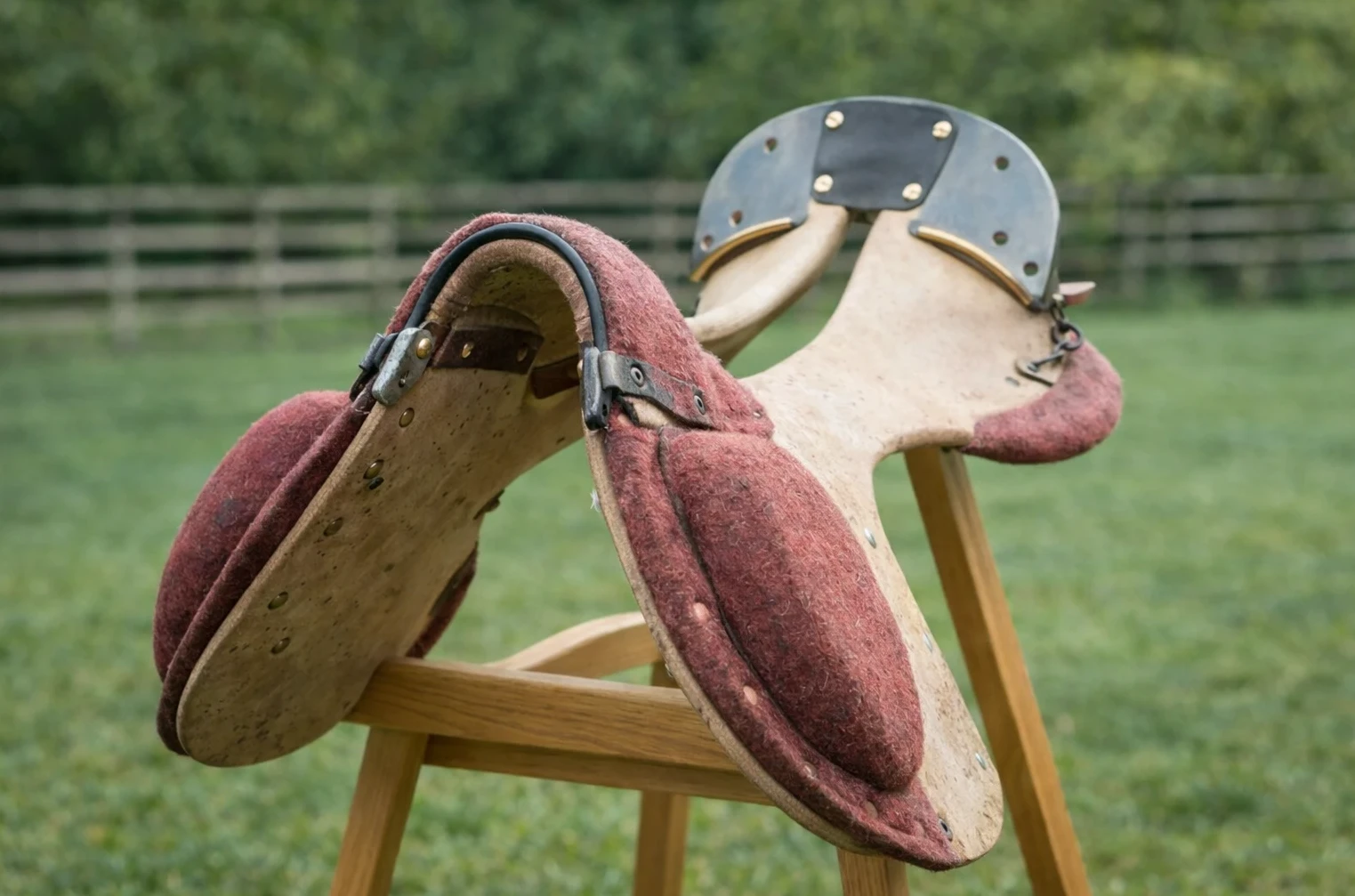
The tree forms the backbone of your saddle and has a big impact on fit and adaptability over time. Here’s what to look for:
- Fixed Tree: What you see is what you get. Fits great if it suits your horse; if your horse changes shape though, you’ll need saddle fitting help or a new saddle.
- Adjustable Gullet System: Good for horses who are growing or change shape through the year. Major brands use interchangeable plates or adjustment screws. Remember: this changes width, not the tree’s shape.
Adjustable systems are perfect for young horses, those in rehab, or anyone needing flexibility for several similar horses. They can be a budget-friendly pick because you won’t need new saddles too often.
Panel Design & Materials
Panels can be confusing, but they’re a huge part of the comfort and adjustability equation:
- Wool Flocked Panels: Stuffed with wool so a fitter can tweak balance and fit over time. This keeps the saddle fitting fresh but needs regular maintenance.
- Foam or Synthetic Panels: Lightweight, low maintenance—stay set but can’t be reflocked. If compression or warping occurs, panels or the whole saddle may need replacing.
- Gusseted vs Upswept Panels: Gusseted panels (with squared, builtup backs) help with level balance, suiting horses with flat backs. Upswept panels (curved at the rear) are good for shortbacked or rounder horses, easing pressure near the rear.
If your horse’s back shifts a lot, wool’s often best, since you can tweak fit. Foam is for riders who want a lightweight and mostly maintenancefree option.
Monoflap vs Dual Flap Dressage Saddles
This choice changes feel and cleaning more than you’d think:
- Monoflap: Just one flap sits between you and your horse, giving very close contact. They’re lighter and favored by advanced riders who want ultimate leg contact and minimal bulk. Billets are exposed, which helps with girth changes, but cleaning is harder and they cost more.
- Dual Flap: Standard dressage saddles have two flaps. These are sturdy, balance weight well, and are generally easier for beginners to use. The billets are hidden and they’re often more affordable.
Monoflaps help you fine-tune position and get max leg feel. Dual flaps are better for daily rides or beginners learning the ropes.
Leather Quality & Durability
Leather isn’t just about looks; it changes how a saddle feels and lasts:
- Fullgrain Leather: Soft, supple, and gets nicer with use. With care, it lasts ages, but costs more and needs regular attention to stay top notch.
- Corrected Leather: Treated for consistency, it’s less grippy but holds up well and is often cheaper. You’ll find it resists stains, but lacks that “butter soft” feel.
- Grippy vs Smooth Leather: Grippy leathers anchor your position—great for big moving horses or newer riders. Smooth leather moves a bit more easily but can be slippery at first.
- Break-in Time: High end leathers soften quickly. Cheaper leathers, or really thick options, can take quite a while to settle in.
Better leather usually justifies cost by holding up longer and feeling great to ride in. No matter what you pick, regular cleaning and oiling are a must to prevent cracks and wear.
Brand & Price Tier Comparison
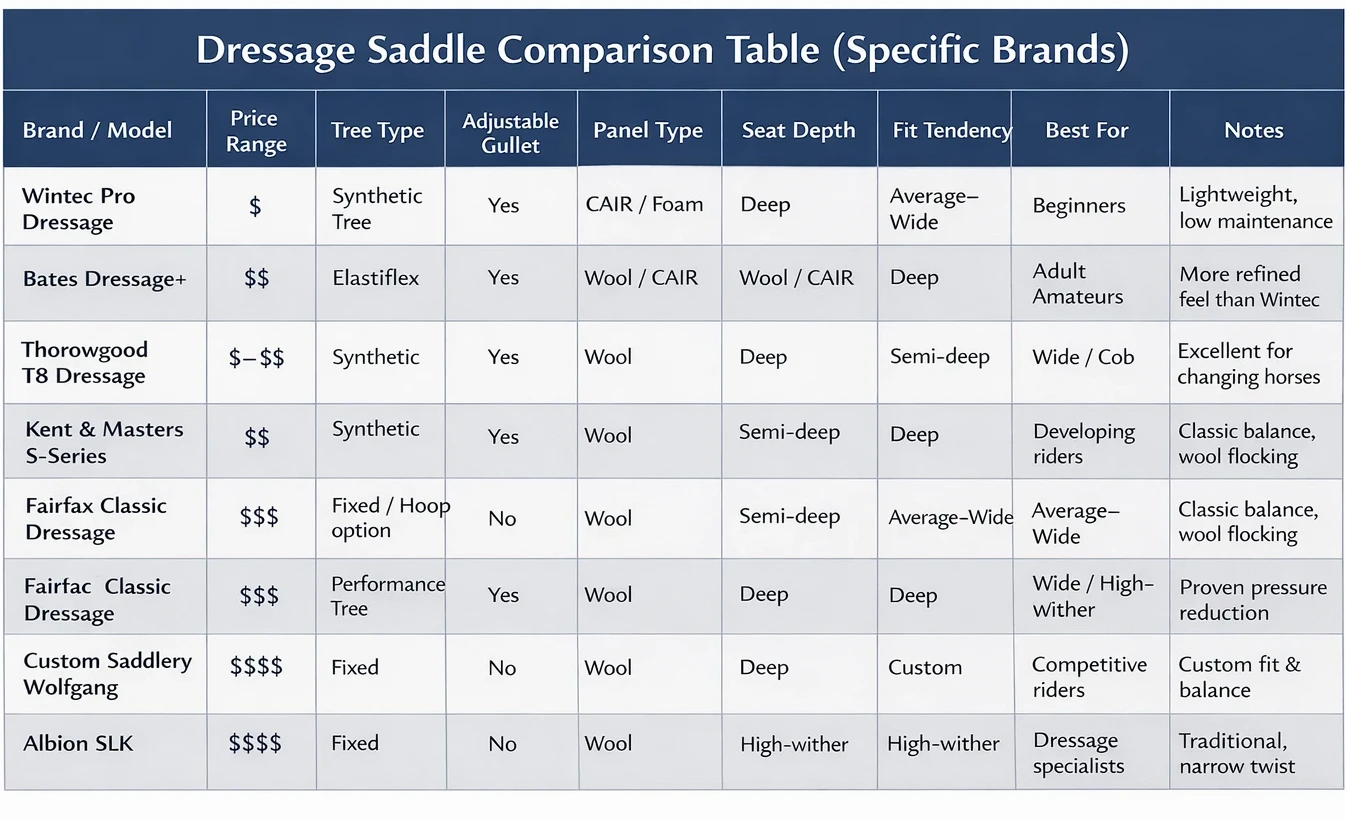 Saddles cover a lot of ground in terms of cost and features:
- Budget Brands (Wintec, Thorowgood, HDR): Perfect for new riders or tight budgets. Synthetics and adjustables stand out here. The fit is broader and less refined, but you get lots of flexibility for schooling or horses in transition.
- Midrange (Bates, Albion, Pessoa): Expect better customization, some wool flocking, and more options for width. Great fit for advancing riders and everyday use.
- Premium/Custom (Custom Saddlery, Schleese, Stubben, Prestige): This is where tailored fit, quality leather, and design details come into play. Great for tricky shapes or serious competition. Many of these offer custom panels or trees to match odd shapes.
If your horse has a unique build (really wide, high withers), look for brands that specialize in that area. Still unsure?
Test ride a few—one will probably “click” for both you and your horse.
New vs Used Dressage Saddles
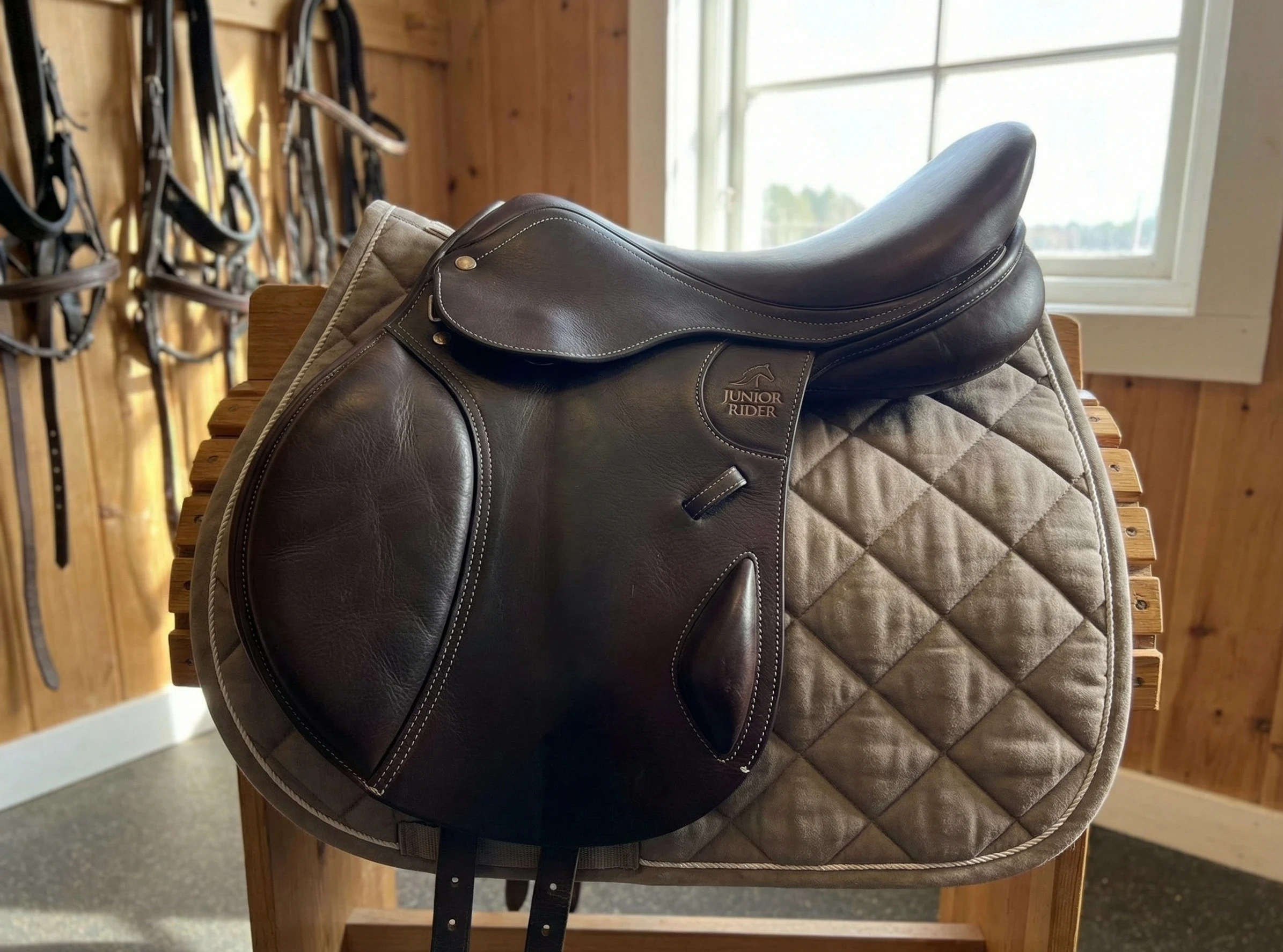
I’ve scored great saddles both ways. Here’s what sets each apart:
- New Saddles: Complete peace of mind, plus you can often pick a few custom tweaks. The only downside—expect to pay full price.
- Used Saddles: Much easier on the wallet, especially for top brands. Just remember to check for tree issues, uneven panels, and worn billets. Always inspect or get a pro involved if you’re not sure. (Affordable Dressage Saddles Under $2,000)
Go used for kids, casual riders, or if you’re still sorting out your preferences. Inspect for good stitching and structural soundness. Ask about repairs and past maintenance if possible.
Common Fitting Mistakes to Avoid
- Choosing Seat Size by Height Alone: Your thigh length and shape matter far more than just height or pants size.
- Ignoring Panel Balance: Even expensive saddles will make a horse cranky if the panels tilt forward or back.
- Buying Brand Name Only: Fit first, brand second. What works for your friend’s horse may not suit yours.
- Assuming Adjustable Means “Fits All”: Tree shape and width aren’t the same. Some horses don’t match certain models no matter the adjustments.
How to Compare Dressage Saddles Side-byside
- Fit Checklist: Make sure three fingers fit above the withers, panels are smooth and even down the back, and there’s no pinching at the shoulders or loin. Sit in each saddle—your leg should rest naturally, and you should feel centered over your stirrups.
- Questions to Ask Sellers: Ask about the tree type and width, flocking materials, last time it was reflocked or serviced, and any repairs. For used saddles, ask about recent professional fit checks.
- When to Bring a Pro Saddle Fitter: Anytime you’re spending real money, buying for a young or tricky horse, or suspect your horse is uncomfortable, a fitter’s eye is a huge help.
- Saddle Feature
- Why It Matters
- Good For
- Deep Seat
- More security, easier position
- Beginner/intermediate riders
- Semi-deep Seat
- More movement and flexibility
- Advanced or sensitive riders
- Wool Flocking
- Custom fit, adjustable over time
- Horses with changing toplines
- Adjustable Gullet
- Can widen/narrow for more horses
- Lesson barns, young horses
Frequently Asked Dressage Saddle Questions
How do I know if a dressage saddle fits my horse correctly?
Your saddle should distribute weight evenly, provide enough wither clearance, and shouldn’t tip front or back. It needs to allow shoulder movement and sit flush on the back, no bridging or pinching.
What’s the difference between deep seat and semideep dressage saddles?
Deep seats give extra security for sitting steady and tall, while semideep offers more movement and is better for riders who like following the horse’s motion.
Which dressage saddle brands are best for different budgets?
Wintec and Thorowgood shine for value. Bates and Albion rise in the midtier, while Custom Saddlery and Prestige are top picks if you want the fanciest features. Always check which fit your horse best.
Are adjustablegullet dressage saddles worth it?
They’re handy if you ride several horses or your horse’s shape shifts through the year. Remember, they change width but not the actual tree shape.
How do I pick flap length and block size for my riding?
Long legs or thighs need longer, straighter flaps. Big blocks help beginners keep their legs steady; smaller or movables let advanced riders tweak as needed.
What tree width works best for wide, highwithered, or shortbacked horses?
Wide horses need wide or hooptrees. Highwithered horses require lots of clearance and drop. Shortbacked horses do best with compact panels and short saddle lengths.
Is a monoflap dressage saddle better than dual flap?
Monoflaps offer closer contact and are lighter, but cost more and take more cleaning. Dual flaps are sturdy, familiar, and easier for daily care or learning.
Should I buy a new or used dressage saddle?
New offers peace of mind but costs more. Used saves money, but always check for soundness and repairs before buying.
How does panel design affect horse comfort and movement?
Good panels spread your weight and allow full range of motion. The wrong panel can lead to soreness or restricted movement.
Can one dressage saddle work for multiple horses?
If the horses are similar in type and size, some adjustablegullet or more open treeshape saddles might work.
For very different shapes, you’ll need different saddles or pro adjustments.
Want help narrowing it down? Start with our top-rated dressage saddles, organized by horse type and rider level.
👉 See our dressage saddle recommendations
Fantastic comparison, Shalisha. This dressage saddle guide breaks down a complicated purchase into clear, practical steps that riders can actually use. I love how you balance horse fit and rider position, especially the explanations of tree shapes, panel contact, and wither clearance—those details are often overlooked but make a huge difference in comfort and performance. The side-by-side approach to seat depth, flap length, blocks, and adjustability really helps riders understand why one saddle works and another doesn’t. Your notes on wool versus foam panels, monoflap versus dual flap, and new versus used saddles are especially helpful for budgeting smarter without sacrificing fit. This guide feels honest, experience-based, and easy to follow, whether someone is buying their first dressage saddle or upgrading for competition. A genuinely valuable resource for happier horses, more balanced riders, and more confident saddle shopping from start to finish for everyone.
Hi Andre! Thank you so much for this thoughtful and encouraging feedback! I’m really glad the side-by-side comparisons and fit details resonated with you—those small things truly do make a big difference for both horse comfort and rider balance.
It means a lot to hear that the guide felt honest, practical, and helpful for riders at different stages, especially when it comes to budgeting without compromising fit. I really appreciate you taking the time to share such kind words, and I’m thrilled you found the guide valuable.
Happy riding, and thank you again for being here!
Hello Shalisha!
This was such a helpful and down-to-earth guide — thank you for putting it together! I don’t ride dressage myself, but I’ve always been curious about how different saddles can really change a horse and rider’s comfort and performance. Your comparisons made the differences feel real instead of just technical jargon.
I liked how you talked about fit and balance rather than just brand names — it reminds me that the “best” saddle truly depends on the individual horse and rider, not just what looks fancy on paper.
Do you find that certain saddle features make a bigger difference for beginners versus more advanced riders? And if someone were testing saddles in a tack shop, what’s one question you’d want them to ask before making a decision?
Thanks again — this gave me a way better picture of what to look for if I ever dive into dressage gear!
Angela M 🙂
Hi Angela. Thank you so much for the thoughtful feedback. I’m really glad the guide made the differences feel practical and approachable.
For beginners, features that support balance and stability tend to matter most, like a well-centered seat, moderate knee support, and a saddle that helps the rider stay aligned without feeling restrictive. More advanced riders often notice finer details, such as how close the contact feels or how the panels support subtle aids.
If someone is testing saddles in a tack shop, one great question to ask is: “How does this saddle support correct balance for both me and my horse?” That keeps the focus on fit and function rather than just brand or appearance.
Thanks again for reading — and if you ever do dive into dressage, you’ll already have a solid foundation to start from!