
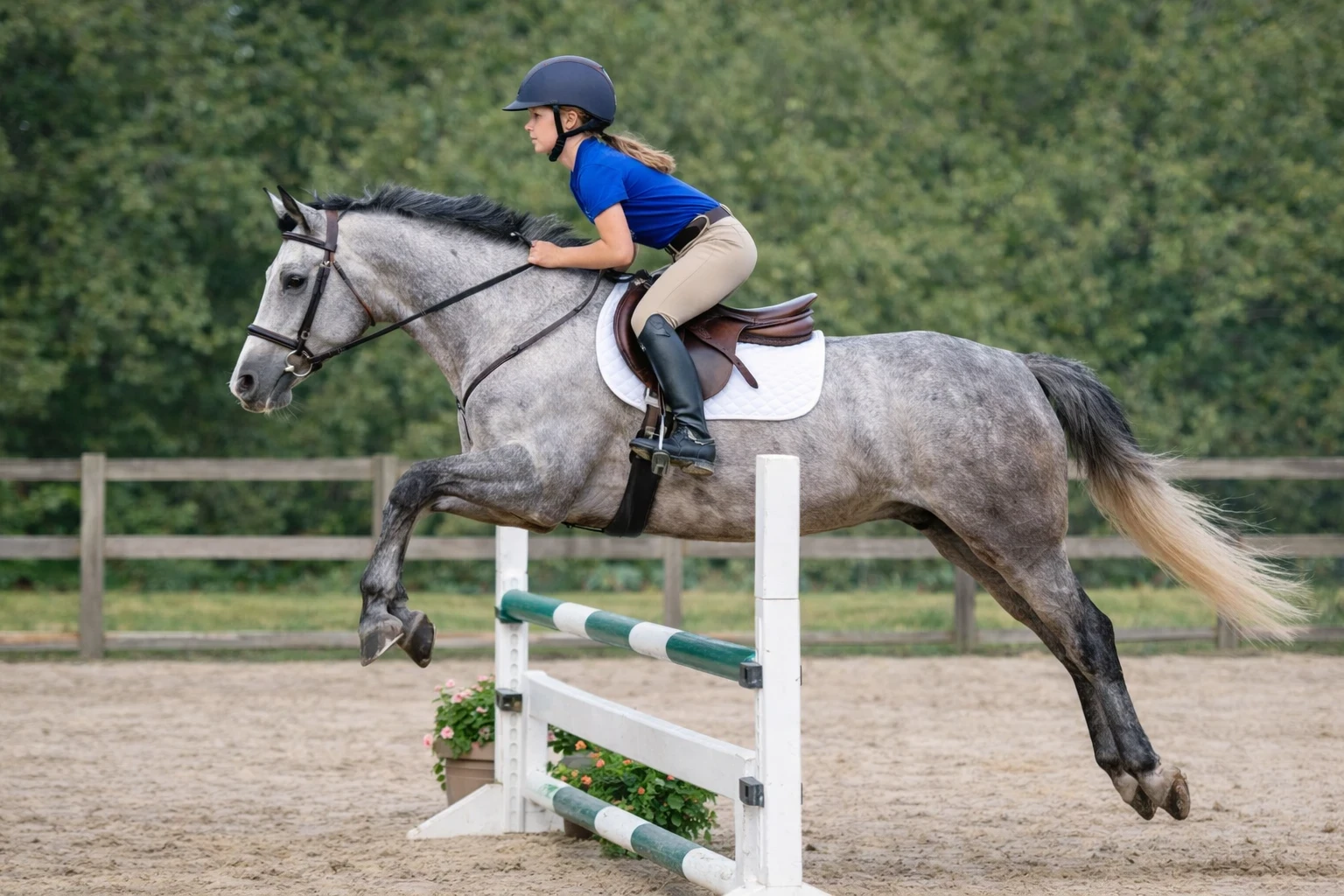
I titled this post, “Youth Jumping Saddle Mistakes to Avoid for beginners” because finding the right youth jumping saddle isn’t always straightforward, and beginners often run into common mistakes that can make learning much harder and way less fun.
Watching a child stumble upon jumping in the saddle can be one of the most thrilling moments for any parent or young rider. It’s a huge confidence boost and really fires up a love of riding.
But only when things are done safely and comfortably.
In this guide, I want to share what parents and new jump riders need to watch for and some easy ways to get your child off on the right hoof—from safety worries to what saddle features genuinely help.
Just a friendly disclaimer for transparency sake. This post may contain affiliate links. I may earn a small commission if you purchase through my links, at no extra cost to you.
Top Safety Mistakes with Youth Jumping Saddles
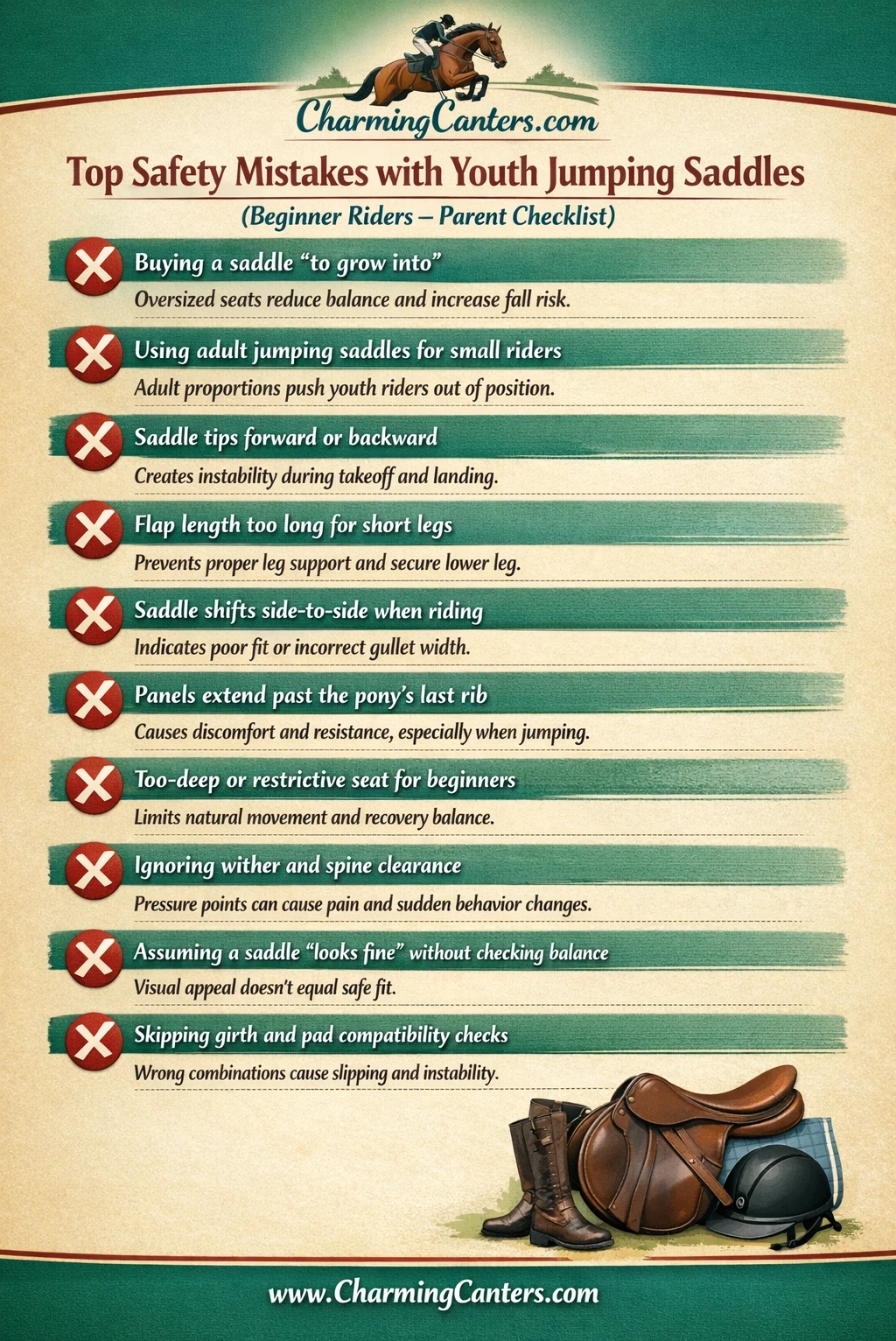
Safety always comes first, especially when it’s your child in the tack. Some easy-to-avoid mistakes with youth jumping saddles can make a big difference in your child’s experience and confidence.
Since one of the mistakes parents often make is picking the wrong seat size, I encourage you to read my post on pony vs horse jumping saddles explained.
Here are a few missteps I’ve seen parents make that are worth keeping on your radar:
- Saddle Slipping Risks: A saddle that isn’t secure is a major reason for sudden falls, especially over jumps. Double-check the girth and always use a well-fitting saddle pad to keep things snug and still.
- Heel Position Hazards: If a child’s leg is swinging way out in front or back, the saddle’s balance could be wrong for them. This makes it tricky to use the stirrups safely or get support mid-jump.
- Incorrect Stirrup Bar Placement: Beginners need their feet under them for balance, so a poorly placed or oddly angled stirrup bar can throw off a young jumper’s equilibrium and set up bad habits early.
Other safety blunders include failing to check for sharp edges, using worn-out tack, or skipping regular inspection. Make sure hardware, stitches, and billets are all in good shape to cut down on mishaps, because sometimes it’s the little details that matter most.
Fit Mistakes Parents Often Miss
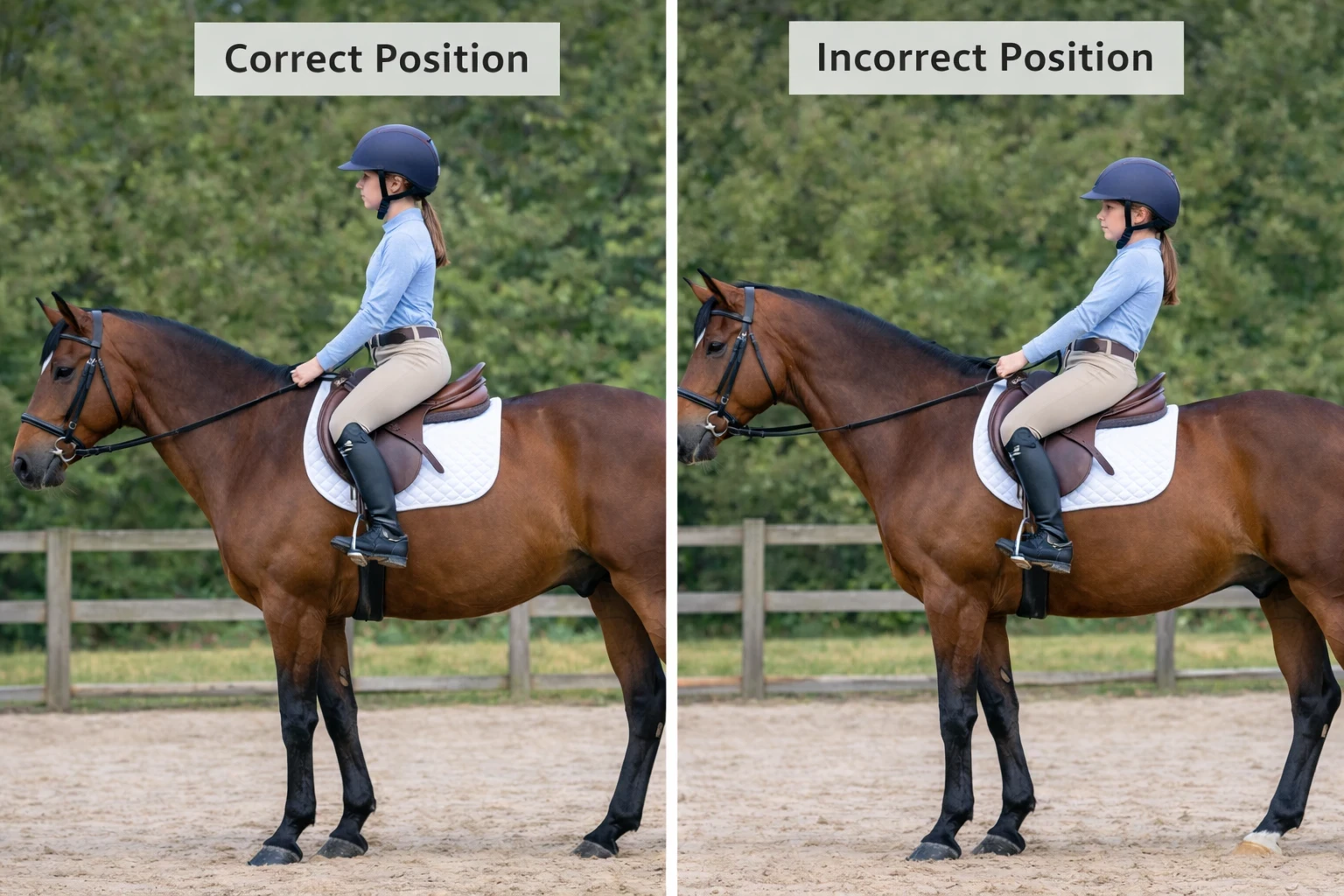
Youth jumping saddles are not just smaller copies of adult saddles. A child will struggle with balance if the saddle is much too big, too small, or shaped awkwardly.
Here’s what makes a genuine difference when checking saddle fit for a young or small rider:
- Sitting Too Far Back: If your child can’t find the center of the saddle and keeps sliding backward, the seat size or flap angle might be off. A centered seat keeps riders upright and stable over fences.
- Knees Over the Edge: Young riders with longer legs for their size will poke their knees over the front or back of the flap if it’s too short or badly angled, which is uncomfortable and affects jumping position.
- Struggling with Stirrups: If the stirrup leathers hang at an odd angle or can’t adjust short enough, the saddle was likely meant for adults or for flatwork, not jumping. Make sure the setup allows kids to ride securely, without dangling legs.
A good trick is to have your child sit in the saddle at the tack shop (with boots on) and pretend they’re in jump position. If they look and feel tight or off-balance, you’ve found a fit issue.
Most shops are happy if you bring a favorite saddle pad to test, so things feel real.
Mistakes That Make Horses Uncomfortable
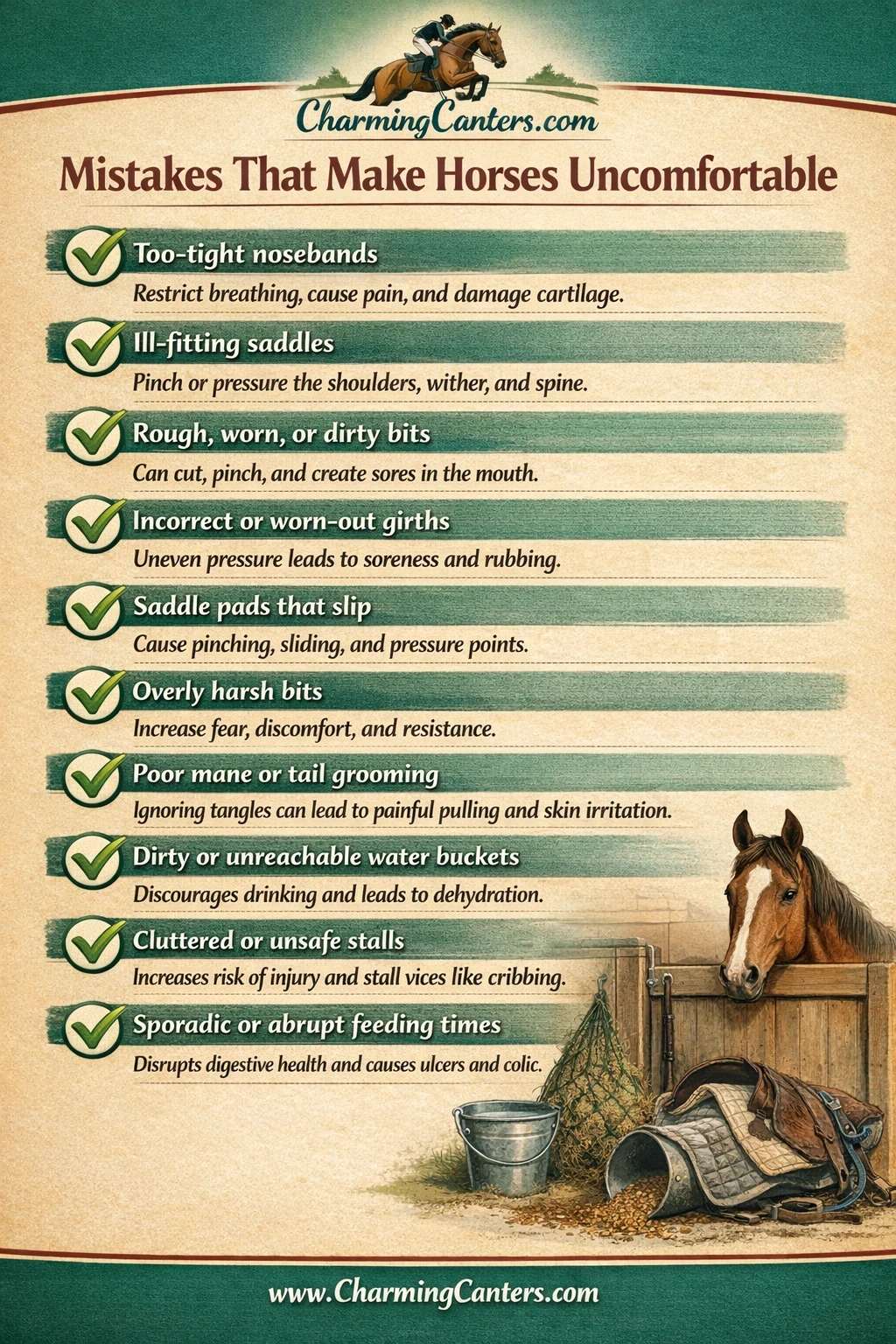
Parents want their horse or pony comfortable, not just their child. It’s all too common to pick up an eye-catching kid’s saddle—especially secondhand—without thinking about how it fits the horse. Here are some pony-pain pitfalls to look out for:
- Tree Too Narrow or Too Wide: A badly fitting tree pinches or wobbles, causing backaches and grouchiness. Sometimes ponies will buck, refuse fences, or become tricky to handle.
- Pinching Girth Points: Some youth saddles have low-quality or weirdly placed girth straps. This can dig into a pony’s skin and make them tense, shuffle around, or refuse to move ahead.
- Flap Interference: Extra long or bulky flaps made for older kids may hit odd spots, causing the pony to walk strangely or act out because nothing sits quite right.
Working with a fitter—or asking your trainer for help—pays off here. Adjustable gullet systems are especially smart if you ride several ponies or expect your child to grow soon, making one saddle last through a few different mounts.
Common Budget & Buying Mistakes
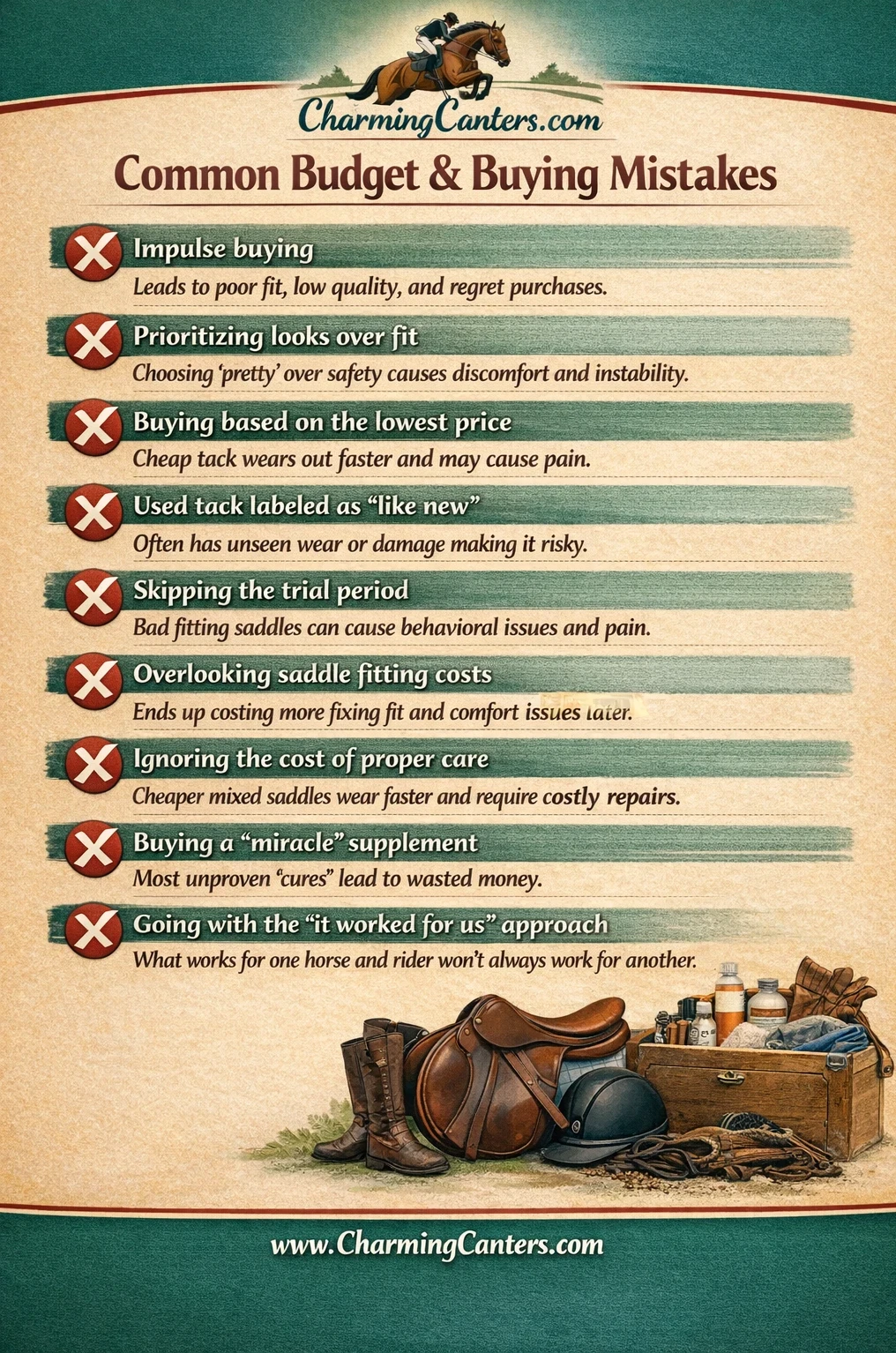
It can be stressful to shop for youth tack that balances quality and affordability. Wanting to save a few bucks makes sense, especially if this is a first jump saddle, but some shortcuts lead to more problems down the line.
Here’s what you should consider before making a purchase:
- Overspending for Brand: Flashy brand names can be tempting, but the fanciest label won’t make an ill-fitting or heavy saddle any safer for a beginner. Sometimes simple models with the right fit offer the best value.
- Underestimating Growth: Kids grow quickly. Saddles with adjustable gullet systems and multiple size options (for seat and flap) are really smart, avoiding the need to upgrade every year.
- Cheaply Made Used Saddles: Bargain saddles often come with hidden issues: broken trees, loose stitching, or uneven panels that affect rider and pony comfort. Always have a secondhand saddle looked at by a pro before buying.
It’s also smart to look out for club or barn “saddle swaps” where you can get advice from other parents and potentially try different models before buying. Many tack shops offer trial programs so your young rider can give the saddle a go before you commit for the long haul.
You might find another post of mine helpful titled, “Jumping Saddles Growing with Your Kid.”
How to Spot a Saddle That’s Just Not Working
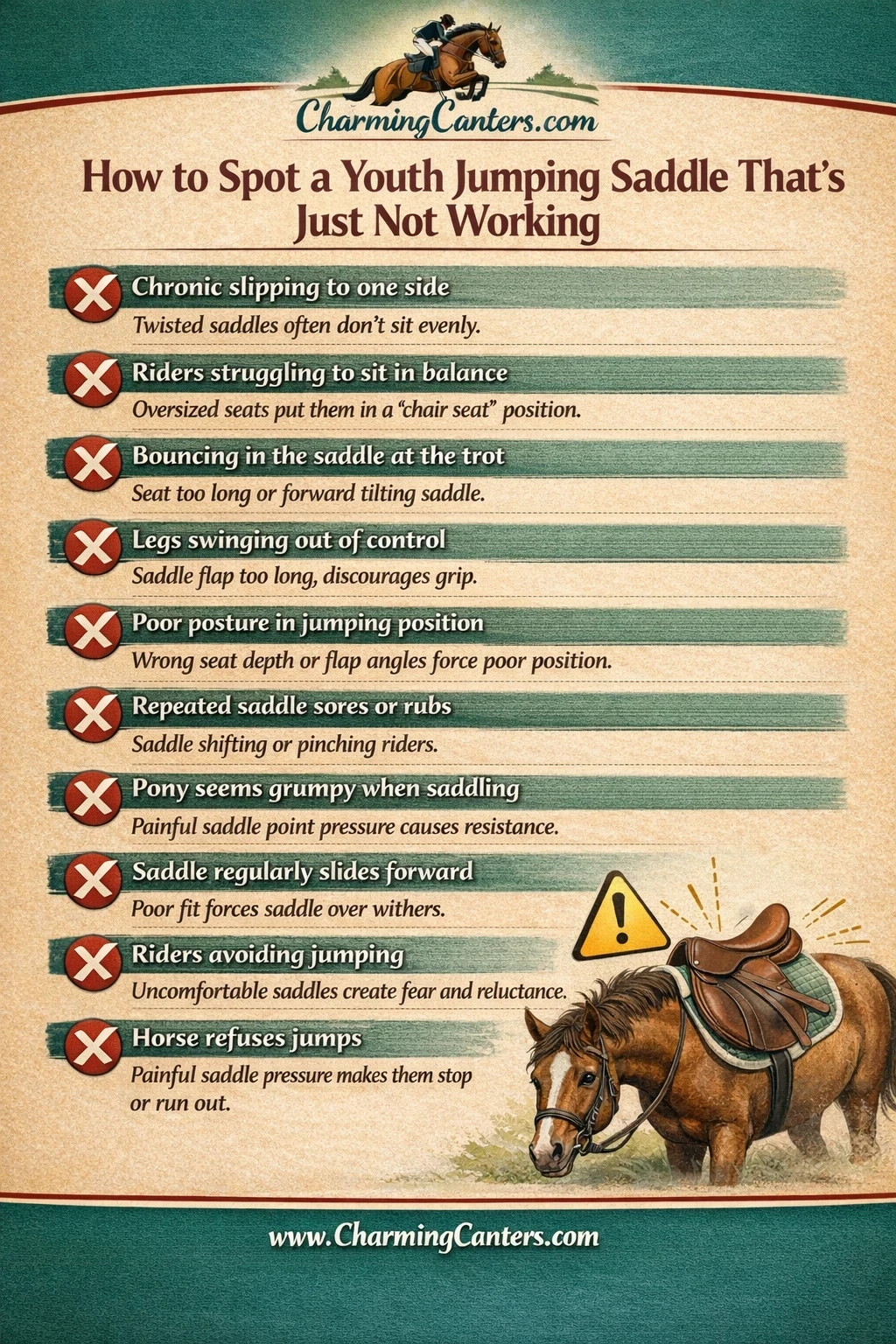
Even with the best intentions, you might end up with a saddle that doesn’t suit your rider or pony. For more in-depth information on ill-fitting saddles and solutions, please check out my post, “How to Identify an Ill-Fitting English Saddle: Signs and Symptoms.”
Here are signs to pay attention to, based on real-world experience:
- Your child feels “tippy” or fights for balance every time they rise out of the saddle for a jump.
- They complain about pinching legs, sore knees, or the saddle grabbing their thighs, even after short rides.
- Ponies get moody, swish their tails, nip while being tacked, or refuse basic jump exercises.
If you notice any of these signs, stop and double-check things. Riding shouldn’t be a battle. Trainers or local fitters can often spot a minor problem before it becomes a major headache.
Beginner-friendly Jumping Saddles That Avoid These Mistakes
Lately, more companies focus on key features for young jump riders, and little tweaks can make a world of difference. Here’s what I look for in a youth jumping saddle when offering advice to parents and beginners:
- Adjustable Gullets: These are especially handy if your child is riding several horses or upgrading in pony size. With a tool, you can widen or narrow the tree as the child or pony grows.
- Lightweight Construction: A lightweight saddle is easier for small kids to put up on the horse and less intimidating for nervous new riders.
- Forgiving Balance Point: Saddles built for beginners usually have a slightly deeper seat that helps kids find the center and get confident over fences, while keeping falls to a minimum.
- YouthAppropriate Flap Proportions: Watch the flap height and length. Jumping saddles for youngsters are cut higher in front and not too long, keeping shorter legs from getting lost so kids can keep a proper two-point position.
If there’s a local tack shop nearby, check out demo saddles within these options. Many families I know prefer newer synthetic models because they’re affordable and lightweight, plus easy to adjust and clean. See my post, “English Synthetic Saddles Advantages.”
Traditional leather youth options give you that polished look for show, but still offer great balance and security for kids learning to jump. Finding a solid youth jumping saddle is about building your child’s safety, comfort, and riding happiness from day one.
Before upgrading your child’s saddle, I highly recommend reading my post, “How to Upgrade My Youth Rider’s Saddle Effectively.”
Staying sharp for these rookie mistakes keeps you focused on what matters—allowing you and your child to enjoy fun, safe, and skill-building rides together.
Beginner-Friendly Jumping Saddles That Help Avoid These Mistakes
Collegiate Synthetic Jump Saddle
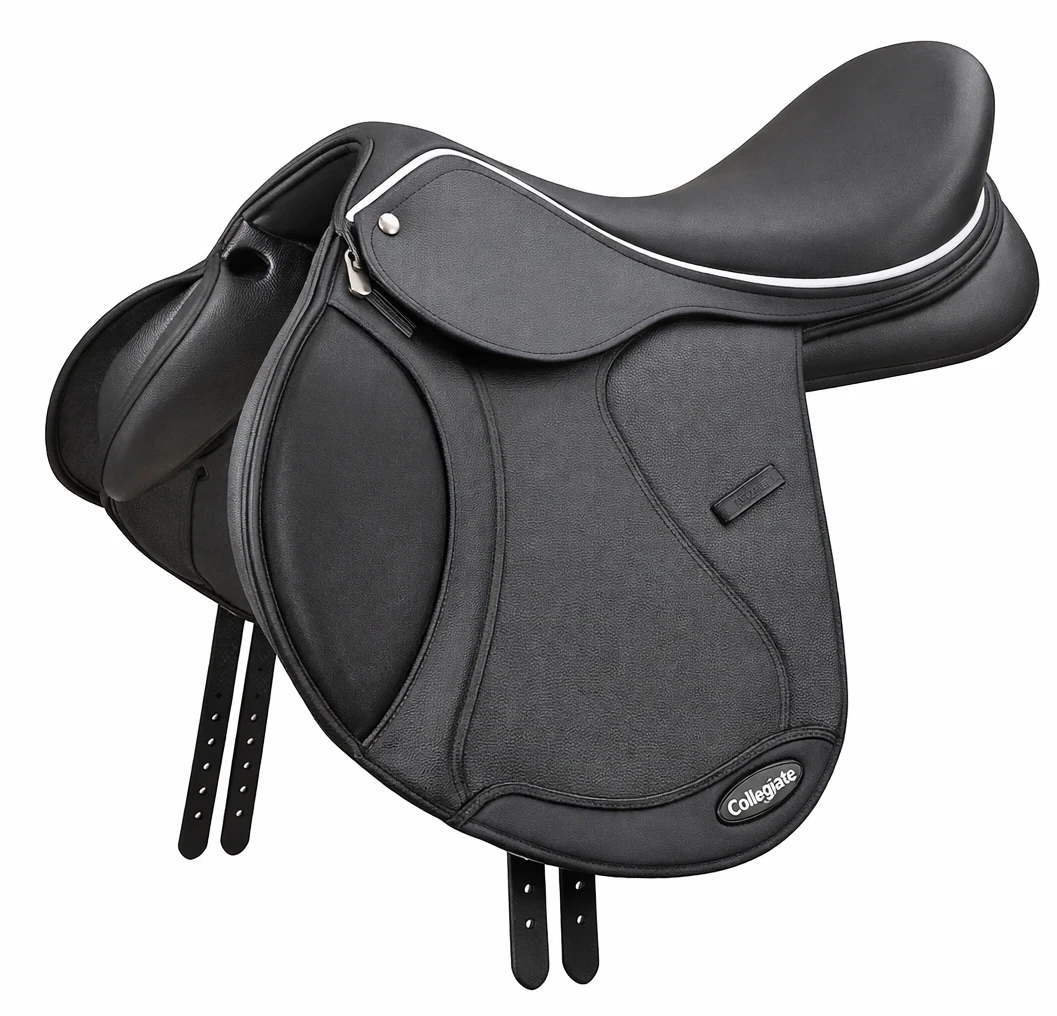
Why this saddle works?
Benefits:
✅ Lightweight and easy to handle
Much lighter than leather saddles, making it easier for parents and youth riders to lift, tack up, and manage safely.
✅ Budget-friendly for beginner families
A practical first jumping saddle that avoids a large upfront investment while kids are still growing and learning.
✅ Low-maintenance synthetic material
Quick wipe-down cleaning — no oiling or conditioning needed, perfect for busy lesson barns.
✅ Durable for everyday riding
Built to handle frequent lessons, weather changes, and barn wear without worry.
✅ Secure, confidence-boosting grip
Synthetic surfaces provide added grip that helps beginner riders feel more stable over fences.
✅ Forgiving balance for developing riders
Encourages a centered seat and proper leg position without being overly restrictive.
✅ Adjustable fit options on many models
Some models offer adjustable gullets, helping accommodate different horses or changing muscle shape.
✅ Great starter saddle for jumping basics
Ideal for crossrails, small verticals, and early jumping education without overwhelming young riders.
Wintec 500 HART Jump Saddle
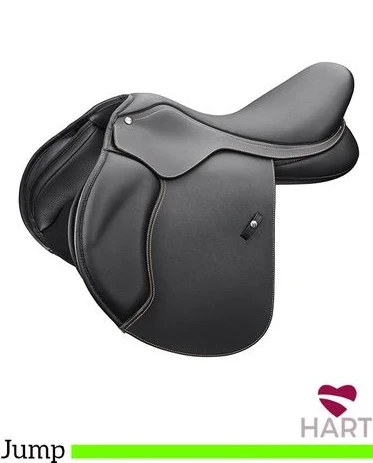
Why this saddle works?
Benefits:
✅ Supportive, balanced seat for beginner riders
Helps youth riders stay centered and secure over crossrails and small jumps.
✅ Lightweight and easy to handle
Easier for parents and young riders to lift, tack up, and carry safely.
✅ Easy-care synthetic material
Wipes clean after lessons — no conditioning or special leather care required.
✅ HART technology for horse and rider comfort
Designed to reduce pressure points and allow freer movement, improving comfort and confidence.
✅ Adjustable gullet system
Allows the saddle to adapt to different horses or changing muscle development.
✅ Secure feel with good grip
Provides added stability to help beginner riders maintain proper leg and seat position.
✅ Durable for lesson and everyday use
Handles frequent riding without worry about wear, weather, or damage.
✅ Budget-friendly for growing riders
A practical investment for families whose children may outgrow equipment.
Frequently Asked Questions (FAQ)
What’s the safest feature to look for in a youth jumping saddle?
Saddles with a balanced sweet spot that keeps kids centered really help. Adjustable knee and thigh blocks are excellent for supporting young riders, too.
How will I know if the saddle is too big?
If your child keeps sliding around, finds it tough to keep their knees under them, or has trouble staying secure over fences, chances are the seat or flap is too large. Another clue is when they sit close to the back edge.
Do I need to buy new, or is used okay?
Used can be a smart buy, especially if a trusted fitter checks for soundness and excessive wear. Skip saddles with broken trees, odd repairs, or uneven flocking—it’s not a bargain if safety or comfort are at risk.
Building Positive Experiences from Day One
Creating a strong base for your young jumper depends on smart buying decisions that keep safety and comfort at the forefront.
Adjustable gullets, lighter weight, and flaps built for youth riders smooth the way for starting out, making jumping more enjoyable for both the horse and your child.
Stick to these guiding principles to give your young rider every chance to boost their skills, stay comfortable, and truly find joy in the adventure of learning to jump.
Did you find this post helpful? If so, I’d love to hear your comments below.
Hey Shalisha,
Helpful, grounded advice. With youth riders, I have seen most problems start with fit, not form. A saddle that is too narrow pinches and tips the rider back, while a perch that is too wide collapses the balance point and makes a secure leg impossible. Flap length and stirrup bar placement matter more than brand, since short legs need contact without fighting the block. I also watch girth alignment and billet options, because a forward groove can pull the saddle onto the shoulder even when the tree is right. Half pads are tools, not cures, and over-stacking them can mask flocking issues. Plan for growth with regular checks from a fitter and expect small tweaks as strength and position improve. The cleanest outcomes I have seen pair a truly stable saddle with simple exercises, and the rider relaxes because the tack finally gets out of the way.
Marios
Hi Marios.
Thank you for sharing this—such a clear and experienced perspective. You’re absolutely right that fit comes before form with youth riders, and I really appreciate you reinforcing how details like balance, flap length, and girth alignment make a real difference. Your insights add great depth to the conversation and will be very helpful for parents reading along.
As a casual reader, this article feels like a reassuring reality check for parents and beginners who might not even realize how much a saddle can affect a child’s riding experience. It makes it clear that a lot of early struggles in jumping—like feeling wobbly, uncomfortable, or nervous over fences—aren’t always about skill or bravery, but about the equipment itself. The way the article walks through common mistakes, such as choosing the wrong seat size or ignoring stirrup and balance issues, helps things click without feeling technical or overwhelming. It reads less like a lecture and more like someone sharing hard-earned advice to help others avoid frustration and unnecessary falls.
What also stands out is how practical and relatable the guidance feels. The reminders to think about the pony’s comfort, to actually sit a child in the saddle before buying, and to be cautious with cheap secondhand options all sound like things parents wish they’d known sooner. The article doesn’t push expensive solutions—it encourages smart choices, trial runs, and asking for help when needed. By the end, it leaves a casual reader feeling more confident and less intimidated about shopping for a youth jumping saddle, with a clear sense that the right fit can make learning to jump safer, smoother, and a lot more fun for both horse and rider.
Hi Iris.
Thank you so much for this thoughtful comment! I’m really glad the article came across as reassuring and practical—that was exactly the goal. Helping parents and beginner riders understand that early challenges often come down to fit and equipment (not confidence or talent) can make such a difference in safety and enjoyment. I truly appreciate you taking the time to share your perspective, and I’m so happy it helped things “click.”