An ill-fitting saddle can quietly cause a whole bunch of headaches for both the horse and the rider. Knowing why saddle fit matters, what problems to watch for, and what to do when things go wrong is really important if you want happy, healthy rides.
Here’s my full guide to understanding how an ill-fitting English saddle impacts the horse, the rider, and your time in the saddle, all using real-world tips and first-hand knowledge from years around horses.
Common Signs of an Ill-fitting English Saddle
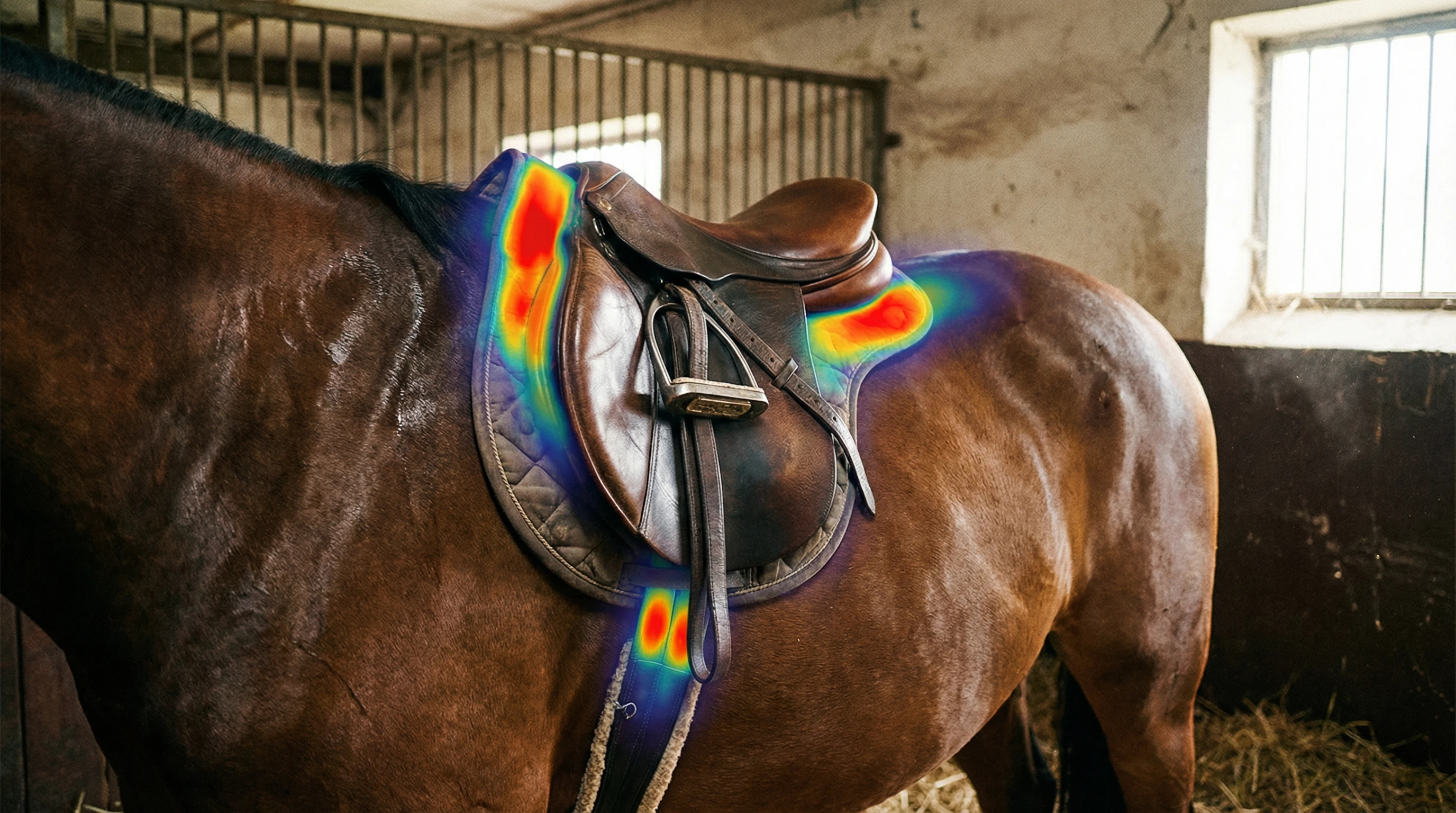
Even if you check your tack often, it’s easy to miss little problems with how your saddle fits. Some warning signs include:
- Dry spots or white hairs: These show up as patches under the saddle or on the withers, meaning the saddle is pressing unevenly.
- Sensitive reaction during grooming: Horses that flinch, bite, or pin their ears when you brush their back might be uncomfortable due to saddle issues.
- Uneven sweat marks: A well-fitted saddle usually leaves even sweat patterns after a ride. Patchy or super dry spots can hint at pressure points.
- Back soreness: Your horse might dip away if you run your hand along their back or show discomfort when saddled up.
- Unusual movement: Reluctance to move out, choppy steps, or a crabby canter can all be signs your saddle isn’t working for your horse.
If you spot any of these signs, it’s worth doublechecking your saddle fit before blaming your horse or your riding. It sometimes helps to track down a friend or trainer to get another set of eyes on your horse’s movement and behavior, since subtle signs can often be missed by even the most attentive owner.
Does It Matter If It’s an English or Western Saddle?
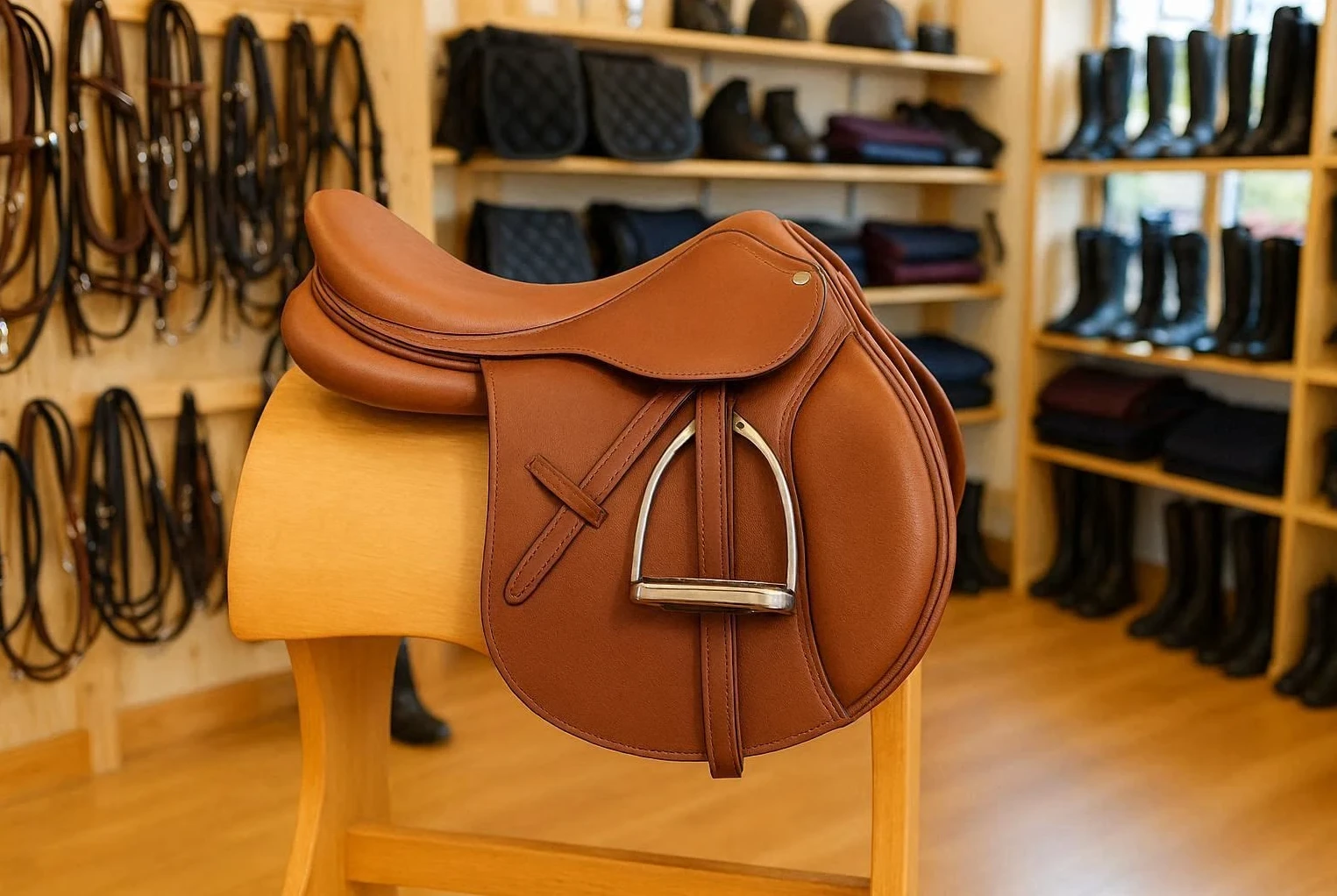
Saddle fit is important for both English and Western saddles, but this article mainly covers English saddle fits.
English saddles tend to be smaller, lighter, and sit directly on the horse’s back, without as much padding or the larger weight-spreading skirts that Western saddles use.
Because of this, pressure points and poor fit can show up more quickly on an English saddle, especially around the withers, spine, and shoulder. Western saddles come with their own set of fit problems, like bridging, bar pinching, or weight imbalance, but the basics are pretty similar.
If it doesn’t fit, neither the horse nor the rider are going to have a good day. Whether you’re riding jumpers, dressage, or heading out on a hack, keeping an eye out for proper saddle fit is just as important as checking your girth or bridle.
Physical Impacts Of An Ill-fitting English Saddle
Horses put up with a lot, but a badlyfitting saddle can cause damage over time. Here are some of the most common physical problems:
- Muscle soreness and bruising: Too much pressure in one spot can bruise the muscles along the back, leading to swelling, heat, or even atrophy.
- Wither and spine injuries: Saddles that sit on or pinch the withers (the bony part above the shoulders) or spine cause pain and may even damage nerves or bone tissue over months or years.
- Bare spots and white hairs: Ongoing pressure causes the hair follicles to die off, leaving bald patches or white spots as the body tries to heal itself.
- Sore shoulders or restricted movement: If your saddle presses too tightly on the shoulders, your horse might struggle to move freely, sometimes leading to lameness.
Most horses don’t show pain right away, so a physical problem can sneak up on you if you’re not keeping an eye out. Some horses adapt to discomfort by moving in ways that spare the sore area, but this can lead to other issues, like muscle imbalances, changes in stride, or compensation injuries in the long run.
Chronic back pain not only affects performance, but often causes a slow decline in your horse’s overall attitude toward work.
Behavioral Impacts On The Horse
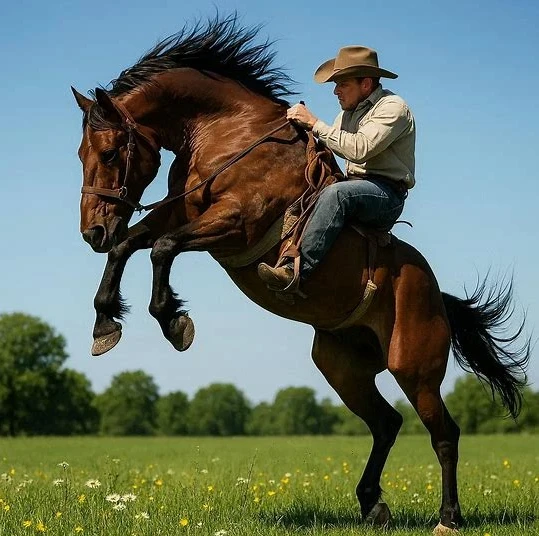
When a horse hurts, they can’t just tell you, so they show it in other ways. Here’s what I look out for in horses dealing with a sore back thanks to their saddle:
- Refusing to be tacked up: Horses that suddenly act grouchy during saddling, swish tails, bite, or kick as you tighten the girth could be telling you the saddle hurts.
- Bucking, rearing, or bolting: Some horses react strongly once you mount, trying anything to get out from under the pain.
- Reluctance to move forward: If your usually eager horse feels sluggish or “sticky,” saddle discomfort can make them unwilling to listen.
- Pinned ears, grumpy faces: Even normally kind horses can become testy, especially during grooming or mounting.
It’s easy to chalk these up as training problems or “bad behavior,” but if these behaviors show up suddenly or get worse over time, I always check for pain first. Horses want to get along, so sudden or worsening bad moods are often their way of reaching out for help.
Pay attention to even small changes, like a horse who suddenly dislikes being mounted from the left or who starts tail swishing during downward transitions, as these can also flag discomfort.
Also keep in mind that some horses, especially stoic breeds or those with calm temperaments, may suppress their reaction to pain until it becomes nearly unbearable.
Tracking daily patterns and being mindful of changes in attitude can help you spot problems early.
Impacts To The Rider
The horse isn’t the only one affected by a bad saddle fit. Riders often deal with their own set of problems when the saddle isn’t right:
- Poor balance and posture: Saddles that tip you forward or dump you back make staying balanced almost impossible. You end up overcompensating and wearing yourself out.
- Back and hip pain: If you’re fighting the saddle for position, it’s very likely that you’ll wind up with sore hips, knees, or even an aching back.
- Difficulty giving clear aids: When your saddle slides or shifts, your leg and seat cues don’t land where they should, making communication with your horse fuzzy.
A goodfitting saddle lets you ride in sync with your horse, while a bad one forces you to work against both your horse and the tack. In clinics, I’ve seen plenty of riders improve quickly once they switch to a saddle that fits them and their horse properly.
Sometimes the difference is night and day—improved balance, more secure position, and less fatigue make the whole riding experience more enjoyable and rewarding.
In some cases, simply swapping saddles has made the difference between a rider sticking with the sport or giving it up because of back pain or ongoing frustration.
Performance Impacts For Horse And Rider
Saddle fit isn’t just about avoiding pain. It has a real effect on performance for both you and your horse:
- Decreased freedom of movement: A pinching saddle keeps horses from extending or rounding their gaits, making jumping, dressage, or even trail rides more difficult.
- Reduced stamina: Horses that are sore expend more energy just trying to protect their back, leaving less for the actual work.
- Lack of willingness or “spark”: If a usually willing partner suddenly loses motivation, saddle pain can be a hidden cause.
- Lost confidence: Both horse and rider can lose confidence when rides are consistently uncomfortable. Missed cues, sore backs, and awkward seats all add up over time.
Once I switched a lesson horse to a custom-fit saddle, their movement, willingness, and overall mood picked up right away. That proves fit really does matter. A horse is only as good as they feel.
Pursuing better saddle fit isn’t just for looks. It pays off in happier rides, safer outings, and more consistent progress whether you show, school, or simply ride for fun.
Paying attention to these details helps every pair level up their performance in the ring or on the trail.
What If the English Saddle Is Too Wide?
A too-wide saddle will tip forward and settle onto the withers and spine. This can pinch nerves, cause saddle sores, and make your horse “sink” in the middle, leading to muscle atrophy and a sore, unhappy ride.
You’ll often notice the pommel (front of the saddle) sits lower than the cantle (back), which messes with your posture too. Other signs can be a saddle that slides up on the neck during riding or girth chafing in unusual spots.
It’s common to see horses with a too-wide saddle develop hollow backs and a general sense of “flatness” in their performance. If you suspect your saddle is too wide, check for space above the withers—you should be able to fit about two to three fingers.
What If the English Saddle Is Too Narrow?
A saddle that’s too narrow will perch high and tight on the withers and shoulders, digging in with every stride. You might notice hollowing of the back, reluctance to go forward, or even more obvious pain.
The tree points (front edges of the saddle tree) will dig into muscle and soft tissue, making your horse tense up or even buck during rides. A too-narrow saddle may leave obvious pressure marks after riding, especially on the shoulders.
Be alert for behavioral changes, such as “girthiness,” fidgeting, or a sudden dislike for their work.
What Makes For An Ill-fitting English Saddle?
Some of the most common issues causing poor fit include:
- Wrong tree width: The saddle tree should match the width of your horse’s withers and shoulders.
- Poor panel contact: Panels that bridge (only touch at front and back) or rock (tip back and forth) can cause pressure points.
- Imbalanced saddle: If the saddle tips forward or backward on your horse’s back, neither of you will be comfortable.
- Pinching or tightness: Padding or shape that squishes your horse instead of following their muscle shape means a poor fit.
Each horse’s back is unique, which is why what fits one might not work for another, even with the same brand and model. Don’t be afraid to try several saddles or ask an experienced trainer or saddle fitter for help in finding an option that really suits your horse’s needs.
Many shops let you test ride several saddles at home so you can see which one clicks. This can save you (and your horse) a world of frustration.
Why Does Saddle Fit Change?
Even if your saddle fit perfectly last season, things can switch up quickly. Your horse’s back shape changes over time with age, fitness, body weight, muscle gain or loss, and even health issues.
Seasonal changes (like weight shifts in winter compared to summer), injury recovery, or a move to a different type of work can all affect how the saddle fits. Checking your fit every few months helps catch problems before they become real pain points for your horse or yourself.
Some horses will need adjustments more often—especially young horses developing muscle or older horses losing it—so recheck saddle fit whenever your horse’s workload or body changes noticeably.
Frequently Asked Questions
Question: Can I use saddle pads to fix saddle fit problems?
Answer: Pads can help with very mild issues, but if the basic tree shape, width, or balance is off, pads might just mask the problem without solving it.
In some cases, they might even worsen the pressure points if you pile on too many pads. When in doubt, always go for a proper fitting saddle instead of trying to use pads as a workaround.
Question: How often should I check my saddle’s fit?
Answer: Every few months is a good idea, or anytime you notice new behaviors or soreness in your horse, a big change in workload, or changes in weight or muscle. It’s never a bad idea to check in with your trainer or a professional saddle fitter whenever you’re unsure.
Question: Who can help with saddle fitting?
Answer: Professional saddle fitters are available in many areas. They bring shims, templates, and a trained eye to spot problem areas.
Your vet or bodyworker can also point out physical issues if you’re unsure, so don’t hesitate to ask for their opinion. Sometimes local tack shops also offer demo saddles and basic fitting services for riders needing some initial guidance.
Bottom line, taking the time to check that your English saddle fits your horse—and you—pays huge dividends. Good saddle fit keeps your horse happy, your rides comfortable, and your partnership strong. Stay aware of changes, listen closely to your horse, and when in doubt, ask for help. Happy riding!
Did you find this post helpful? Got more questions? Please leave your questions or comments below. I’d love to help you out.
Excellent breakdown of a topic that can’t be emphasized enough. The step-by-step guide for checking fit (gullet width, panel contact, shoulder freedom) is incredibly practical. I especially appreciate you mentioning the need for regular reassessment, as a horse’s shape changes with age, fitness, and season. This article empowers owners to be proactive rather than reactive, potentially saving many horses from unnecessary pain and training problems. A must-read for riders at all levels.
Thank you so much for this thoughtful comment Cian!
I’m really glad you found the step-by-step fit checks practical—that was exactly the goal. You’re absolutely right about regular reassessment too; horses change far more than many riders realize, and staying proactive can make such a difference in their comfort and long-term soundness. I truly appreciate you taking the time to share your perspective, and I’m happy the article resonated with you!
This was such an eye-opening post. I hadn’t realized how much difference saddle fit can make, not only for the horse’s comfort but also for the rider’s balance and communication. The examples of dry spots, uneven sweat marks, and behavioral changes effectively highlight how subtle signs can point to more significant issues.
What struck me most was the reminder that a poor fit doesn’t just cause pain, but it can also slowly erode confidence and performance for both horse and rider. I’m curious about how these challenges compare between English and Western saddles.
What specific fit issues should riders look for in Western saddles to ensure both horse and rider remain comfortable and confident?
Hi Leica. Great question! I’m going to give you a detailed answer – so here we go.
While both saddle types can cause discomfort and behavioral issues when they don’t fit, Western saddles affect a larger surface area. Because they’re heavier and distribute weight differently, small fit problems can quietly turn into big comfort and confidence issues over time.
Key Western Saddle Fit Issues Riders Should Watch For:
1. Tree Width & Bar Angle
The tree must match the horse’s shoulder angle.
Too narrow → pinches the shoulders and restricts movement
Too wide → saddle drops down and creates pressure on the withers
This is one of the most common causes of soreness in Western horses.
2. Bar Length on Short-Backed Horses
Western saddles have longer bars than English panels.
If the bars extend past the last rib, they can cause pain in the loins.
This is especially important for compact or short-backed horses often used in speed events.
3. Even Contact Along the Bars
Look for full, even contact, not bridging (contact only at the front and back).
Bridging concentrates pressure and can lead to muscle soreness and hollowing through the back.
4. Wither & Spine Clearance
There should be clear space over the withers and down the spine.
A saddle sitting too low can cause rubbing, swelling, or white hairs over time.
5. Saddle Stability
A well-fitting Western saddle should sit balanced and stay centered.
Excessive rocking, sliding forward, or rolling side-to-side signals a poor fit.
Instability often leads to rider tension, which the horse quickly feels.
6. Rider Position & Balance
If the saddle puts the rider behind or ahead of center, it affects cues and balance.
A poorly balanced saddle can make even an experienced rider feel insecure—and that lack of confidence transfers directly to the horse.
The bottom line is this. Whether English or Western, saddle fit is about allowing the horse to move freely and comfortably—but with Western saddles, tree fit, bar length, and overall balance are especially critical. Taking the time to check these details helps protect your horse’s back and keeps both horse and rider confident, comfortable, and happy in their work.
I hope my response was helpful.