Finding the best hunter English saddle for beginners can feel like a big task for new riders. If you’re just stepping into horse shows or want something comfortable for flatwork and basic jumping, choosing the right saddle makes all the difference.
There are plenty of options out there, but breaking things down into what truly matters will save both time and money. Here’s what I’ve learned over years of riding, shopping, and working with trainers, so you can pick a hunter saddle that’ll build your confidence (and your horse’s too) right from the start.
Just a friendly disclaimer for transparency sake. This post may contain affiliate links. I may earn a small commission if you purchase through my links, at no extra cost to you.
Understanding the Hunter English Saddle
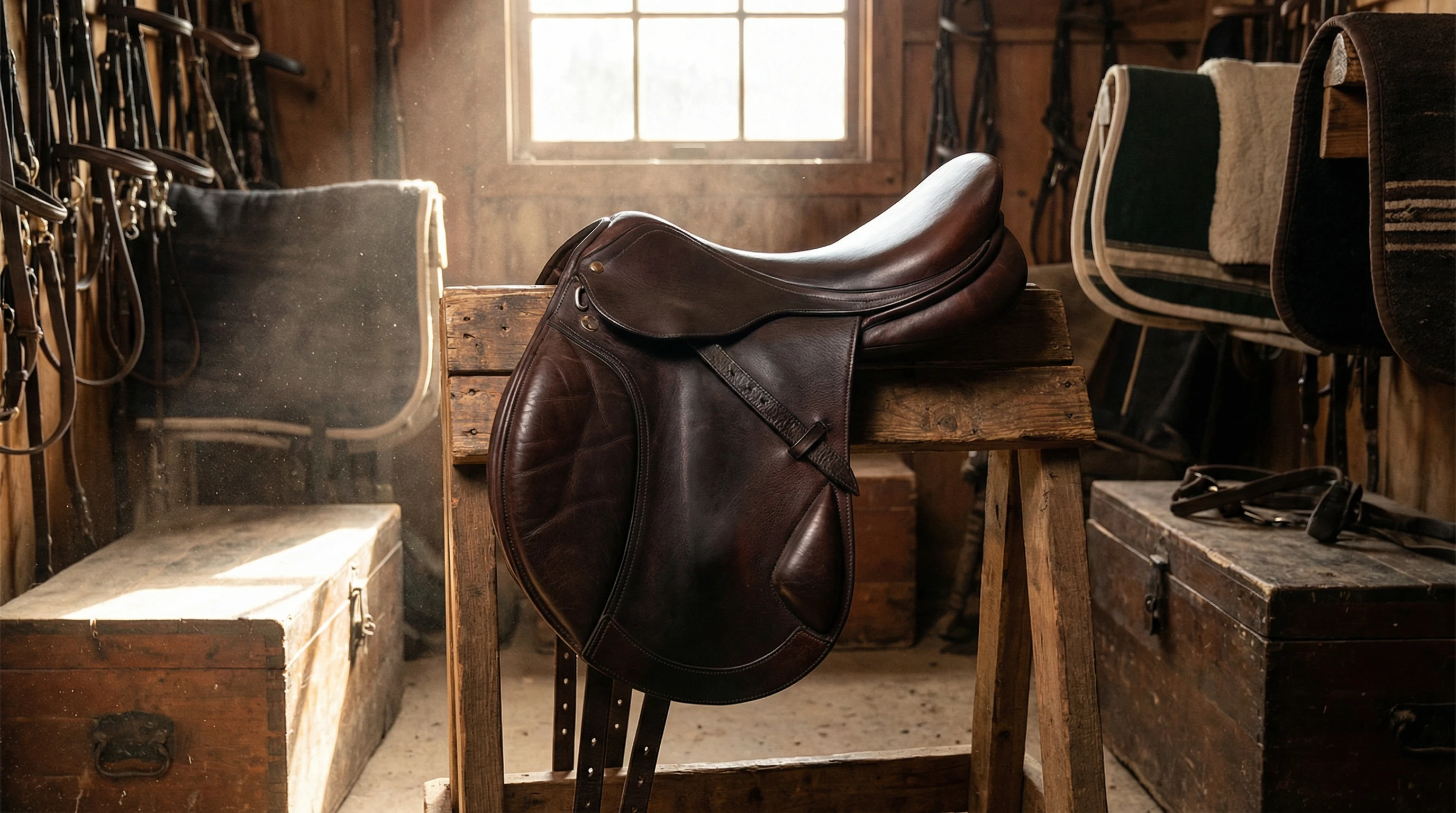
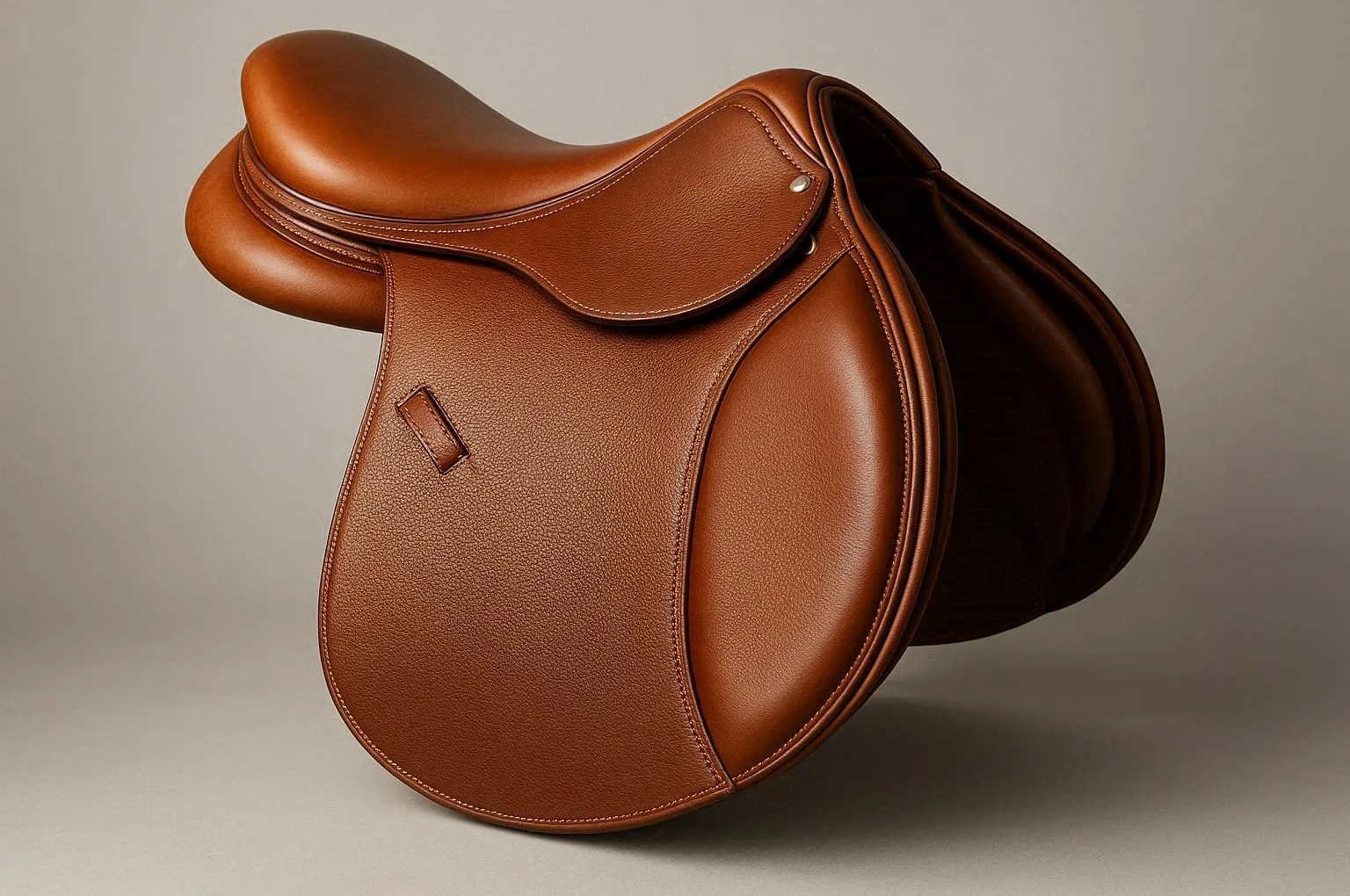
A hunter English saddle, often called a hunter/jumper or close contact saddle, is the classic style you’ll see in hunter classes at shows and in hunt seat equitation. It’s got a flatter, more open seat than some other saddle types and shorter, forward-cut flaps.
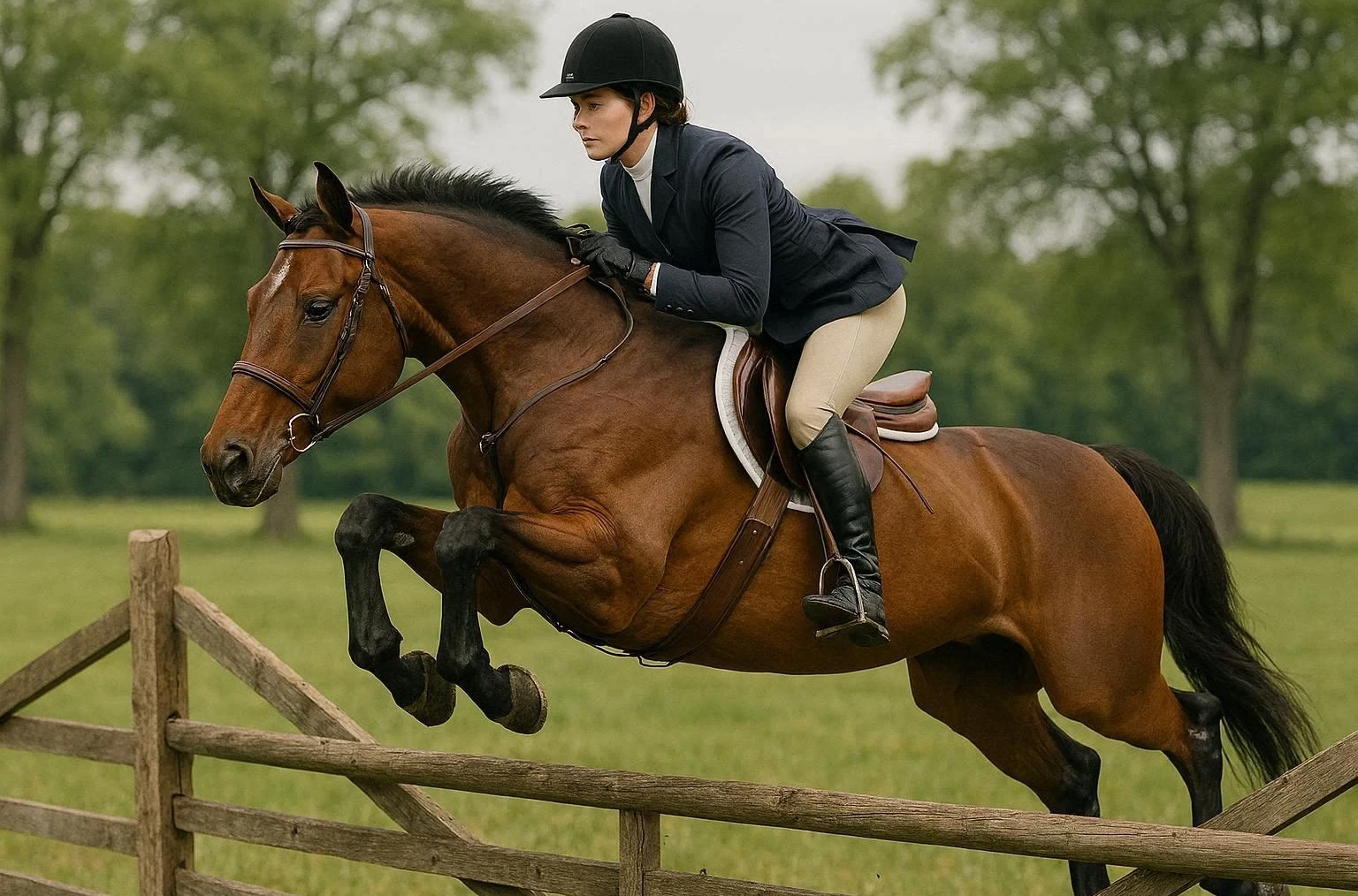
These features make it easy to jump and adjust your position. That comes in handy for riding over poles, smaller jumps, and working on your two-point position.
The design comes from old fox hunting days, built for comfort both over fences and during all those miles on the flat. While dressage saddles are created for flatwork with a deeper seat and longer flaps, a hunter saddle offers much more freedom for your legs and better feel with your horse when you go over fences.
Beginners sometimes confuse hunter saddles with allpurpose or eventing saddles. Hunter saddles are generally sleeker, don’t have chunky knee blocks, and are designed so you can easily move your weight. That’s perfect for learning the basics of balance and rhythm when you first start out.
Reasons to Use a Hunter English Saddle
There are several reasons why a hunter English saddle makes sense for someone just getting started:
- Versatility for Training: You can use one for flatwork, lessons, and jumping up to about three feet. It works for most beginner activities, so you won’t need a different saddle every lesson.
- Lightweight and Easy to Handle: They’re lighter than western or dressage saddles, so you can easily carry and tack up yourself, which is great if you’re still learning the ropes in the barn.
- Comfort for Horse and Rider: Hunter saddles are built to be comfortable for both, with padding right where you need it. You’ll get a gentle introduction to posting, the jumping position, and learning to feel the horse’s movement underneath you.
- Performance in the Show Ring: Planning to do hunter shows? These saddles are basically required, and they match the traditional look judges expect in hunter classes.
I still remember my first real lesson saddle, a simple, wellused close contact model, and what a difference it made compared to the generic school saddles at the barn. My confidence went up, and I slipped around far less while learning the basics.
Who Should Use a Hunter English Saddle?
Hunter English saddles work well for a broad range of riders, but they’re especially good for:
- Beginners Taking Lessons: Just starting out? These saddles support correct position and help with balance over fences. Most lesson programs use them for group and private lessons.
- Young Riders: Kids and teens in hunter/jumper or equitation classes almost always start in hunter saddles.
- Adults Coming Back to Riding: If you rode English as a kid and want to return as an adult, hunter saddles feel familiar and not overwhelming.
- Anyone Aiming for Hunter Shows: If showing is on your mind, even at a small local show, these saddles keep you in the right style and help you compete comfortably and confidently.
If you’re mostly interested in dressage or western events, another style might serve you better. But for most new English riders, a hunter/jumper saddle is a strong choice and looks right at home in nearly every English lesson or show barn.
Picking the Best Hunter English Saddle Brand
There are so many brands that picking one can get overwhelming. For beginners, focus on brands that make saddles with comfort, durability, and a good fit. Here are a few brands you should check out:
- Henri de Rivel (HDR): Super reliable and easy on the wallet, HDR saddles are common in lesson barns. They break in quickly and seem to fit a wide variety of horses.
- Collegiate: These combine timeless looks with modern adjustability, so you can adjust the fit as your riding develops or if your horse’s shape changes with progress.
- Bates: A bit more expensive, but Bates offers adjustable gullet systems that allow you to keep the same saddle if you switch horses or your horse builds muscle.
- Wintec: These synthetic saddles are very lowmaintenance and wellsuited for beginners riding in all kinds of weather. They’re comfortable, durable, and so easy to clean—no marathon saddle soaping sessions needed.
If you spend any time around barns, you’ll likely spot one of these brands in almost every tack room. Their popularity comes from being accessible, getting good customer reviews, and fitting into most budgets.
Buying New vs. Used: What’s the Best Choice?
This is a question that comes up all the time. For beginners, the decision between a new and a used hunter saddle depends on your budget, fit, and how long you expect to use it:
- New Saddles: Pro: You get a warranty and that fresh, brandnew feel. You can pick out exactly what you want, down to the size and style. Con: The cost is usually higher, and new saddles sometimes need a bit of breaking in before they become truly comfortable.
- Used Saddles: Pro: You can find quality brands at much lower prices. Used saddles tend to be nicely broken in, so they feel great to ride in immediately. Con: You’ll need to look closely for any wear or damage, and you might want professional help to check the fit.
If you have access to a good tack shop or a saddle fitter, definitely check out used saddles before buying new. Most beginners move up fairly quickly or change horses, so there’s no reason to spend too much upfront. If you spot a used saddle in solid shape that fits you and your horse, grab it—it can be one of the most practical choices.
My first personal saddle was a used Collegiate with plenty of years behind it. It fit the lesson horses, lasted me for ages, and gave me a chance to save up for a brandnew one once I started showing seriously.
What to Look For in a Beginner Hunter English Saddle
Certain features really help out when you’re new to riding. Here’s a checklist to keep you on track during your search:
- Correct Seat Size: There should be about three fingers’ width behind your seat when you’re sitting in the deepest spot of the saddle.
- Flat or Low Profile Seat: Makes movement in your seat and legs much easier, which is valuable for both flatwork and smaller jumps.
- Padded Flaps: Look for lightly padded kneerolls (not oversized blocks). These help you grip without limiting your movement.
- Good, Even Panels: The underside panels need to be soft, even, and free of lumps to keep your horse comfortable as you learn.
Spend some time trying different saddles. Don’t hesitate to ask if you can sit in a few. Listen to advice from your trainer or saddle fitter. The right saddle will make riding a lot more enjoyable and will help you as you master the basics.
Frequently Asked Questions
Here are a few questions I hear from new riders all the time:
What size hunter saddle do I need?
Most adults end up in a 17″ or 17.5″ seat. Check in with a tack shop or trainer, they’ll help you get measured for an ideal fit. Sizing is important for comfort and helps keep your balance steady as you practice new skills.
How do I know if a hunter saddle fits my horse?
Saddles should rest level on your horse’s back, not rock around or press against the withers. It also needs to leave space for your horse’s shoulders to move freely. Unsure? Get a saddle fitter to check things before you buy.
Can I use the same saddle for jumping and flatwork?
Definitely. One great thing about a hunter English saddle is its flexibility. You can work on your seat and position, and get started schooling jumps, all without changing saddles.
What’s the price range for beginner saddles?
You’ll usually spend $300–$2,500, depending on whether you buy new, used, and the brand you pick. Most beginners can find a good, practical option between $500 and $1,200, especially when going the used route.
Final Thoughts
Starting off with the right hunter English saddle makes learning to ride a whole lot smoother and more enjoyable. Focus on fit, comfort, and convenience first, then pick a saddle that suits your needs and your budget.
However you go about it, you’ll set yourself up for success in the world of English riding, learning and growing with every ride you take.
If you found this post helpful, I’d love to hear your thoughts in the comments! And if you’re thinking about exploring Western riding, feel free to visit my site, Horse Saddle Comparison, where I share honest, in-depth reviews of the best Western saddles. Happy riding!
Great breakdown, Shalisha. I really appreciate how you explain the differences between hunter, all-purpose, and dressage saddles in a way beginners can actually understand. Your emphasis on fit, comfort, and confidence is so important, especially for riders just starting lessons or thinking about their first shows. I also liked the honest comparison between buying new versus used saddles—so many beginners feel pressure to buy brand new, when a quality used saddle can be a smart, practical choice. The brand suggestions you shared are spot on and very realistic for most budgets. Personal experiences like your first lesson saddle make the advice feel relatable and reassuring. This post is an excellent resource for new riders who want to make an informed decision without feeling overwhelmed. Thanks for sharing such clear, helpful guidance for anyone stepping into the hunter world. It builds confidence from the beginning.
Hi Andrejs. Thanks for stopping by and thanks for your comment. I’m glad my post was helpful to you. If I can assist you when you’re ready to buy a saddle, or if you have any questions, please stop by again.
Excellent beginner’s guide! You’ve covered all the essentials from style and purpose to budget and fit. I especially appreciated the clear explanation of how a hunter saddle differs from an all-purpose or dressage saddle. For a complete novice who might be shopping online, what would be your top one or two tips for assessing fit from photos when looking at used saddles?
Hi Cian. Thanks for your question. For a complete novice shopping online, the most important thing to remember is that photos can only rule saddles out—not confirm a perfect fit. That said, there are two key things beginners can assess reliably from pictures when looking at used hunter English saddles.
1. Look at overall balance, not details.
Ask for a clear side-profile photo of the saddle sitting on a horse (or at least on a saddle stand). The deepest part of the seat should appear roughly level—not tipped forward or backward. If the pommel looks much higher than the cantle (or vice versa), that saddle is unlikely to sit correctly on most horses and will make it hard for a beginner to stay balanced.
2. Check panel shape and condition closely.
From underside photos, look for panels that are even, symmetrical, and smooth from front to back. Avoid saddles with visibly compressed areas, hard lumps, or panels that look uneven from left to right—these are red flags for pressure points that beginners may not recognize until problems show up in the horse’s way of going.
Bonus beginner tip:
Always ask for the tree width, seat size, and panel type, and buy only from sellers who allow a trial or return. For beginners, that safety net is often more important than finding the “perfect” deal.
In short: use photos to eliminate poor options, prioritize balance and panel condition, and protect yourself with a return policy whenever possible. I hope this helped.
This is a super helpful guide for a beginner like me who literally didn’t know the difference between a close contact and an all-purpose saddle!
You clearly explained what to look for and the importance of seat size, but I’m still feeling a bit overwhelmed by the technical terms. I just want to make sure I don’t buy the wrong thing.
If I’m just starting out, what is the single biggest mistake an ignorant beginner makes when buying their very first hunter English saddle?
Hi Leah. That’s a great question. The single biggest mistake a true beginner makes when buying their first hunter English saddle is choosing the saddle based on the rider alone and overlooking the horse’s fit.
It’s very common for new riders to focus on seat size, brand, or how “secure” the saddle feels—especially if they’re shopping online or on a budget. But in hunter riding, a saddle that doesn’t fit the horse correctly will quietly create problems long before the rider realizes what’s happening. Subtle discomfort can lead to hollowing, resistance to contact, uneven strides, or difficulty maintaining rhythm over fences, all of which get mistaken for training issues.
Another part of this mistake is buying too specialized, too soon. Deep seats, oversized blocks, or trendy close-contact models can feel helpful at first, but they often mask balance issues instead of teaching proper position. A beginner-friendly hunter saddle should encourage a neutral, classical position, not lock the rider in place.
The best approach is to prioritize correct horse fit first, then choose a simple, well-balanced hunter saddle that allows the rider to learn feel and balance. If possible, buying from a seller with a trial period or working with a fitter—even briefly—can prevent costly mistakes and make the learning process much smoother for both horse and rider.
In short: comfort for the horse, balance for the rider, and simplicity over style. I hope this helps.