Choosing the right pony isn’t just about temperament or height — it also affects saddle fit, balance, and long-term comfort for young riders. If you’re new to this, our guide on preventing saddle injuries in children explains why proper fit matters so much early on.
Ponies are a huge part of the horse world, and choosing the right pony breed for your child can feel like a pretty big decision. With so many breeds out there, all with their own traits, looks, and personalities, it’s easy to get lost in the options.
What really matters?
Calmness, patience, sturdiness, and, most of all, matching the pony to your child’s abilities and needs. I’ve seen firsthand how the right match sets everyone up for safe riding and fun memories for both kids and ponies.
Just a friendly disclaimer for transparency sake. This post may contain affiliate links. I may earn a small commission if you purchase through my links, at no extra cost to you.
Pony Breeds 101: Popular Choices for Kids
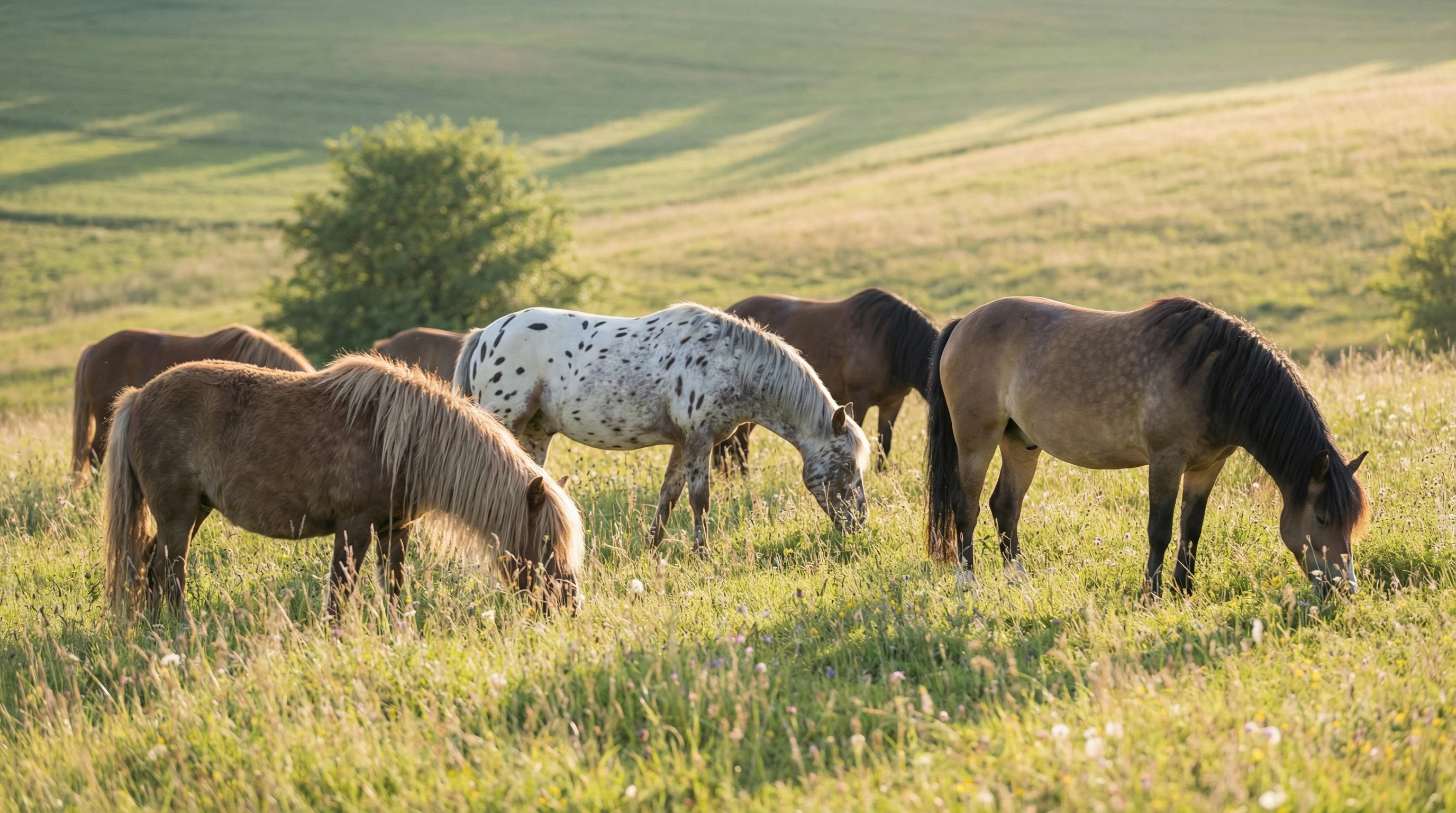
There’s a pony for nearly every type of kid, whether yours is quiet and cautious or super adventurous. Some breeds crop up over and over again as kid-safe favorites, but there’s more to it than reputation.
Ponies like the Welsh or POA are popular first mounts for children, but pairing them with the right saddle matters just as much as choosing the pony itself. If you’re unsure where to start, this guide on choosing the right English saddle for your child can help.
Here are some breeds that stood out to me for their steady temperaments and general suitability for children:
- Shetland Pony: Known for being small and tough. These ponies can be gentle when well handled, but also sometimes cheeky if left unsupervised. Great for little kids under close watch.
- Welsh Pony: Comes in several types, from tiny Section As to larger, more athletic Section Ds. They’re known for being friendly, clever, and versatile; suitable for both novices and more experienced young riders.
- Connemara Pony: Larger and athletic but famously laid-back. I’ve found them to be solid choices for a growing child who might get into pony club or competitions.
- POA (Pony of the Americas): On the taller side, these ponies usually have a spotted coat. I like that they do well in English and Western riding, and they tend to adapt to various skill levels.
- Dartmoor and Exmoor Ponies: Less common in the U.S., but they have a reputation as being reliable, patient, and easy to keep. Their smaller size suits young kids well.
Every pony is unique, though. Breed helps set your expectations, but the individual personality means a lot more, especially for novice riders.
If you want to check out a breed in person, see if local farms or lessons barns have some of these ponies available for observation or trial rides.
Temperament Matters: What’s the Pony’s General Demeanor?
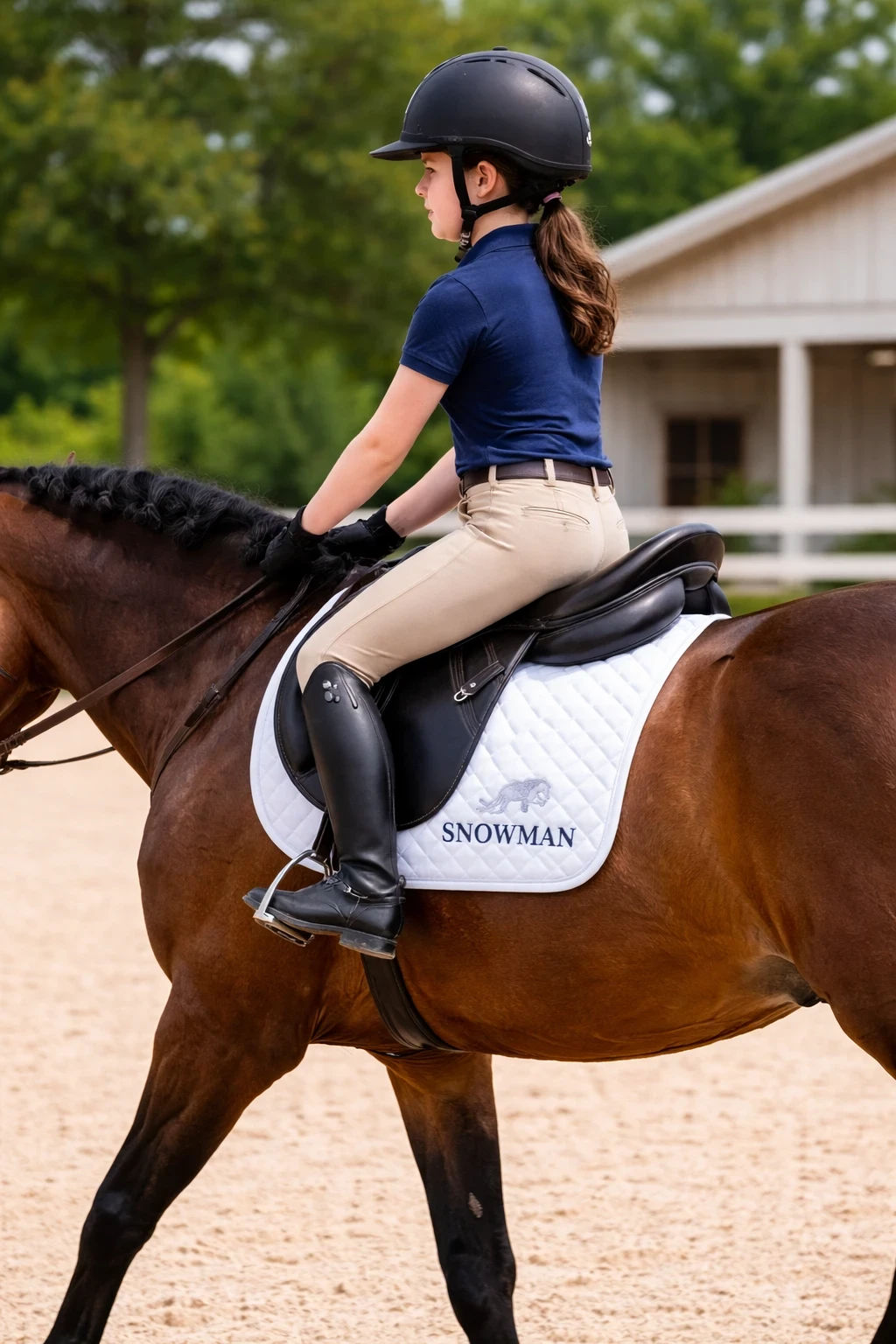
I see a lot of parents ask if certain breeds are calm and steady. It’s totally reasonable to want a pony that forgives mistakes, patiently handles wiggly beginner hands, and doesn’t spook at every shadow.
As a rule, many native pony breeds like Welsh, Connemara, and Dartmoor tend to be sensible and trainable. Still, a well-trained older pony, regardless of breed, often makes the best first partner.
Key points to check with any breed:
- Does the pony have a patient streak, or is it quick to react?
- Is it okay with unbalanced riders and “oops” moments?
- Does it stay levelheaded in new or noisy environments?
Parents often find that a calm, kid-safe pony is more about individual training and daily handling than about breed alone. Spending time observing or trying out potential ponies is really important.
Sometimes, you stumble upon a pony whose temperament fits your child perfectly, even if you hadn’t considered that particular breed before.
Fitting the Pony to Your Child: Size and Growth
Pony height is a top question. It’s tempting to buy a pony for your kid to grow into, but a pony that fits your child’s size now is safer and more enjoyable. Growth happens, but struggling to mount or feeling intimidated by a larger animal can sap confidence.
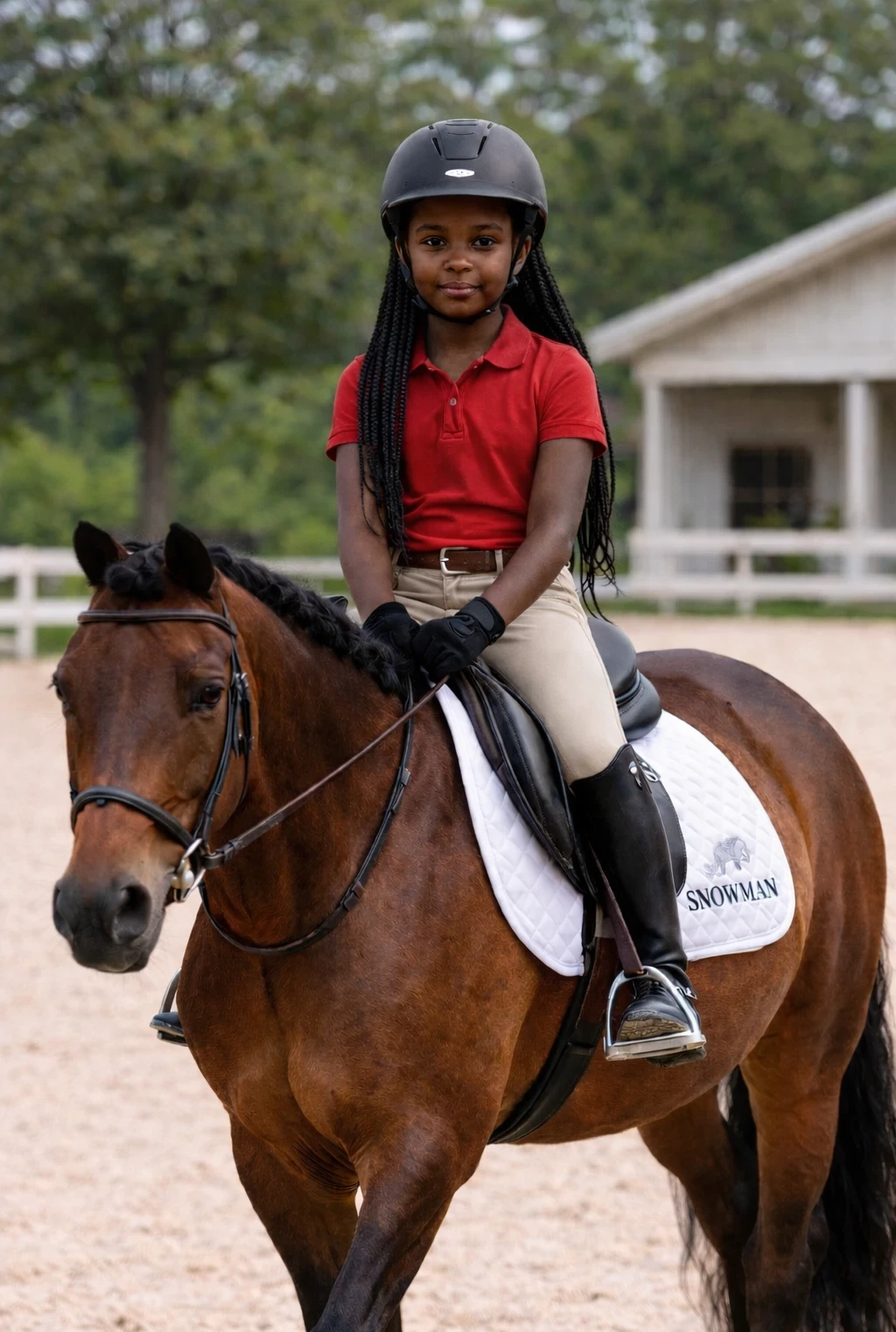
Many pony breeds have shorter backs and rounder builds than horses, which means they often require pony-specific saddles rather than scaled-down horse saddles. This is why understanding the difference between English saddles for ponies and horses is so important for comfort and safety.
Here’s what I usually advise:
- Small Ponies (11-12.2h): Suited for riders 6-8 years old, especially those just beginning.
- Medium Ponies (13-14.1h): Good for older children who are growing quickly, or for kids aiming to ride for a few years before moving up.
- Larger Ponies (14.2-15h): More like small horses, these are great for teens or taller children and can often accommodate a child for several years.
Weight matters too. Most ponies can comfortably carry about 20% of their own body weight. Connemara, Welsh D, and POA ponies, in particular, tend to handle slightly taller or heavier kids with ease. It’s all about matching rider and pony, with regular checks as your child grows. For the best riding experience, make sure equipment like saddles and bridles also match the pony’s shape and the child’s size.
Discipline and Versatility: Can This Pony Grow With My Child?
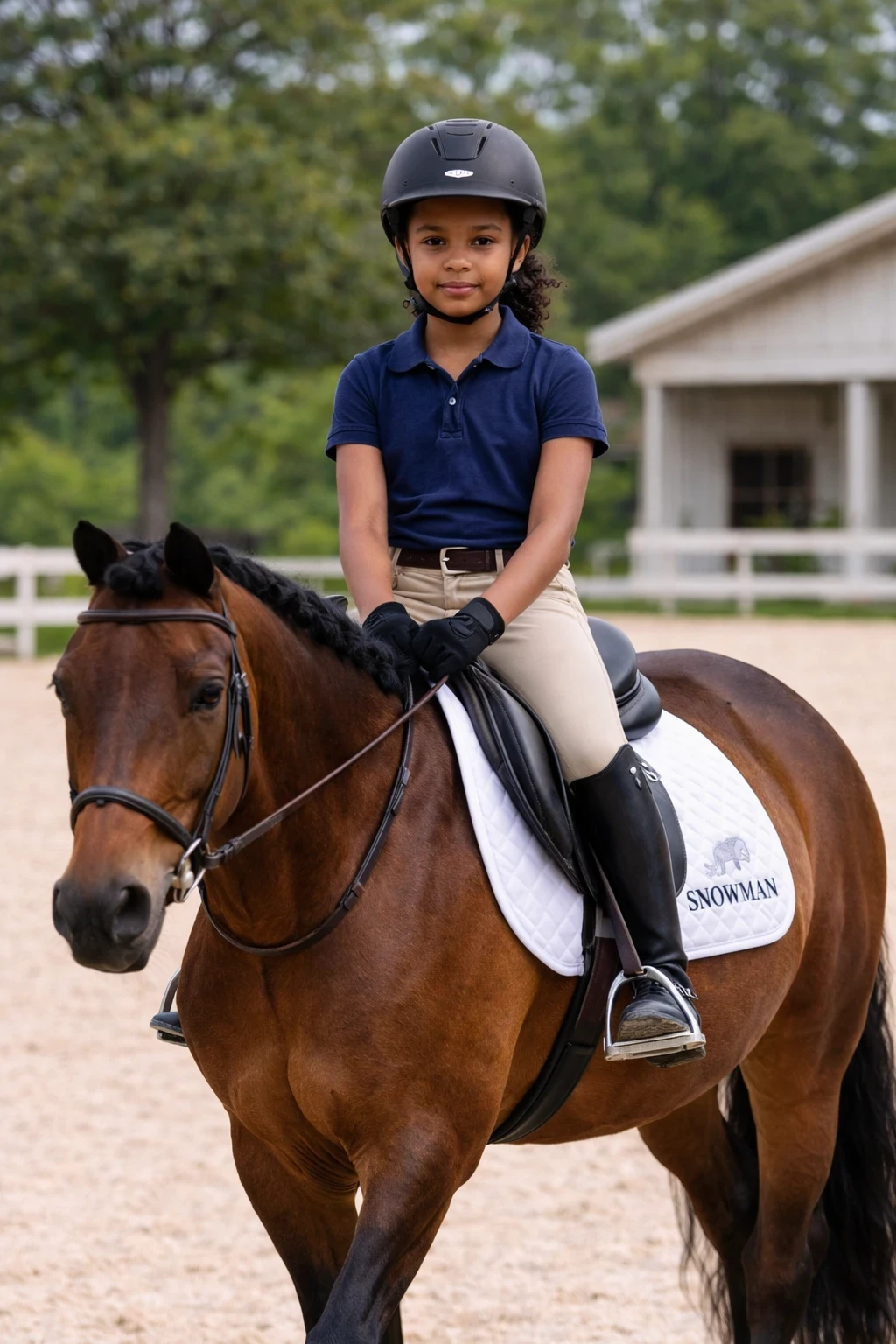
Not all pony breeds are pigeonholed into one riding style anymore. Welsh and Connemara ponies regularly compete in hunter/jumper, dressage, eventing, and even trail riding.
As kids begin jumping or riding more competitively, saddle balance and stability become even more important. These youth jumping saddle mistakes are especially common when transitioning from pony mounts.
POAs are all-arounders, functioning well in Western and English disciplines. Some of the smaller breeds, like Shetlands, might be happiest as leadline or beginner ponies but can also pull a cart or even compete in small jump shows with the right training.
Versatility really depends on how the pony is started and what it’s been exposed to. I love seeing ponies that glow up alongside their riders, growing from leadline lessons to first canters, then maybe to fun shows or even a bigger challenge.
A versatile pony makes transitions simpler—if your child wants to try something new, there’s less hassle and usually less stress for everyone.
For showing or more intense training, larger breeds such as Connemara and POA are especially worth considering, as they often compete alongside horses in youth classes and don’t outgrow their jobs as quickly.
Bringing in a trainer who can game plan different disciplines with your child and pony adds even more choices as your child’s skills develop.
Everyday Care: Health, Hardiness, and Maintenance
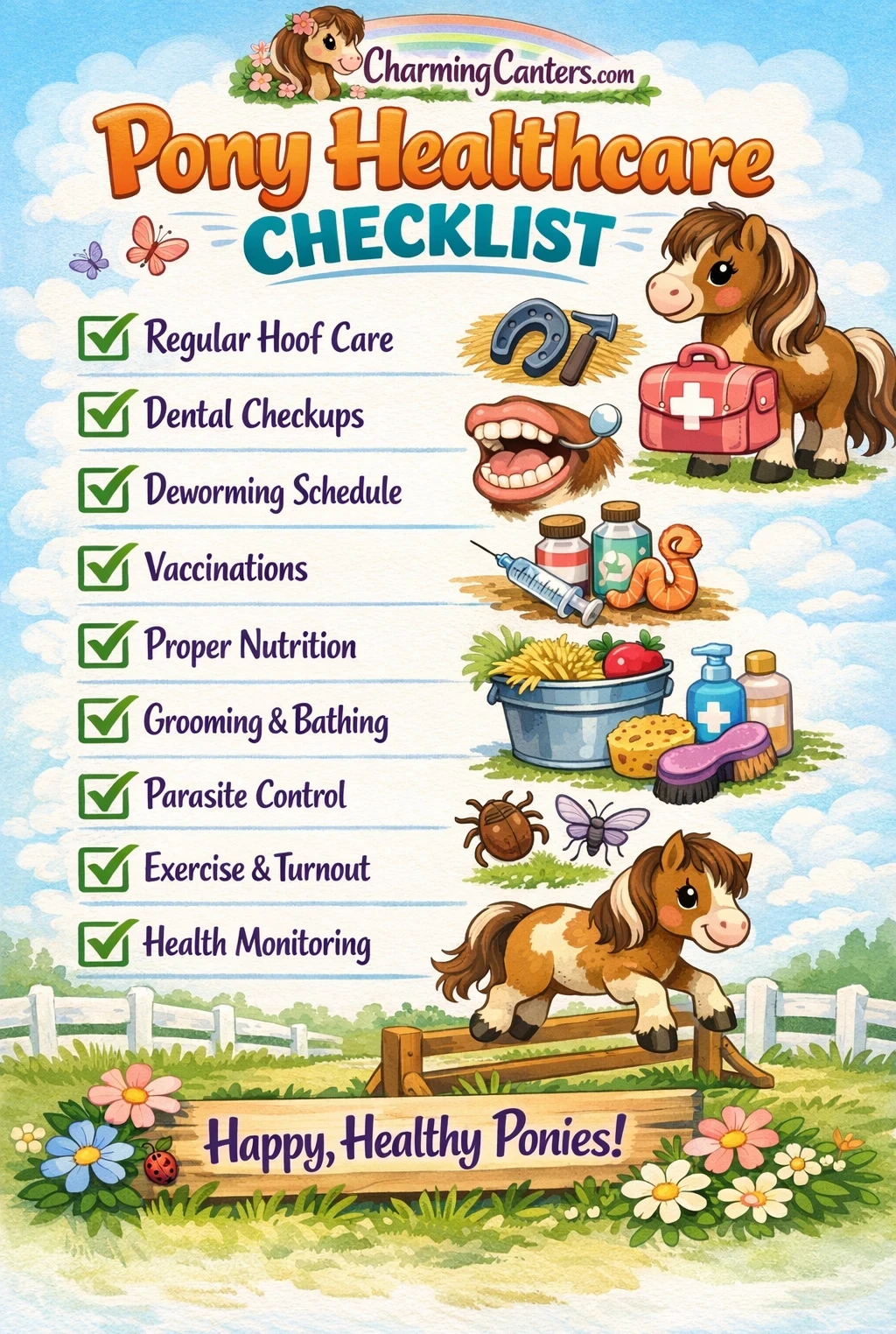
Busy families appreciate an easy keeper. Native pony breeds, especially Shetlands, Dartmoors, and Exmoors, are generally hardy, needing only basic care and feeding.
They can get chubby if overfed, so keeping an eye on diet is key! Some ponies (like Welsh and Connemara) hold their weight easily and have sound hooves, lowering farrier and feed costs over time.
On the flip side, occasionally certain breeds have health risks, like founder (laminitis) in easykeeping ponies if fed too much rich grass.
- Ask about breed-specific issues. For example, Shetlands sometimes get skin conditions; POA ponies can have eye issues related to their coloring.
- Vet and farrier visits are usually straightforward, but a pony with health problems or special needs takes up more time and expense.
- Routine care matters. Hardier ponies adapt better to different barns and busy home schedules.
I’d say a lower maintenance breed gives young riders a better experience; kids can get more involved in care without overwhelming parents. Making the most of regular grooming and turnout keeps ponies healthy, happy, and connected with their families.
Ponies That Teach vs. Ponies That Test
A schoolmaster pony—usually older, experienced, and well trained—shows children the ropes. These ponies teach new skills, forgive fumbles, and give calm, consistent rides.
I find that kids build confidence much faster with a pony that quietly guides them rather than one that challenges every command or needs an expert handler.
Some active, younger ponies (especially stallions, which usually aren’t ideal for kids anyway) require more correcting and can be frustrating for beginner families.
When looking at breeds, ask not just about awards or fancy breeding, but:
- Does this pony work well with multiple riders or handlers?
- Will it set boundaries gently for a new rider?
- Is its training level manageable for a child to maintain, or does it test riders and need a pro?
Ponies that teach build skills and trust; ponies that test might stall progress or knock confidence. Older, well-handled ponies are nearly always safer and easier for children.
If your local barn has a tried and true pony, check it out; these are sometimes the best teachers for young equestrians.
Emotional Connection: Confidence, Bonding, and Personality
Physical traits are important, but emotional compatibility is just as big. Some pony breeds, like the Welsh, are known for strong rider bonds and a sense of loyalty.
Others, like Shetlands, often become part of the family—sometimes stubborn, but affectionate and eager.
Consider your child’s confidence level.
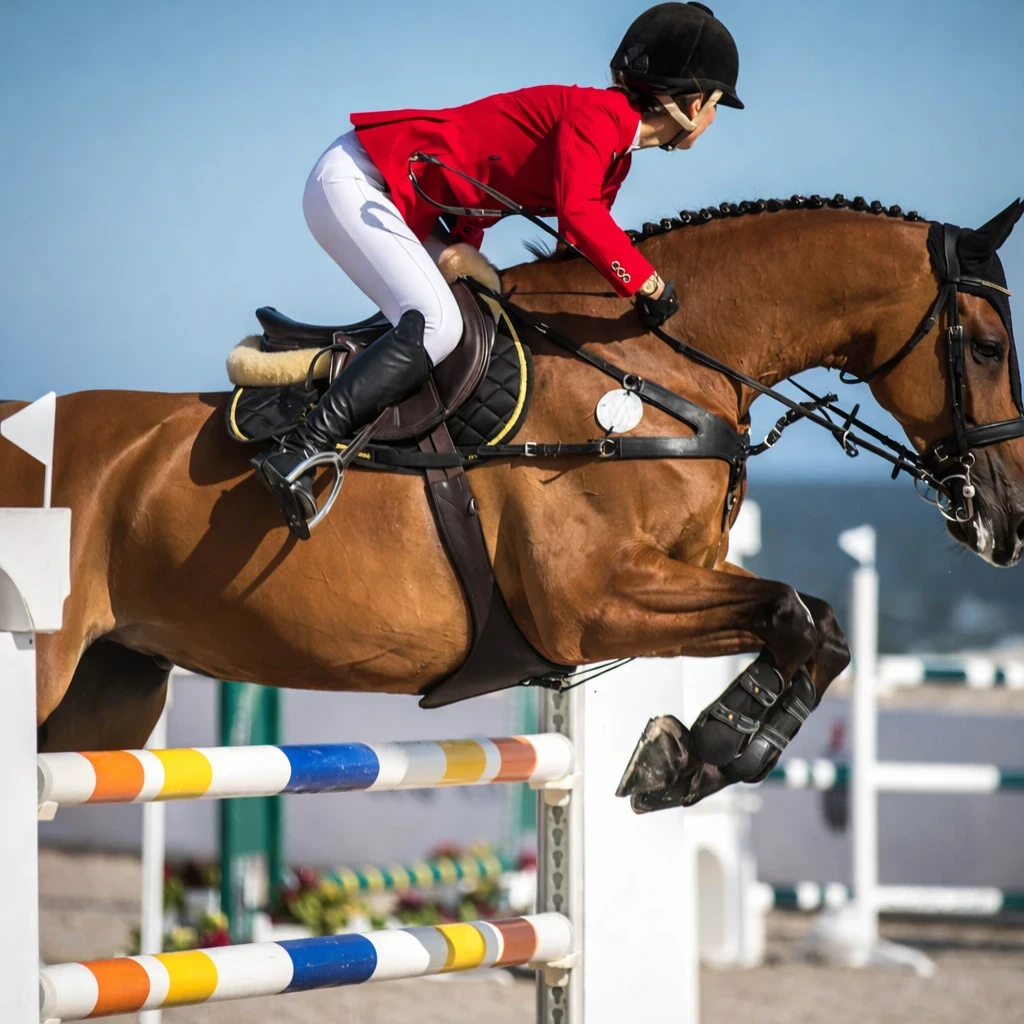
A timid child often thrives with a gentle, slow moving, and forgiving pony. Braver kids might enjoy a peppier, more spirited breed, as long as the pony still knows its job and remains safe in handling.
Ponies that work with many handlers—parents, instructors, and barn helpers—tend to adjust well to family schedules and lesson programs. Even a pony’s quirky personality can add fun and a sense of partnership to daily barn life, helping kids form treasured memories.
I recommend watching your child with different ponies before making a final decision.
Seeing them groom, lead, and ride in calm and more exciting situations tells you a lot about potential fit. Stumbling upon an instant connection can be magical for both rider and pony.
Investment and the Future: Value, Transition, and Resale
Having an idea of how long your child can ride a pony is really helpful.
Kids grow fast, and so do their interests. Medium and larger pony breeds offer the longest partnership windows, often fitting kids from late elementary to early high school.
Some families buy, lease, or share a pony. Breeds popular in local lesson programs (like Welsh or Connemara) hold value well and are easier to place in new homes when the time comes to sell or switch to a horse.
Thinking about the future, a pony that fits emotionally and physically means you get a better investment—not just in money, but in skills, confidence, and happiness for your kid.
Talk with trainers and local barns to get a sense of which breeds are in demand nearby, making future transitions easier if your child’s needs change.
Parent Pony FAQ
Here are some questions I often hear from parents thinking about a first pony:
- What is the best pony breed for beginner children?
Welsh, Connemara, and Dartmoor ponies are often good picks for beginners, but older, well trained ponies of any breed are often the safest choice. - Are ponies safer than horses for kids?
Generally, yes; ponies are smaller, but attitude and training count a lot more. Bigger isn’t always better for new riders. - Is a pony always better than a small horse?
Not always. Some children outgrow ponies quickly or feel more secure on a gentle small horse. Consider fit more than labels. - Should temperament matter more than breed?
Absolutely. A calm, forgiving pony is far more important than any breed reputation. - How do I know if my child is ready for their own pony?
They should be able to groom, lead, and ride with some supervision. Lessons or leasing first can help you gauge readiness. - What matters more: breed, training, or personality?
Personality and training outweigh breed almost every time. A pony with patience and lots of miles is the smart choice.
🧩 Tack Considerations After Choosing a Pony Breed
Once you’ve chosen the right pony breed for your child, saddle fit becomes the next critical step. Ponies often need saddles designed specifically for their shorter backs and rounder builds — not simply smaller versions of horse saddles.
Many parents have success starting with pony-specific or adjustable youth saddles, such as the Pessoa Junior Saddle or Wintec youth models, because they allow room for growth while maintaining balance on a pony’s back.
Final Parent Guidance
Breed matters, but it’s only one part of the equation. What matters even more is how the pony’s temperament, training, and size fit your child—right now and as they progress.
A great pony encourages confidence, keeps everyone safe, and makes every ride enjoyable. When in doubt, lean on professional trainers, ask questions, and don’t rush big decisions.
Matching child and pony is about the experience, not just breed trends or price tags.
Regular check ins on fit and skill level make a huge difference over time, so your child and their pony can grow together and make the whole family proud.
Did you find this post helpful? If so, please leave your comments below.
Fantastic, thorough guide, Shalisha. I really appreciate how you emphasize that breed reputation is only a starting point, while temperament, training, and fit ultimately matter most. Your breakdown of pony sizes, growth stages, and rider weight is especially helpful for parents who are overwhelmed by conflicting advice. I also love the repeated reminders about saddle fit and pony-specific tack, it’s an often missed detail that can make or break a child’s comfort and confidence. The comparisons between Welsh, Connemara, POA, and smaller native ponies were clear without oversimplifying, and your focus on schoolmaster ponies is spot on. This post does a great job balancing practical guidance with real-life experience, and it encourages thoughtful decision-making instead of rushed purchases. A must read for parents starting their pony journey. It will help families feel confident, informed, and excited about finding the right pony partner together from day one.
Hi Andre.
Wow — this truly means so much. Thank you for taking the time to read it so thoughtfully.
When parents first start looking at ponies, it’s so easy to get swept up in breed reputations — “Welsh are perfect,” “Connemaras are athletes,” “POAs are kid-safe” — without realizing that temperament, training, and match-to-rider matter far more than a label on paper. I’m really glad that came through.
You’re absolutely right — the growth stages and rider weight piece is where many families get stuck. Kids grow. Confidence levels change. Riding goals evolve. I’ve seen so many well-intentioned purchases that were simply a mismatch in timing, not heart. That’s why I try to frame it as a partnership decision, not just a breed decision.
And yes — pony-specific saddle fit is one of those “quiet deal breakers.” A round little Welsh cross or a wide Connemara back needs very different panel support than a narrow, refined pony. Comfort directly impacts confidence, especially for young riders.
For anyone reading along and still sorting through breeds like Welsh Pony, Connemara Pony, and Pony of the Americas, my biggest encouragement is this:
Look for the right individual, not the “perfect” breed.
Prioritize a kind, experienced schoolmaster when possible.
Match the pony to your child’s current stage — not just their future goals.
The right pony doesn’t just carry a child — it shapes their confidence, safety, and love for the sport.
I really appreciate your support and encouragement. It’s conversations like this that make building Charming Canters feel worth it.