Finding the right English saddle tree type for your horse takes more than a quick trip to the tack shop. The way a saddle fits can mean the difference between a happy, comfortable horse and one that’s cranky or sore.
It’s about getting that mix of comfort, support, and performance, so both you and your horse enjoy every ride. I’ve gone through the trial and error process myself, and I know just how confusing all the options can get.
Here’s a super practical guide to sorting out tree types and matching one to your horse, without getting lost in technical jargon. In addition, you might find my post, “The Anatomy of an English Saddle” helpful.
The Role of a Saddle Tree and Why It Matters
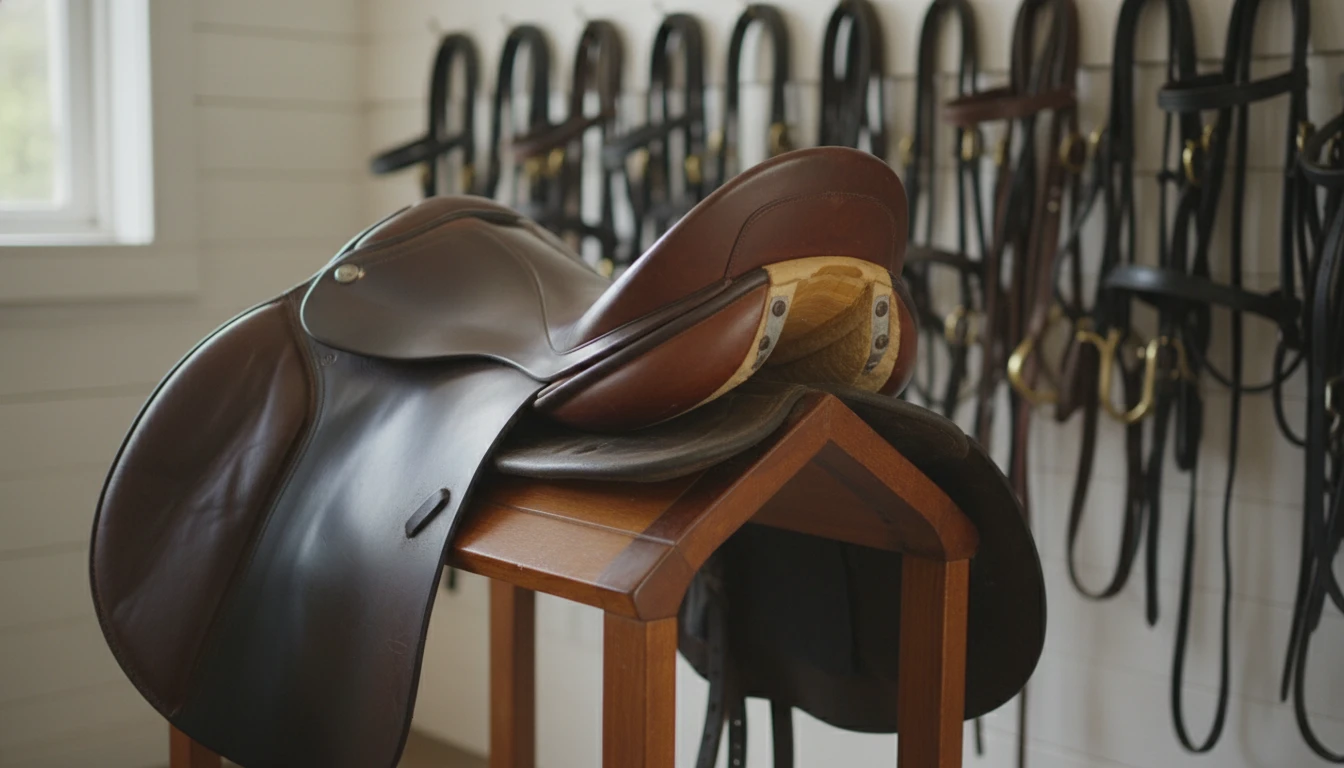
The saddle tree forms the backbone of any English saddle. (See my post, “Understanding Different Types of English Riding Saddles”). It’s what keeps the saddle’s shape and distributes your weight across your horse’s back. If the tree isn’t the right fit, you’ll notice things like muscle soreness, bad posture, and even behavioral changes like pinning ears or refusing jumps.
When the tree matches your horse’s shape, you’ll see smoother movement and happier rides. Remember, even small changes in design or materials can make a real difference in support and comfort for both horse and rider.
Today’s English saddles are built around different types of trees, from traditional wood and steel to modern synthetic materials. This gives you some flexibility, but there’s no one size fits all answer because every horse has a unique back shape (just like people have different feet sizes for shoes).
The decision often comes down to the activity you plan to do, your horse’s age and build, and how much you value repairability versus adjustability.
Types of English Saddle Trees Explained
I spent way too long squinting at saddle catalogs trying to figure out which type of tree makes the most sense. Here’s a simple breakdown to smooth the way:
- Laminated Wood Trees: The classic option, these trees have layers of wood and some steel for reinforcement. They’re tough, last a long time, and are simple to repair. If you’re riding in a traditional discipline (think dressage or eventing) and want time-tested support, this type is worth a look. They stand up well to heavy, regular use.
- Synthetic Trees: These are made from materials like fiberglass or injected plastic. They’re lightweight, often more adjustable, and can be super resilient in wet or humid conditions. I find these work nicely for riders who need something lighter and easy to maintain. Modern advancements have made these saddles particularly appealing for trail riders or those in changeable climates.
- Adjustable Gullet/Adjustable Tree Saddles: These have a gullet or plate that can widen or narrow, letting you tweak the fit for a youngster that’s still growing or if you ride different horses. They’re really handy for people who don’t want to be locked in to one shape forever. With these, you can deal with seasonal changes in your horse’s physique or switch things up between horses in a lesson program.
- Flexible and Spring Trees: These trees have a hinge or a small amount of flexibility built in. They give a more forgiving feel for horses with sensitive backs. If you notice subtle discomfort or tension, trying a flexible tree could be a game changer.
No matter which material you go for, it’s the measurements and angles that matter most. A good tree fit makes all the difference in how your horse responds under saddle and can help prevent long term issues. If you’re really looking for an all in one solution, consider adjustable options as they can cover a wider range of horses and activities.
Key Fit Points: What To Check Before Choosing
Here’s where getting up close and personal with your horse’s back pays off. It’s not just about shoulder width or one measurement. You’ll want to pay attention to these:
- Wither Clearance: Always check how much space the saddle leaves above the withers (that bony ridge between the neck and back). There should be enough room to fit about two or three fingers. Less than that, and you risk rubbing or pressure sores, leading to discomfort or poor performance.
- Gullet Width: This is the channel running down the saddle’s underside. It keeps the panels off your horse’s spine. A gullet that’s too narrow can pinch or cause soreness. You’ll want the gullet to be wide enough to fit your horse—usually about 2 to 4 fingers, depending on the build. The exact width needed will vary with breed and condition, so always double check.
- Tree Point Angle: The points of the tree need to match the slope of your horse’s shoulders. If the angle is off, the saddle won’t sit right or will bridge over the back. Watch out for gaps at the front or excessive pressure points.
- Panel Contact: This is about how much of the saddle panel touches your horse’s back. Even, broad contact feels best for most horses, so you don’t feel rocking, bridging, or pressure points. If you can slide a hand evenly between the panel and back, you’re probably in good shape.
- Length: The saddle shouldn’t stretch too far back and sit past your horse’s last rib. Long saddles can affect movement and comfort, especially for shorter backed breeds. Always check for proper alignment to avoid back pain or sores.
Quick Steps To Check Saddle Tree Fit
Before pulling out your wallet, it’s smart to run through a few fit checks. This is a common sense way to spot issues early and save headaches later:
- Place the saddle (without pad) on your horse’s back. Set it gently where it would normally sit and make sure it lays flat.
- Check wither clearance. Put your hand under the pommel and slide fingers between the saddle and the withers. There should be enough space that moves with your horse as he flexes or lowers his head.
- Look down the gullet. There should be daylight showing through; if it’s blocked or collapsed, that’s a red flag. A blocked gullet is a common source of back soreness.
- Run your hand under the panels. You should feel even contact — not a tight pinch at the front or a gap at the center or rear. If the fit is uneven, try a different model or see if minor adjustments can help.
- Check length. Feel for your horse’s last rib. If the saddle goes beyond that, it’s probably too long and could restrict movement behind or cause sore spots.
Common Fit Issues and How To Avoid Them
- Bridging: This happens when the middle of the saddle isn’t making contact, so there’s uneven weight on the front and rear. Usually caused by mismatched panel or tree shape. Ask your saddle fitter to check for this by sliding their hand along the panel when the saddle’s on your horse.
- Pinching: Narrow trees or gullets can pinch at the shoulders. Horses will show discomfort, swishing tails, refusing to move forward, or sore spots. Choosing a wider gullet and double checking tree width helps fix this issue.
- Perching: When a tree is too wide, the saddle can perch up and wobble around. If you’re sliding all over, it’s time to look at a different size.
- Saddle Slipping: If you notice your saddle slipping sideways no matter what, you likely have a mismatch in tree width or panel shape. Sometimes, simple padding adjustments help, but often a new tree is the only answer.
Key Features That Make Saddle Shopping Easier
- Interchangeable Gullet Systems: Saddles that let you swap out the gullet plate are super popular for growing horses or barns with multiple horses. I’ve found these especially helpful for those on a budget who want more flexibility. They also let you keep up if your horse gains or loses muscle.
- Flocking Adjustments: Some modern saddles can have the flocking (wool or synthetic fill inside the panels) changed or customized for a more precise fit. This isn’t always about the tree, but flocking adjustments paired with the right tree type can give a comfy, tailored feel without replacing the whole saddle. It’s a cost effective way to give your saddle new life as your horse’s body changes.
- Lightweight Designs: For older horses, riders with physical limitations, or long days in the saddle, a lighter synthetic tree makes a huge difference for ease of use and handling. It also helps reduce fatigue on the horse’s back for extended trail rides or endurance activities.
When To Call In a Pro Saddle Fitter
Even after years of riding, I like to get a second opinion from a professional fitter, especially if I’m working with a young, old, or hard to fit horse. Saddle fitters bring tools and experience to measure tree width, panel symmetry, and pinpoint pressure areas that might go unnoticed.
It’s pretty common for a pro to make tweaks that smooth out minor fit problems, so don’t feel awkward about asking for their help. They can also recommend brands or models based on your budget and goals, saving you lots of time.
Real-World Scenarios: Choosing For Different Horses
- High Withers (like Thoroughbreds): Often need taller pommels and more wither clearance. A medium narrow tree with a curved profile works best. Always check that there is enough padding to avoid friction or pressure at the withers.
- Broadbacked Horses (like Quarter Horses or some Cobs): Go for saddles with wider gullets and flatter panels. Adjustable trees or wider wood trees often do the job. A well fitted broad saddle helps distribute the rider’s weight evenly and keeps the horse moving freely.
- Young Horses: They change shape quickly, so adjustable gullet systems are really handy until your horse finishes growing. You’ll save money and frustration by using a flexible solution during these rapid growth phases.
- Shortbacked Horses: Look for shorter panels and compact tree designs to avoid overlapping the last rib. Many modern brands make specially designed options for ponies or petite breeds, so ask your fitter about what will match up best.
Frequently Asked Questions
Question: How do I know if my saddle tree fits?
Answer: Put the saddle (no pad) on your horse’s back. Check the wither clearance, gullet width, panel contact, and length. If your horse is moving freely and there are no sore spots after riding, you’re likely on the right track. Ride for a few sessions before making your final decision, as some fit issues don’t appear until the horse is in full motion.
Question: Can a saddle fitter adjust the tree?
Answer: Some saddle trees can be adjusted (especially metal or adjustable gullets), but most traditional wood trees can’t be changed much. A pro can tweak flocking and sometimes make slight changes, but if the tree is way off, you might need a different saddle. Always ask about the limits before buying a new or used saddle, especially older models.
Question: How often should I check my saddle’s fit?
Answer: It’s a smart idea to check every six months, or after new training routines, big muscle changes, or if you notice your horse acting uncomfortable. Horses can gain or lose muscle pretty quickly, so regular checks help keep discomfort at bay.
Final Tips For Smart Saddle Shopping
Picking the right saddle tree involves balancing your horse’s unique shape, your chosen discipline, and your riding needs. I always suggest borrowing or demoing saddles before buying, working with a local fitter, and listening to your horse throughout the process.
Good communication and slow, careful checks are the best way to end up with a saddle that works for both of you. Taking these steps makes every ride more enjoyable, and helps keep your horse sound and content for years to come.
Wrapping up, remember that horse comfort is always worth the extra effort—your rides, and your horse, will thank you for it.
Did you find this post helpful? If so, please leave your comments below.
Thank you for publishing an “Ultimate Guide to Choosing the Right English Saddle Tree Type”! This is such a crucial piece of equipment, and it’s fantastic that you are dedicating an entire guide to it.
As riders, we often focus on seat size, flap length, and leather type, but the saddle tree is truly the foundational structure—the unsung hero that determines comfort, balance, and long-term health for the horse.
Hi Leah. Thanks for your comment. Yes, the tree is the foundation of the saddle. It’s important that the tree fits the horse first and foremost. If the tree is hurting the horse, your ride will be a disaster.
This is an incredibly thorough and well-explained guide! As someone who has struggled to understand the nuances of saddle fitting, your clear breakdown of the different tree types (ridged vs. spring, hoop vs. panel) and how they interact with a horse’s back is invaluable. The emphasis on professional fitting and the practical advice on checking for bridging and pressure points are crucial takeaways. This resource is a game-changer for any rider looking to invest wisely in their horse’s comfort!
Hi Cian. Thanks for your feedback. I’m glad my post was helpful to you. If I can help you out when you’re ready to buy a saddle, please let me know.