If you’ve spent any time around horses, you’ll know that the makes a real difference for both you and your horse. English saddles are a classic choice for everything from jumping to dressage to trail riding.
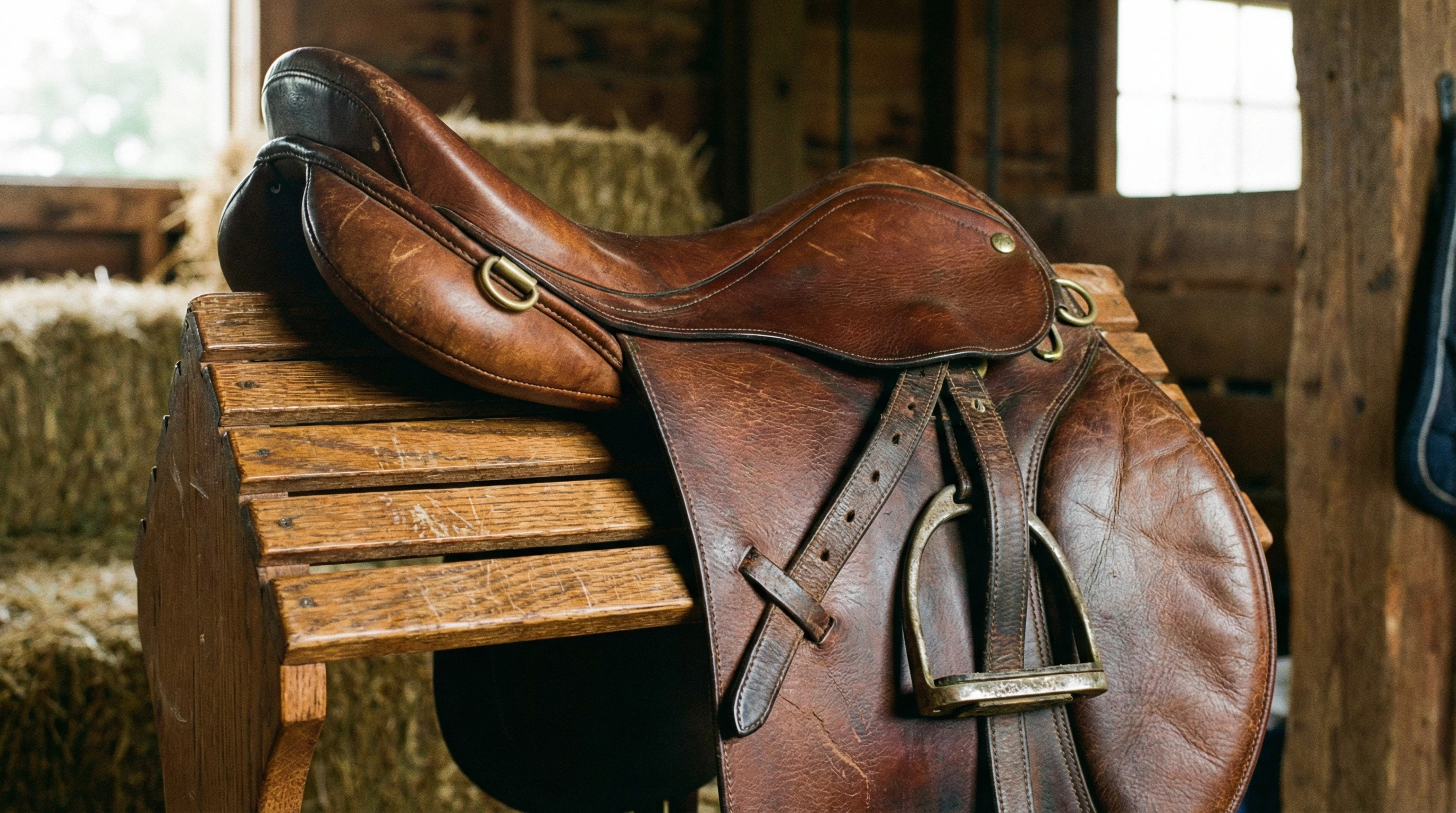
Each part of an English saddle actually serves a useful purpose, so understanding its anatomy is pretty handy when you’re picking out gear or just want to deepen your horse knowledge.
The Difference Between English and Western Saddles
To the novice, English saddles and Western saddles can look similar at a quick glance, but they’re built for different riding styles, and the difference feels obvious when you’re in the saddle.
English saddles are lighter, smaller, and let you stay closer to your horse’s movement. This comes in handy for things like jumping or dressage that require lots of rider precision and horse flexibility.
Western saddles, by comparison, have a horn and a much larger seat, suiting the needs of long trail rides, barrel racing, or roping cattle. If your main focus is competitive riding like show jumping or dressage, the English style is usually the way to go.
Key Features of an English Saddle (And What They Do)
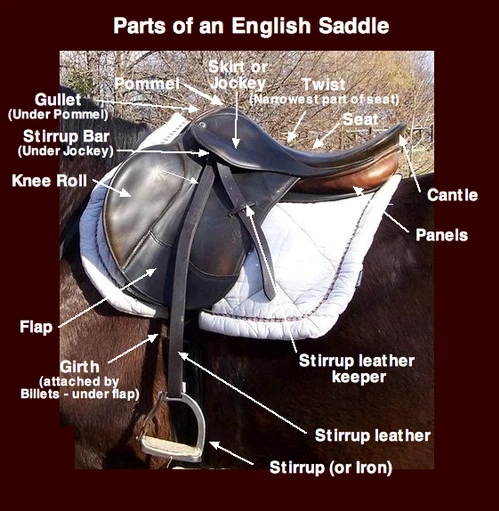
An English saddle might seem simple at first glance, but each piece is built for a reason. Here are some of the most important parts you’ll see on nearly every English saddle, along with what they’re meant for:
- The Seat: This is where you sit. English saddles are designed so you sit upright, balancing your weight over your horse’s center of gravity. The shape of the seat can make a real difference in how comfortable you feel and how much control you have.
- Pommel: The raised front part. The pommel helps keep you secure, especially when your horse jumps or changes pace quickly.
- Cantle: The back end of the seat. The cantle gives your lower back some support, which you’ll appreciate during long rides or bouncing across jumps.
- Panels: These padded sections sit directly on your horse’s back. Panels help distribute your weight evenly to keep your horse comfortable.
- Flaps: These leather pieces cover the girth straps and extend down the side. They help your leg stay in the correct position and protect you from the buckles underneath.
- Stirrup Bars: Metal bars just under the flaps where you attach your stirrupleathers. They’re angled in a way that makes it safer to lose a stirrup if you fall.
- Stirrupleathers & Irons: The leathers are adjustable straps that connect to your metal stirrups (irons), letting you set the right leg length for your activity.
- Girth Straps (Billets): These leather straps attach the girth (that’s the wide strap that goes under your horse’s belly) to the saddle, holding everything in place.
- DRings: Small metal rings at the front. These are super useful for clipping on training equipment, breastplates, or even carrying a lead rope for hacks.
- Gullet: The space that runs along the center under the saddle. The gullet keeps pressure off your horse’s spine and allows room for movement.
How Is an English Saddle Made?
Building an English saddle is a mix of art and science. Most saddles start with a sturdy frame known as the “tree.” The tree can be made from wood, fiberglass, or more modern materials. It sets the shape and structure for the saddle.
Over this base, skilled saddle makers stretch leather and add padding. This padding is what makes the seat comfortable and keeps your horse’s back from getting sore.
The panels get filled with wool flocking or foam so you can have even, cushioned contact with your horse. Each piece of leather gets sewn or riveted by hand so it stands up to years of use.
Stirrup bars and DRings are attached securely during construction, since these parts see a lot of stress.
Choosing the Right English Saddle for Your Riding Goals
Picking an English saddle isn’t just about what looks good in the tack shop. Different activities call for slight design changes. In addition, horses have different confirmations. If you have a high-withered horse, please read my post, “How to Choose the Best English Saddle for High Withers.”
Here’s a quick breakdown based on common riding goals:
- Jumping: Show jumping saddles have forward-angled flaps and a shallower seat. This gives your legs freedom to move and keeps you balanced over jumps.
- Dressage: These saddles have a deeper seat and long, straight flaps, so you can keep your legs long and your position upright for better control over subtle movements.
- Eventing (All Purpose): If you ride several disciplines, an allpurpose saddle combines features from both jumping and dressage styles.
- Hacking & Leisure Riding: Comfort is key here. Lots of riders pick allpurpose saddles or slightly padded closecontact saddles for long hours on the trail.
The best way to figure out what suits you is to honestly assess your main riding activity and match the features to your priorities. Checking out a few by borrowing or renting before making a purchase can also help.
Understanding Your Horse Riding Goals
Your saddle choice should fit not just your body but your ambitions. Here are some ways your riding goals impact your saddle decision:
- If you’re focused on jumping or eventing, quick movement and lighter weight are probably your top priorities. A closecontact or jump saddle will help you move easily and stay out of your horse’s way.
- If you lean toward dressage, a saddle that helps you keep a long, deep seat with maximum contact and subtle control is really important. This is where a specialized dressage saddle shines.
- For riders who enjoy a little bit of everything, an allpurpose saddle offers flexibility without forcing you to buy two saddles. Your horse will appreciate the comfort, and you won’t have to give up much in either direction.
It’s totally normal for your goals to mix it up as you ride more. Many riders start with an allpurpose saddle and then switch to a discipline-specific one as their skills or interests develop.
What Are the DRings on an English Saddle For?
DRings are those small, round metal loops near the pommel of your English saddle. They’re mostly used for attaching extra gear, like a breastplate (which helps keep the saddle from sliding back), a martingale (for training purposes), or saddlebags and ropes when you’re spending a day out on the trail.
If you’re riding with extra accessories, those DRings make setup a lot less frustrating. You can even hook on a lead rope temporarily for those “grab and go” moments at the barn.
What Is a Gullet on an English Saddle?
The gullet of an English saddle is the channel that runs down the length of the saddle underneath, right where it sits over your horse’s spine. Getting the gullet size right is super important.
The space protects your horse’s spine and the surrounding muscles from too much pressure. If the gullet is too narrow, your horse might get sore or even develop long-term back issues.
A properly fitted gullet should allow you to slide a few fingers between your horse’s withers and the saddle, so nothing is rubbing or pinching when you’re riding.
Things to Think About Before You Buy an English Saddle
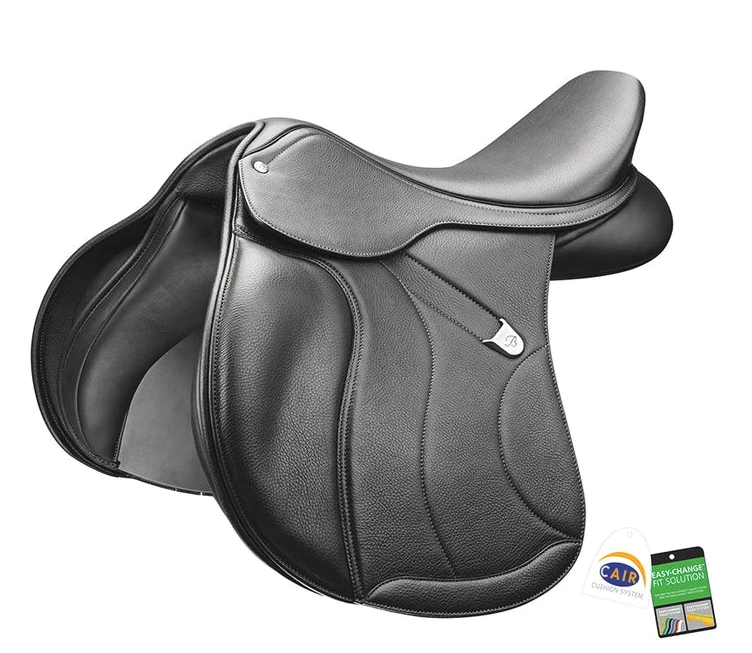
Buying a saddle is a bit of an investment, so I always recommend paying attention to the small details and your own needs. The above English saddle is a Bates All Purpose SC Saddle with CAIR. Here’s what I look out for:
- Saddle Fit for Your Horse: Even the nicest saddle in the world won’t work well if it doesn’t fit your horse right. Poor fit can cause everything from rubs and sore spots to outright behavioral issues. Getting a professional saddle fitter to check your fit is worth every penny.
- Your Comfort: Riders come in every shape and size, and so do saddles. Make sure your leg sits comfortably on the flap and your seat feels secure. Renting or borrowing before buying saves money and headaches.
- Quality Materials & Construction: Pay attention to the quality of leather, the evenness of stitching, and the sturdiness of metal parts like DRings and stirrup bars. Wellmade saddles last for years and are easier to keep clean and safe.
- Budget: While it might be tempting to go cheap, remember that a good quality saddle offers comfort, durability, and resale value down the line.
Common Pitfalls
Neglecting a Fitting Session: Skipping a fitting usually means both you and your horse end up uncomfortable. Always test a few options and ask for feedback from a coach or fitter.
Not Checking the Tree: A broken or warped tree is hard to spot, but it ruins saddle fit and safety. Gently rock the saddle and apply pressure to feel for movement, or have a pro look it over.
Frequently Asked Questions
What’s the right way to measure the gullet for my horse?
The safest bet is to use a flexible curve ruler or a wither tracing kit, which most tack shops can provide or help you use. Bring these measurements when trying out saddles.
Can one English saddle work for every horse?
Some allpurpose saddles are adjustable, but not every saddle fits every horse perfectly. If you ride multiple horses, a saddle with interchangeable gullets or a half pad might offer more flexibility.
How often should I check saddle fit?
Saddle fit should be checked at least twice a year or whenever your horse changes shape from age, work, or condition.
Are English saddles limited to only horses? Could they be put on bulls? Llamas? When did you decide to focus more on the type of saddle you strap up when riding your preferred animal? I can think outside the box when someone presents a topic. I didn’t think I’d land on an article about saddles, but here I am! There’s a chance I’m asking dumb questions but I figured it’d be worth a shot. Thanks for sharing by the way!
Hi Adrian! That’s not a dumb question at all—actually, it’s a fun one and I appreciate your curiosity.
English saddles are specifically designed around equine anatomy, so in practice they’re limited to horses (and sometimes ponies). The tree shape, panel placement, and balance points are built to sit correctly over a horse’s spine, rib cage, and shoulder movement.
Putting an English saddle on animals like bulls or llamas wouldn’t be safe or comfortable for the animal—or very functional for the rider—because their backs, musculature, and movement patterns are completely different.
As for when to focus on saddle type, that usually comes once someone starts riding more consistently or within a specific discipline. Early on, riders often just want “a saddle that works.” Over time, as balance, communication, and goals develop, the saddle becomes more than just something you strap on—it becomes a tool that supports both the rider’s position and the animal’s comfort.
And honestly, I love that you landed here unexpectedly. That kind of outside-the-box thinking is often how people learn the most interesting things. Thanks for reading and for taking the time to ask—those questions are always welcome!