If you have a child interested in horseback riding, figuring out whether to buy a new or used English saddle can feel like a puzzle. There are plenty of options and opinions out there, so sharing what I’ve learned should help make your search easier.
Picking the right saddle matters a lot for comfort, safety, and riding enjoyment. This is especially true for growing kids. Here’s my straight-up guide to choosing between a new or used English saddle for your child.
New vs. Used English Saddles: What to Consider for Kids
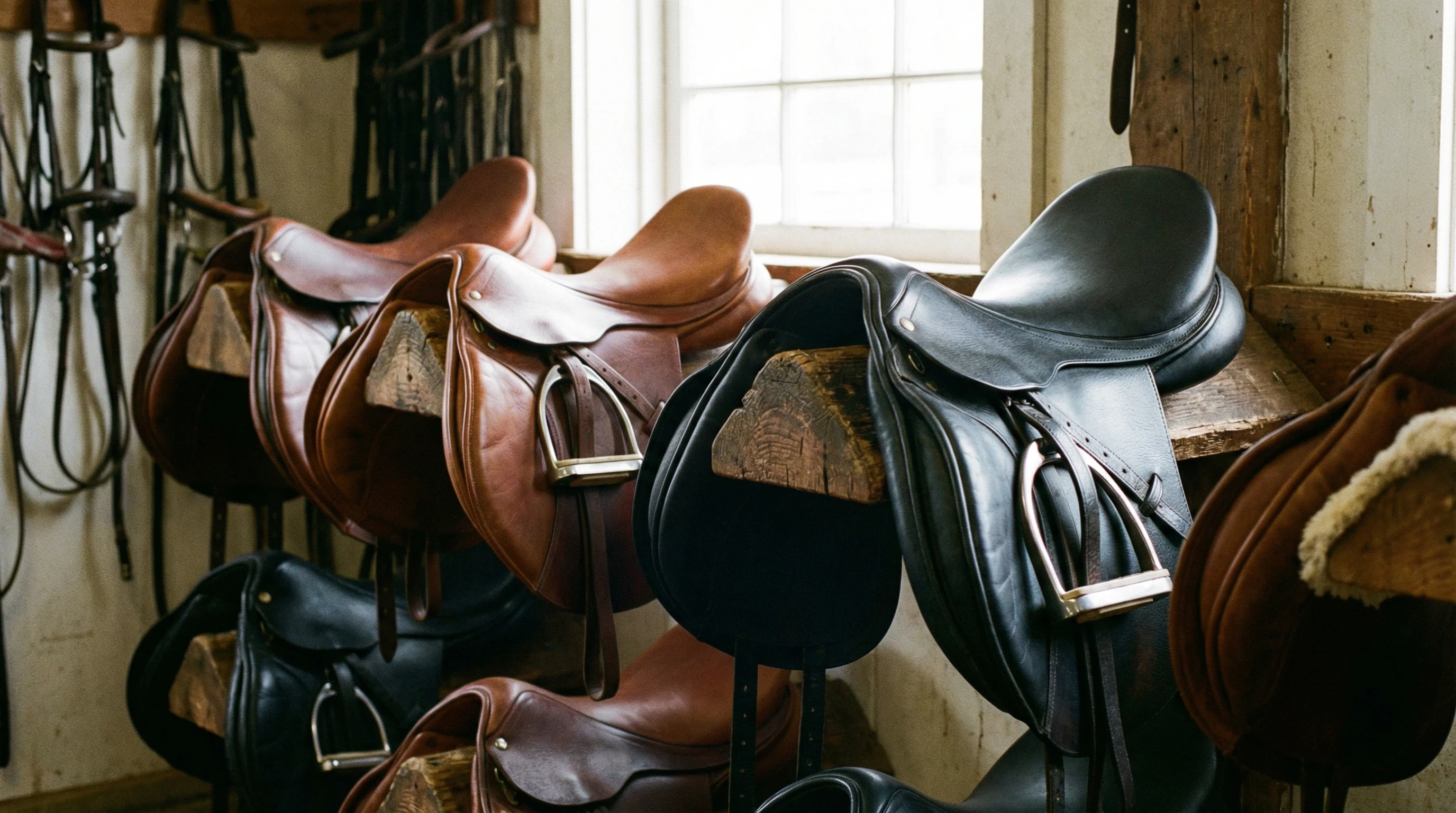
English saddles have been around forever, and plenty of kids start riding in borrowed or handed down versions. Now, the market is filled with all sorts of new and used saddles, from budget-friendly makes to fancy show models. Deciding between new and used usually comes down to budget, condition, fit, and how fast your child might outgrow the saddle.
For most families, a gently used saddle is a practical choice, especially for beginners. However, there are some reasons to go with new if budget allows. Here’s how I usually break down the main points:
- Budget: Used saddles tend to cost less upfront, freeing up money for lessons, gear, or horse care.
- Condition: New saddles guarantee no hidden wear, while used ones can sometimes hide issues unless you look closely.
- Fit and Comfort: Both new and used saddles must fit your child and the pony or horse well to prevent soreness.
- Resale value: Decent used saddles tend to hold their value or can often be resold at a similar price.
- Growth: With a fast growing rider, investing in a high end new saddle might not make sense right away.
There are also practical considerations like availability. In some areas, you may find a wider variety of high-quality used saddles than new ones in kid sizes. This gives you more options to choose from and the chance to get brands that may no longer be manufactured.
Trying several types before buying can save you a lot in the long run if your child has unique fit needs.
The Benefits and Drawbacks of New English Saddles for Kids
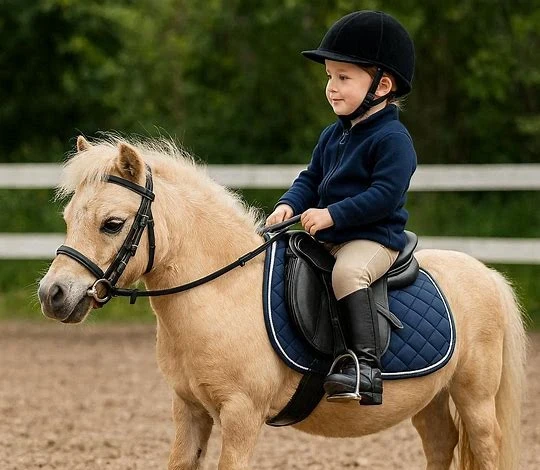
Going for a new English saddle brings peace of mind. You know exactly what you’re getting: fresh leather, a full manufacturer’s warranty, and the latest features. It’s easy to pick the right color or style for your rider too, with no broken in marks or scuffs.
But the main tradeoff is cost. New kids’ saddles (or smaller seat sizes) are still a pretty big investment, especially when you consider that your child could outgrow it within a few years. Also, new saddles sometimes need to be “broken in,” which might feel stiff or slippery at first compared to a nicely worn in used saddle.
If you go new, check if your local tack shop offers a buy back or trade up policy for when your child outgrows the saddle. This can make the initial spend less daunting and simplify future upgrades. New saddles also allow total customization for color and style, which lets your child feel excited about their own unique gear.
Why Buying a Used English Saddle Often Makes Sense
I’ve seen lots of young riders start in used saddles and have a great experience, especially if the previous owner took good care of it. Used saddles, especially those from respected brands, usually have a soft, comfy feel and tend to be a bit more budget-friendly. Many instructors recommend getting a good quality used saddle rather than buying a very cheap new one.
Since used saddle prices are lower, you can usually get more saddle for the same price. That can mean better leather, trusted craftsmanship, or upgraded features, all without as much sticker shock. The key is learning what to look for to avoid wear and tear that affects safety or comfort.
A big perk with used saddles is that they’re typically already broken in, which helps young riders get a steadier seat and feel more connected to the horse. Plus, older models sometimes feature sturdy leather that outlasts some newer budget-friendly options. Just be sure to check history and maintenance or ask plenty of questions before you buy.
What to Check When Buying a Used English Saddle
Choosing a used saddle isn’t hard if you know what to keep an eye out for. So, here’s how I check these used saddles before buying:
- Tree: The saddle tree is the frame. No cracks, warping, or loose sounds should be present when the saddle is flexed.
- Leather: Look for soft, supple leather with no major cracks, dried out spots, or stretched holes, especially near the billets and stirrup bars.
- Stitching: Tight, uniform stitching holds everything together. Frayed or missing stitches can mean repair bills soon.
- Panels and Flocking: Gentle pressure on the panels (underside) should feel even. Hard, lumpy, or flat spots might mean the saddle needs reflocking.
- Billets and Girth Straps: These take the most stress. Make sure they aren’t stretched, cracked, or close to tearing.
Some trusted local tack shops will let you take a used saddle home to try on your horse or even offer a short trial period. That’s always worth checking out to make sure it fits both your child and their horse safely. If shopping online, ask for lots of pictures of key wear spots and close ups. Don’t be afraid to check in with local riding clubs or enlist an instructor when making your decision.
How Long Does an English Saddle Last?
A well-cared-for English saddle can last a long time, sometimes 20 years or more with regular conditioning and care. The main factor is proper cleaning, storage, and getting repairs when needed. Some show saddles barely see the outdoors and stay pristine, while heavily used lesson saddles wear out faster. In general, paying attention to the signs of wear and keeping the saddle clean will help it last longer for your child and then for the next rider after them.
Routine cleaning and storing your saddle out of direct sunlight or damp conditions will help preserve the leather. Small repairs, like tightening loose stitching or addressing minor cracks, should be handled sooner rather than later. This kind of care ensures the saddle remains safe and functional throughout its lifespan.
What Size English Saddle for a 10 Year Old?
Saddle size depends mostly on the child’s build more than their age. Most 10 year olds will fit into a 15″ to 16″ English saddle seat size. Some lighter or smaller kids fit best in a 15″, while taller or larger kids might suit a 16″. It’s best to sit your child in a few saddles to see what allows about a hand’s width behind their seat and lets them stand in the stirrups without tipping forward or backward.
The other big piece is matching the saddle’s width to the pony or horse. Even a perfectly sized seat for your child is uncomfortable, and possibly unsafe, if it doesn’t fit the horse’s back. Most tack shops are happy to help find the right combination for your kid and their mount. Consulting with a qualified saddle fitter can also be worthwhile for a perfect fit.
Choosing the Best English Saddle for a Beginner

For most kids starting out, a general purpose (all purpose or “AP”) English saddle works really well. These are designed for basic flatwork, light jumping, and general riding. You’ll find them in both new and used condition. They’re not too deep or too flat, so they encourage a balanced, secure seat without locking your child into one riding discipline right away.
Popular brands for beginners include Wintec (especially the synthetic models for easy care), Thorowgood, Collegiate, and older Crosby or Stubben models in good used condition. Comfort, fit, and budget matter most; fancy labels don’t guarantee a better ride for a new rider. If you’re able, try sitting your child in different models to get a feel for their personal preference and the horse’s shape.
Is It Safe to Buy a Used English Saddle?
Yes, buying a used saddle can be very safe as long as you inspect it carefully. I always check trees, leather, billets, and stitching or ask an experienced instructor or saddle fitter for a second look. Avoid anything with obvious damage or repairs that seem DIY or sketchy. Sometimes, a local tack shop will offer lightly used saddles that have already been checked. This adds another layer of reassurance.
A safe saddle means it won’t suddenly break or slip out of place, protecting your child from unexpected spills. Using a saddle fitter for a final check is also a good idea, especially for beginner riders. If you’re bringing home a used saddle for a trial, doublecheck girth straps and make sure all attachments are secure each ride.
When Should My Child Specialize in an English Saddle?
If your child is trying lots of riding types, like English, jumping, dressage, or even dabbling in western, they’ll be fine in an all purpose saddle at first. Specializing usually happens as your child gets more excited about a particular style (for example, jumping lessons or dressage shows) or reaches a level where specialized equipment makes a real difference. This might be in the pre teen or teen years.
No rush to buy a new discipline specific saddle in the early years. It’s better to wait until they’ve got strong preferences, their body size has settled down a bit, and you know the investment matches their commitment. Until then, a wellfitted AP saddle is more than enough and can let your child switch things up and try new skills easily.
Frequently Asked Questions About Kids’ English Saddles
Question: What are the main things to ask when buying a used English saddle?
Answer: Ask about tree integrity, leather condition, stitching quality, how recently it was reflocked, and if it’s ever had major repairs. Always ask if returns or a trial fitting are possible.
Question: How long can a child use the same English saddle?
Answer: Most kids stay in the same size for a couple of years, but growth spurts, changing riding goals, or moving up to a bigger horse can make a saddle swap necessary.
Question: How do I know if a saddle fits my child’s horse?
Answer: The panels should lie flat along the horse’s back, no pinching at the withers, and the saddle should stay balanced without rocking. If in doubt, get a professional saddle fitter’s help.
Question: Should I buy English saddle accessories new or used?
Answer: Some gear like stirrups and leathers can be fine used, but items like girths and saddle pads are usually better purchased new for hygiene and comfort reasons.
Wrapping Up: How to Make the Best Choice
Your decision on buying a new or used English saddle for your child comes down to budget, fit, and how fast they’re growing. Used saddles are a smart, budgetfriendly option for many young riders and let you try different brands and styles without overspending. As long as you check for safety and get a good fit, your child can learn, have fun, and stay comfortable, no matter which route you pick. If you have questions or want feedback on specific saddles, local riding instructors or experienced fitters are always a resource worth tapping.
Taking the time to check out several options and understand your child’s needs will pay off in the long run, making the whole horseback riding adventure more enjoyable for everyone.
Did you find this post helpful? Please post your questions or comments below.
By the way, if you or your child decides to ride Western, check out my site Horse Saddle Comparison. I give in-depth reviews of new and used Western saddles.
Great article — I think it hits really important points about choosing a saddle for a young rider. It’s clear that a gently used English saddle is often a smart choice for beginners — letting parents save money while still giving a kid comfortable, broken‑in leather and good quality features. Also helpful is the reminder that proper fit — both for rider and pony — matters more than loading up on features or brand names. I especially like that you describe what to check when buying used: tree condition, leather quality, stitching, panels and girth straps.
I wonder — if you were buying for a 9‑ or 10‑year‑old child who grows quickly, would you personally lean more toward a used saddle to save costs and avoid frequent replacements, or choose a new one in the hope it lasts longer?
Hi Hanna. Thanks for stopping by and commenting. I’m glad you found my post helpful. Your question is a really good one. And the answer depends a fair bit on your priorities (budget, how fast your child is growing, how serious she is about riding, what horse she’s using etc.). There are good arguments on both sides if you’re thinking about buying an English saddle for a 10-year-old who’s still growing. Here’s a breakdown of things to consider (and what many parents/horse families end up doing).
Buying used has downsides: you might not know the full history (how it was stored, whether the tree is intact or safe), there may be hidden wear like compressed flocking, damaged billets, structural weakness — which can affect comfort and even safety for the horse. So, if you go used: try to buy from a reputable tack shop or a seller who allows trials/returns (not shady or randomly online), and ideally bring the saddle along with the horse to make sure fit and condition are good.
Hope that helps.
This is such a thoughtful and practical breakdown of a topic many parents find overwhelming. I love how you highlight the real-world factors that matter most—budget, fit, safety, and a child’s rapid growth. Your explanation of why a quality used saddle is often the smartest starting point feels especially reassuring for families new to riding. You also strike a great balance by acknowledging the benefits of buying new, particularly the peace of mind and warranty support. The detailed check-list for evaluating used saddles is incredibly helpful and gives readers confidence to shop responsibly. What really stands out is your emphasis on comfort and proper fit for both child and horse—something easily overlooked in the excitement of buying gear. This post makes the entire process feel far less intimidating and encourages thoughtful, informed decisions.
Hi Andre. Thanks for stopping by and for giving your thoughtful feedback on my post. I’m glad it was helpful. That is the whole point of my site – to be helpful to people looking to make informed decisions before buying a horse saddle. We look forward to hearing from you again.