
Dressage often looks elegant and calm from the outside. But when it comes to kids riding dressage, safety always takes the front seat. I’ve spent plenty of hours around beginner riders.
It’s super important to cover all the basics so kids can keep their love for horses alive and safe. This guide answers big questions parents have and highlights the practical stuff every family should know before kids saddle up for dressage.
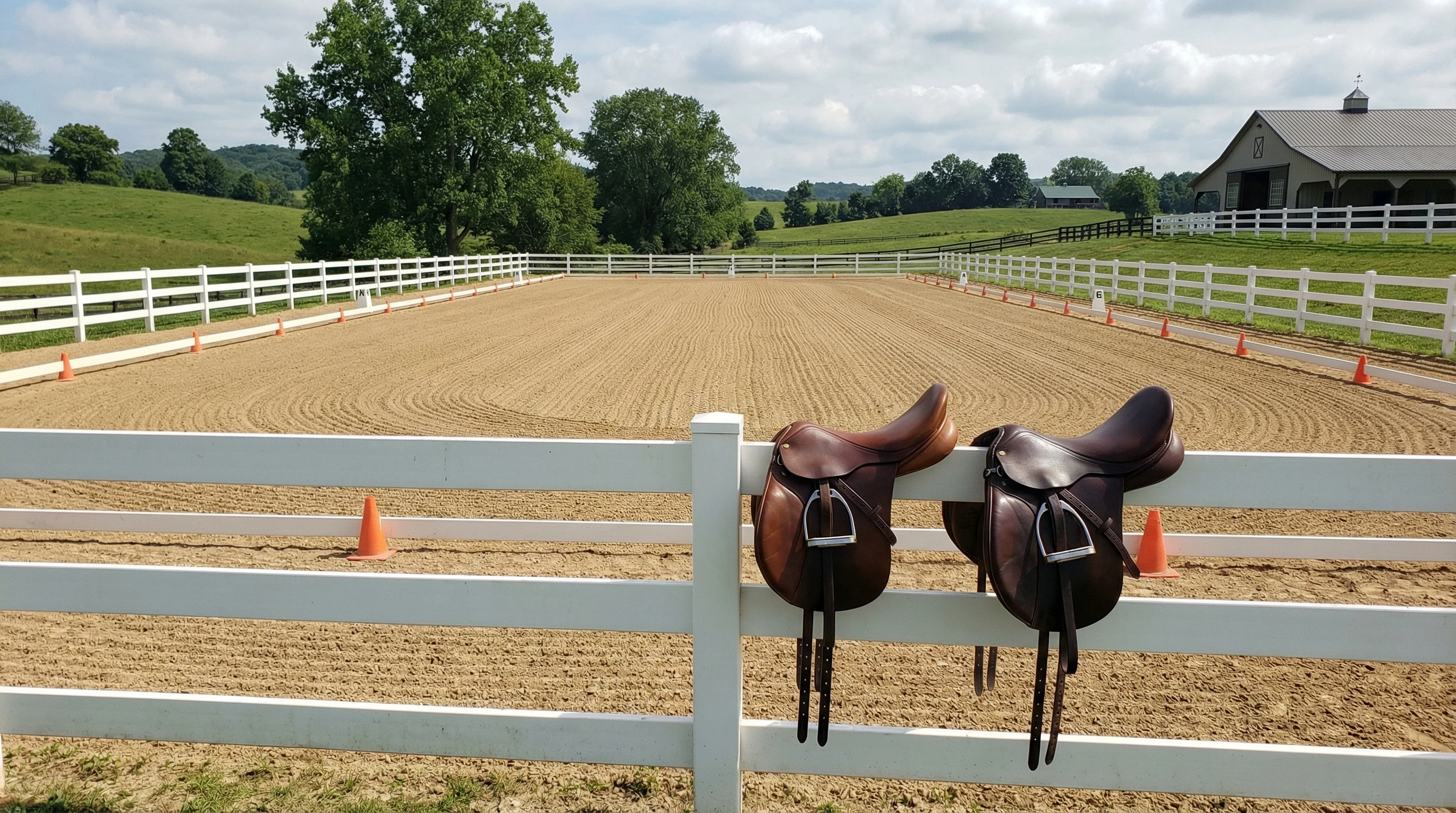
Checking Child Readiness: Age, Skills & Confidence
Kids naturally want to jump in and ride, especially after watching experienced riders glide around the arena. But before booking that first dressage lesson, a few checkpoints make a real difference for safety and enjoyment.
- Age vs. Ability: Many riding schools set the minimum dressage lesson age at 6 or 7 because younger children sometimes struggle with balance and have shorter attention spans. There’s no magic number for safety; some 6-year-olds are ready, while others might need more time to feel secure and focused.
- Physical Skills: Kids need enough core strength to sit tall without wobbling. Balance and coordination are easier to spot—like catching a ball confidently or climbing play equipment without fear. These abilities show they can manage a moving horse.
- Emotional Readiness: Even the gentlest horses can startle kids who get nervous. Comfort around animals and a strong willingness to listen and follow instructions both matter as much as natural athletic ability. Kids who become frustrated quickly or are very timid may need more time to warm up around horses.
- Starting Formal Lessons: Most barns recommend a leadline lesson first. This early experience helps both child and instructor get a sense for readiness and comfort. While structured dressage lessons usually begin at ages 8 to 10, regular riding practice can start at a younger age as long as sessions remain short and supportive.
Gear and Protective Equipment: The Must-Haves
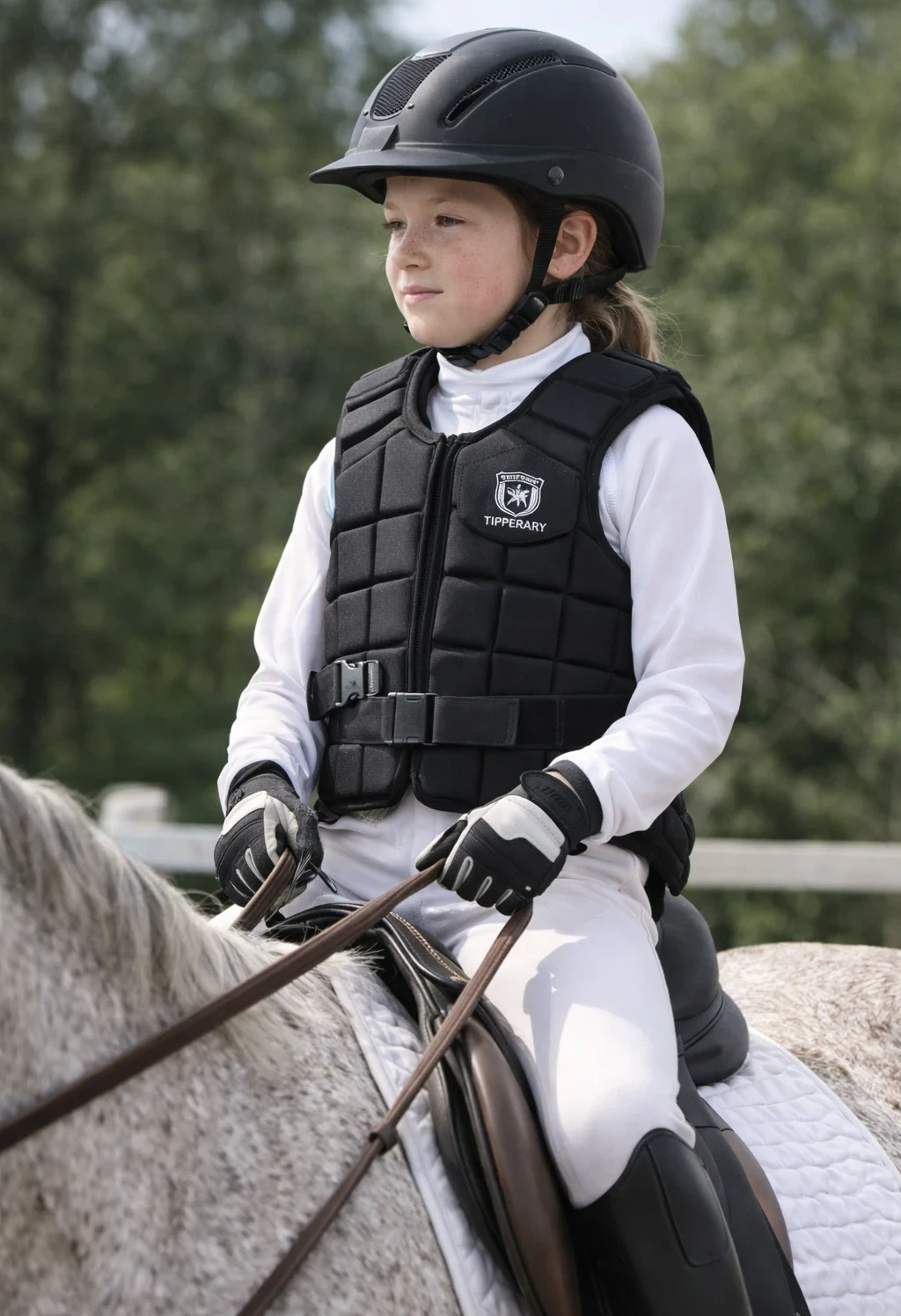
Dressage riding looks polished but has its risks. Kids need the right gear to help keep them safer in the saddle, regardless of how much experience they have.
- ASTM/SEI Certified Helmets: Always required, period. Certified riding helmets protect the head, and every ride requires one—even while walking or mounting.
- Safety Vests: Safety vests give a boost of protection for the torso. They’re optional in some barns but are a smart move for kids who are just starting out or working on balance.
- Correct Riding Boots: Riding boots with a solid heel stop feet from sliding through the stirrups. Whether they’re zippered or pull-on, fit matters more than style to prevent snags on the saddle.
- Gloves: Gloves help kids grip the reins—especially important for nervous or sweaty hands. They keep blisters away and add to safety and comfort during lessons.
Choosing the Right Horse or Pony
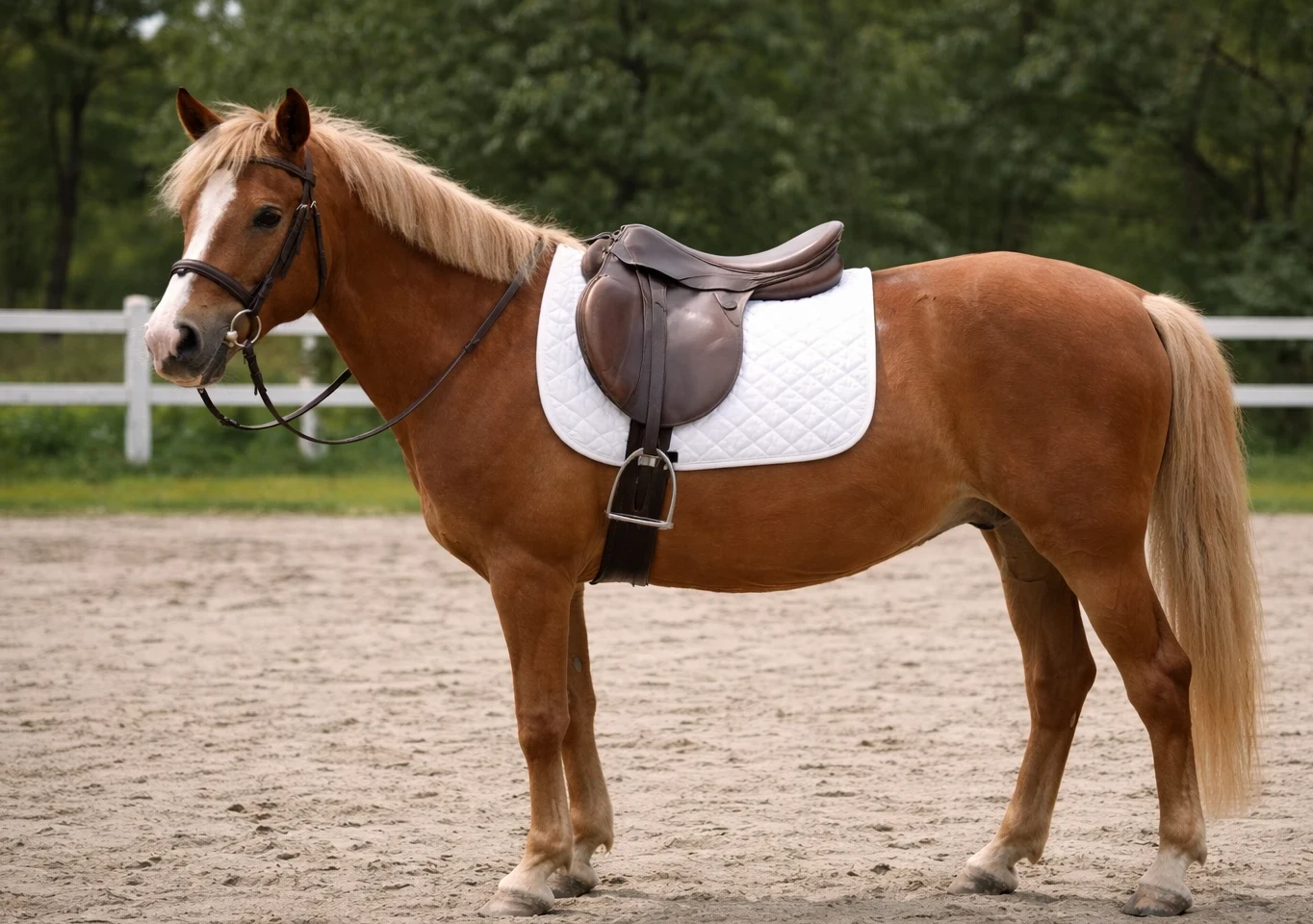
Matching a young rider with the right horse ensures lessons are fun and free from unwelcome surprises. Not all horses, even the prettiest ones, suit beginners.
- Pony or Horse? Most young riders start with ponies because of their smaller size and slower movement. Calm, small horses can also be a good choice for taller children or teens.
- Calm Temperament: Look for horses that are patient and have an easygoing personality. A forgiving school horse won’t overreact to mistakes or unclear cues.
- Lesson Horses vs. Privately Owned: Well-trained school horses are usually more tolerant of beginner errors and typically ignore bouncy rides. Taking lessons on a seasoned lesson horse offers extra peace of mind for starters.
- Training Level: Even at beginners’ levels, a horse’s training is key. The more responsive and calm the horse, the easier and safer it is for a child to learn.
Saddle Fit & Tack Safety for Kids
The right saddle and well-maintained tack profoundly affect both comfort and safety. When gear doesn’t fit properly, it can make riding harder and even dangerous.
- Proper Fit: Adult saddles will overwhelm young riders, making balance difficult. Kids’ dressage saddles or adjustable saddles work better as children grow and change.
- Frequent Checks: Tack can loosen and wear out. It’s smart to give all gear a once-over before rides. Look for frayed straps or cracked leather—broken parts raise the risk of falls.
- Dressage vs. All Purpose Saddles: Both saddle types can be safe, but a deep-seated dressage saddle gives extra stability and helps with proper leg position for young riders.
Lesson Structure, Supervision, and Instructor Skills
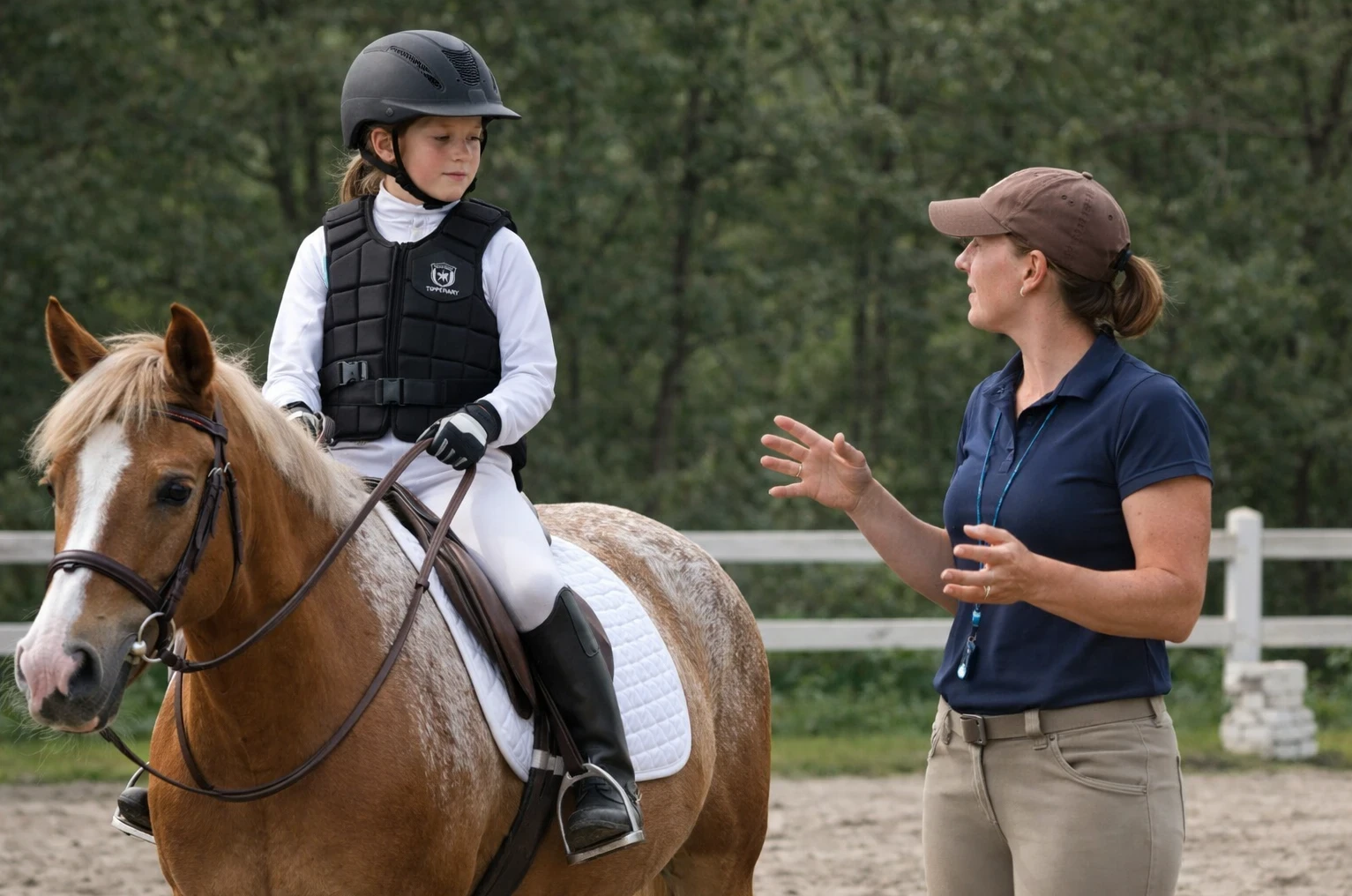
Kids really thrive in well-structured lessons with instructors who know how to teach younger riders and keep them supported.
- Certified Instructors: Always seek out instructors with formal teaching credentials and first aid knowledge. Experience with children makes a world of difference in both fun and safety.
- Group vs. Private Lessons: Large classes can lead to distractions and make it harder for instructors to keep an eye on everyone. Small group lessons (three to four students) let kids learn alongside others, but still get attention. Private lessons give instructors more time to spot errors and make corrections.
- Lesson Length: For most kids, 30 to 40 minutes is perfect. Attention spans wane quickly, and fatigue can lead to mistakes. Keeping lessons brief ensures focus and safety stays high.
Riding Position & Fall Prevention for Young Dressage Riders
Good riding posture doesn’t just look nice—it supports balance, coordination, and makes staying in the saddle much easier for kids.
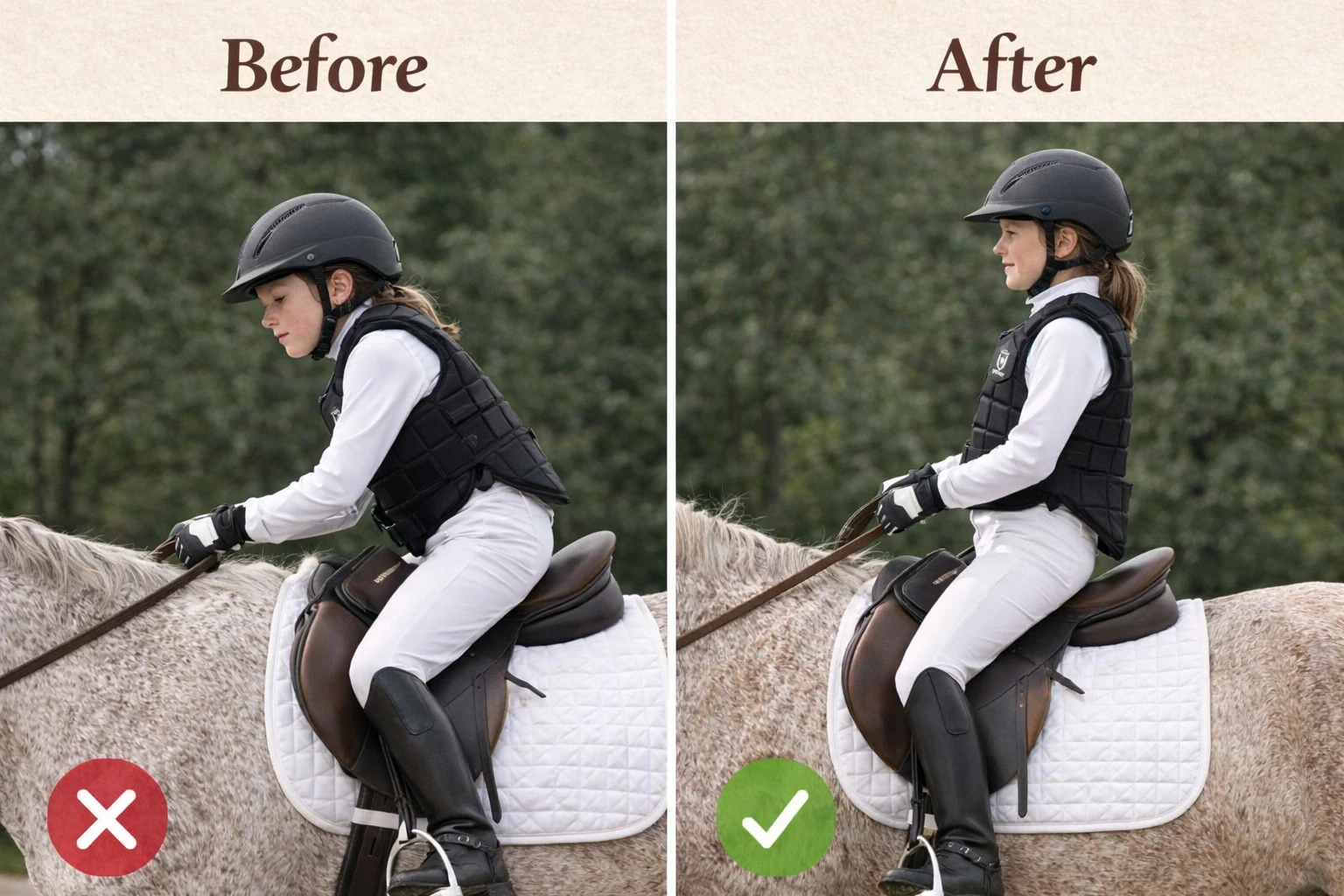
- Dressage Position Basics: Kids should practice sitting straight with relaxed hands, heels down, and shoulders back. Holding this position keeps them steady in the saddle if the horse stumbles or moves suddenly.
- Common Mistakes: Using the reins for balance, leaning too far forward, or holding the saddle tightly with knees all raise the risk of falling. Watch from the side during lessons; you’ll notice slouching or tight gripping as warning signs.
- Learning to Trot and Canter: Kids usually learn rising trot before sitting trot because it’s gentler on the back. Canter shouldn’t be attempted until the rider is confidently balanced during walk and trot work.
Preparing for Emergencies
Serious planning helps minimize risk, but accidents still happen sometimes around horses. Good barns have plans and trained staff ready to respond to emergencies, no matter how rare.
- Emergency Plan: Riding schools should keep written steps posted, with emergency contacts and first aid supplies accessible for everyone’s peace of mind.
- First Aid Training: Check in with the instructor about their first aid certification before lessons begin—quick help can make all the difference if someone gets hurt.
- If a Fall Happens: No matter how minor a fall seems, encourage a break to calm nerves and check for soreness. Never rush a child back onto a horse before both you and the instructor are sure everything is okay.
- Parents’ Role: Joining your child for the first lessons reassures everyone and helps you see how the facility responds to injuries. Stay present and observant without crowding the process.
Stable, Barn & Environment Safety
Dressage safety begins before your child climbs into the saddle—the barn environment matters a lot in keeping everyone at ease and out of harm’s way.
- Child Safe Facilities: Look for clean, bright barns with good lighting, secure fencing, and visible supervision at all times.
- Stable Rules: Kids should walk their horses, give plenty of space, and never dash behind animals or wander away unattended. Barn rules exist for good reason.
- Grooming and Tacking Up Areas: These can be crowded, so young kids need adult help to keep everyone safe while preparing horses for riding.
- Weather Safety: Rain, lightning, or icy surfaces mean lessons should be postponed to reduce slipping, spooking, or poor visibility risks.
Progress, Growth, and Keeping Dressage Safe Long-Term
Each child learns at their own speed. Pushing for quick progress ups the risk for accidents and rattled nerves, so remember the adventure should be as fun as it is rewarding.
- Pacing Progress: Skills start slowly for most. Confidence and control at each gait should come before trying something more advanced.
- Competition: Showing in youth dressage is fun if your child and their horse feel ready for bigger settings. Every ride in a new environment should be approached calmly, with support on hand.
- Outgrowing Gear: Kids grow fast. Check helmet and saddle fit every six months, and don’t wait to update ill-fitting gear—comfort and safety go hand in hand.
- Preventing Burnout: After falls or tough lessons, supporting your child and allowing for breaks usually works better than insisting they get back on immediately. Staying positive and patient is key for lifelong love of dressage.
How Parents Can Support Safe, Confident Young Riders
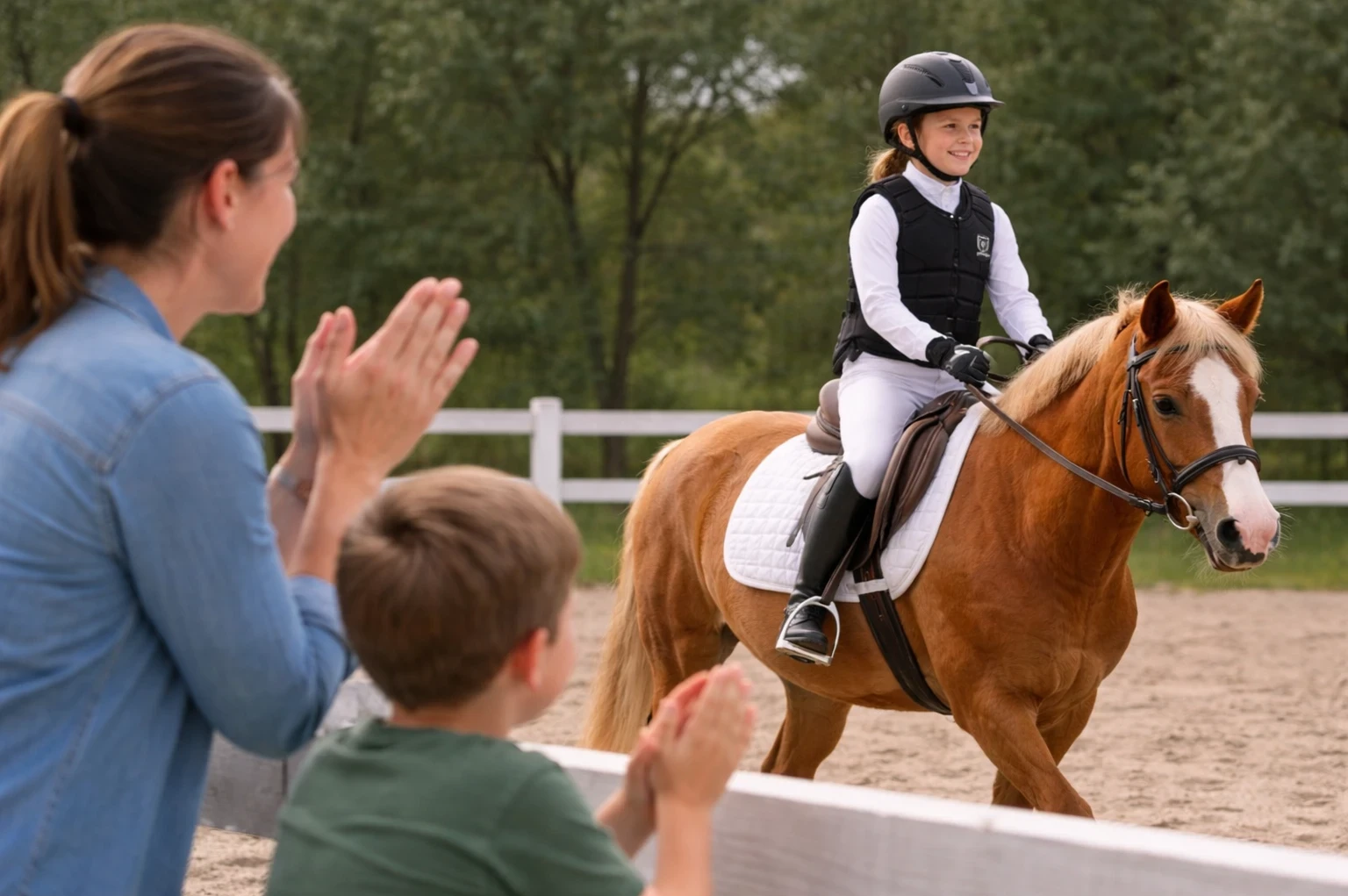
Being involved—while keeping pressure low—helps kids build confidence and makes it easy to spot when something seems off or needs attention.
- Being Present: Watch a few lessons, especially at first, to see your child’s instructor in action and get a read on your child’s reactions.
- Recognizing Warning Signs: If your child often makes excuses to skip riding or seems anxious around the barn, check in. Don’t ignore nervous laughter, hunched shoulders, or reluctance to mount.
- Asking Questions: Always ask trainers about safety routines, progress, and how comfortable your child appears in and out of the ring.
- Support Without Pressure: Encourage your child to take things slow, celebrate the little milestones, and try other activities when things get tough. Enjoyment and security come first in dressage, especially for kids.
FAQ: Safety Tips For Kids in Dressage
Q: How can I tell if my child is learning safely in dressage?
A: Look for steady progress, direct communication between your child and the instructor, correctly fitted gear, and happy, relaxed expressions during and after lessons.
Q: Should my child use a neck strap or handle when learning?
A: A neck strap offers a safe place for hands and can help beginners maintain balance during the trot without putting pressure on the horse’s mouth.
Q: What’s the best way to boost my child’s confidence after a fall?
A: Step back, talk through what happened honestly, and try to focus on gentle, positive experiences—like grooming or hand-leading—before jumping back into more advanced dressage.
Did you find this guide helpful? I’d love to hear from you! Feel free to leave a comment below with any questions or concerns about your child’s riding journey—I’m always happy to help.
If you’re currently shopping for a saddle and want to be sure your child is riding safely and comfortably, be sure to read my guide “How To Choose The Right Dressage Saddle For Your Child.” It’s written with parents in mind and walks you through what really matters when making this important decision.
This is a safety guide that is thorough and genuinely helpful. You were able to cover the critical checkpoints, from assessing a child’s emotional readiness to the practical details of checking tack for frayed leather. The clear distinction between what gear is absolutely mandatory, like the certified helmet, and what is highly recommended, like a safety vest for beginners, is exactly the kind of advice parents need.
The section on matching a child with the right horse is a crucial point that goes beyond simple safety. I know this first hand, as I had a couple of very serious incidents with horses as a child. Of course, in our time we didn’t go for lessons, we just grabbed a horse and rode.
A calm, forgiving lesson horse does more than prevent accidents; it builds a child’s foundational confidence, which is just as important for their long-term enjoyment and safety as any piece of equipment.
Regarding the emergency plan you recommend checking for, what are the key elements beyond first-aid supplies and contact numbers that make a barn’s plan particularly robust?
Great question! Thanks for asking. Beyond first-aid supplies and contact numbers, a strong emergency plan also includes clear evacuation procedures, staff roles during an emergency, access routes for responders, and regular safety drills. It’s all about being prepared before something unexpected happens.
I hope this helps.
I haven’t ridden a horse since my junior college days over 20 years ago but I remember how unsteady it was getting into the saddle. I remember the impression that horses were much taller in real life than on TV or the movies. Can you imagine what that would look like to a 7 or 8 year old? Like sitting atop a moving tower I’m sure, scary but exhilarating. I also remember that there is a lot to riding a horse so instructions like these are a great starting point for parents to consider as they enroll their child in any program.
Hi Robert.Thanks so much for sharing your experience!
It’s funny how tall horses feel in real life — especially after seeing them on TV! You’re so right — for a young child, it can feel like sitting atop a moving tower. That mix of a little fear and a lot of excitement is part of what makes riding so special. I’m glad these tips resonate with you, and thanks again for highlighting how important it is for parents to think about safety as they explore programs for their kids!