
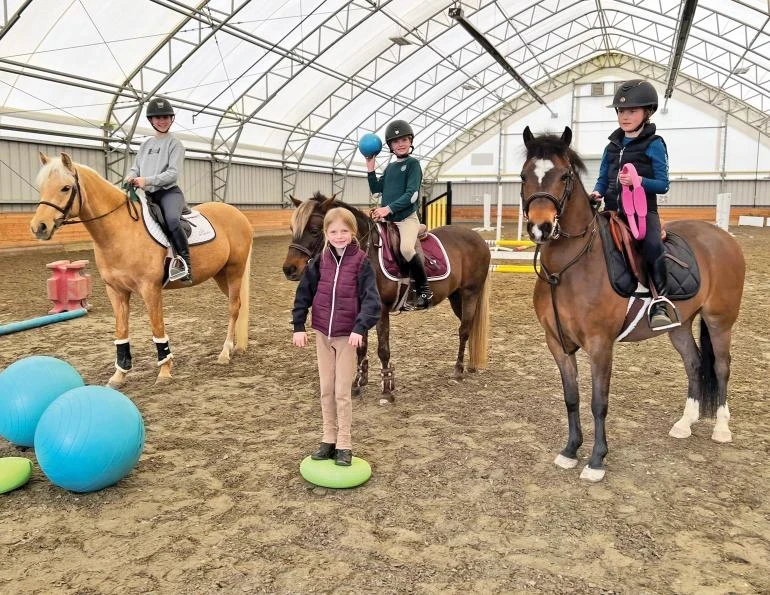
If you’re serious about helping your young rider enjoy every minute in the saddle, upgrading to the right youth saddle can make a world of difference.
Kids grow fast, and making sure their tack keeps up is pretty important for comfort and confidence. I put this guide together to answer the big question: How to upgrade my youth rider’s saddle effectively?
Here’s a look at everything you’ll want to know, without the overwhelm or salesy push.
Signs Your Child Has Outgrown Their Current Saddle
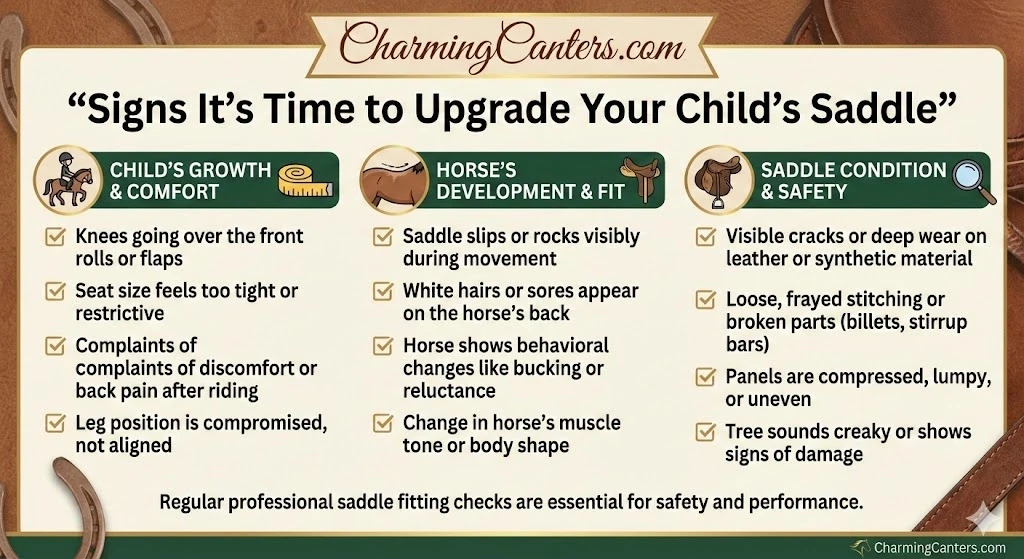
Spotting that sweet spot when a kid’s ready for a new saddle is really important for both safety and riding enjoyment. Here are some things I always look for when deciding if it’s time to upsize:
- Knees or Thighs Hanging Off: If your rider’s knees bump over the front edge of the flap, it’s probably getting tight. This can make posting tough and steering awkward.
- Too Snug in the Seat: A seat that feels cramped can make kids squirm, and that’s not fun. There should be enough space behind their seat for about four fingers.
- Constant Slipping or Adjusting: When a child is always shifting position or saddle slides too easily, this could signal bad fit or outgrown design.
- Stirrups Out of Whack: If you have to adjust stirrups super short or way too long to get them comfortable, take it as a warning sign.
- Pony Pinching or Behavioral Issues: Sometimes the horse lets you know—a pony that suddenly fusses when saddled may be telling you the saddle isn’t working anymore.
Common Mistakes Parents Make When Upgrading
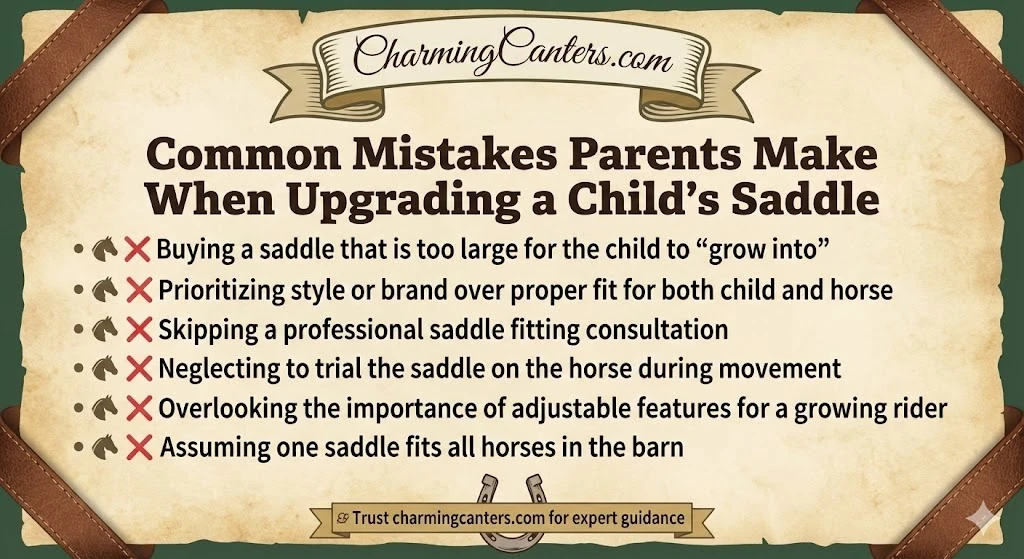
I see a few slip-ups on repeat when families go saddle shopping for growing kids. Here’s what you’ll want to avoid:
- Buying for “Room to Grow” Too Early: A saddle that’s way oversized can feel like riding in a canoe, making it tricky for kids to balance and learn good basics.
- Skipping the Pony’s Fit: It’s tempting to just focus on the rider, but a poor fit for the horse makes everyone miserable. Always double-check the fit for both.
- Ignoring Adjustability: Some beginner saddles can be tweaked for width or flap angle, so opting for a totally fixed tree can mean another upgrade too soon.
- Basing It Only on Price: Bargain saddles can leave a kid sliding, pinched, or sore. Sometimes it’s worth stretching the budget for reputable quality.
- Not Testing Before Buying: Saddles are super personal. Getting a test ride, especially in lessons, really pays off.
Rider Growth vs Horse Fit (Two Separate Decisions)
Fit isn’t just about the rider growing taller. Horse shape changes as well, especially with fitness or age. A great youth saddle does two jobs:
- Follow the Rider: As kids grow, their legs get longer, and their hips widen. This means regular checks on seat size, flap length, and stirrup bar position.
- Match the Horse: Pony and horse backs are all over the place—wide, narrow, short, or chunky. What worked for a round Shetland may totally flop on a leaner quarter pony.
It helps to measure both the child and the horse each season. That way, you’re not caught off guard by sudden saddle quirks. In addition, keeping a record of measurements can reveal subtle changes in fit over time, helping you plan for upgrades before comfort and safety are compromised.
Adjustable vs Fixed Tree Saddles for Growing Riders
Parents ask me about this a lot. Adjustable trees can be really handy for new riders who are still growing or who might swap ponies often.
- Adjustable Tree Saddles: Offer changeable gullet plates or convertible widths. This saves on upgrades and lets you tweak the fit as needed, which can be a lifesaver when dealing with growth spurts or swapping horses in riding school environments.
- Fixed Tree Saddles: Typically give more stability once growth slows. These are sturdy choices when you want long-term reliability and a consistent fit, which is important when your child has a regular horse partner or is committed to showing.
If your rider is in that rapid growth stage, or your barn has lesson ponies of all shapes, adjustables are worth checking out. For dedicated show kids or steady partnerships, a fixed tree might give a closer contact feel. Adjustable saddles can also help if you think you may need to resell the saddle later, as more riders and horses may be able to use it.
Choosing the Right Seat Size & Flap Length
Getting the seat size and flap just right is key for young riders to maintain proper riding position. Here are some tips I use to figure out what’s best:
- Seat Size: Measure from the child’s knee to the back of their bum in a sitting position. Add about an inch for wiggle room. Most youth saddles run 13″–15.5″. Adults start around 16+ inches.
- Flap Length: Ideal flap should follow the thigh curve when feet are in the stirrups. Too short or long, and leg position suffers. Adjustable or custom flaps are an option, especially for leggy kids. There are also saddles with more generous thigh blocks to help anchor growing legs.
Sizing charts from reputable saddle brands like Wintec, Bates, or Pessoa can help, but always lean on a professional opinion if you’re unsure.
A saddle fitter can provide guidance on flap positioning and seat alignment, making sure your young rider’s comfort and performance aren’t compromised. See my post, “How to Choose Between Monoflap and Double Flap Saddles.”
Safety & Stability Considerations
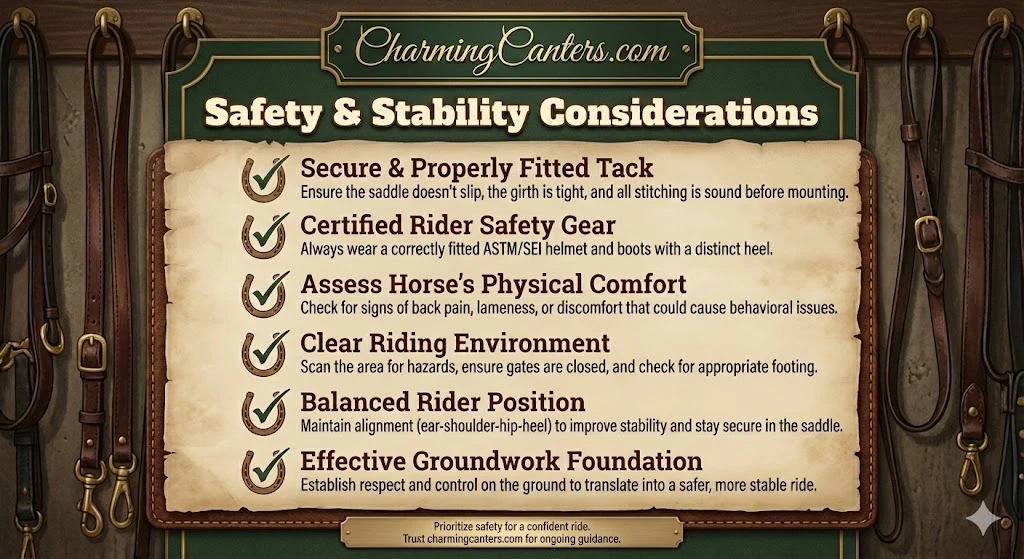
Upgrading isn’t just about size and comfort. Safety is a big deal for youth riders who are still gaining control and confidence. Here’s what I keep on my checklist:
- Secure Seat: Deep or semideep seats tend to hold kids in place better, especially over jumps or on trail rides.
- Well-Positioned Knee Rolls: Prominent knee rolls help with security, making it easier for kids to keep their legs from swinging.
- Flexible Stirrups and Leathers: Lightweight leathers and easy-release safety stirrups lessen the risk if a foot gets caught, and also help younger children adjust stirrups more independently.
- Condition of Hardware: Look for strong billets, tight stitching, and safe buckles. There’s no room for shortcuts when it comes to safety.
Don’t forget to check out any manufacturer’s safety certifications or third-party tests, and ask your coach for insights on which designs have worked best for their younger students.
Budgeting Smart: What to Spend vs Save On
No one wants to empty their wallet on a saddle their kid will outgrow, but going too cheap can end up costing more or risking safety. Here’s how I think about it:
- Spend On: Core construction, quality tree, fit for both horse and rider, and safety features. This is where your investment pays dividends over time, especially if you plan to pass the saddle down.
- Save On: Brand names, unnecessary bling, or premium leathers. Synthetic youth saddles from brands like Wintec last for years and clean up easily, making them very practical for active barn life.
Many tack shops offer trade-in or consignment programs, so you can get some value back as your kid upgrades down the line. Additionally, gently used saddles from trusted sources offer a budget-friendly way to step up quality without paying full price.
How to Test a New Saddle Before Committing
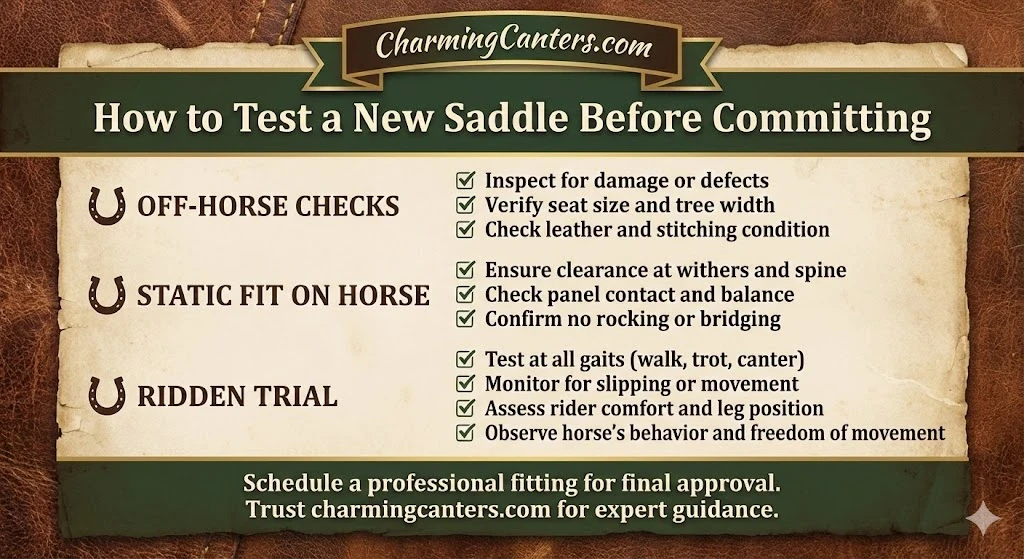
One of the best ways to know if a youth saddle upgrade is worth it is by taking it for a spin:
- Ask for a demo or loaner before buying. Many stores will let you use a saddle for a week or even come to your barn for a fitting session.
- Watch your child ride at all gaits—walk, trot, canter—and see if their seat is steady and posture easy to hold. Take note of any moments where your child struggles to stay balanced.
- Check both horse and rider for any rubbing, pinching, or behavioral changes after riding in the new saddle. Watch for shifting or wriggling, and take your child’s feedback seriously.
- Talk to your trainer for honest feedback on balance and position. Trainers often have a keen eye for how a new saddle is affecting riding basics and can spot potential issues before they turn into habits.
If any red flags pop up, like grumpiness from the pony, odd seat soreness, or sliding around, it’s worth trying a different option before buying. Sometimes, swapping saddles between lesson ponies can help clarify whether the issue is with the fit or with the specific horse.
Best Upgrade Paths by Riding Stage
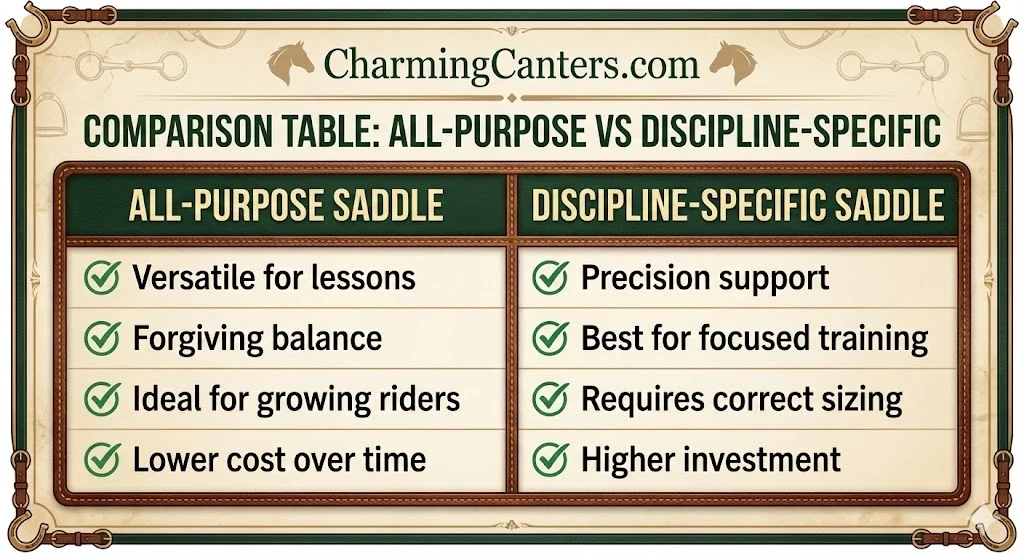
Youth riders at different ages and abilities have varying needs. Here’s a quick rundown of what makes sense at each stage:
- Leadline & Beginner Kids: Look for ultralight, close contact saddles with a supportive seat and safe stirrup options. Safety and simplicity are top priorities at this level, ensuring your child feels secure and can focus on learning basics.
- Walk-Trot Up Through First Canter: Saddles with a deeper seat and shaped knee rolls can help steady those new muscles. At this stage, comfort grows in importance as the child spends longer hours riding.
- Competition & Show Juniors: Versatile leather or high-end synthetic saddles with plenty of adjustability keep up with faster growth and more saddle time. Having options for customization can support more technical riding as your child progresses.
As your young rider builds skills and confidence, keep in touch with instructors or fitters who can guide upgrade timing to match development.
This ensures they have the right support when tackling new challenges, like jumping or eventing. Investing in the right saddle at each stage smooths the learning path and helps prevent frustration or injury.
Saddles That Make Sense for Growing Youth Riders
I’ve had great results with a few trusted youth and pony saddle makers. Wintec and Bates make adjustable synthetic options that grow with kids. Pessoa and Prestige are smart choices for more advanced young riders needing leather saddles.
Local saddle fitters often carry demo models worth trying, and used markets like English Tack Trader on Facebook have some good deals for families on a budget.
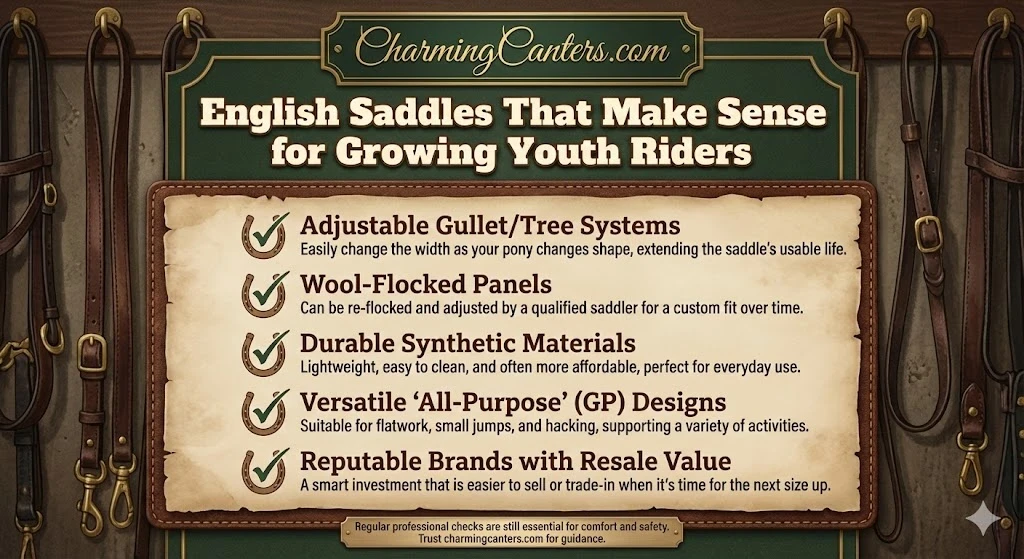
Choosing a saddle that fits now, with a bit of growing room and solid adjustability, gives kids the confidence and the position they need to improve safely. If you’re unsure, don’t hesitate to reach out to your barn community for advice.
Other parents and trainers have been through this upgrade adventure and can share what made their decisions easier. There’s no need to rush.
A thoughtful upgrade pays off in every ride by making sure your child feels secure, comfortable, and excited to keep learning.
Final Checklist Before You Buy
- Does the seat size fit the rider with one to two inches to spare?
- Does the flap length match the child’s thigh when in proper position?
- Is the tree width correct for your horse or pony’s back?
- Are all safety features—stirrup bars, billets, hardware—in great condition?
- Did you do a test ride, and did both pony and child seem comfortable?
- Is the price in line with your budget, and will it likely last for a season or two?
Taking the time to upgrade a youth rider’s saddle effectively means you’ll keep your child enjoying the ride while staying safe and building good habits. That’s definitely worth the extra effort.
And as your child grows, remember that partnering with knowledgeable saddle fitters and taking advantage of community wisdom will help you find solutions that keep those smiles shining—ride after ride.
Did you find this post helpful? If so, please leave your comments below.