
If you ride English, making sure your saddle fits your horse properly is absolutely crucial for a happy partnership. Even if everything looks okay at first glance, an ill-fitting saddle quickly turns every ride into an uncomfortable adventure for both horse and rider.
I need to point out something crucial which riders don’t understand: leather condition can affect saddle fit.
I’ve definitely seen horses change their whole attitude simply because their saddle didn’t fit right. These problems can sneak up on you, but addressing them promptly prevents behavioral headaches and long-term health issues.
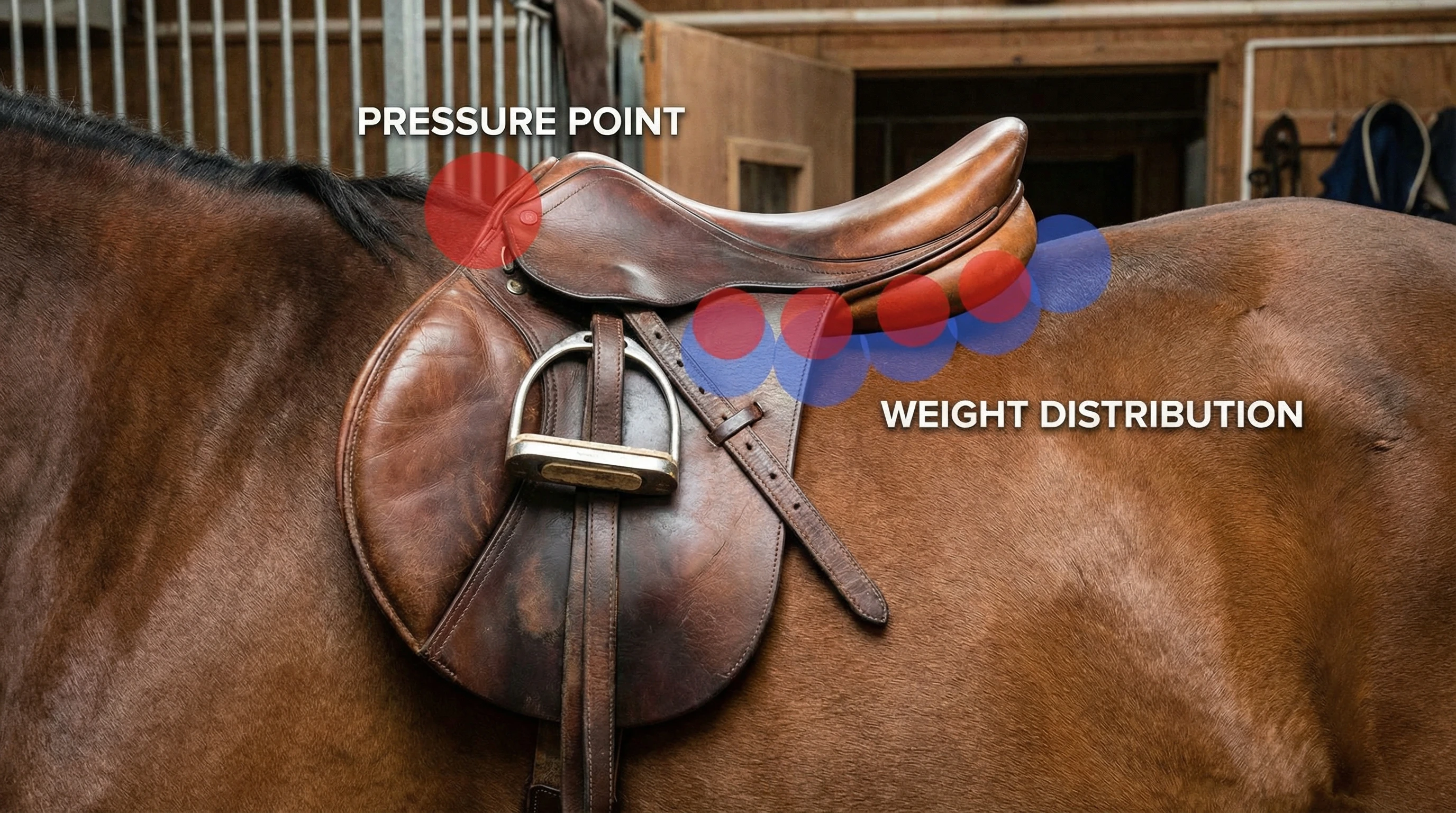
How a Poorly Fitted English Saddle Affects Your Horse
An English saddle that doesn’t fit well isn’t just uncomfortable—it can seriously limit your horse’s performance. Instead of supporting movement, the saddle creates unwanted pressure points that pinch or rub.
You’ll often see stiffness, shorter strides, or a horse that downright resists going forward. Horses are happiest and move best when they’re free to use their backs and shoulders, and even a slightly off saddle can mess with that.
Over time, discomfort can lead to chronic soreness, muscular imbalance, or persistent behavior issues. Most horses don’t act up for no reason, so any sudden change in attitude should make you think about saddle fit first.
Why You Need to Consider Your Horse’s Comfort First
Your horse’s comfort under the saddle goes way beyond just being kind—it affects training, performance, and your own safety. A comfortable, unrestricted back allows your horse to use its muscles properly and develop correctly.
A horse that feels good under the saddle is calmer and more responsive to cues, creating a safer and more enjoyable ride. If you ignore saddle fit and discomfort, you risk undoing all your invested training or creating tricky problems that might crop up months down the line.
What Are the Signs of a Poorly Fit English Saddle?
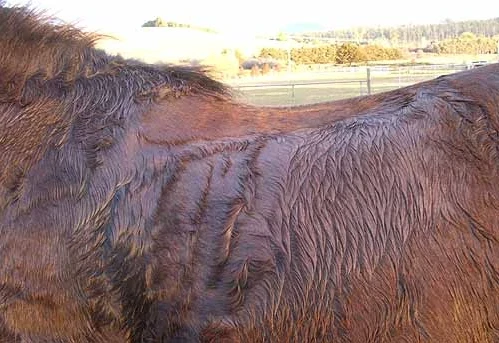
Spotting a saddle fit problem isn’t always obvious, especially if you haven’t dealt with it before. Here are some signs that your English saddle might not be up to the job:
- Dry patches or ruffled hair: After riding, check the area under your saddle. If you spot oddly dry spots or rumpled hair, that’s often uneven pressure at work.
- Resistance to being saddled: Does your horse flinch, nip, pin ears, or move away? Those are clear signals something’s not right when tacking up.
- Sore back: Run your hand along your horse’s back post-ride. Tenderness or flinching here is a big red flag.
- White hair or scarring: Chronic pressure points can eventually produce white hairs or scar tissue—never something to ignore.
- Uneven sweat marks: A quality-fitting saddle leaves even sweat patterns. Gaps or dry patches usually suggest a fit problem.
- Change in movement: If your horse starts to hollow, buck, balk, or just seems off, saddle fit is worth checking right away.
How to Correct Poor Fit
If you notice any of these signs, don’t worry—there are practical steps you can take:
- Change your saddle pad setup: Sometimes switching pads or adding a halfpad can help with minor issues by offering more cushioning or support.
- Use shims temporarily: Shimmable pads allow you to balance out the saddle while you hunt for a permanent fix.
- Ask a saddle fitter: A professional is an invaluable resource. A good fitter can quickly spot what’s happening, provide flocking or tree adjustments, or suggest a better-fitting shape altogether.
- Consider trying another saddle: Sometimes, nothing works better than looking for a saddle more suited to your horse’s shape or current needs.
While a pad tweak can give quick relief, getting a thorough saddle check sets the stage for lasting comfort. Many tack shops offer fitting services or can recommend reputable local fitters, so you don’t have to figure this out solo.
Importance of Buying the Right English Saddle
Choosing the right saddle at the start saves you and your horse a lot of headaches. A well-chosen saddle gives your horse comfort, lets you maintain correct riding position, and helps prevent long-term issues like lameness or chronic pain.
For horses that are still growing or building muscle, re-checking the fit regularly is a great idea. Don’t hesitate to test multiple saddles or get professional advice before making that investment—your wallet and your horse will thank you later!
How to Check Fit Yourself
You don’t have to be a pro fitter to give your saddle fit a basic checkup. Here’s a step-by-step process for checking fit at home:
- Gullet clearance: Slip two to four fingers between the withers and the pommel, both at rest and when you sit in the saddle. This helps avoid pressure on delicate bones.
- Panel contact: Panels should rest evenly from front to back without obvious rocking or a “bridging” effect—where only the ends make contact, leaving a space in the middle.
- Spine clearance: You want to be able to easily slide your hand down the length of the spine under the saddle. Watch out for pressure along the backbone itself.
- Saddle balance: The saddle should be level, not tipped forward or back. Any tilt can throw off both horse and rider.
If something feels off—visible tipping, pinching, or your horse looking unhappy—snap some photos and revisit the fit. Images from the side, front, and from above can reveal details you might miss otherwise.
Common Causes of Fit Issues
Many factors can make saddle fit tricky. Here are common culprits:
- Change in your horse’s shape: Muscle development, aging, weight gains or losses, even the season—all of these can change back contours, causing a previously good fit to suddenly be wrong.
- Wrong tree size or design: Not all horses are shaped “average.” Horses with wide backs, high withers, or short backs especially need careful attention.
- Poor flocking or wornout saddles: Old saddles develop lumps or hard spots, which can really create pressure points.
- Sharing tack among several horses: What fits one horse rarely works for another unless their shapes are nearly identical. It’s a common slipup that quickly leads to trouble.
The Impact of an Ill-Fitting English Saddle on Your Horse’s Performance
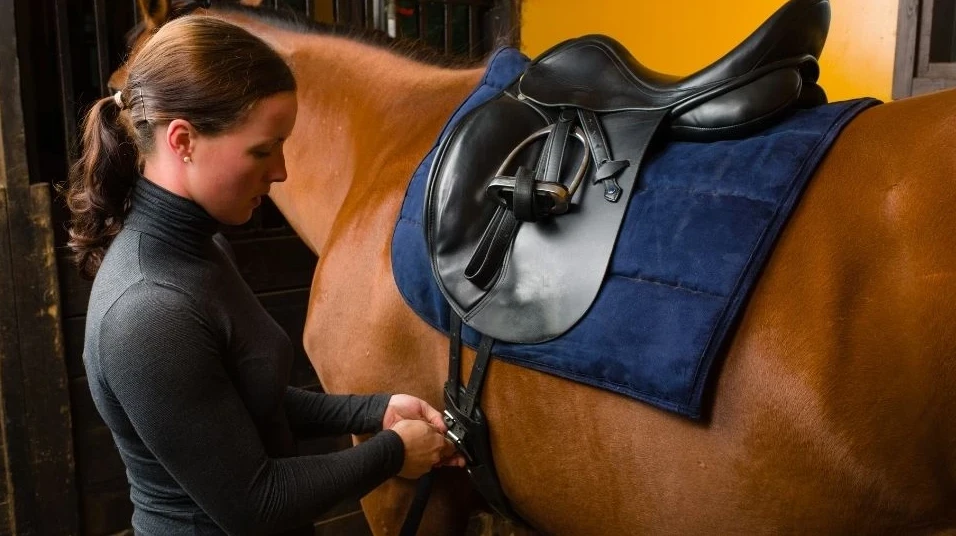
A saddle that fits badly causes more than just soreness—it can have serious consequences for your horse’s performance and attitude. You might notice your horse struggling with free movement, resisting work, refusing jumps, or performing stiff, hollow movements in dressage.
Eventers and jumpers may balk at takeoff or land awkwardly. Over time, these issues can grow into persistent problems, and ignored saddle fit issues may even lead to lameness or injury. Addressing fit at the first sign of trouble saves you from bigger, more expensive repairs later.
Frequently Asked Questions
Questions about saddle fit crop up constantly. Here are answers to some that get asked most:
Question: How often should I check my saddle fit?
Answer: Give things a once-over at least every few months, and definitely after any noticeable physical change or work routine shift for your horse.
Question: Can a pad fix a poorly fitted saddle?
Answer: Pads offer small tweaks, but they can’t save a saddle with a serious fit problem. Use them to fine-tune, not to hide bad fit.
Question: How do I know if my horse’s behavior is from saddle fit or something else?
Answer: If things improve when you change the saddle or after a visit from a fitter, that’s a strong sign the saddle was part of the problem.
Final Thoughts
Saddle fit isn’t something you fix once and then ignore. Keep checking in, listen to your horse, and stay proactive about fit—your horse will move better, rides will be happier, and you’ll prevent bigger problems before they start. If you spot any issues or just feel unsure, getting professional help is always the smart move.
Did you find this post helpful? If so, please leave your comments or questions below! For more information on saddle fit, check out my post titled, “How To Check English Saddle Fit For Young Horses”
Wow, this article is an absolute must-read for any English rider, especially those of us who have felt totally clueless about saddle fit!
My background is simple: I love my horse, and I assumed that if the saddle looked okay and didn’t fall off, it was probably fine. I truly had no idea how many subtle signs I was likely missing, and the thought that I might be causing my horse discomfort just by having a poorly fitting piece of equipment is heartbreaking.
Hi Leah. Thanks for your comment. I’m glad my post was able to help you with the tell-tale signs of an ill-fitting saddle. I’m hoping you’ll be able to correct any saddle-fitting problems you are having with your horse. If you have any questions, please feel free to ask me.