If you’re a parent or trainer working with a young rider in the hunter ring, getting the right fit for a youth hunter saddle is truly important. A good fit makes riding more comfortable, safer, and honestly a lot more fun for your child.
It also helps set your kid up with the right balance for learning equitation early on.
In this guide, I’m breaking down everything I’ve learned and seen about fitting a youth hunter saddle so you can help your child feel secure and really enjoy those short-stirrup rounds.
Fit & Safety Concerns for Young Riders
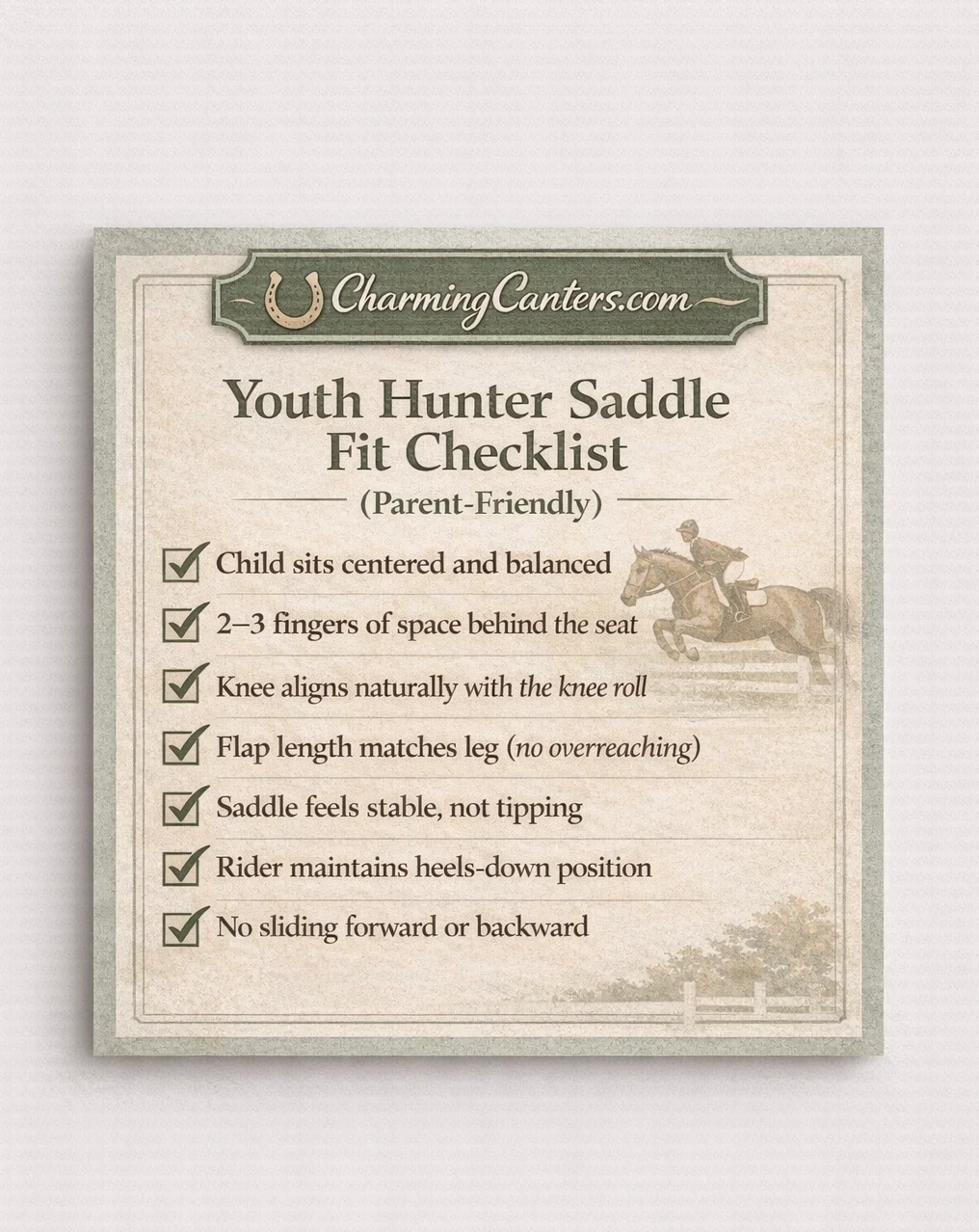
Safety is usually the main concern for parents choosing a youth hunter saddle. If a saddle doesn’t fit well, kids might slide around, lose confidence, or even risk falling or pinched legs. Here are the top things to look for when checking saddle fit for your young rider:
- Seat Size Comfort: Your child’s seat should feel secure but not cramped. I suggest leaving about a hand’s width—roughly four fingers—behind your child when they’re sitting in a natural, heels-down riding position.
- Signs the Saddle Size is Off: If your child is perching forward, stretching out with toes, or sliding around, the seat is probably too big. If knees spill over the front or legs look like a rocking chair, it could be too small.
- Balance & Confidence: The right fit helps kids relax their legs, find posting rhythm, and focus on steering. Shiftiness or wobbliness can frustrate young riders and drain their courage in the ring.
- Uncomfortable Saddle Risks: Pinched knees, bruised thighs, or a sore lower back are signs the saddle fit is off. If your kid gets off rubbing their knees or tailbone, it’s wise to try another saddle. Safety first, always.
- How Good Fit Feels: A well-fitted saddle often feels “stable” or “like a seatbelt” to kids. Their legs hang naturally with solid support under the thigh, and their weight settles close to the horse, not perched far back on the cantle.
Rider Fit Details: Seat, Flap, and Position
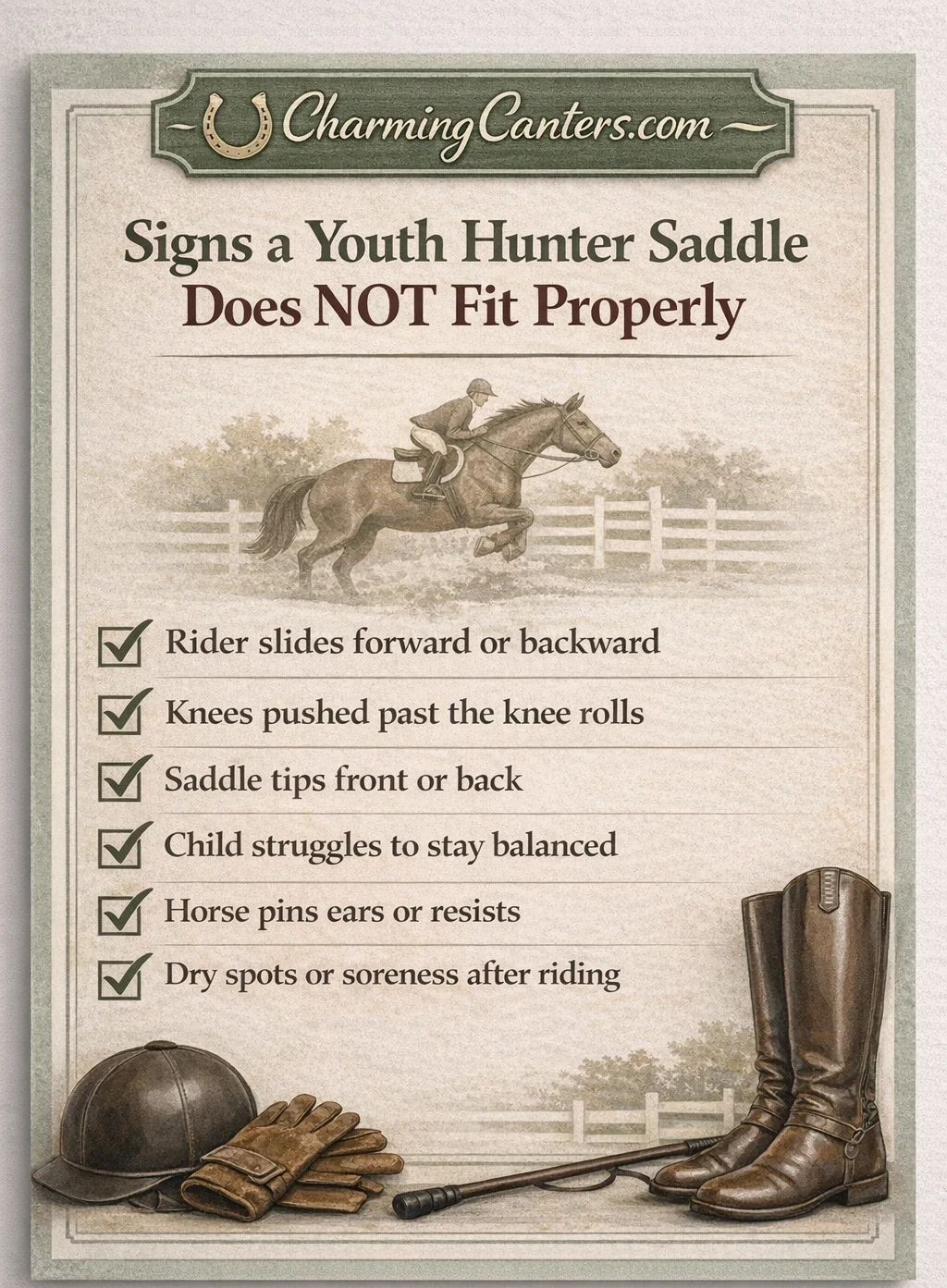
Hunter seat equitation rewards a balanced position and close contact. Getting the details right on a youth saddle is key. Here’s how you can make sure the fit covers the essentials:
- Choosing Seat Size: Measure your child from the back of the butt to just above the knee (in inches). This measurement, plus body type, sets your seat size. Most youth hunter seats run from 14 to 15 1/2 inches. For tall, slender kids, sometimes a smaller adult 16-inch seat fits best.
- Space Behind the Seat: A hand’s width behind the bum is ideal. Too much space, and kids as well as the saddle get tossed when a horse canters or spooks. Too little, and they feel cramped and unsteady.
- Flap Length Check: With your child mounted and in stirrups (always with safety gear on), their knee should land right behind or on the knee roll. Knees sitting high or low on the flap suggest the flap length isn’t quite right.
- Knee Roll Placement: The knee should rest just behind or on the bulge of the knee roll. If the knees slide in front of it, the flap is likely too short. If knees float behind the roll, the rider feels less stable, especially over fences.
- Horse Versus Rider Fit: Sometimes a saddle fits the pony but not the child, and vice versa. It’s important to test the fit for both. A saddle that doesn’t fit your child well can lead to tough-to-break riding habits early on.
When in doubt, ask your trainer or experienced riders. Sometimes it helps to have another set of eyes check position as your child rides, noting any shifting, tension, or spots the saddle doesn’t support well.
Fitting the Horse or Pony: Don’t Overlook This!
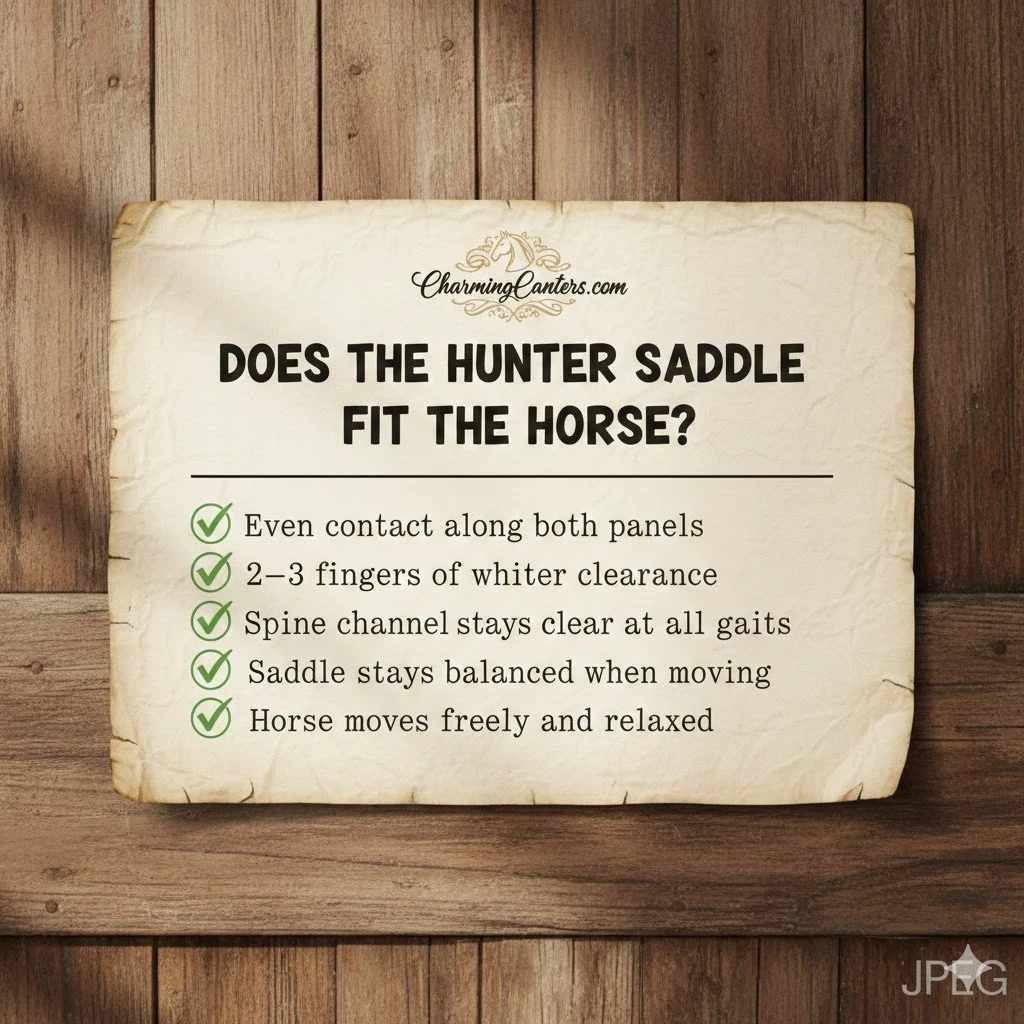
Parents often nail the seat size for their child but forget about how the saddle feels for the pony or horse. Overlooking this can cause soreness and may even lead to stress or training problems for your mount. Keep these points in mind every time you fit a youth saddle:
- Fit Differences, Youth vs Adult Saddles: Youth saddles are built smaller all around, but ponies—especially those sturdy little ring veterans—can have back shapes unlike adult horses. Check the tree width and the panel shape carefully; never try to squeeze a wide tree onto a slim pony’s back.
- Wither and Spine Clearance: Look for 2-3 fingers’ clearance above the withers, and make sure the saddle’s channel leaves the pony’s spine gap-free (from front to back) without pressing or pinching.
- Pinched on the Move? Sometimes things look fine while standing still, yet pinch or shift when moving. Watch your child do a rising trot and sitting canter, looking out for ear pinning, tail swishing, or dropped backs in the pony—signs the saddle isn’t comfortable in motion.
- Shoulder Room: Slide your hand beneath the flap at the pony’s shoulder as your child posts or two-points. Tightness, or shortened stride, usually points to a tree that’s too narrow or a flap that blocks natural movement.
- Movement Signals: Ponies that fuss, tense, or stumble when the child rises in the stirrups are often telling you to check saddle fit again. A relaxed gait and steady ear position is the green light for good saddle fit.
To double-check, watch your trainer ride the pony in the saddle, or have another child with a similar build try it out. Sometimes the best way to spot issues is to compare with another rider or horse.
Growth & Longevity: Making Saddles Work as Kids Grow
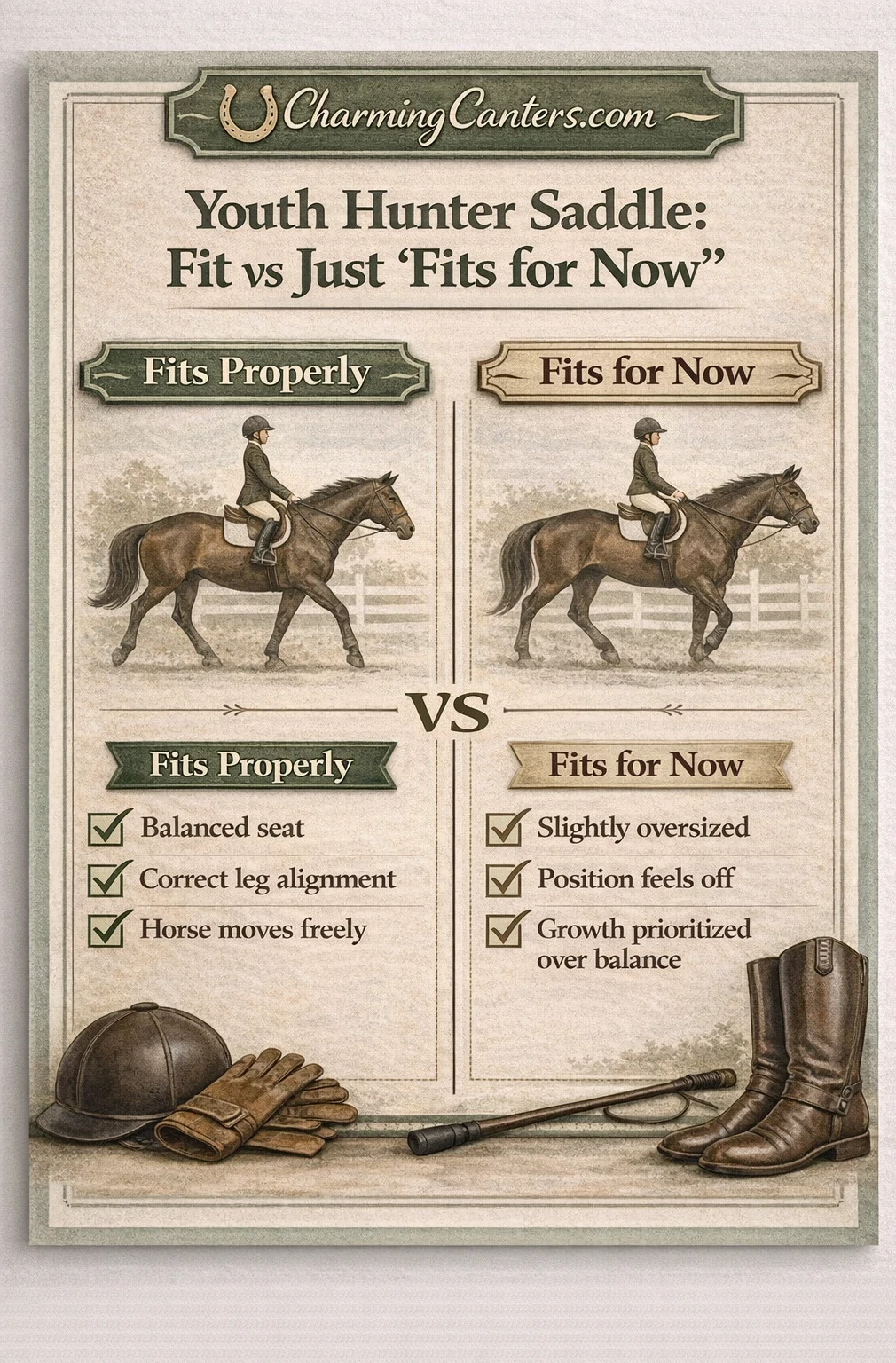
Kids grow at what feels like lightning speed, which makes saddle fit a moving target. Should you size up, go exact, or invest in saddles with some adjustability for a longer lifespan?
Here’s what works for most families and barns:
- How Often to Check Fit: Gauge saddle fit every six to twelve months, especially after your child grows or if the horse changes shape with fitness or age.
- Room to Grow: An extra inch of seat length can give a little growing room, but more than that causes sloppy positions. Moderation is key; you want your child balanced, not sliding around in a huge seat.
- Size Up, or Shop Exact? In my experience, go “exact” for very young or timid riders. If your child is more experienced and still growing, a slightly bigger saddle padded with a seat cover works. Check position often, so that the extra space doesn’t start bad habits.
- Knowing When to Move Up: Outgrown saddles are obvious—dangling toes, knees slipping far back, or flaps overtaking the leg. Once you spot these, it’s time to shop up a size.
- Leaning on Adjustable Saddles: Models with adjustable gullets make it easy to tweak fit as horses and riders grow, but fixed saddles still work well if you consult a saddle fitter and rotate as needed. Don’t be afraid to swap saddles seasonally for best results.
Pro tip: Save your old saddles for barn friends or use them for other kids just starting out. Passing them along helps others and clears space when your child’s ready for the next size.
Real-World Shopping & Practical Advice
Most families want great value, but they don’t want to sacrifice rider comfort or pony health. I wrote a post, which you might find helpful, “What is the best Hunter English Saddle for Beginners.”
Over the years, here’s what I’ve found to be the best strategies for choosing, trying, and buying youth hunter saddles:
- Youth-Specific and Small Adult Saddles: Youth models are shorter in both seat and flap, letting smaller riders maintain better leg stability and overall confidence. For leaner preteens, sometimes a 16-inch small adult seat works in a pinch.
- Adjustable Trees: These offer flexibility if your child is riding several ponies or the mount is still maturing. Don’t rely on an adjustable tree to fix everything, though—poor seat or flap proportions can’t be fixed just by moving the tree wider or narrower.
- Fine-Tuning with Saddle Pads: Thin half-pads can be a lifesaver to adjust minor balance issues. However, thick or stacked pads sometimes worsen slipping or create pressure points, so stick to a thin pad only for tweaking position.
- Buying Used Saddles: Shopping for used youth hunter saddles is a budget-friendly choice. Stick to respected brands, inspect the tree, flocking, and billets for wear, and look for sellers who offer returns if purchasing online.
- When to Ask a Professional: If something seems off or you’re not sure, call in a saddle fitter or experienced trainer. They’re great at spotting issues you might miss and can offer solutions tailored to your pony’s unique shape.
You can also ask barn friends to try saddles before you buy, or see if your trainer’s tack room has a few different fits to experiment with. Sometimes, it takes a few trials to find the saddle that makes your child smile and the pony move happily.
Hunter Discipline-Specific Concerns
The hunter ring comes with its own set of expectations for equitation and jumping position, which makes correct saddle fit even more crucial. Proper equipment can help your child ride better and enjoy their horse show experience more:
- Saddle Fit and Jumping: When jumping, kids need to feel anchored near the center of the saddle. Scooting or slipping off the back, or saddles that tip forward, are warning signs. Double check seat depth and tree width for balance.
- Position Over Fences: The saddle should allow your child to fold at the hip smoothly without bumping the cantle or popping out of the tack. The right balance in saddle fit equals stronger two-point position and softer landings.
- Flatwork Versus Jumping: Occasionally, a saddle feels OK during flatwork but causes issues over fences. Always watch jump courses, even ground poles, for signs like sliding or awkward leg positions that suggest a not-quite-right fit.
- Building Proper Equitation: Ill-fitting saddles can lead to chair seats, toes sticking out, or gripping with the knees. A correctly fitted saddle gives your child a real shot at growing their hunter form and confidence from the get-go.
Frequently Asked Youth Hunter Saddle Fit Questions
Parents and trainers often check in with the same questions. Here are answers to the ones I hear all the time:
Q: How do I measure my child for the right saddle size?
A: Have them sit on a hard bench, then measure from the back of the butt to the bend in the knee. Add about two inches and round to the nearest half-inch for seat size. Always try before you buy if possible.
Q: What if my child is between two seat sizes?
A: Choose the smaller size if they are younger or newer to the sport. If you plan to add padding or want a tiny bit of room to grow, go up but never more than half an inch over what they need.
Q: Are used hunter saddles a smart pick for beginners?
A: Many kids start in used saddles. Pick from good brands, inspect the tree and billets for signs of stress, and buy only from those who provide detailed photos or clear return policies.
Q: Should my child’s pony get a custom saddle?
A: Not every pony needs custom fit, but for unusual shapes or horses who change weight through the year, a custom saddle can be worth the cost. Sometimes careful pad selection or basic saddle tweaks work just as well and save significant money.
Top Saddle Picks
Wintec Kids Saddles
Lightweight and easy-care synthetic designed just for young riders with a supportive seat and in-built safety handle, plus adjustable foam panels to help fit a variety of ponies and horses — perfect for building confidence and correct position.
Henri de Rivel Vegan‑X Junior Close Contact Saddle
A lightweight, low-maintenance close contact saddle that’s durable in all weather and ideal for flat-ring work or beginner jumps. Adjustable blocks and pencil rolls help promote proper leg position as kids learn.
Henri de Rivel Novice Club Close Contact Saddle
Classic close-contact design with padded flaps and concealed knee rolls to support leg stability, making this a great beginner hunter saddle for riders working on equitation and confidence over fences.
Picking the right youth hunter saddle goes beyond simple measurements and size charts. It involves listening to your child, regularly checking in with your horse or pony, and noticing key details that make riding safer, more comfortable, and a major confidence boost.
Take your time, do a little research, and embrace some trial and error. Helping kids feel stable and at ease means more smiles, blue ribbons, or just super fun rides around the ring.
The saddle is their starting point—it’s all about giving them a happy foundation to grow as confident riders.
Did you find this post helpful? If so, please leave your comments below.