Picking out the right English saddle for a gaited horse doesn’t have to be complicated. It’s helpful to know what really matters for these unique movers. Gaited horses, such as Tennessee Walkers, Paso Finos, and Missouri Fox Trotters, have special movement patterns that regular trotting breeds don’t.
That’s why I’m going to jump into the features, fit, and feel you want to keep an eye on, so every step you and your horse take together feels smooth and easy.
Saddle Fit & Horse Comfort
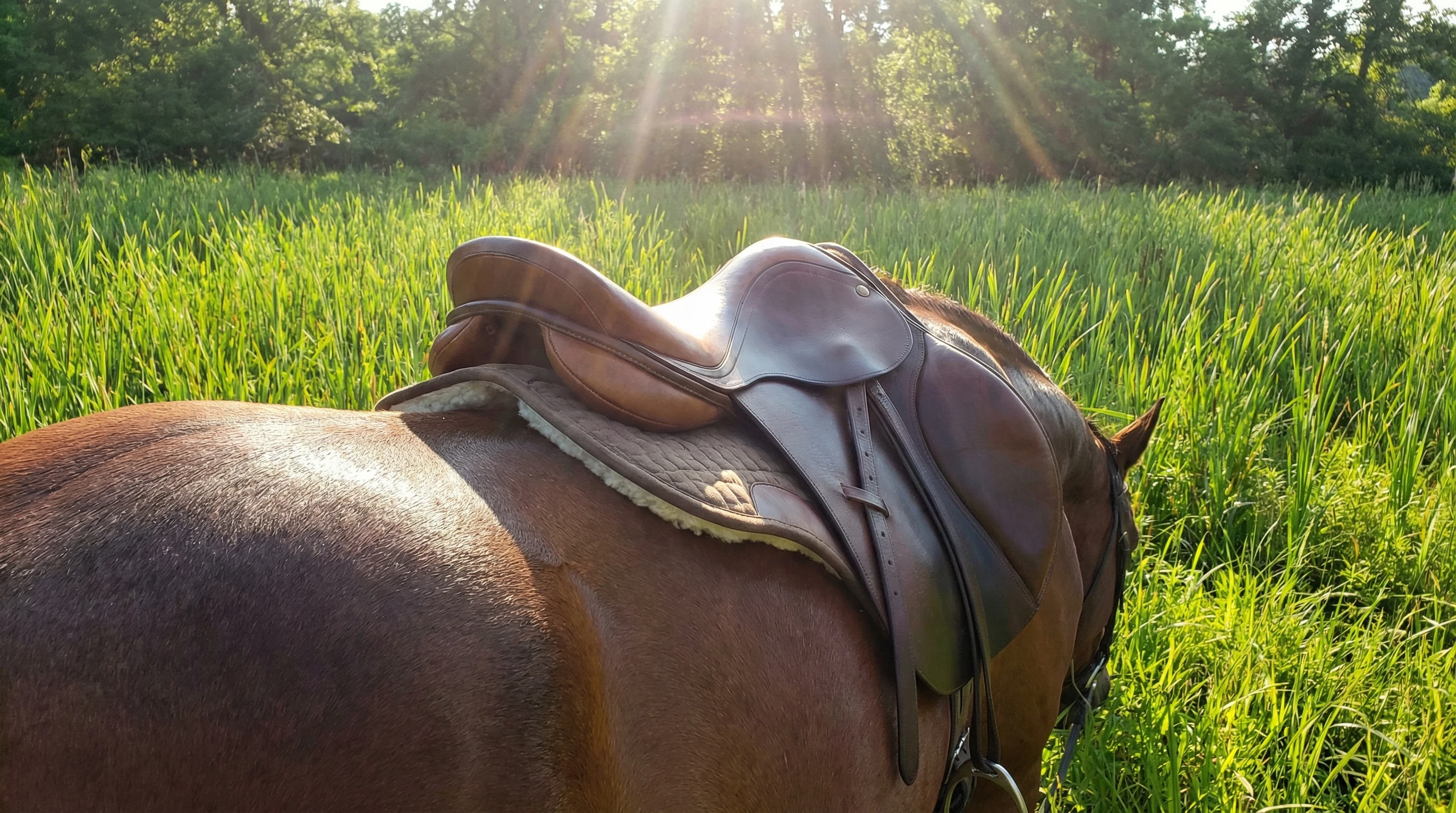
When I’m choosing a saddle for a gaited horse, the top thing I pay attention to is comfort for both the horse and me. These breeds move with a four-beat gait, which is different from the trot or canter you see in standardbred horses.
If a saddle doesn’t fit right, it can mess with your horse’s movement and even lead to soreness or behavior issues. Plus, it has a big impact on your own riding experience, especially during those longer trail rides.
Does a Gaited Horse Need a Different English Saddle?
You don’t necessarily need a saddle labeled “gaited” to ride a gaited horse, but their backs are shaped differently, and their movement puts unique pressure on the saddle. That’s why a wellfitted English saddle is something I won’t skip, even if it just means making small tweaks to padding or tree shape to meet your horse’s needs.
Spotting Signs of Restriction
If your horse shortens his stride, seems choppy, or starts pacing (when he didn’t before), it might be the saddle. Other signs are tail swishing, ear pinning, or an unwillingness to move forward.
I always do a quick ride, checking out my horse’s natural gait before and after trying a new saddle, just to make sure he moves freely and happily. Sometimes, even a small change in saddle fit can make a big difference in attitude and performance.
Tree Shape: A-Frame or Hoop?
Many gaited horses have broad, rounded backs, often not as sharply angled as some other breeds. Hoop (U-shaped) trees generally work better for these backs than Aframe (V-shaped) trees, which can pinch or bridge.
I look for a tree that sits evenly from front to back, allowing for gentle curves and full movement. If your horse has a particularly flat or wide wither area, a hoop tree is usually your best bet.
Saddle Position and Wither Clearance
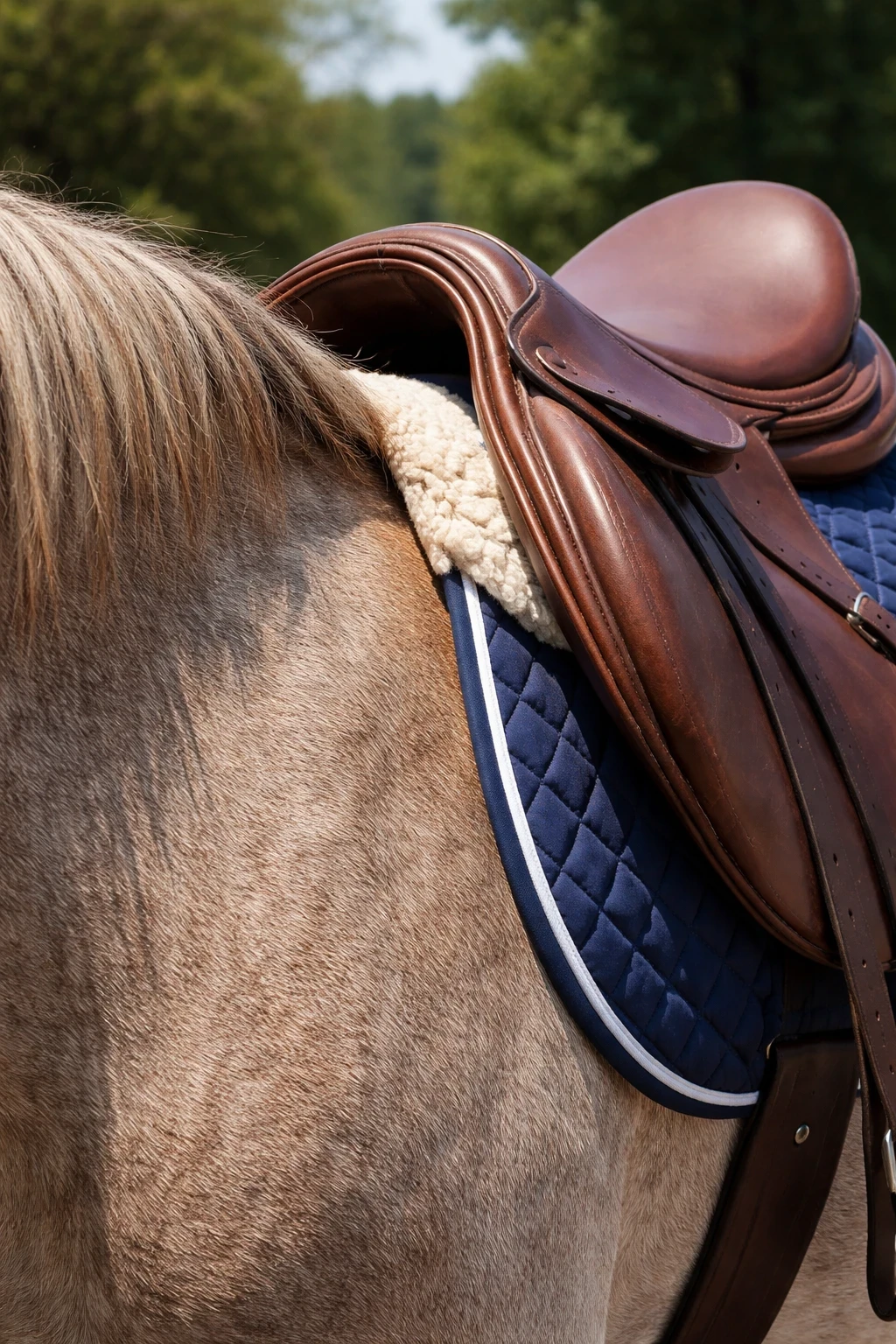
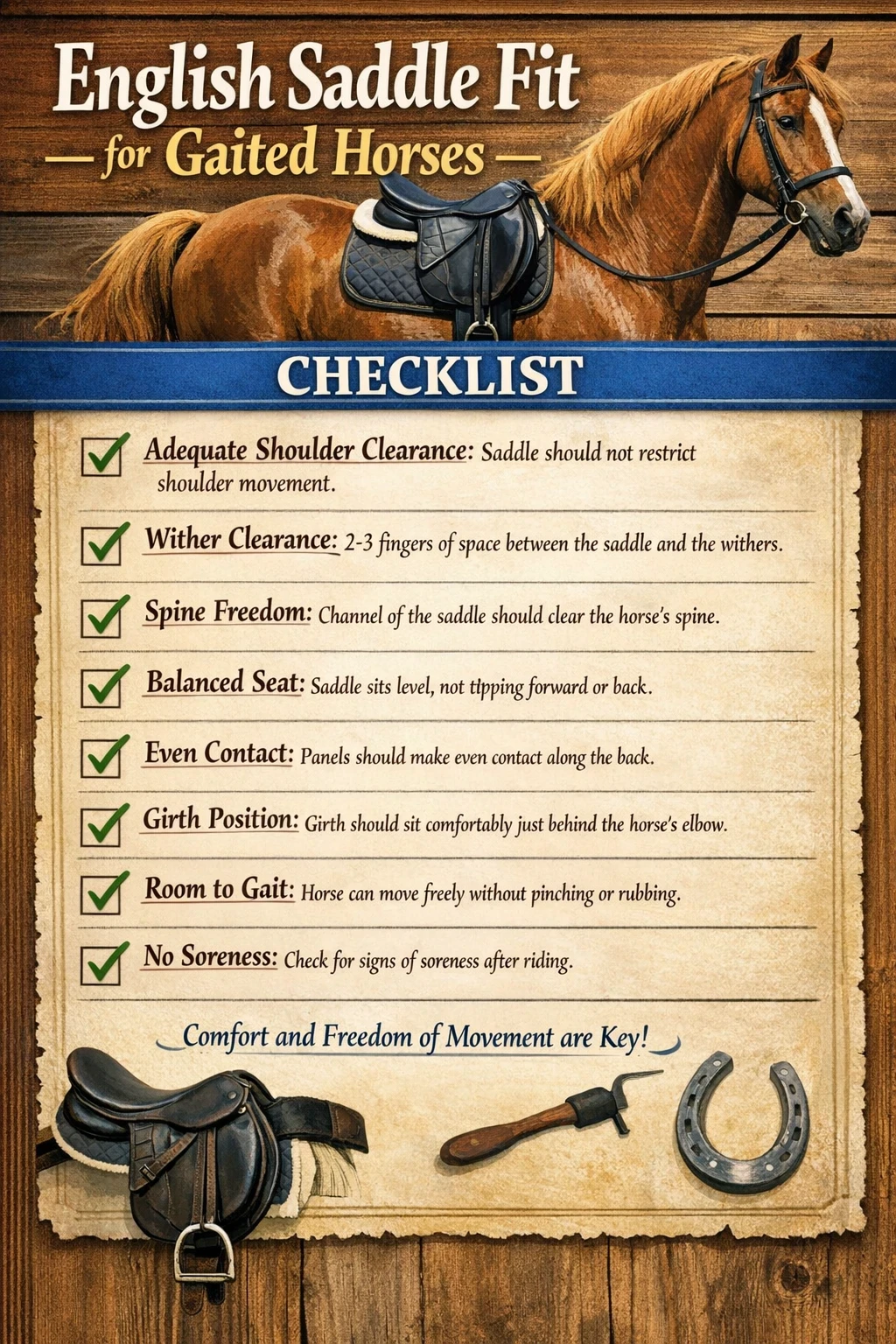
Positioning the saddle so it sits behind the shoulder and gives freedom to the scapula is really important. I check for at least 2-3 fingers’ clearance over the withers but also make sure there’s no pinching along the sides.
Extra clearance might be needed for tallerwithered gaited horses, but most don’t want anything too snug. Always check fit when the horse is standing and while he’s moving, because some movement patterns will reveal pinches or tightness not obvious in the barn.
Can an Ill-Fitting Saddle Cause Gait Issues?
A saddle that’s too narrow can force a horse into a hop or short stride; a wide one might rock and rub. I’ve seen ill-fitting saddles push gaited horses into pacing, encourage loss of gait, or make them grumpy.
Learn more about the impact of poor-fitting saddles in my post, “What Is The Impact Of An Ill-fitting Saddle On A Horse.”
A balanced fit encourages that running walk, foxtrot, or paso that we love. Never underestimate the difference a wellfitting saddle can make on those signature smooth gaits and your horse’s willingness to move forward.
Saddle Design & Features
Not all English saddles are created the same, especially when you factor in a gaited horse’s needs. There are eyecatching features out there that can give a boost to your horse’s movement and comfort in the saddle.
Are English Saddles Good for Gaited Horses?
English saddles are totally fine for gaited horses when matched properly. Some gaited riders stick to traditional styles, while others tweak things for extra comfort.
What matters most is the fit and freedom for movement, not the brand or label. As long as you pay attention to saddle fit and your horse’s feedback, you can use just about any English saddle to good effect.
Tree Width, Panel Shape, and Seat Style
- Tree Width: Gaited horses often need a wider or flatter tree. I avoid anything that looks pinchy up front since their shoulders are active during gait and need more room to move.
- Panel Shape: Panels that are flatter from front to back allow the saddle to sit against the horse’s broad back. I focus more on panel shape than whether a saddle is labeled as “deep seat” or “close contact” because contact and weight distribution are key.
- Seat Style: Some deep seats or big knee blocks can get in the way, especially for riders who like a more open, flexible position. I go for moderate kneeblocks or thighrolls when I want to keep my hips loose and responsive.
Saddle Weight and Adjustable Features
Lighter saddles can make a difference for sensitive gaited types. They’re less tiring for the horse over long rides. Adjustable gullet systems are handy, especially if your horse changes shape with the seasons or gains muscle.
See my post, Adjustable Vs Fixed Tree Saddle Comparison.
I like the ability to have some flexibility, but a fixed tree works fine if it’s already a suitable shape. Just keep in mind that lighter saddles often make it easier to tack up and manage your gear when trailering or at shows.
Rider Balance & Discipline
My position in the saddle affects the horse’s rhythm and comfort just as much as a good fit does. Some saddle styles make it easier to stay balanced and let your horse use his body the way he’s supposed to. The more balanced you are, the more your horse can shine in his natural gaits.
Which English Saddle Style Works for Gaited Riding?

- All-Purpose: Handy for versatility. I find them popular for riders who switch between trails and light schooling. Their more open seat and moderate kneeblocks are usually a good match.
- Dressage: Deeper seats can help with posture, but you’ll want to watch for models with huge thigh blocks or forward flaps that interfere with gait freedom. Less restrictive styles keep your hips moving easily with the horse.
- Endurance: These are my goto for long distances. Lightweight, minimal, and built with comfort in mind for both horse and rider, endurance saddles often offer foam or wool flocked panels and open seats.
Dressage Saddles and Smooth Gaits
A lot of people love dressage saddles for the support, but with gaited horses, I’m careful not to pick a model that locks me in place. Too much restriction can make the ride feel “bouncy” even if the horse is naturally smooth.
Open seats and moderate blocks help keep my pelvis loose and follow the horse’s motion. I always make sure that whichever style I choose, I can stay relaxed and move with my horse.
Saddle Balance and Rider Position
A wellbalanced saddle keeps my center of gravity right where it should be. If it tips me forward or backward, I’ll usually feel it in how secure I am, and my horse often loses rhythm.
Padding tweaks can help, but sometimes a completely different saddle shape is the answer. It’s worth trying a few styles to see what fits both your horse’s back and your own seat best.
Practical Buying Tips for Gaited Horses
Every horse is different, and my barn has both gaited and nongaited types, so I get why people ask about sharing saddles or how sizing works. The key is always to pay attention to each horse’s individual back shape and movement, rather than just the breed.
If you ever buy used, double check the tree shape, panel wear, and look for any signs it’s been reshaped for a different horse.
Can One Saddle Work for Both Gaited and Non-gaited Horses?
Sharing a saddle is possible if both horses have similar back shapes; usually, though, there are enough differences that a universal fit isn’t practical. Careful research helps buyers make smart decisions, and I check fit on both horses before deciding.
If you must share, consider using pads or shims to adjust as needed, but always keep horse comfort front and center.
Sizing for Shoulder Movement
Gaited horses like room to move their shoulders. I aim for slightly wider sizing than you might for a narrow, high-withered horse. If my horse has lots of frontend action, extra space through the tree points and front panels really helps to smooth the way for comfortable gait patterns.
Adjustable vs Fixed Tree Saddles
Adjustable saddles are super useful if your horse’s shape changes, or if you’re fitting several horses. Fixed trees work well if you’re confident about the fit.
For a deep dive on adjustable vs. fixed tree saddles, read my post, “Adjustable Vs Fixed Tree Saddle Comparison.”
But they’re not as forgiving with seasonal weight or muscle fluctuations. Consider how much your horse’s body tends to change over the year, and factor that in when buying.
Common Fit Mistakes
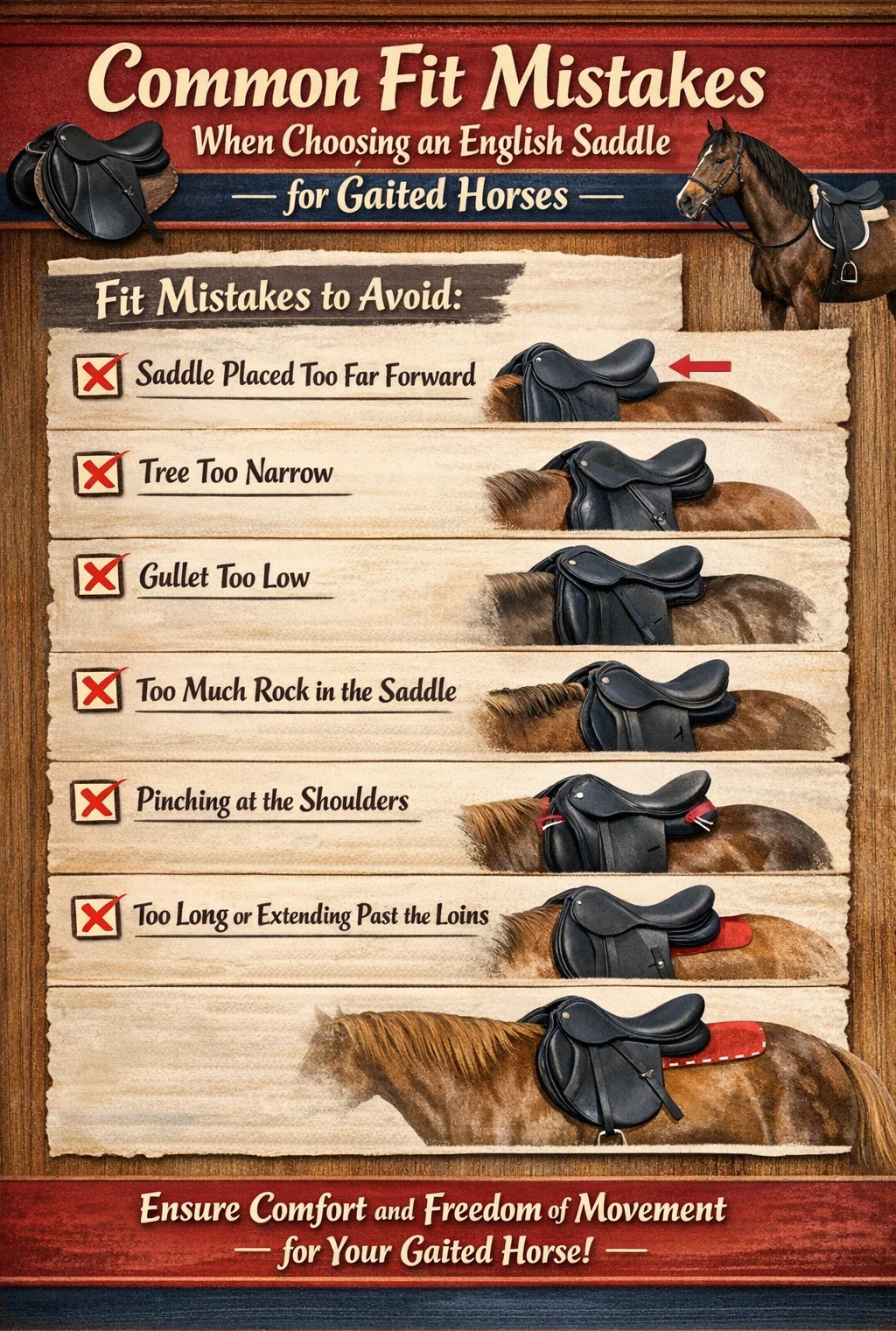
- Choosing a tree that’s too narrow or too Ashaped for a roundbacked horse.
- Settling for bridging or “rocking” because the saddle seems okay in the shop but doesn’t when you ride.
- Ignoring how panels distribute weight. Unevenness leads to soreness, even on a smoothgaited type.
- Not allowing enough wither clearance or failing to check clearance when the horse is moving.
Extra Tips and Real World Advice
Spending some time on the ground, observing your horse’s movement before and after riding in a new saddle, gives a lot of insight. For trail riders, small adjustments like half pads or shims can help if the fit is close but not perfect.
If in doubt, consulting with a saddle fitter who knows gaited breeds is worth checking out. If that’s not an option, snap photos from all angles (especially shoulder and spine) and ask in online gaited horse forums for personal feedback and advice from folks who’ve faced similar challenges.
If you’re new to gaited horses or switching from Western to English, give yourself time to get used to the different balance.
Test ride as many saddle types as you can. Sometimes, just the look and feel of a new saddle will let you know if it’s a match. Your horse will often show his opinion, too!
Frequently Asked Questions
How do I know a saddle is right for my gaited horse?
Watch for relaxed, free movement and steady, natural gaits. If your horse is happier, moves easier, and you both stay comfortable on long or bumpy rides, you’re probably on the right track.
Pay attention to sweat patterns under the pad, and make sure there are no dry spots or signs of rubbing or discomfort after a ride.
Are there special pads for gaited horses?
Some pads are built for extra shoulder clearance or spine relief. These are worth considering if your horse needs a little more support or if you notice pressure points under your current saddle pad.
How much should I spend on a gaited horse saddle?
Pricing varies. I prioritize fit and comfort over brand, but solid new or lightly used saddles usually start around $800 and go up from there.
Try different options before committing, and don’t be afraid to look at reputable used saddles from trusted sources if you want to save some money but still get a good fit.
Recommended English Saddle Brands & Options
- If your horse has a wider back and flatter profile… → Wintec
- If you want a leather show-style saddle with adjustability… → Bates or Toulouse
- Tried-and-true comfort for trail rides … → Wintec wide trees
Best Value & Adjustable Options
- Wintec 500 All Purpose Hart English Saddle – Synthetic, low-maintenance, and comfortable option; its panels adapt well and it’s often easier to fit to wider horses with careful fitting.
- Wintec 2000 Wide All Purpose Hart English Saddle – Same benefits as the Wintec 500, but in a wide tree, which may suit many gaited body types.
Mid-Range Comfort & Performance
- Bates Caprilli Close Contact+ CAIR – Great if riders want performance plus changeable panel support.
- M Toulouse Brittany Platinum English Saddle & M Toulouse Annice Close Contact Saddle – Quality leather options with adjustable tree systems (good for growth changes in gaited horses).
Classic Leather & Balanced Fit
- Henri De Rivel Cahill Close Contact Saddle – Traditional leather option with good reviews and solid comfort.
Finding that perfect saddle is about a good, comfortable fit and letting both horse and rider enjoy the ride. The right English saddle creates a partnership where those signature smooth gaits can shine, making every trail, arena, or fun show ride one you’ll both look forward to.
Take your time, track down the right options, and let your horse’s comfort guide your decisions.
Did you find this post helpful? If so, I’d love to hear your comments below!
Thank you for this incredibly thorough and necessary guide. As an owner of a Tennessee Walker, I’ve struggled to find resources that don’t try to force square-peg, trot-centric saddle advice into the round hole of a gaited horse. Your breakdown of the critical differences in shoulder motion, back shape, and topline needs is the clearest I’ve ever read. The emphasis on a flexible, wide tree channel and how it allows for the unique “glide” of the gait is a point too often overlooked. This article will save so many riders and horses the frustration and physical discomfort of an ill-fitting saddle. Excellent work.
Hi Cian. Thank you so much for your thoughtful comment!
I’m really glad this guide resonated with you and that the saddle-fit insights feel practical for your Tennessee Walker. Gaited horses truly do have such unique movement and needs, so it means a lot to hear that the article was clear and helpful. Wishing you many comfortable and happy rides with the right saddle — and always feel free to reach out with more questions!
Hi Shalisha, this guide was really helpful and easy to follow, especially for someone who has never used an English saddle. Even though I’m not a horse rider myself, I found your explanation clear and approachable. I liked how you broke down saddle fit, tree shape, and rider balance specifically for gaited horses—it makes the topic feel much less overwhelming and complicated for beginners. Well explained and informative.
Questions though: in your experience do adjustable gullet systems work just as well for gaited horses long-term, or do you find fixed trees usually hold the gait better once the fit is dialed in? and when transitioning from Western to English, is there a saddle style you usually recommend riders start with to avoid interfering with natural gait?
Hi Mohamed.
Thanks so much for your kind words — I’m really glad the guide felt clear and welcoming, even if you’re not a rider yourself!
Great questions!
Adjustable gullet systems can absolutely work well for gaited horses long-term, especially when a horse’s shape is still settling (young horses, weight changes, muscle development, etc.). They give you flexibility to fine-tune fit without buying a whole new saddle, which is a huge plus. Once a gaited horse has a consistent topline and you’ve dialed in the fit, a well-made fixed tree saddle can feel incredibly stable and “locked in,” but quality and proper fitting matter more than the style of tree itself.
For riders transitioning from Western to English, many find it easiest to start with a close-contact or all-purpose English saddle. These have a bit more freedom of movement than deeper-seat saddles, help you find your balance without feeling too “locked in,” and tend to be less likely to interfere with a gaited horse’s natural stride — especially early on as both horse and rider adjust.
Feel free to ask if you want model recommendations or fit tips for a specific gaited breed!