
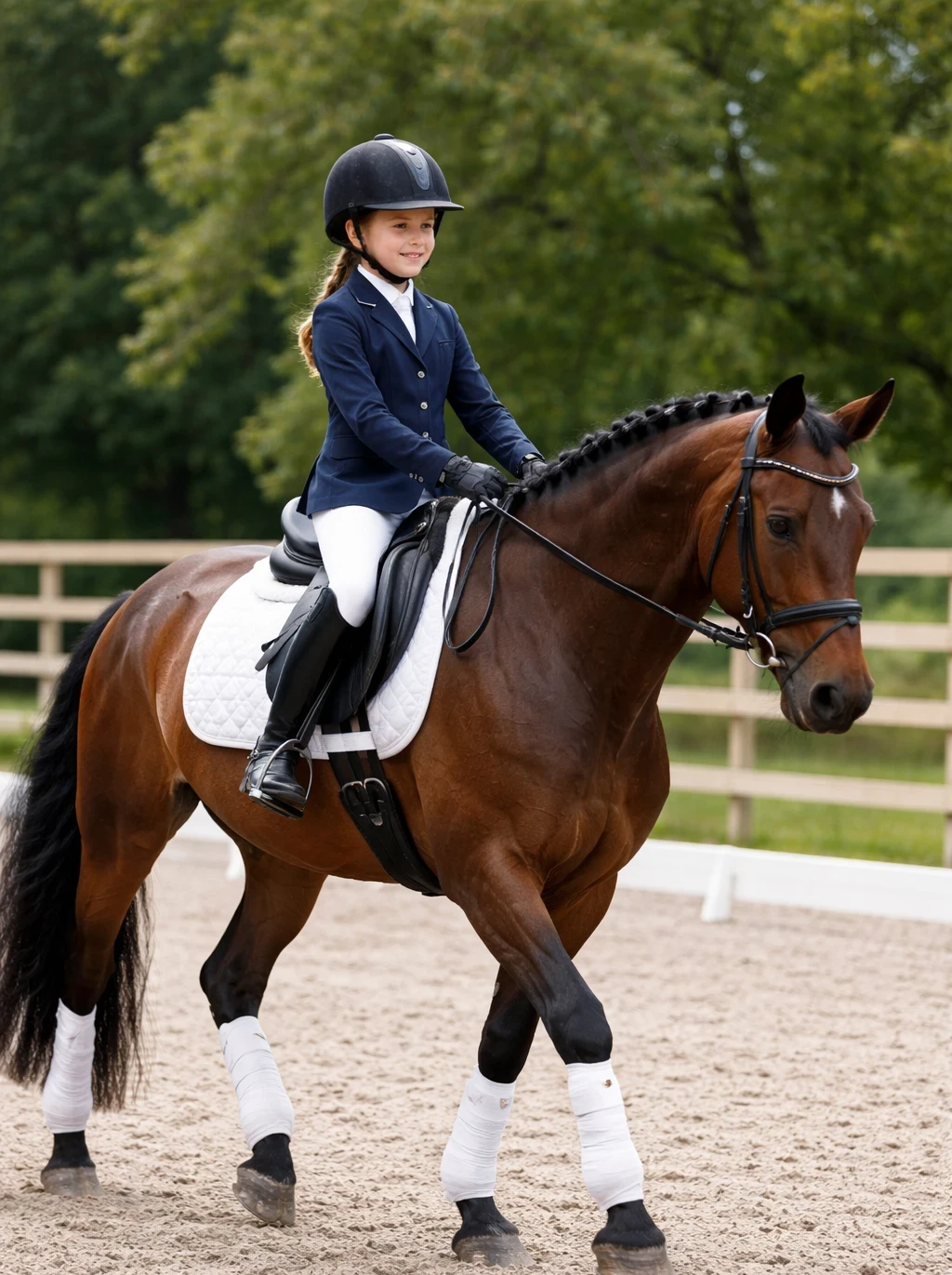
Choosing the best dressage saddle for your child is something I’ve put a lot of thought into, not just for safety, but also for their comfort and progress in riding.
Parents often wonder if it’s too soon for a dressage saddle, whether an all-purpose saddle will do for now, or if using a fitter is necessary. I know the process can bring up lots of questions, especially when you want your child to stay motivated and safe while learning.
I address those concerns in the paragraph below. But I also posted an article that you might find helpful entitled, “How to Choose a Dressage Saddle”.
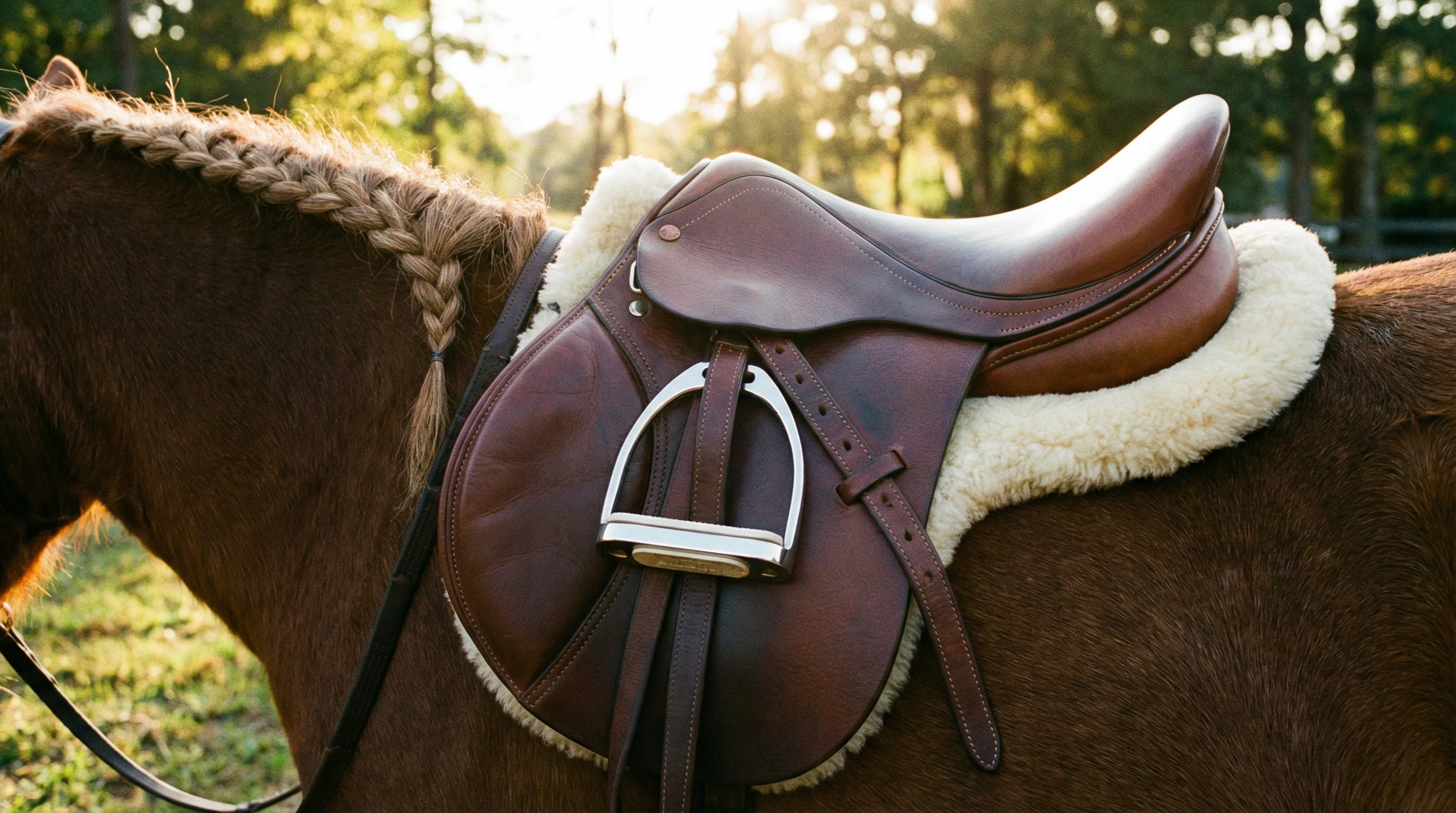
Typical Parent Concerns About Dressage Saddles for Kids
I often get asked if a child really needs a dressage saddle yet. Maybe your child is new to riding, or they’re starting dressage lessons because they love the discipline. The main worry I hear from parents is about investing in a special saddle before a child’s skills are established.
Others wonder about growth: will they outgrow the saddle quickly? Is a specialty saddle worth it, especially if they’re still getting comfortable in the saddle?
Comfort, safety, longterm value, and not wanting to waste money sit at the top of most parents’ lists. Many also worry about posture, back pain, and supporting good habits early.
When Is a Dressage Saddle the Right Choice for My Child?
Another big question is timing. Not every young rider needs a dressage saddle straight away. If your child rides mostly for fun or is still trying out different riding styles, sticking with an all-purpose saddle can be a smart move.
These saddles work well for a mix of activities and are often more affordable, especially for fast-growing kids or those just starting out.
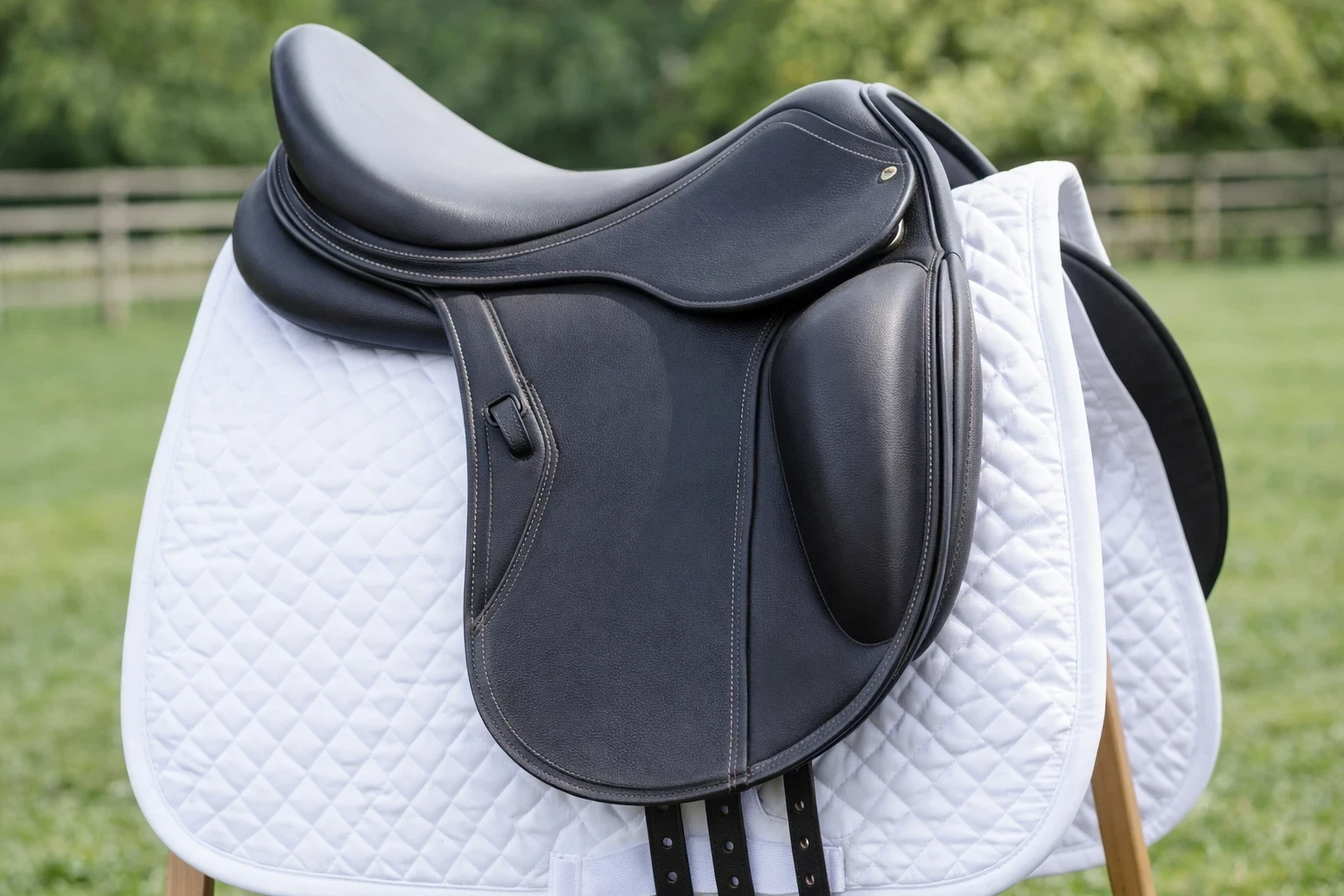
Dressage saddles offer more support for the correct riding position that’s important for the discipline. If your child is getting more serious about dressage, entering shows, or working with a dressage trainer, it might be time to consider that upgrade.
Can My Child Still Use an All-Purpose Saddle?
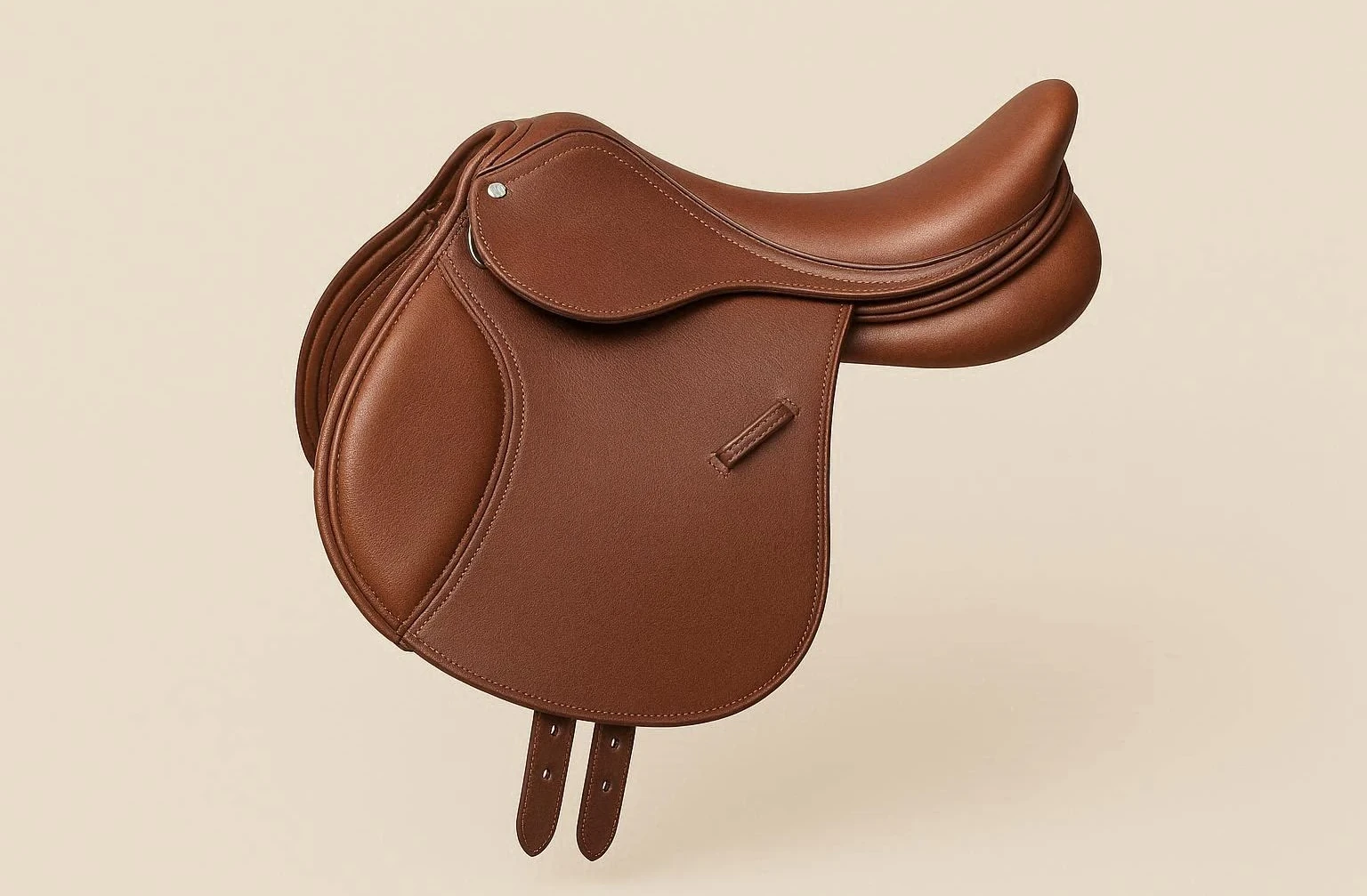
I’ve seen many young riders start with an all-purpose saddle. For casual riding, lessons, or early practice, these saddles keep things simple and flexible. If your child is still exploring, waiting to see which disciplines they enjoy most can help you avoid buying multiple saddles over time.
However, for more focused dressage practice or showing, the benefits of a dressage saddle, like deeper seats and longer flaps for proper leg position, really start to make a difference and help.
Getting the Fit Right: Do I Need a Pro Saddle Fitter?
This is where things can get a little tricky.
The best way to make sure a saddle fits both your child and your horse (or pony) is to use a professional saddle fitter. A good fitter checks both the rider and the horse’s anatomy, watching for pressure points, seat depth, and how easily your child sits and moves.
While fitting guides and at-home checks help a lot, a pro’s input is really valuable – especially if your child is spending more time in the saddle or if your horse has any kind of sensitivity, back issues, or building muscle from a young rider’s growing skill.
Can I Fit a Saddle Myself?
Fitting a saddle on your own is possible by using trusted guides. Some tips I use include:
- Seat size: Your child should have about a hand’s width behind them when sitting in the deepest part of the saddle.
- Flap length: Your child’s knees should rest comfortably on the knee roll, not extend past it or dangle far from the support.
- Width and balance: The saddle should sit level, not tip forward or back, and have good clearance over the horse’s withers.
- Wiggle test: The saddle shouldn’t shift sidetoside or slide forward when your child mounts up.
If you notice your child is struggling to maintain balance, slipping forward, or showing discomfort, it’s time to look at the saddle fit, and possibly get professional help.
Red Flags: Warning Signs a Saddle Doesn’t Fit
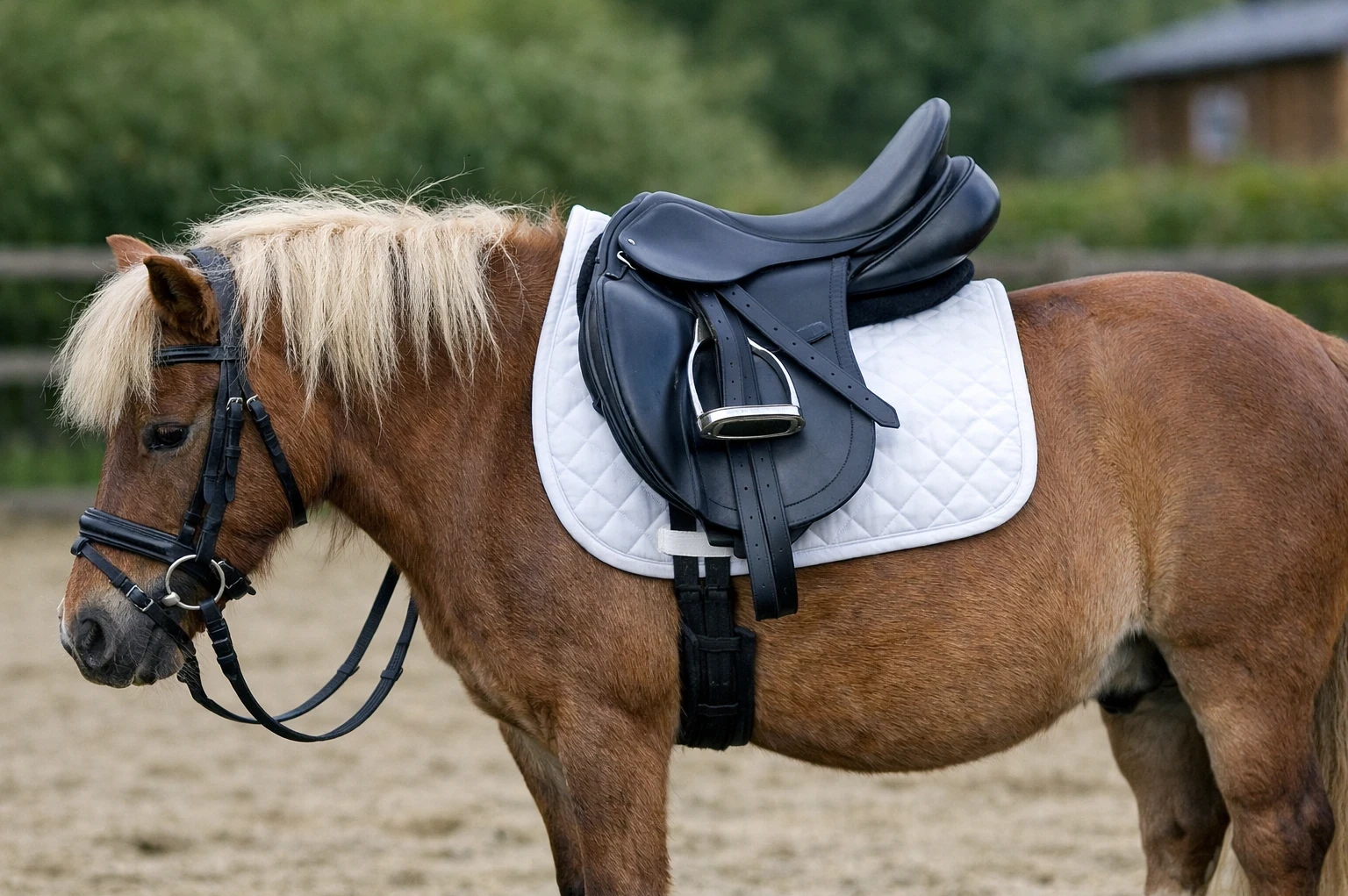
I pay close attention to how a child rides and how their pony reacts. If you notice these red flags, the saddle likely needs attention:
- Your child complains about discomfort, pinching, or pain (hips, knees, back, seat).
- The saddle slides, tips forward, or feels unstable even with a properly tightened girth.
- Your pony’s back shows soreness, hair loss, or changes in behavior when saddling up.
- Your child struggles to keep their balance and often slips forward or to the side.
Checking the Fit for Your Child (and Pony)
For the saddle to help your child ride well, it should allow easy, relaxed posture but keep them secure. After mounting, check how much room there is behind your child’s seat.
Knees should meet knee rolls naturally, with stirrups at a length that boosts confidence and control. A saddle that’s too deep or wide can actually make it tough for smaller kids to sit tall or use their seat bones properly.
The Impact of Incorrect Saddle Fit
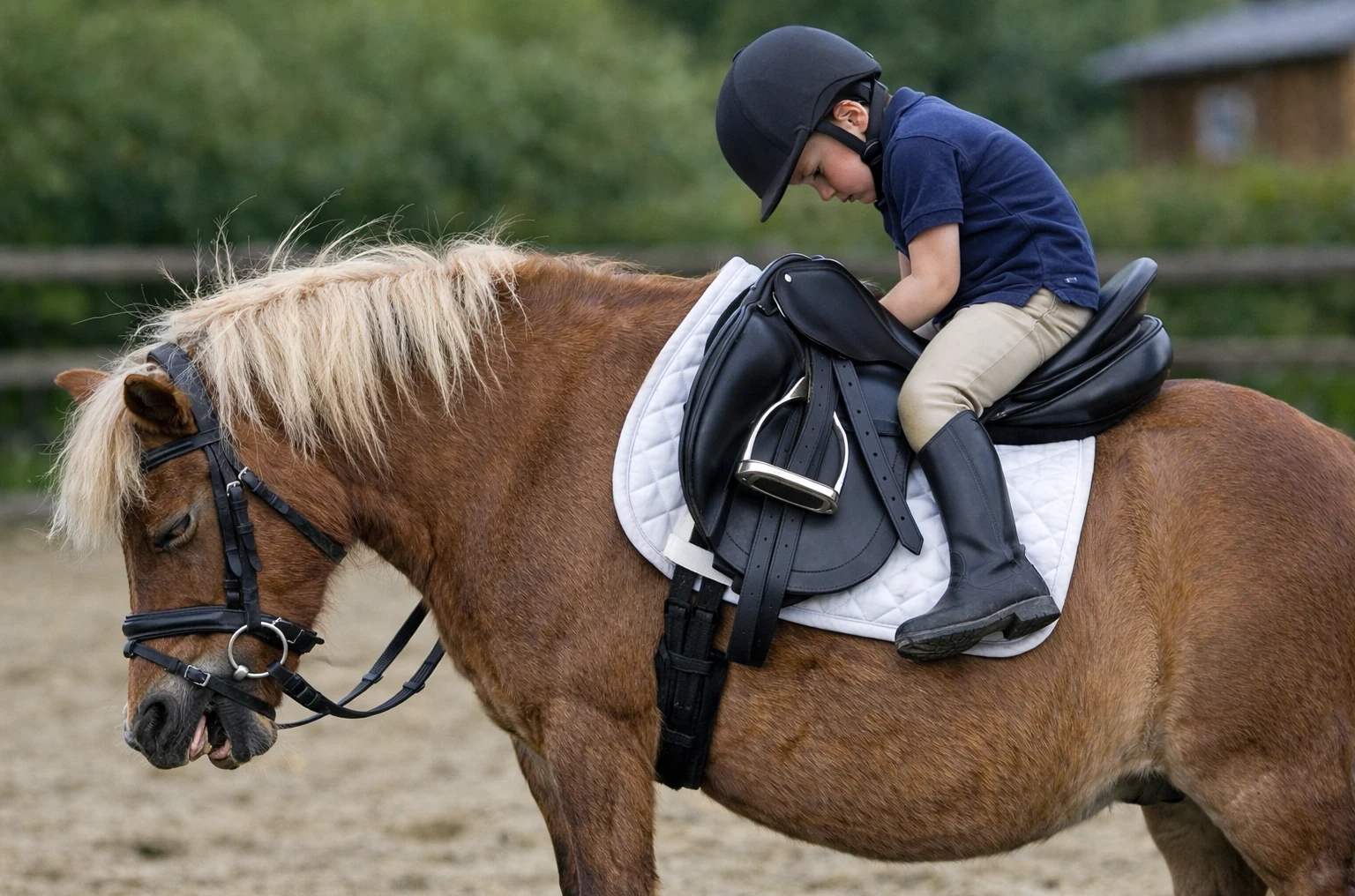
I’ve talked with plenty of parents about how the wrong saddle can cause posture problems or even pain. A poorly fitting saddle can push your child’s legs too far forward or back, making good posture really hard to achieve.
Over time, this can add up to sore muscles, back pain, or bad riding habits that are hard to break.
Even more concerning, a saddle that doesn’t fit the pony can cause soreness and behavior issues. Refusing to move forward, pinning ears, swishing the tail, or girthiness are all things I keep an eye on.
Safety and Stability in a Dressage Saddle
For many parents, a deeper seat feels like it would add safety for a beginner. Deeper seats do offer more stability and can give a nervous child confidence, as they help riders feel “held” in the saddle.
But if it’s too deep, it may keep kids from moving freely or rising out of the seat when needed. I always check that the saddle supports secure riding, but still lets a young rider move naturally and build skills.
How to Reduce Slipping and Tipping Forward
If your child is causing the saddle to slide forward, or they’re tipping themselves out of the correct position, take a close look at the saddle fit and their current stirrup length.
A correctly sized dressage saddle has longer, straight flaps to position the leg and support a strong seat. Well-fitted knee rolls and a saddle that matches the horse’s body help stop movement, preventing slipping forward or dropping to the side.
Considering Saddle Upgrades
When your child’s riding changes to include lots of dressage work or regular lessons in correct position, it might be time to look at a specific dressage saddle.
The longer you wait, the more you risk unwanted habits forming, such as bracing with legs or struggling to sit deep. Early investment can make a real difference if your child shows genuine interest.
It may be helpful for you to take a look at my dressage saddle comparison guide. I wrote a post titled, “Dressage Saddle Comparison Guide” where I list the pros and cons of certain dressage saddles.
Dressage Saddle Comparison Guide
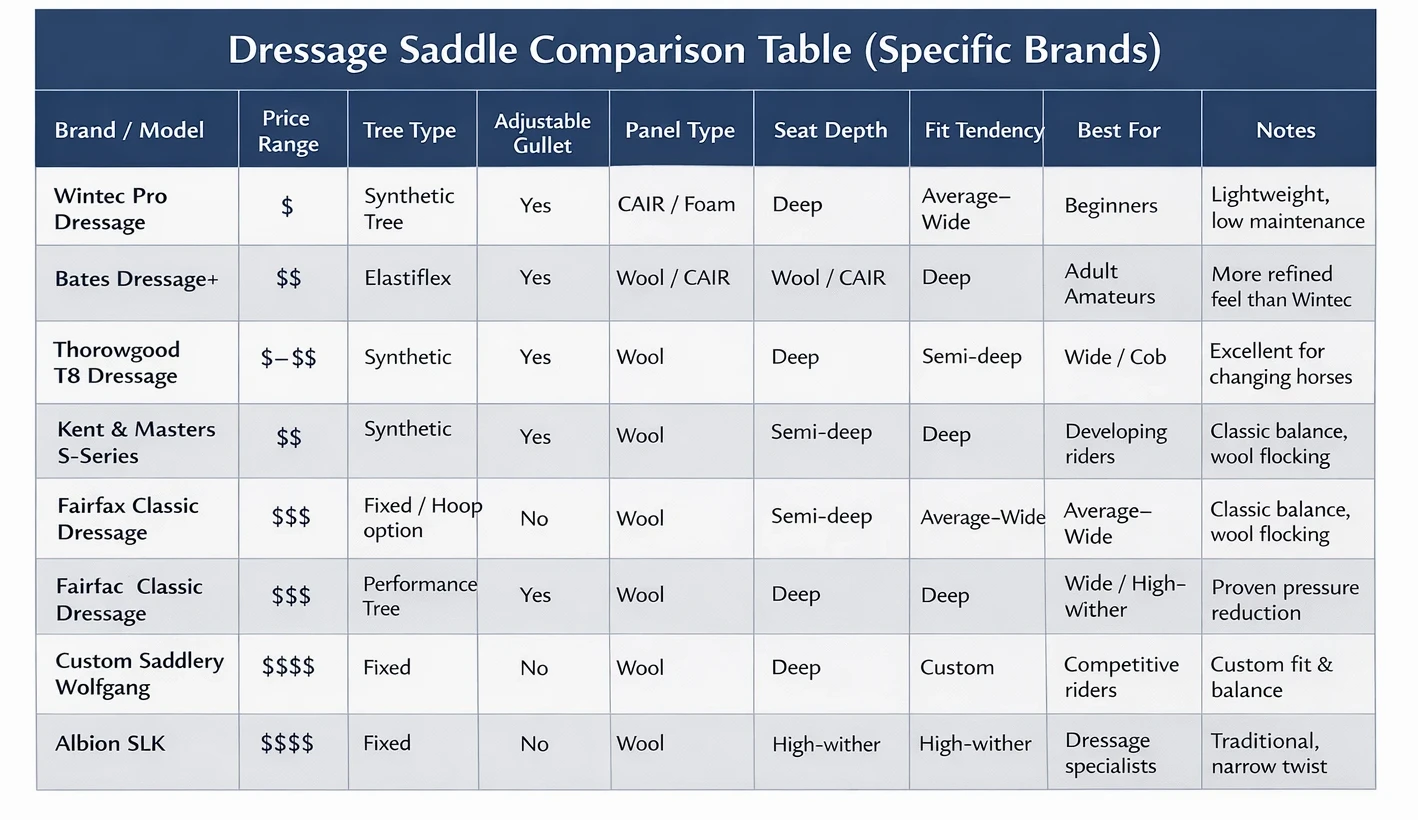
Can One Saddle Fit My Child and Our Pony?
Finding one saddle that’s perfect for both your child and your horse can be a challenge. Kids need a seat size that lets them ride comfortably, while the horse or pony needs a tree width and panel shape that avoids pressure points.
Adjustable saddles can help here, especially for families with growing kids or changing ponies.
If you find a saddle fits your child but not your mount, or vice versa, you’ll need to re-evaluate. The fit should never come at the cost of either rider or pony comfort.
Special Tack for Smaller Ponies and Little Riders?
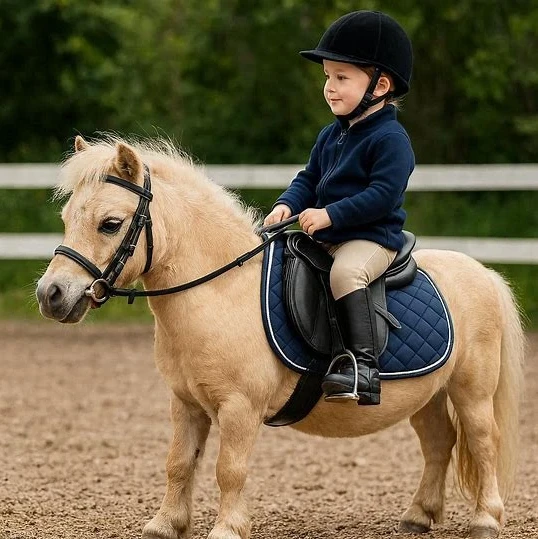 Some children ride small ponies or cobs with very short backs. In these cases, a child’s cut dressage saddle or a pony dressage saddle offers a more compact panel and flap, a shallower seat, and helps with weight distribution. I’ve found that a welldesigned child’s saddle not only supports better equitation, but also prevents back aches for the pony.
How Quickly Will My Child Outgrow Their Saddle?
Children can grow quickly, meaning seat size and flap length may need to be changed within a couple years. Buying a saddle with a little extra room can be okay, but it shouldn’t be so big that your child can’t ride securely now.
Adjustable saddles become really useful in this situation, letting you tweak as your child grows or as you switch horses.
Is a Slightly Bigger Saddle a Good Idea?
Getting a saddle with a bit of growing room makes sense, but too much extra space can make learning harder. If your child can’t sit comfortably, reach the stirrups easily, or swing their leg correctly, it’s time to look for a better fit.
The seat size should be just big enough for today, not just for a future growth spurt.
Are Adjustable Saddles Worth the Investment?
I personally find adjustable tree and gullet saddles very helpful for fastgrowing children. These make it easier and less expensive to keep up with changes in your child or horse.
They also tend to resell well. Just make sure the adjustments are actually enough to keep up with your child’s needs rather than just being a sales point.
For more in-depth information on adjustable saddles for your child, read my post titled, “Adjustable vs Fixed Tree Saddles” where I explain the pros and cons of each.
Finding the Right Seat Size and Flap Length
Seat size for kids is almost always in the 15 to 16 inch range, depending on age and build. Some petite children ride best in a pony dressage saddle even as they reach their teens.
Double check that knee rolls support your child without forcing legs too far apart, and that the flap is not so long that it limits calf contact. If flaps hang past the ankle, you might want to look for a custom option or a better fit.
Can an Adult Saddle Work for My Child?
I get asked this a lot. Most adult saddles feel too broad, are too deep, or force a child’s leg away from the horse. Kids may not have enough length in their thighs to keep good contact, and may struggle to ride safely.
If you need to use an adult saddle temporarily, add a seat cover for grip and make sure your child is supported with proper stirrup length, but plan to move to a kidsized or pony saddle soon.
Common Questions: Practical Advice for Parents
How do I know my child is ready for a dressage saddle?
Watch for increased interest in dressage lessons, better balance, and clear feedback from their coach or teacher. If your child struggles for balance or can’t keep a good seat in an allpurpose saddle, switching sooner rather than later helps set up good habits.
What should I do if my pony hates every saddle we try?
Check first with your vet or bodyworker for back soreness. Use a pro saddle fitter, and consider a treeless saddle or custom option for shortbacked ponies.
Can an adjustable saddle last my child multiple years?
Adjustable features give more room for changing seat size and pony shape, so yes, often they last longer. Just keep checking both fit and condition each year.
Are there any extra tips for keeping a dressage saddle in good shape for kids?
Clean the saddle regularly, store it on a proper saddle rack, and use covers to protect the leather. Remind your child to wipe down any sweat or dirt after each ride; this helps the saddle last and keeps it looking great.
Final Thoughts
Picking the right dressage saddle for your child might feel tricky at first. But the right guidance and willingness to make fitting a priority make all the difference. As your child grows and improves as a rider, upgrading saddles and working with good fitters keeps both young riders and their ponies happy.
A well-fitted dressage saddle not only gives a boost to performance and confidence, but also teaches kids about responsibility and proper horse care from the start.
Regular checks and close attention to comfort help make every ride enjoyable for both your child and their pony.
Did you find this post helpful? If so, I’d love to hear your comments and questions below.
By the way, if you’re looking for more information on adjustable saddles for your child, read my post titled, “Adjustable vs Fixed Tree Saddles” where I describe the unique benefits and drawbacks of both type trees.