Choosing an English saddle that truly works for a draft horse can be tricky, and not because there’s any shortage of saddle branding or flashy marketing claims.
The reality is, most English saddles out there are built for sport horses, not giant, broad-backed breeds. Fitting a draft horse comes down to understanding their unique shape and knowing exactly what to look for in features like tree shape, balance, and panel contact.
In this post, I’ll explain to you how to choose the best English saddle for a draft horse, including what to look for in a tree, the common mistakes people make when choosing an English saddle for a draft horse, and how to avoid those mistakes.
I’ll also make a few saddle recommendations for your draft horse at the end of this post.
Let’s get to it…
I’ve seen draft owners spend years struggling with ill-fitting saddles. So getting it right the first time can save a ton of headaches, for you and your horse. Now, how do you choose the best English saddle for hard-to-fit horses – particularly, draft horses?
For a better understanding about how English saddles work, I highly recommend reading my post, “The Anatomy of an English Saddle.”
How to Choose the Best English Saddle for a Draft Horse
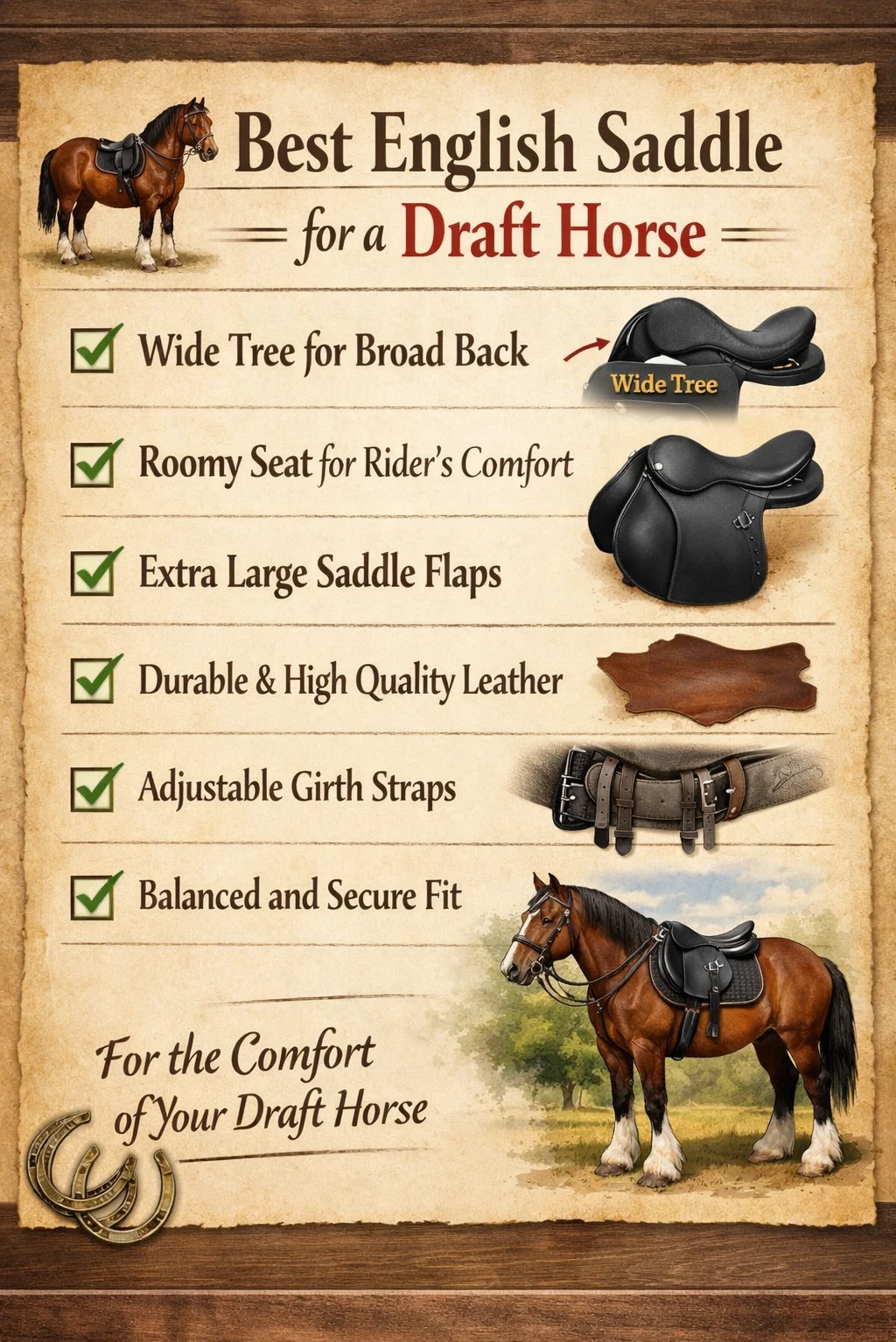
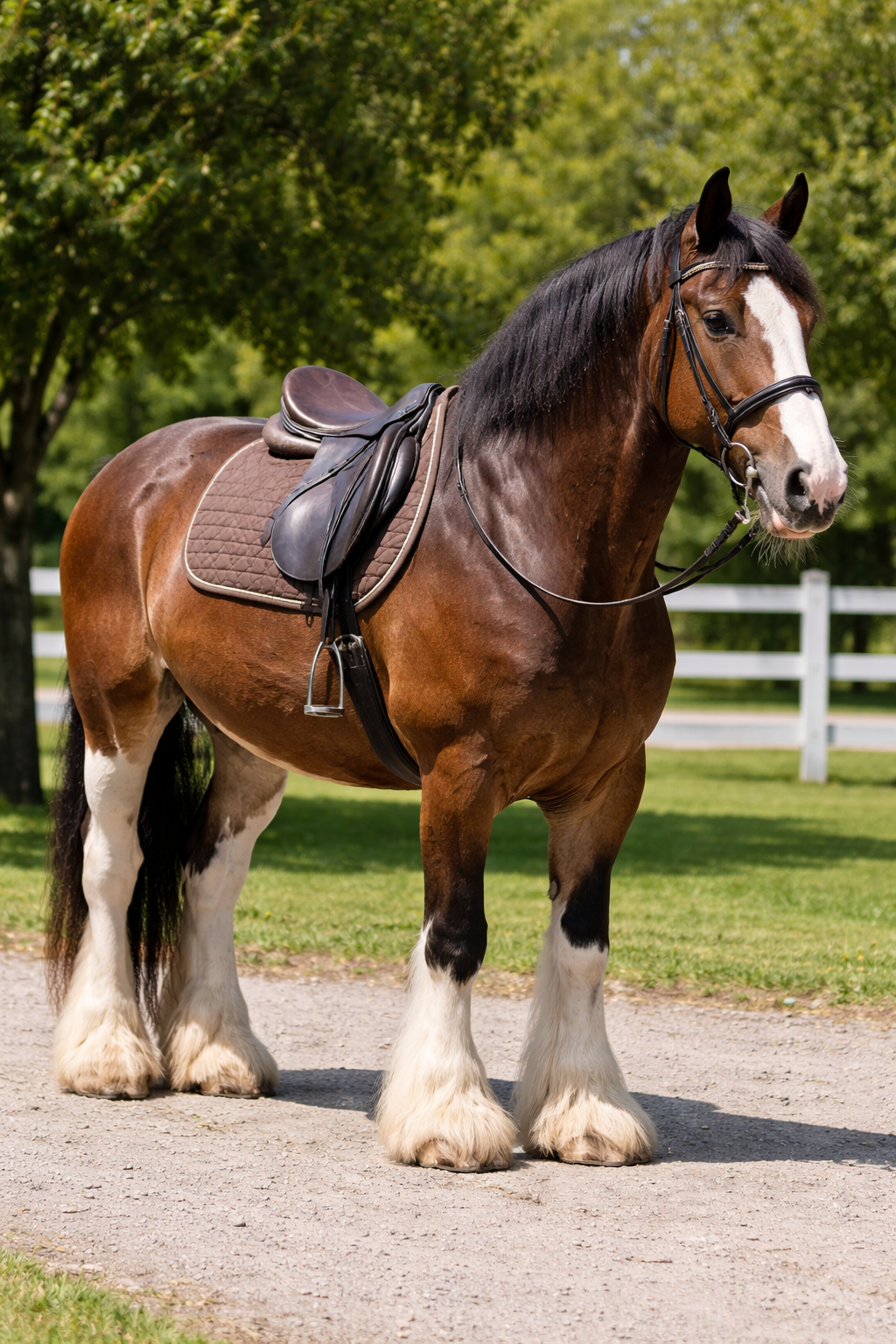
Draft horses are impressive animals, but their extra width and different proportions mean most regular English saddles won’t sit correctly.
Focusing on brand names or just picking the widest “off the rack” saddle rarely solves the problem. The details that matter most are tree shape, how balanced the saddle is once it’s on the horse, and whether the panels hit evenly along their back.
Skipping over those factors almost always leads to discomfort and training issues down the line. And, truth be told, learning the ins and outs of these factors can help you avoid years of trial and error, making the riding adventure much smoother for horse and rider alike.
Why Draft Horses Are Challenging to Fit with English Saddles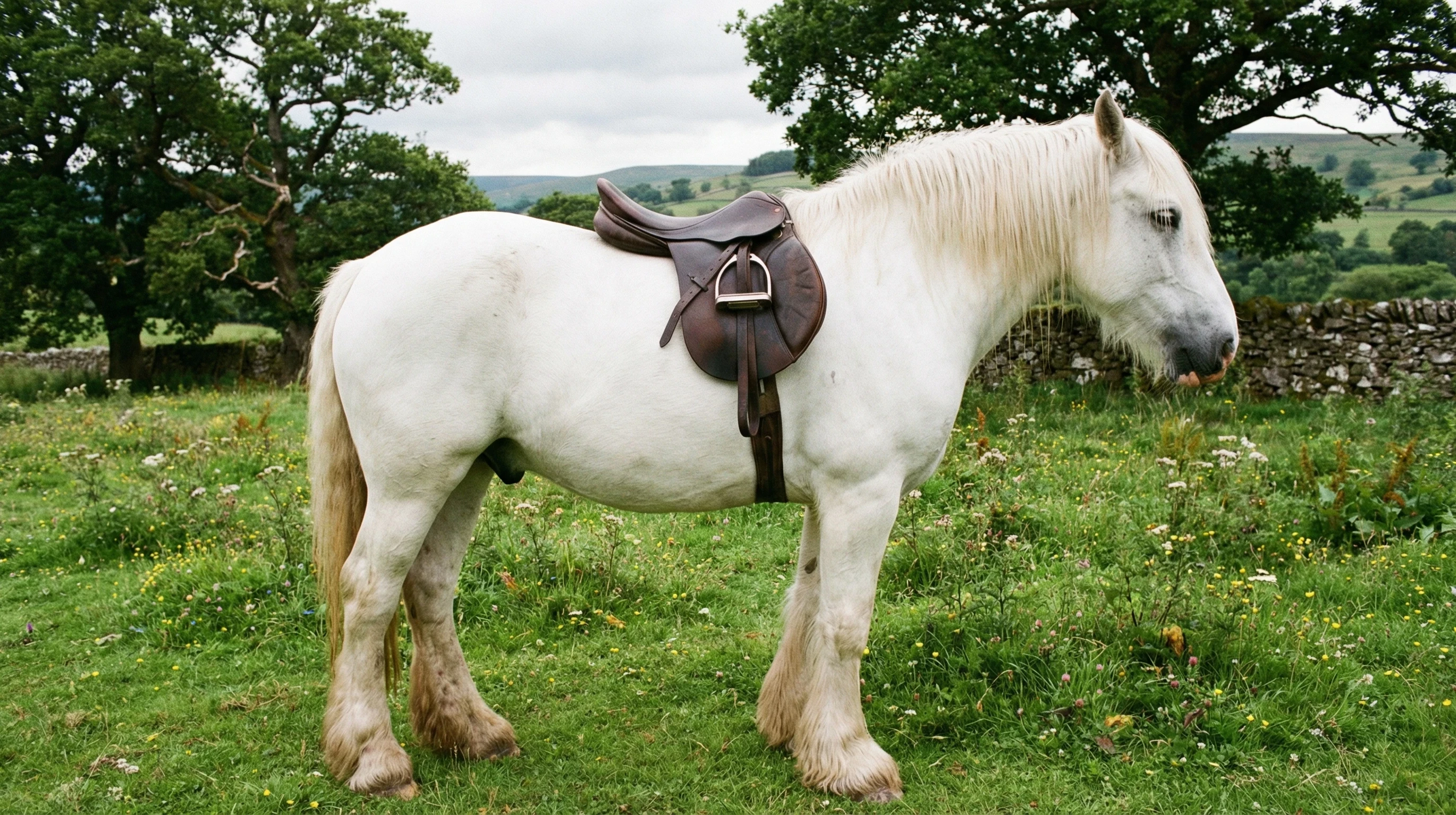 Broad Shoulders and Wide Rib Cages
Drafts are known for their hefty shoulders and literally barrel-shaped ribs. Standard trees, even wide ones, just don’t open up enough in the front or stay flat enough across their back to keep from pinching or perching up high.
Flat Backs and Low Withers
Unlike most sport horses with defined withers and a curvy topline, many drafts have low, rounded withers and very flat backs. That makes it tough for a traditional English saddle tree to sit close and stable, especially over longer rides where pressure points add up.
Extra care and frequent fitchecking is vital here, as a loaned or borrowed saddle from a friend’s thoroughbred won’t cut it for your gentle giant.
Larger Saddle-Bearing Surface Area
One bonus of draft size is there’s plenty of room for a bigger, longer saddle. But the downside is that an improperly fitted saddle can create uneven pressure over a massive area, which leads to soreness nobody wants to deal with.
Always keep an eye out for rubbing or hesitancy to be saddled. These are red flags that the fit just isn’t right.
Tree Width vs Tree Shape: What Matters Most for Draft Horses
Why “Wide” Saddles Are Often Still Too Narrow
It’s pretty common to see people buy the widest tree they can find, stick it on their draft, and wonder why it still doesn’t fit. That’s because width alone doesn’t solve the issue.
The shape of the tree rails and the angle at the front matter even more than just how wide it is.
Hoop Trees vs Standard A-Frame Trees
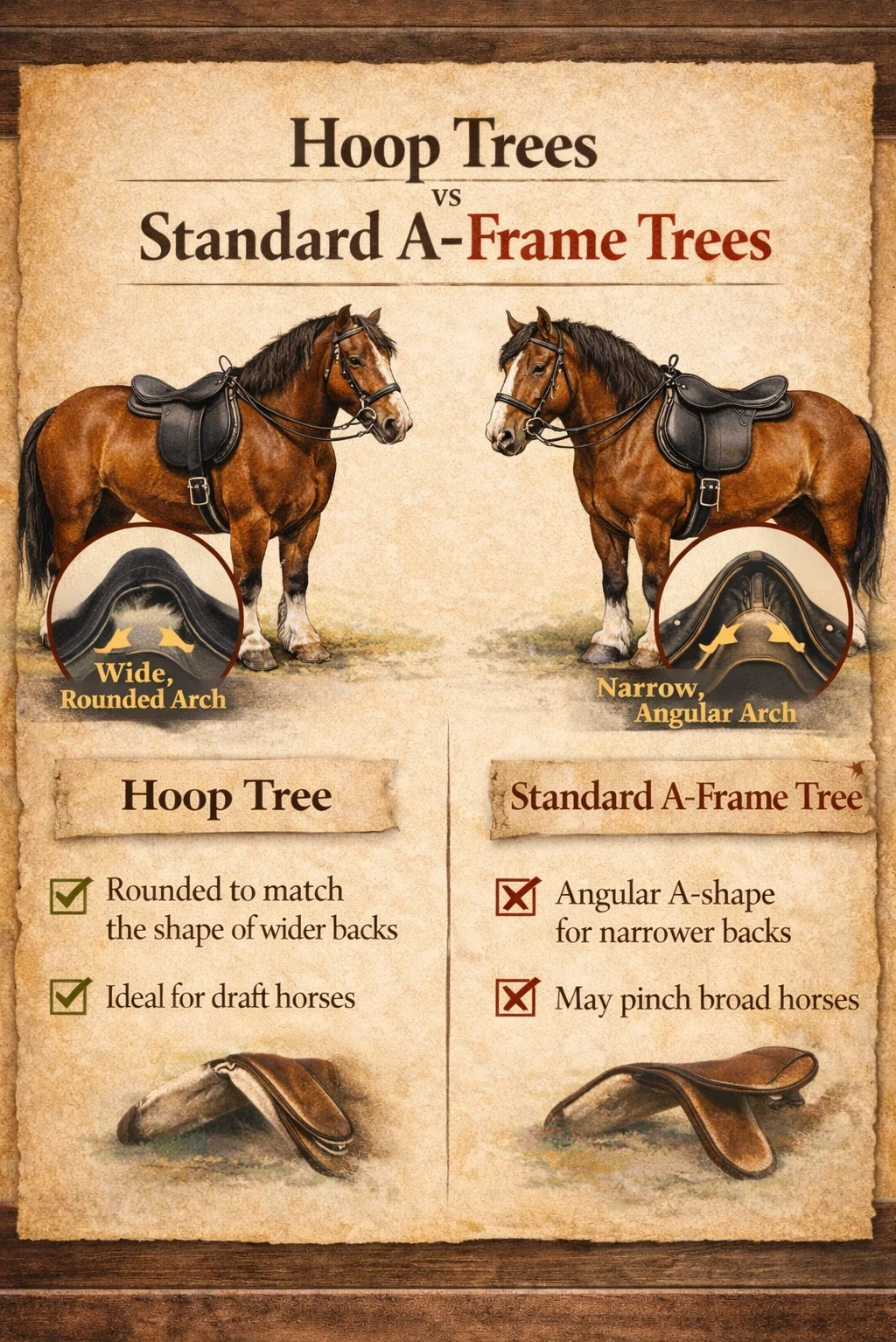
Most English saddles come with an A-frame tree, which is perfect for high-withered, lean horses, but not for drafts. A hoop tree, sometimes called a U-shaped or openarched tree, actually matches the round shoulders and flat back of bigger horses better.
These trees distribute weight more effectively and stop the constant sliding and tipping that can happen with regular designs.
Common Misconceptions About Gullet Measurements
The gullet is just the channel running down the spine. But people often confuse a “wide gullet” for a truly wide saddle. A hoop tree will have a broader gullet but also provides the right angle for the horse’s back.
Just measuring the width at a single spot doesn’t tell you if it really works for your horse.
Panel Design and Channel Width for Draft Horse Comfort
Why Panel Shape Matters More than Padding
Piling on extra padding or more flocking to force a saddle to fit isn’t actually fixing anything. The shape of the panels needs to mimic that broad, flat surface of the draft’s back for even contact.
Bulky, round panels made for thoroughbreds just create bridges and gaps on a draft.
Proper Channel Width to Protect the Spine
Drafts have a wider spine than most horses, so saddles need a channel that’s at least three to four fingers wide all the way from front to back. A narrow channel can pinch nerves and affect movement or even cause longterm damage if ignored.
If you’re unsure, ask an experienced saddle fitter to give it a onceover and confirm your setting is roomy enough.
Wool Flocking vs Foam Panels for Large Horses
Woolflocked panels are often a lot more adaptable and can be adjusted by a professional over time. Foam panels are less forgiving and usually don’t give you enough room to make the subtle changes a draft horse often needs as they muscle up or change shape.
For most draft owners, wool flocking pays off in the long run, both for comfort and for the ability to fine-tune as your horse’s back changes with age or training.
Saddle Balance and Stability on Flat-Backed Horses
Forward Tipping and Rocking Problems
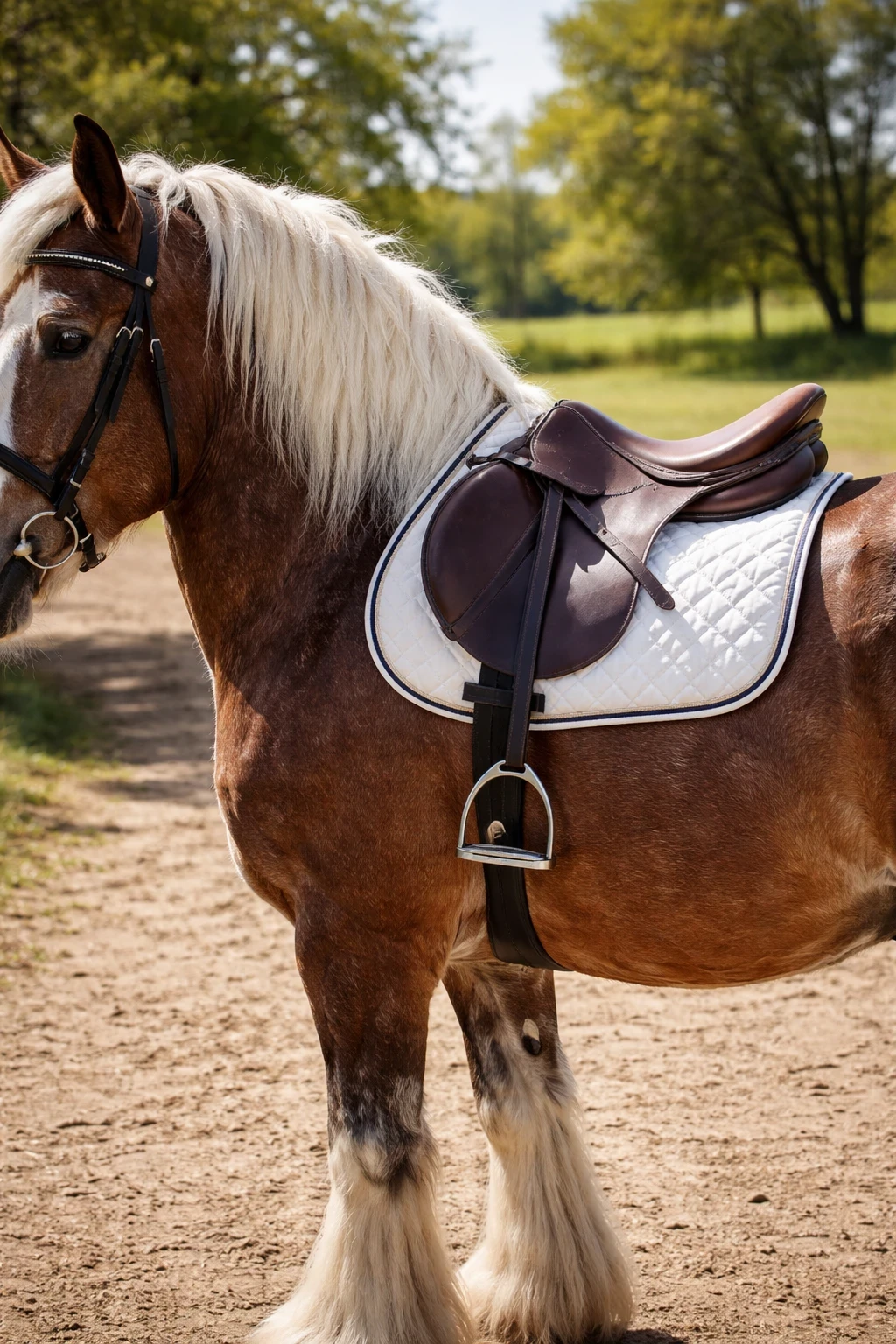
On a broad, flat back, a regular saddle has a bad habit of tipping forward or rocking back and forth as your horse moves. This doesn’t just throw off your position, it’s also uncomfortable for your horse.
Getting a tree and panel shape that mirrors that broad surface helps keep things stable and balanced. Riders often say they feel more confident and relaxed when their saddle doesn’t shift on even terrain or with quick turns, which helps the horse stay at ease, too.
Sideways Saddle Slippage on Round Barrels
If you’ve ever seen a saddle roll dramatically to the left or right when a draft turns, or even when a rider mounts, you know how annoying and unsafe it can be. This is usually because the saddle panels aren’t making full contact or the tree is still too narrow.
A wide girth and sometimes even a nonslip pad can help, but the core fix is always a bettermatched tree and panel design.
Girthing Considerations for Draft Horses
Drafts usually need a much longer girth than average. The placement of the billets can make a difference, too. Point billets or those set further back provide a more stable anchor point and help prevent saddles from creeping forward up the neck or sliding sideways.
Matching the girth shape to your horse’s unique build can add that final boost in stability and safety for both horse and rider.
Adjustable Gullet Saddles: Are They Enough for Draft Horses?
When Adjustable Trees Can Work
Some saddles come with adjustable gullets or trees, which is handy for small adjustments and growing horses. For some lighter drafts or draft crosses, these can work well, especially if the underlying tree is a hoop shape with a really open head.
Riders who have several horses often appreciate this flexibility, though it isn’t always a perfect solution for the widebacked giants.
Limitations of Adjustable Systems for Very Wide Horses
Once you get into the territory of extremely wide or round drafts, most adjustable trees max out before they fit properly. The shape usually still leans toward an A-frame, so swapping to the “extra wide” plate won’t magically match your draft’s back. You might find this article helpful, “How to Read English Saddle Measurements Accurately.”
What Adjustability Can and Cannot Fix
Adjustable systems are great for tweaking width, but can’t fix a panel that’s the wrong shape, a tree that bridges, or billets that attach in ways that don’t work for your horse.
Having the right tree from the start makes a lot more difference than how adjustable the system claims to be. Always prioritize shape over marketing features promising flexibility, especially for breeds outside the sport horse realm.
Rider Fit Considerations When Riding a Draft Horse
Seat Size Challenges on Wide Horses
Drafts often require saddles so wide that it can feel like you’re riding a barrel. Sometimes a larger seat size than usual is needed for the same comfort you’d have on a narrow horse.
Test-sit a few different sizes before buying, especially if you’re new to riding widebacked breeds. Doing so can save you aches and encourage better posture and riding enjoyment.
Flap Length and Leg Position
Bigger horses sometimes set your legs wider than you expect, so checking the flap length and shape is important for keeping a natural leg position. Some brands offer extra forward or extra long flaps for tall riders or those with longer thighs.
See my post, “How to Choose Between Monoflap and Double Flap Saddles.”
Don’t hesitate to try a few combinations. Balancing your leg’s natural alignment is just as critical as the seat size when you jump into the saddle.
Balancing Rider Comfort Without Compromising Horse Fit
Your comfort matters, but it never makes sense to force a saddle that fits the rider perfectly but pinches the horse. Both parts of the puzzle have to work, so if something feels off, get both the horse and yourself checked out before riding seriously. Often, a small tweak to fit can give both you and your horse a significantly better experience on the trail or in the arena.
Common English Saddle Fit Mistakes with Draft Horses
OverPadding to “Make it Fit”
Adding more pads, risers, or thick half pads just to fill in gaps is more likely to cause rubbing or pressure than fix fit issues.
A saddle that fits close in the first place is always better. If more padding seems like the only answer, it’s a sign you need to look for a new saddle or consult a fitter who regularly works with drafts.
Ignoring Panel Contact
Panels need to touch down evenly from front to back, not just perch in the middle. Sliding your hand underneath the full length shows you if you have gaps or pressure points that need adjusting.
Consistency here prevents soreness and can keep your horse happy and free moving for years.
Choosing Saddle Length Incorrectly
Drafts can handle longer saddles, but placing too much length behind the eighteenth rib can still cause discomfort. Doublecheck the actual bearing surface and make sure it’s supporting weight where the horse is strongest.
If you’re unsure, don’t hesitate to ask a professional for help—you’ll thank yourself later when your horse remains healthy and strong.
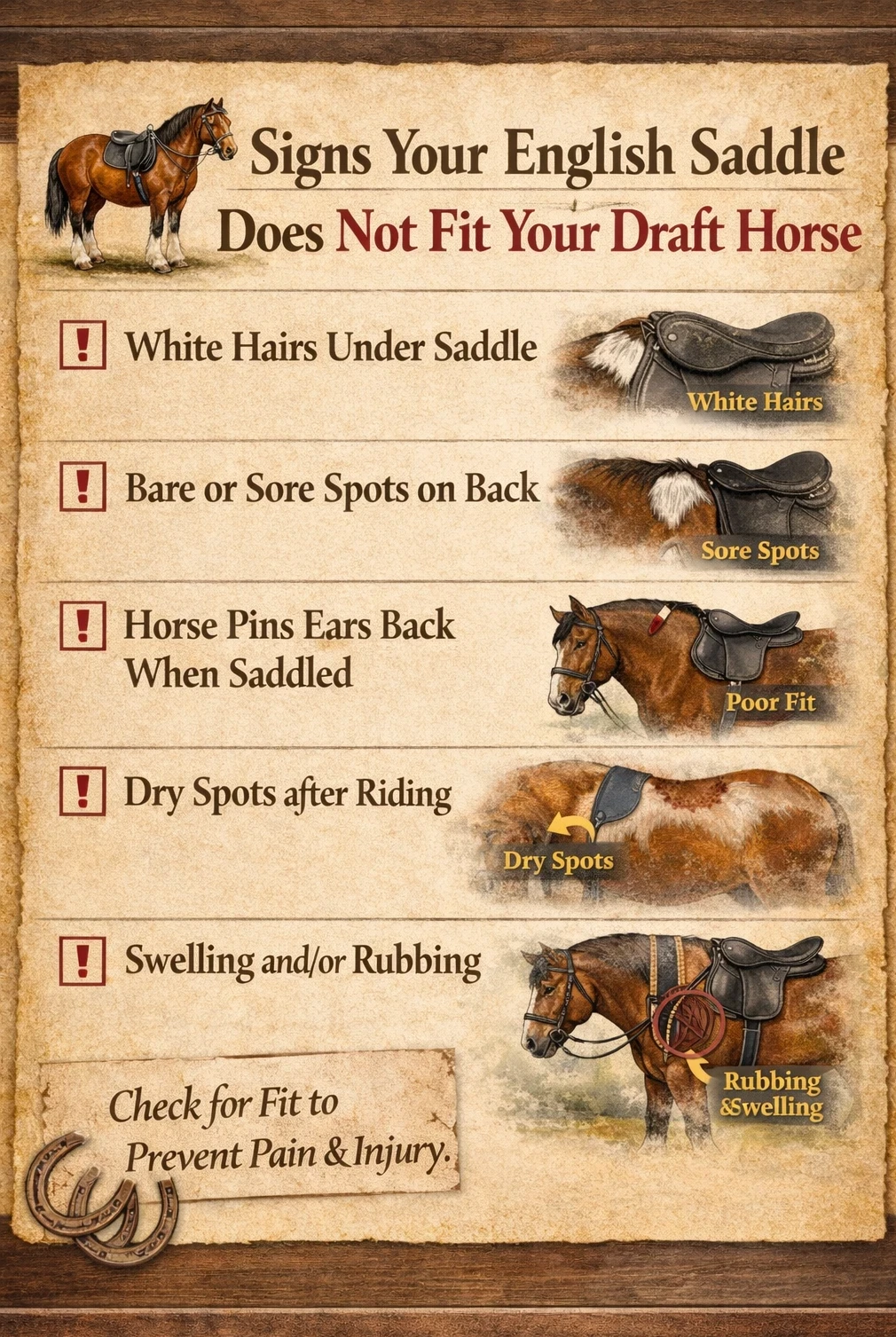
Signs Your English Saddle Does Not Fit Your Draft Horse
Behavioral Signs Under Saddle
If your normally happy draft starts swishing their tail, stumbling, or reacting to the girth, it’s smart to suspect the saddle first. Crankiness at the mounting block or putting ears back can also be an early warning. Always stay sharp to these hints—they often appear before more obvious soreness develops.
Sweat Patterns and Pressure Points
Check for dry spots in the sweat mark after a ride. These are almost always signs of a bridge or uneven pressure. Even, full sweat means the saddle is spreading weight properly. Make this a regular postride habit to catch issues early.
Changes in Movement or Willingness
Limping, shortening of stride, or just a general reluctance to move forward or bend might be a sign of a fit problem. Changes you can’t pin on shoes or training are worth getting a saddle fitter’s opinion on. Early detection can prevent longterm soreness or worse for your horse.
When to Work with a Professional Saddle Fitter
Why Draft Horses Benefit from Expert Fitting
Because so many English saddles are built for slimmer horses, fitting a draft is much trickier. Professional fitters see a lot more backs than the average owner and often know what brands, tree shapes, and flocking styles actually work for drafts.
Their experience can cut through trial and error and save you—and your horse—plenty of discomfort in the long run.
How Often Fit Should Be Reassessed
Drafts, especially if they’re new to riding, might change shape quickly as they gain muscle or lose a bit of extra weight. Checking the fit once or twice a year, or whenever your horse’s workload changes, keeps both of you happy in the saddle for the long haul.
This regular check-in can help prevent behavioral problems and longterm soreness later on.
Our Top Saddle Picks for Draft Horses
Bates All Purpose WIDE Saddle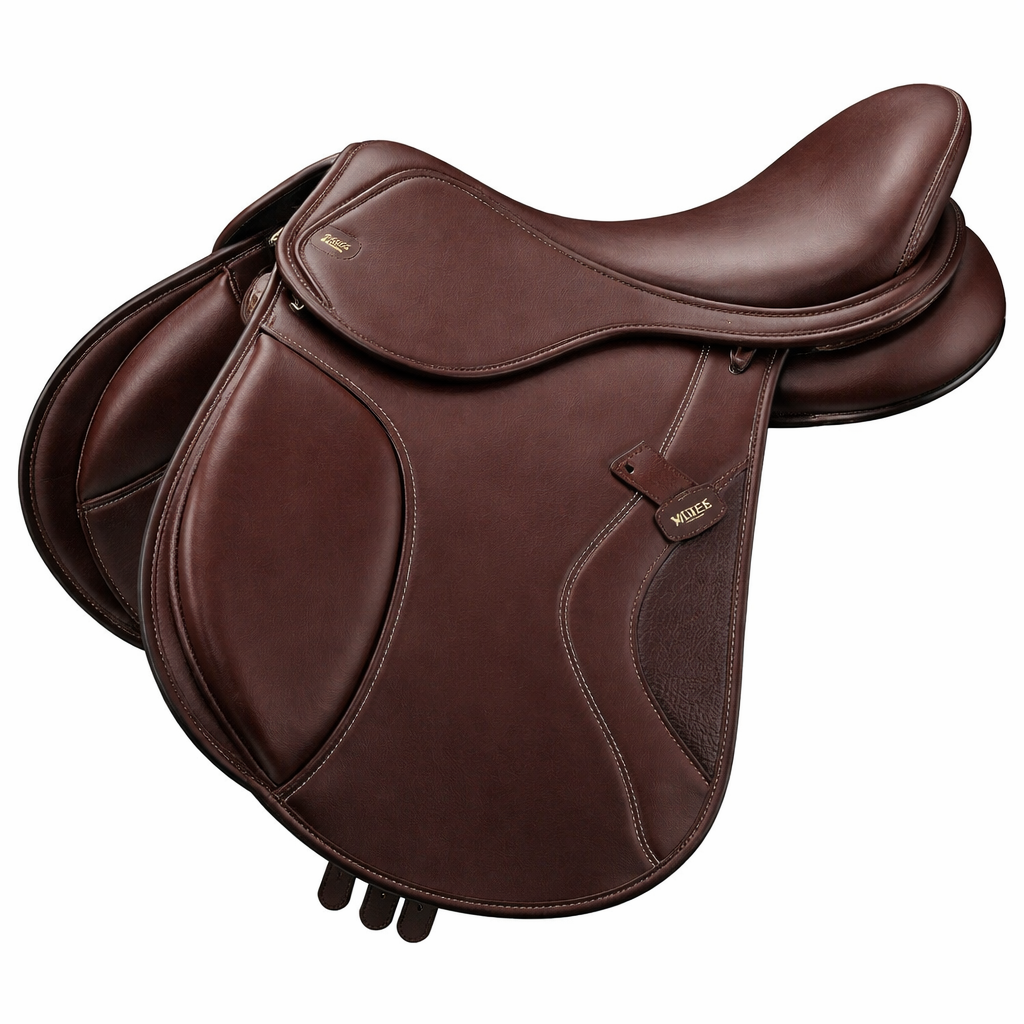
Arena WIDE Dressage Saddle with HART
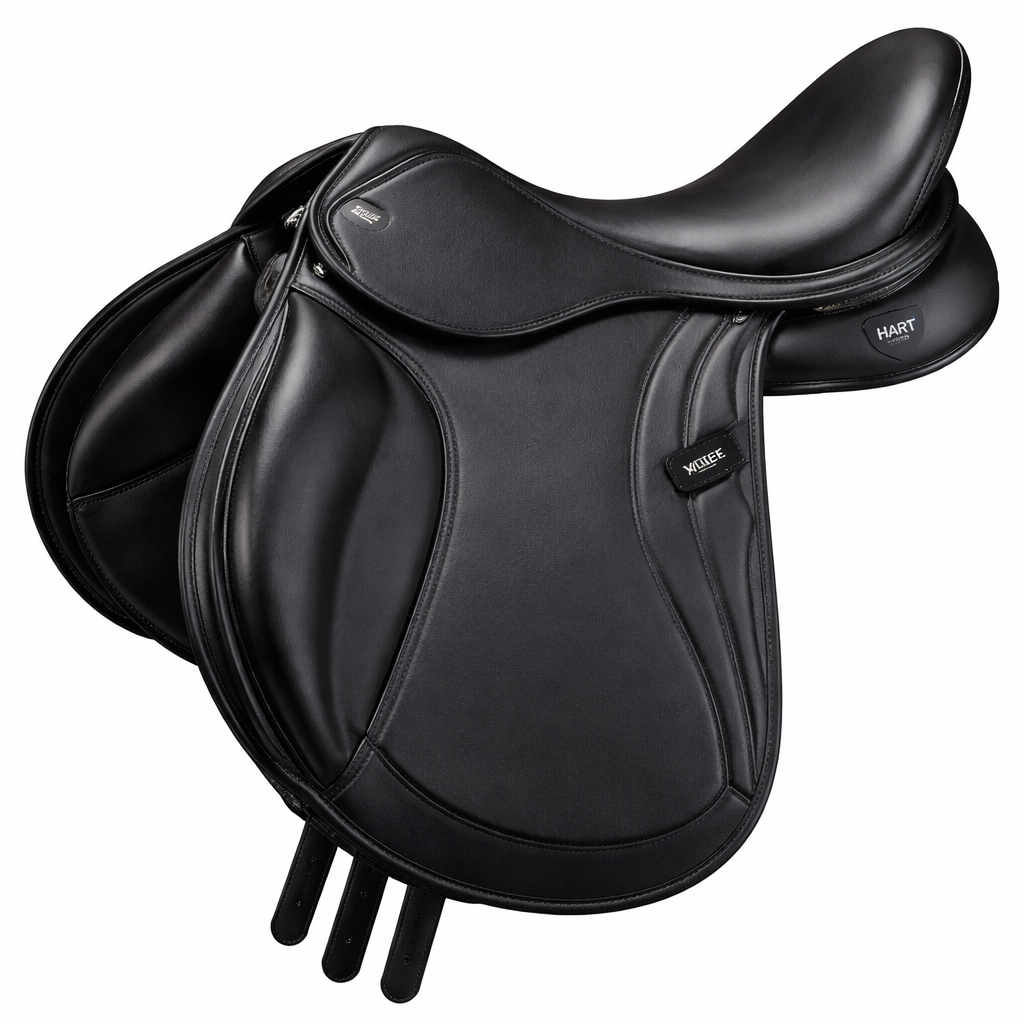
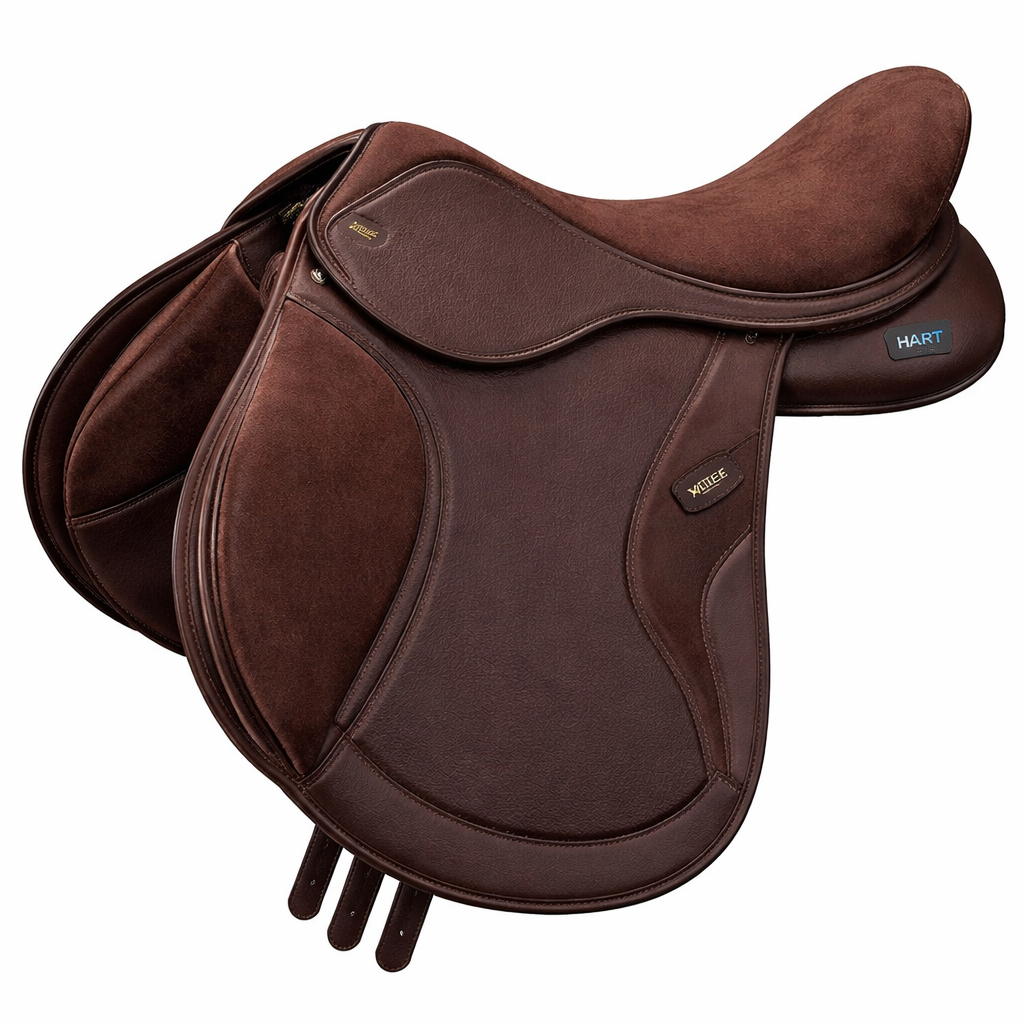
Wintec 2000 HART WIDE All Purpose Saddle
Wrapping up, fitting an English saddle to a draft horse isn’t just about picking the biggest option you see in the tack shop. By focusing on shape, tree style, panel layout, and an honest review of both horse and rider comfort, you can give your draft horse a positive riding experience every time you tack up.
Don’t skip working with experienced professionals, and watch closely for the subtle signs your horse sends. Proper fit is a partnership, and it’s well worth the extra effort to make sure that both you and your draft find your ride comfortable, safe, and rewarding.
Was this post helpful? If so, I’d love to hear your comments below!
Nice article, Shalisha! I recently found out that some of the horses I ride around Banff and the Rockies are actually draft or draft-type horses, especially the ones used for sleigh rides and heavier work like Percherons and similar heavy breeds you see around tours there. Curious, do you adjust your saddle choice or padding every time you switch between lighter breeds and heavy breeds like Percherons?
Hi Kevin.
Thanks so much for your comment and question. That sounds like a beautiful place to ride — Banff and the Rockies must be magical! For sure, when I switch between lighter-built horses and draft or draft-type breeds like Percherons, I do pay extra attention to saddle fit and padding. Even if the saddle is the same model, I’ll often adjust pads (or add a half-pad) to help with balance and comfort, and I always double-check clearance and pressure points. Every horse’s back is unique, so a quick fit check each time makes all the difference. Happy riding and stay warm out there!
Hello Shalisha!
This was such a helpful read — I never realized how specific saddle fit needs are for draft horses! The way you explained things made it feel so much less intimidating for someone like me who doesn’t have a ton of hands-on experience but wants what’s best for the horse. It’s clear that comfort and balance matter just as much (if not more) than brand names or looks, and your tips on how to assess width, tree shape, and panel spacing gave me a much better picture of what to pay attention to at a glance.
I do have a couple of questions as I think about all this: when you’re trying saddles on a draft horse, are there little instinctive signs the horse gives when it doesn’t fit right (like subtle shifts or odd steps)? And for riders who might switch between a draft and a lighter horse, do you find it’s worth having two saddles, or are there “middle ground” options that still work fairly well for both? Either way, this article definitely gave me a much stronger foundation to start from — thank you!
Angela M 🙂
Hi Angela.
Thank you so much for the kind words — I’m really glad the article helped make draft-horse saddle fit feel more approachable. You’re absolutely right that comfort and balance matter far more than labels or looks, especially with bigger-bodied horses.
To your questions: draft horses often give very quiet feedback when something isn’t quite right. Little things like hesitation in the first few steps, shortened stride, stiffness through the shoulders, or subtle weight-shifting when you mount can all be early clues that the saddle isn’t sitting comfortably.
Because drafts tend to be generous and tolerant, those small signs are especially important to notice.
As for switching between a draft and a lighter horse, most riders do find that two saddles work best long-term, since the back shape and width needs are usually quite different. Some adjustable or wider-tree options can feel like a temporary “middle ground,” but they rarely provide optimal comfort for both horses at the same time.
If riding both regularly, having a saddle suited to each horse usually leads to happier horses and an easier ride overall.
I’m so happy this gave you a stronger starting point and a clearer way to look at fit. Thanks again for reading and for sharing such thoughtful questions!