
Picking between a monoflap and a double flap saddle is a pretty big move for any rider, especially if you’re putting in a solid 3–5 days a week or stepping up your training.
The feel, feedback, and performance you get from your saddle can really change how confident you feel over fences or in the dressage court.
I’ll break down what you actually get with monoflap and double flap saddles, who each one suits best, and some honest thoughts on what to keep an eye out for, so you don’t end up regretting your next saddle purchase.
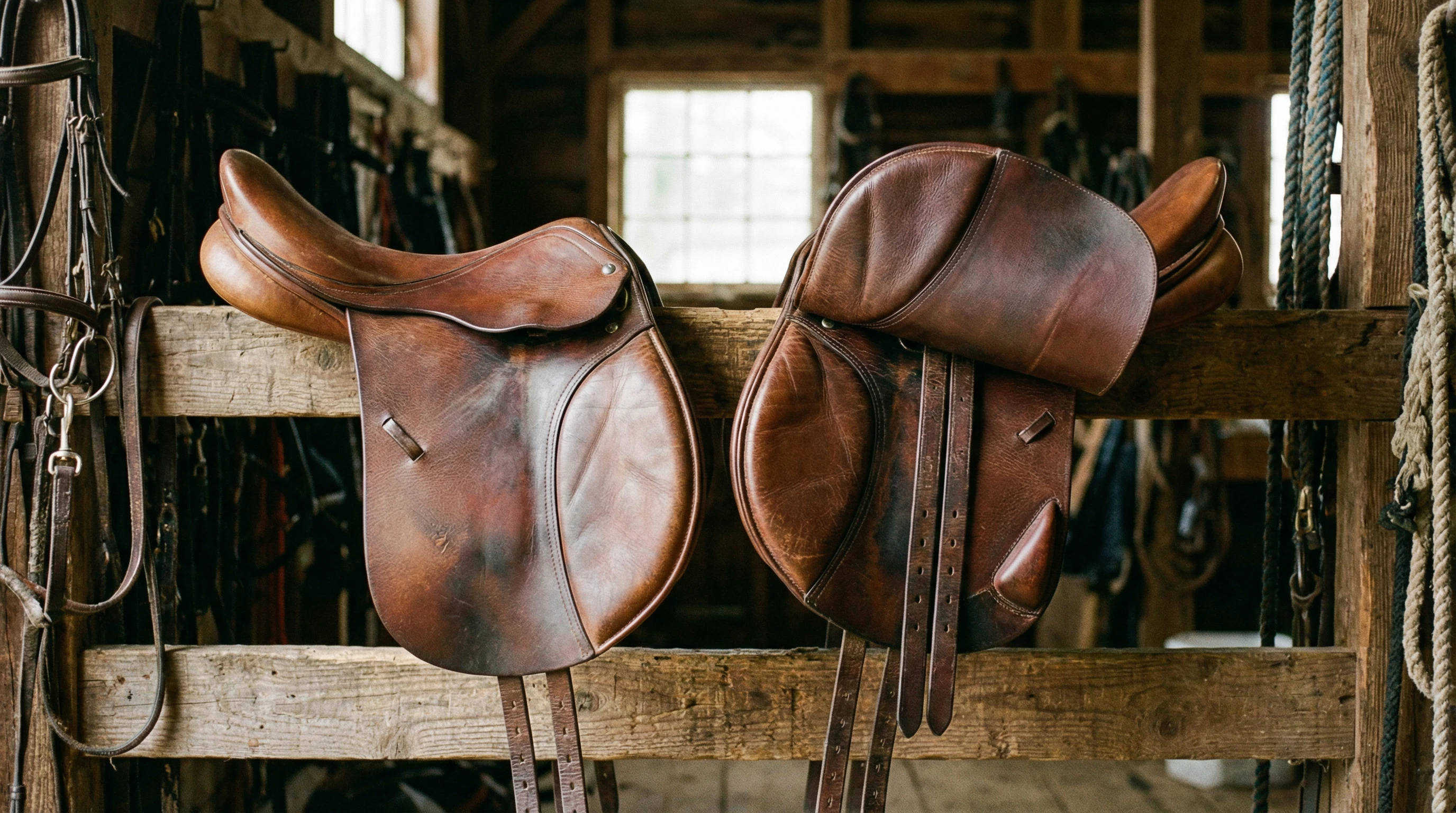
Monoflap vs. Double Flap Saddles: What’s the Difference?
A monoflap saddle has just one flap between you and your horse. The girth straps, or billets, attach right under that single flap, which means less bulk and closer contact.
Double flap saddles, on the other hand, have two layers: an outer flap and an inner sweat flap. The girth billets sit between these two layers. This design has been the go-to for years.
But monoflap is getting more popular, especially for eventers and serious dressage junkies.
That single layer with a monoflap puts your leg closer to your horse, so you may notice more precise communication. But you also lose a little padding. With the double flap, you get more traditional bulk and sometimes a wider range of fitting tweaks.
If you’re old school or just really like a certain feel, the double flap gives that, along with a bit more protection from girth buckles.
Who Benefits Most from a Monoflap Saddle?
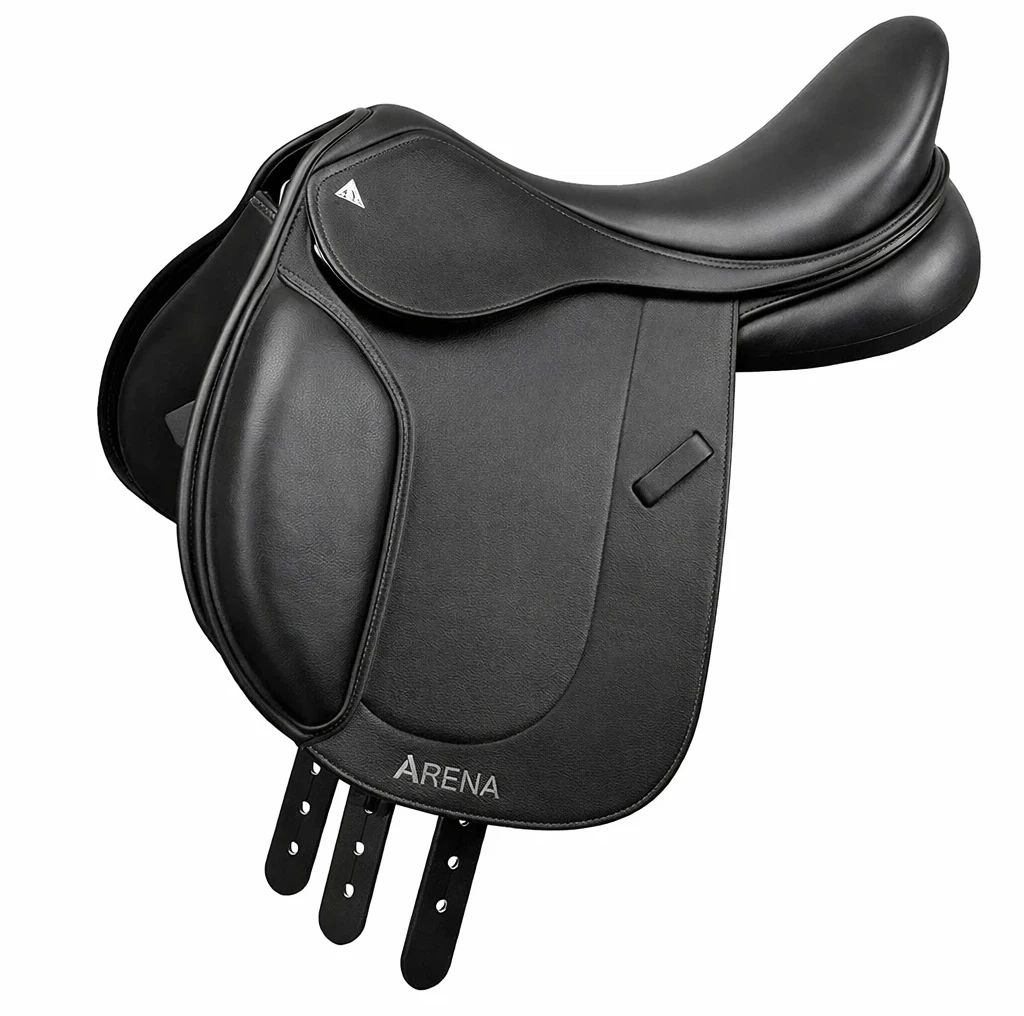
Monoflap saddles are designed with that close contact in mind. If you want to feel every subtle signal from your horse and get feedback instantly through your leg, this style is worth trying.
Riders moving up a level, either in lessons or the show ring, often appreciate how a monoflap can improve their cues and sensitivity.
- Eventers & Jumpers: These riders love the reduced bulk, especially when galloping cross country or adjusting positions quickly.
- Dressage Enthusiasts: Feeling the horse’s back and your own posture without extra layers in the way is handy for refining advanced work.
- Riders with Shorter Legs: Shorter riders often mention that monoflap saddles make it easier to get a longer, more secure leg position since there’s no extra bulk below the knee.
For riders saying, “I want a better feel, and I’m at the barn several days a week,” monoflap gives a really direct connection. That said, it may take some adjusting, especially if you’re used to the cushier coverage of a double flap saddle.
If you constantly tweak your position or work on seat and leg cues, that added seat-to-horse feel is hard to beat.
When a Double Flap Actually Makes More Sense
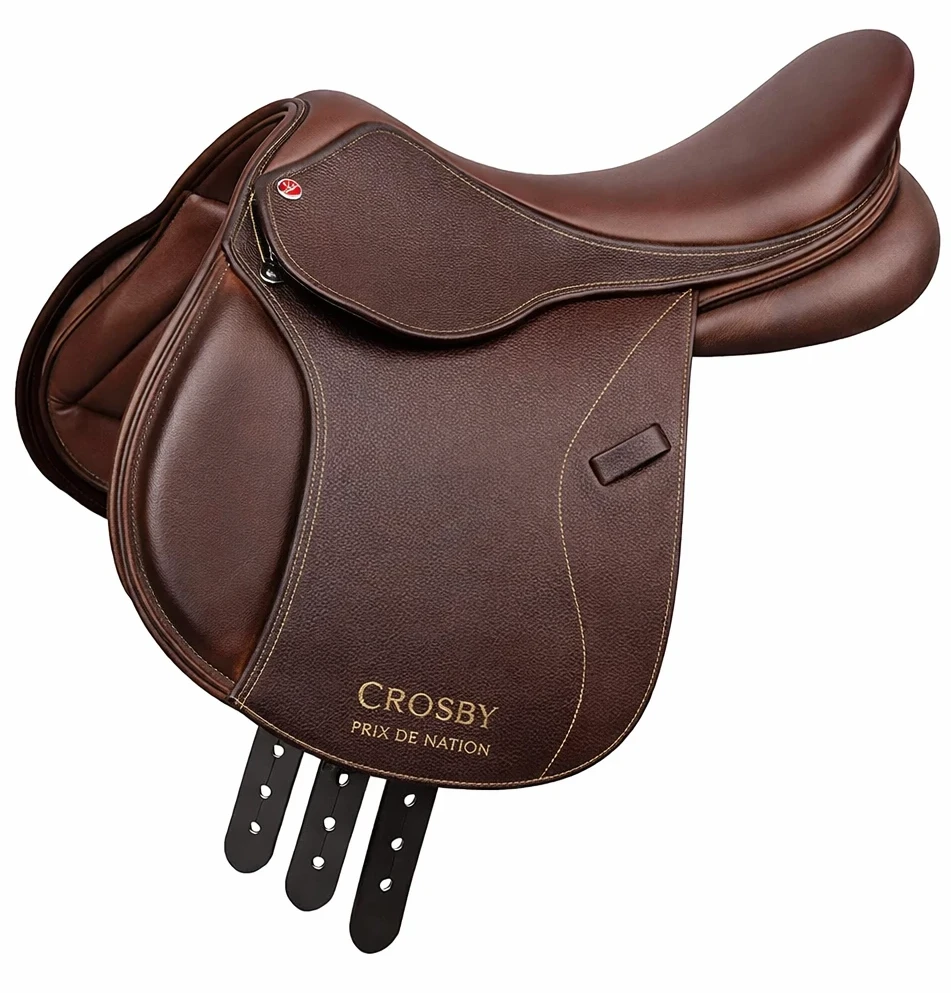
Double flap saddles still make a lot of sense for plenty of riders. They’re common for schools, some disciplines, and anyone who wants the comfort and familiarity of a more “classic” ride.
Double flap designs are super adjustable—great if you’re working with a horse who changes shape throughout the year or if you like to switch between horses.
- Extra Protection: The extra layer keeps the girth and buckles from rubbing or pinching, which is nice for both riders and horses who are sensitive to pressure.
- More Fitting Options: There are way more models and sizes in the double flap category, so you can usually get a closer fit for quirky horses or riders who want specific knee support.
- Traditionalists: If you grew up riding in double flap saddles, making the switch can feel odd. There’s nothing wrong with sticking to what works.
For those who are nervous about investing or are just starting to move up in lessons, double flap saddles tend to be a safer pick. You’ll find more of them secondhand, and they’re a go-to in lesson programs or shared barns; mainly because they hold up well and are easier for multiple riders to feel comfortable in.
Dressage Riders: What To Prioritize
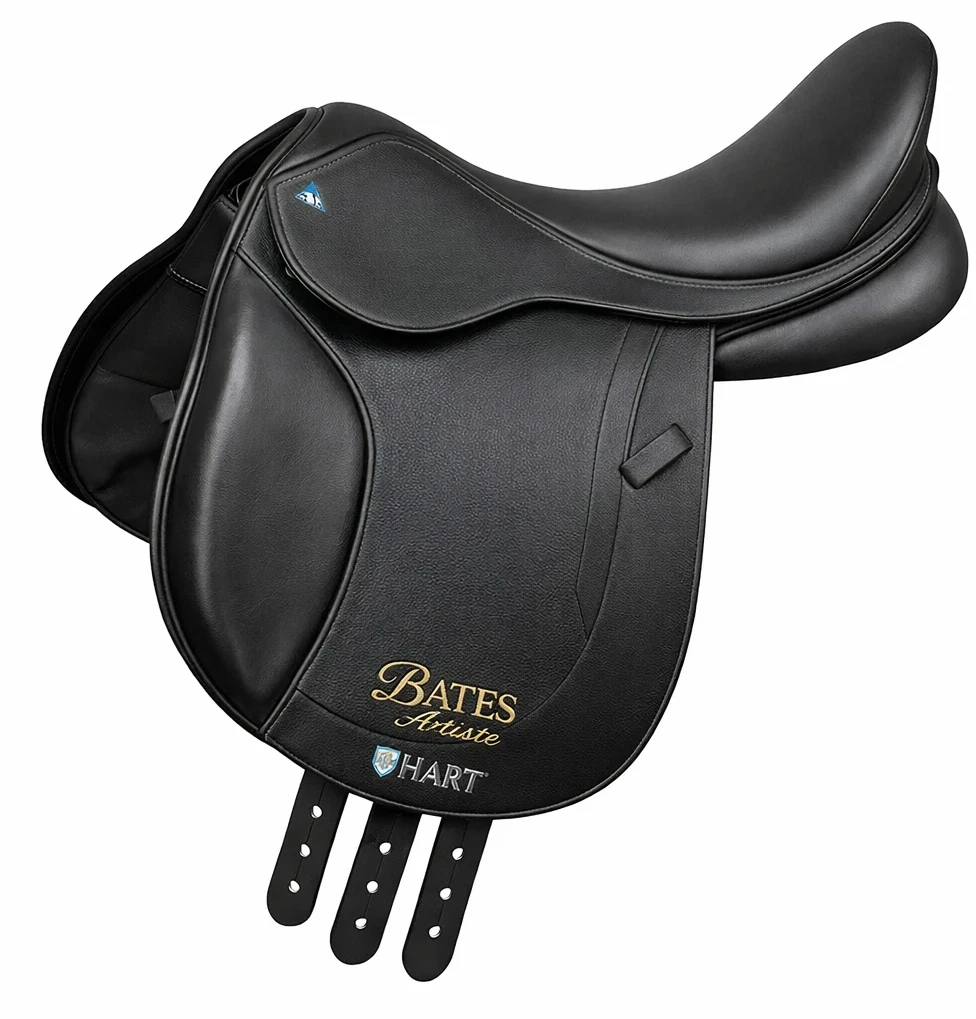
Dressage riders chase subtlety. If that’s you, think about what helps you sit deeper and wrap your leg around your horse.
Monoflap saddles shave down the layers between your leg and the horse, making half-halts, transitions, and even seat corrections more obvious to your horse.
They’re designed to keep your leg still and connected, which can help riders who want to develop solid basics and build confidence at the next level.
If you’re showing or taking lessons with dressage specialists, monoflap might give you a slight edge when it comes to communication. But it’s not the only route: many riders stay happy and competitive for years in a well-fitted double flap, especially if it has a supportive knee roll and isn’t too bulky.
Don’t underestimate saddle fit for both your horse’s shape and your own. Even if monoflap sounds appealing, a double flap may actually sit better and free up your horse’s shoulders, or vice versa.
Trying both is honestly the way to go, and chatting with your trainer or a saddle fitter can help you spot what truly moves you forward in your riding goals.
Jump Riders: What To Prioritize
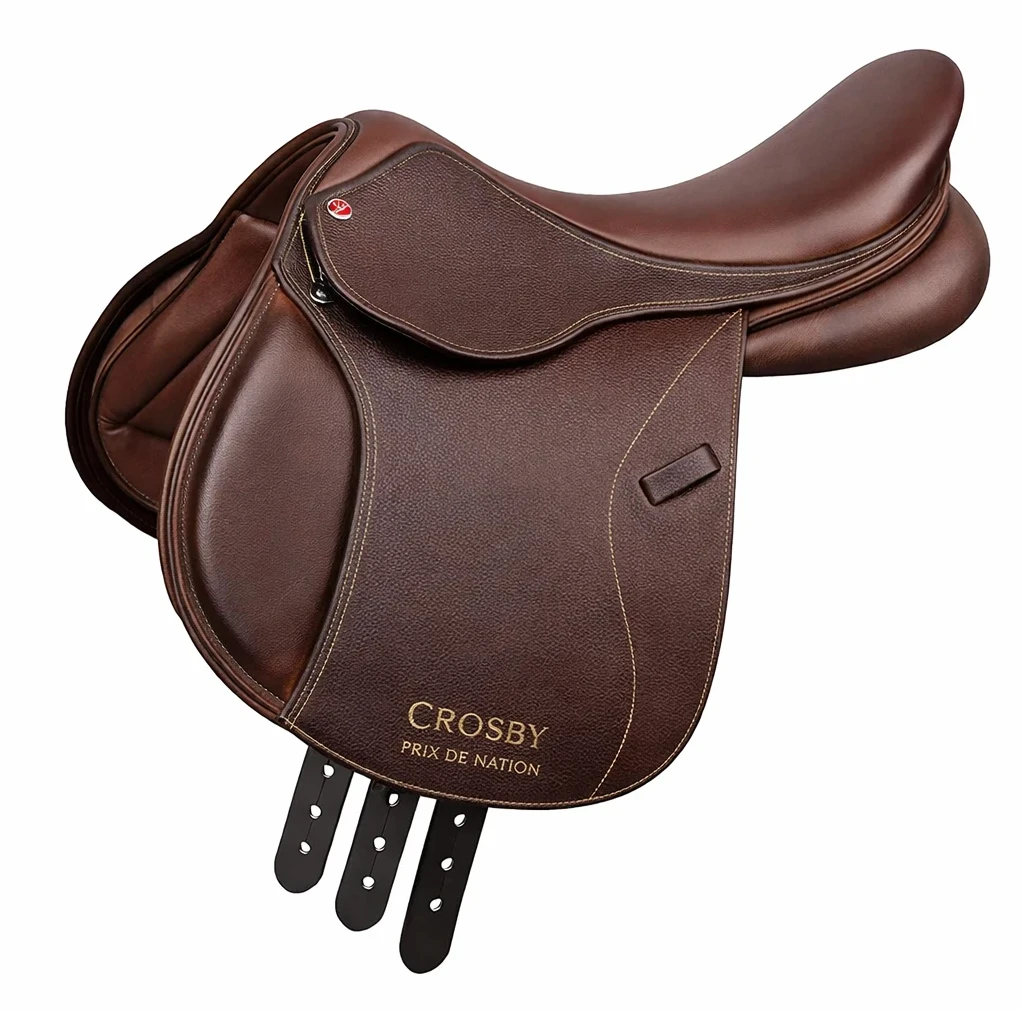
In jump or event saddles, monoflap construction has loads of fans, especially for the lightweight, close contact feel on cross country day. If you’re all about quick adjustments and want to tune your position as you ride (two point, half seat, sitting tall), that one layer build can be a game changer.
For horses that bulk up on muscle, the easy girth access on a monoflap also makes last minute changes less of a hassle. Some advanced jumpers feel that direct contact helps when schooling grids and tight turns, giving immediate feedback on how the horse is going.
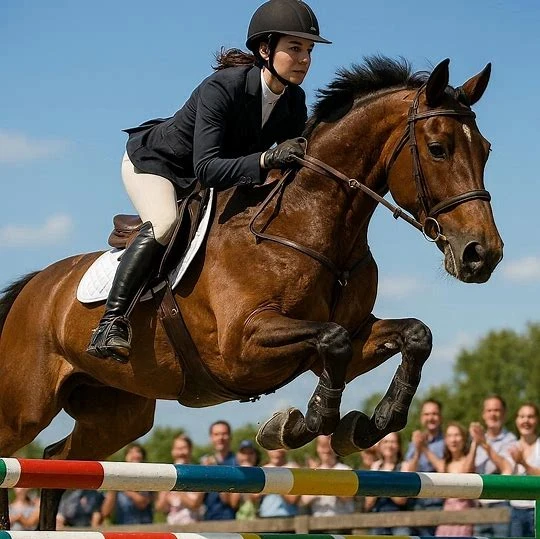
Double flap saddles have always been the bread and butter for trainers and lesson programs. They usually offer deeper knee blocks and wider choices in flap shapes and lengths.
If you’re trying to figure out exactly what lets you feel secure over different types of jumps, demoing both is the fastest way to sort out what feels best. If you’re riding horses with different builds, the adjustability of double flap models can give a boost for multi-horse riders or trainers.
It’s worth checking if saddle rules in your discipline favor one style. Some hunter/jumper classes still have a “classic look” preference that leans double flap, while eventing is all about function and what lets you ride best.
Check with your coach or trainer if you’re unsure; a knowledgeable second opinion can lock in your confidence when picking between the two.
Common Beginner Misconceptions
- Monoflap is Only for Pros: The close contact feel can benefit riders at all levels, as long as the saddle fits properly and feels comfortable through your ride.
- Double Flap is Outdated: Loads of top riders still compete and train in double flap saddles. The best saddle is the one that supports you and your horse comfortably.
- One Style is Always More Expensive: Both types span a wide price range, especially on the used market. Factors like brand, quality, and condition usually affect price more than the flap configuration itself.
Some riders also think the lighter weight of monoflap will magically bring up their results. While lighter gear is nice, true improvements come from comfort, fit, and solid basics with your horse.
A well-fitted saddle of either type is always a better investment than just chasing trends.
Cost vs. Performance Trade-Offs
Saddle budgets are real. Monoflap saddles tend to run more expensive, especially new, because they target serious amateurs and competitors. Double flap saddles have more entry level options and are everywhere on the secondhand market, letting you compare styles without spending as much right away.
Monoflap usually shines on fine-tuned horses and riders who already know what they’re after, but anyone can improve with a well-fitted double flap.
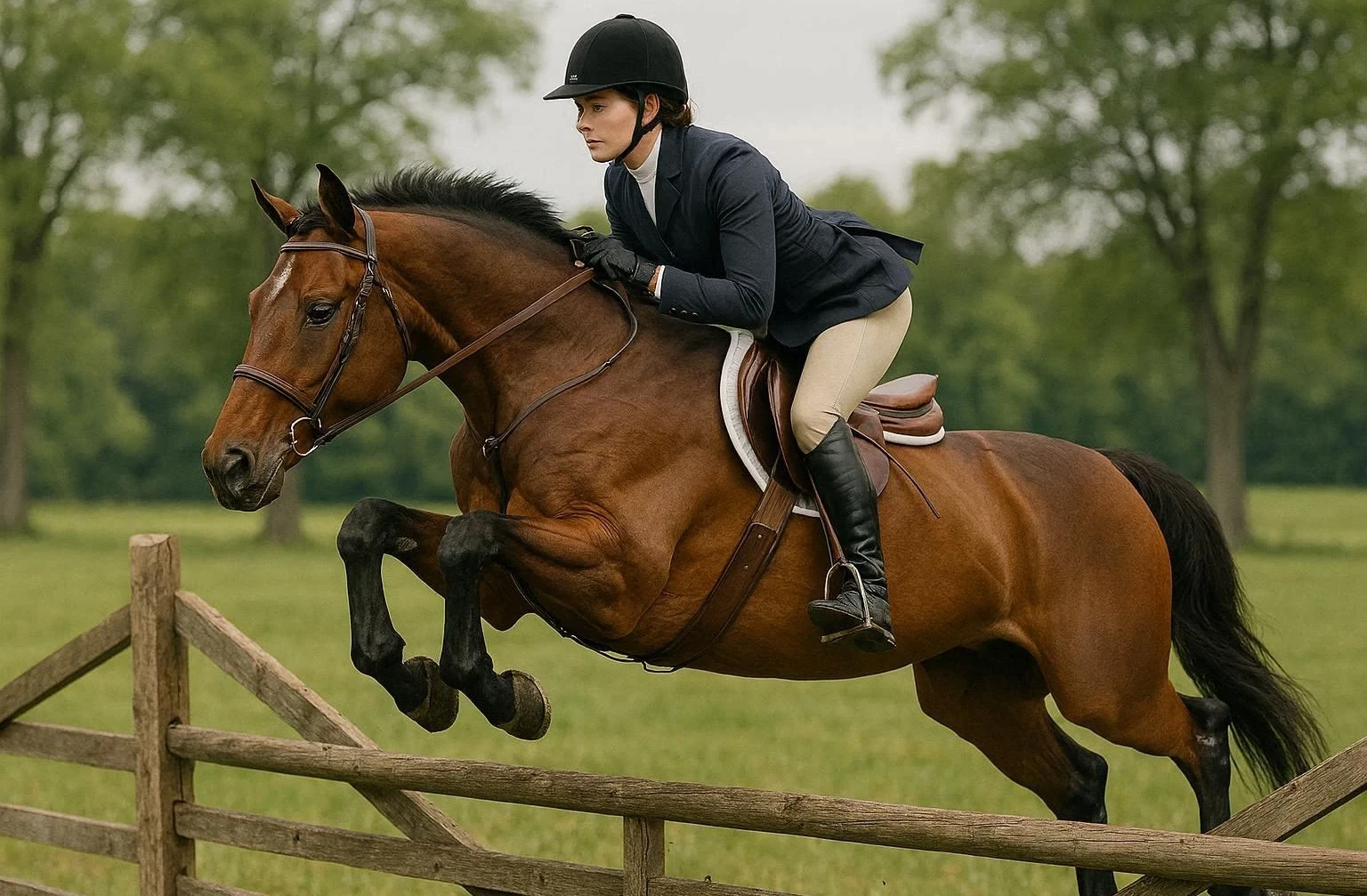
If you ride different horses or are not sure what your long-term riding needs are, opting for versatility with a double flap can save you time and money.
If you’re worried about buying the “wrong” saddle again, take your time to demo or borrow both styles on your own horse. Bringing your instructor or a fitter with you, even for one ride, helps you notice things you might miss on your own.
Happy horses, and confident riders, usually care more about fit and feel than style, and taking the extra moment to test out options can make all the difference in the long run.
Frequently Asked Questions
Does the flap style affect saddle fit for my horse?
Both monoflap and double flap designs will fit your horse if the tree and panels match your horse’s shape. The flap configuration mostly affects your leg position and how you communicate with your horse. Always doublecheck spine clearance, weight distribution, and balance no matter the style.
I ride multiple times a week—does that make a difference?
If you ride a lot, noticing little differences in comfort and balance can add up. Monoflaps sometimes feel more direct across long rides, but durability, maintenance, and fit matter more for heavy use than whether you have one flap or two.
Pay special attention to how the saddle holds up and whether your horse’s sweat marks look even after each ride.
How do I know I’ve picked the right one?
You should feel stable and secure, and your horse should move freely with ears up and a swinging back. If you notice pinching, resistance, or your own position slipping all the time, it’s probably not the best match.
Test riding and small adjustments often help before locking down your final choice. Trust your coach or experienced friends for extra feedback too.
Takeaways for Riders Upgrading Their Saddle
Choosing between a monoflap and a double flap comes down to what helps you ride your best.
Riders making the jump (literally or figuratively) to more serious lessons or competition get a lot out of a saddle that truly suits their own priorities, whether it’s more leg stability, better feel, or something that keeps their horse the happiest.
Careful research, honest test riding, and keeping fit first gets you a saddle that helps you and your horse grow together. In the end, confidence comes from riding in something that fits your horse, fits you, and makes you excited to get in the saddle every day. Happy riding!
Was this post helpful? If so, I’d love to hear your comments below. You might also find my post titled, “Dressage Saddle Comparison” very helpful. My ressage saddle comparison guide will help you evaluate saddle fit, seat depth, tree type, panel design, and price so they can choose a saddle that supports correct position while keeping the horse comfortable and balanced. I also discuss Monoflap vs. Double Flap.
This is a really clear, practical breakdown of monoflap versus double flap saddles, especially for riders who are training consistently and thinking about upgrading. I appreciate how you focus on real riding feel and communication rather than trends or hype. The way you explain leg contact, adjustability, and discipline-specific needs makes it easy to understand why one style might suit a rider better than another. I also like that you emphasize saddle fit and demoing options over assuming one design is automatically “better.” The sections addressing common misconceptions and cost considerations are especially helpful for riders who feel pressure to choose what looks advanced. Overall, this post feels honest, experience based, and genuinely supportive of riders making a thoughtful, long term decision for both themselves and their horses.
Hi Andre.
Thank you so much for this thoughtful feedback!
I’m really glad the focus on feel, fit, and function came through – that’s exactly what I hoped to emphasize over trends or “advanced-looking” gear. Saddle choices should support the rider-horse partnership, not pressure anyone into a design that doesn’t truly suit their needs.
I appreciate you taking the time to share such a supportive and encouraging response!
Hello Shalisha!
Thank you for breaking this topic down so clearly — I found this article really helpful even though I’m pretty new to saddle terminology. I always assumed saddles were just saddles, but your explanation of monoflap vs double flap opened my eyes to how much the design can affect both the rider’s feel and the horse’s comfort. The way you described the practical differences made it easier to understand what each style actually does rather than just reading a list of features.
I especially liked your point about monoflap saddles feeling closer and more connected, and how that can benefit riders who want more direct contact. At the same time, your explanation of how double flaps can offer more support and protection for certain disciplines made me realize that neither option is “better” universally — it really depends on the individual rider and horse. It reminded me that comfort and performance are personal, not one-size-fits-all.
A couple of questions came up as I read: for someone who’s trying to decide without a trainer present, are there specific sensations or feedback cues to pay attention to when trying each saddle that tip you off right away? And do you find one style tends to be more forgiving for riders who are still developing balance and seat strength? Thanks again — this gave me much more confidence in understanding the choices!
Angela M 🙂
Hi Angela.
Hi! Thank you so much for the thoughtful comment—I’m really glad the breakdown helped make the differences clearer, especially if you’re newer to saddle terminology
Those are great questions. When trying saddles on your own, I usually suggest paying attention to how stable you feel through your leg and seat, whether you feel balanced without effort, and how freely the horse moves underneath you. In general, many developing riders find double-flap saddles a bit more forgiving and supportive, while monoflaps tend to reward a more established, independent seat.
I’m so happy the article gave you more confidence—thanks again for taking the time to share your experience!