
Picking out a dressage saddle that works for both you and your horse can feel like a puzzle, especially when you’re just getting started. With so many options in the mix—different makes, sizes, styles, and fitting methods—it’s easy to get a little lost. Here’s my take on what you should know when looking for a dressage saddle and how it can give a boost to your riding experience.
What is a Dressage English Saddle?
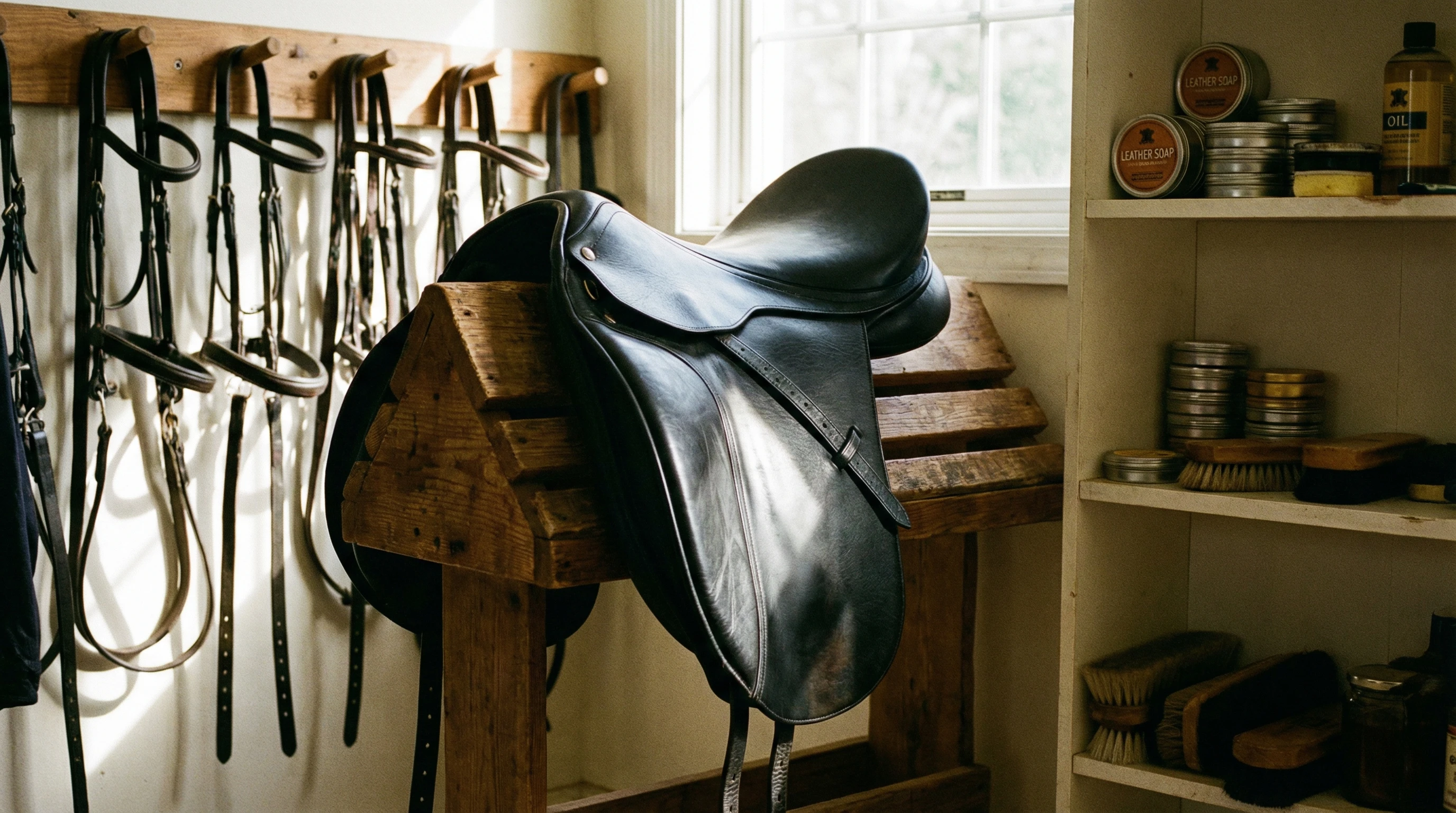
A dressage saddle is designed to help both horse and rider maintain the right position while working through precise flatwork movements. Compared to jumping or general allpurpose saddles, a dressage saddle is easy to spot with its straight, long flaps and deep seat.
The structure encourages the rider to sit deeper and longer in the saddle with legs hanging almost vertical against the horse’s sides.
The panels, the padded sections underneath, distribute the rider’s weight evenly to keep the horse comfortable. The stirrup bars are placed slightly farther back, which helps riders drop their legs into the classic dressage line from shoulder, hip, to heel.
Most dressage saddles have higher cantles (the raised rear part) and pronounced knee blocks, offering stability. These parts might look subtle, but they totally change the feel of your position and the way you can communicate with your horse.
In addition, dressage saddles are crafted from quality leather, often with minimal stitching lines for a sleek look. Various brands offer options with removable or adjustable blocks, letting you customize the support to fit your unique body shape or preference. This customization is especially handy for riders with asymmetries or special fitting needs.
How a Dressage Saddle Affects Posture
Riding posture is everything in dressage. Think balance, stillness, and being able to give tiny, accurate cues. A good dressage saddle makes keeping the right posture much easier. Because the flaps are longer and less forward than a jumping saddle, your hip opens up, and your leg naturally lengthens at the horse’s side.
The deep seat offers a bit of support without forcing you into a stiff position, so you can move with your horse’s movement.
Well-placed knee or thigh blocks “remind” you where your knees should go, helping you anchor your leg and avoid tipping forward or gripping too much with your knees—the sorts of habits that can throw off your balance and make riding harder for your horse.
A dressage saddle’s design means you’re sitting close to the horse’s center of gravity. Not only does this help keep you steady, it also improves your ability to apply precise aids (subtle cues for communicating with your horse during complex movements).
With improved posture facilitated by the saddle’s thoughtful design, you may notice your shoulders stay relaxed, and your lower back doesn’t ache after long rides. Even small, routine exercises, like transitions between walk and trot, will feel smoother and easier to manage when your body is lined up and properly supported.
This little adjustment goes a long way in progressing your skills and aiding your horse’s training.
Posture Improvement Techniques for Dressage
Having the right saddle is great, but improving your posture is an ongoing process. Here are some practical posture tips that work hand in hand with a dressage saddle:
- Check in with your seat: Try to sit with equal weight on both seat bones. Wiggle back and forth gently to make sure you’re not shifted to one side.
- Relax your legs: Let your legs drape softly around the horse. Imagine your knees and ankles dropping downward instead of gripping or holding on tightly.
- Keep your spine tall: Think of a straight line from your ear, shoulder, hip, to heel when you’re on your horse. It helps to imagine a string pulling the top of your helmet gently upward.
- Use mirrors and video feedback: If you can, ride in an arena with mirrors or have someone film your ride. This feedback is really helpful for spotting crookedness or stiffness.
- Work without stirrups: Short sessions riding without stirrups can help you find a deep, balanced seat, as long as you keep it short and don’t strain yourself.
- Get help from a coach: A second pair of eyes (especially from a dressage instructor) can spot habits you might not notice, for example, collapsing a hip or tensing your shoulders.
Posture work is a bit like tuning an instrument; regular, tiny adjustments matter. A dressage saddle gives you the chance to work on this every ride.
Another effective technique is to add some core strengthening exercises outside the saddle. Pilates or yoga can improve your ability to hold a tall, relaxed frame without gripping. Even daily stretches before riding can loosen up hip flexors, making it easier to sit deep and stay supple.
Over time, your saddle and workout routine will work together to set you up for dressage success.
Dressage Saddle Fitting Techniques

Fit absolutely matters, literally for both you and your horse. An improperly fitted saddle can pinch, rub, or cause soreness, and you’ll end up fighting to sit in the right spot. Here’s how to tell if a dressage saddle fits well:
- Tree width and shape: The internal frame (tree) needs to match your horse’s shape, especially over the withers and back. The saddle should rest evenly and not bridge (lift up at the middle) or rock.
- Panel contact: Run your hand under the saddle when it’s girthed up and placed (without pad) on your horse; there shouldn’t be hard pressure points or space between horse and panel, especially in the middle.
- Wither clearance: There should be enough clearance to fit at least two to three fingers between the top of the withers and the underside of the pommel (the saddle’s front).
- Balance: The deepest part of the seat should be roughly in the middle of the saddle. If it feels like you’re sliding forward or backward, the balance isn’t right.
- Length: The saddle shouldn’t extend past the last rib of your horse (about where the hair goes from longer to shorter). A saddle that’s too long can cause a sore back.
- Fitting for you: The seat size needs to fit your hip width and thigh length so you can sit comfortably. You want enough room without getting pushed too far forward or too far back.
If you’re not sure about fit, saddle fitters are super useful. They can check both you and your horse and make small adjustments or suggestions for brands and models. Getting a professional opinion is worth it because it saves money and time in the long run by avoiding soreness or costly problems.
Also, remember that saddle fit can evolve as your horse gains muscle or weight. Some riders keep a notebook of fitting dates and changes to spot patterns and plan routine checkups. Whether your saddle has wool flocking (which can be reshaped) or foam panels (which are more set), keeping an eye on the fit each season makes a big difference for your horse’s comfort and health.
Benefits of a Dressage Saddle
Riding in a well-chosen dressage saddle comes with a bunch of perks that go way beyond just looking sharp in the competition arena. Here are some of the main benefits I’ve noticed, both for me and for other riders:
- Boosted comfort for you and your horse: Wellfitted dressage saddles distribute your weight evenly, so your horse can move freely and with less risk of sore spots or muscle restriction.
- Helps with position: A dressage saddle helps you find the correct, balanced position and supports you in staying steady, especially when you’re learning harder movements or developing your seat.
- Clearer aids: You’ll notice it’s easier to communicate with subtle seat and leg cues thanks to the saddle’s close-contact feel. That means softer, more effective riding.
- Encourages better movement: Horses tend to swing through their back better when they aren’t restricted, and the right saddle helps them loosen up and use themselves.
- Built to last: Dressage saddles are built robustly with quality leather and craftsmanship, meaning a good one will last for years with the right care.
Plenty of riders (including me) have seen that upgrading their saddle can turn struggles with posture or connection into steady progress and better rides. It’s a purchase that pays off over time when it comes to your comfort, your horse’s happiness, and your overall experience whether you ride for fun or competition.
Another overlooked benefit is the sense of confidence a supportive saddle gives new riders. When your seat is secure and balanced, you can practice new movements or transitions with less worry about slipping or shifting. This confidence can help you focus on the finer points of dressage instead of just staying in place.
Frequently Asked Questions About Dressage Saddles
Here are some common questions I hear from folks new to dressage saddles:
How do I know what size dressage saddle to pick?
Seat size depends mostly on your hip and thigh length. Most adults need something between 16.5 and 18 inches. If you’re tall or have a long upper leg, a larger seat and longer flap might work better for you. Sitting in a few different saddles is the fastest way to get a feel for what fits.
Should I buy new or used?
Either is fine as long as the saddle fits you and your horse. Used saddles are budget friendly and broken in, while new saddles might be easier to customize and come with a warranty. Just always check for any structural damage if buying used.
What if my horse changes shape?
Horses’ backs can change with age, training, or season. Some modern saddles have adjustable gullets or flocking, making it easier to tweak the fit as your horse develops.
Can I use my dressage saddle for trail riding?
Absolutely, if it fits comfortably for both you and your horse. A dressage saddle’s deep seat and secure feel can be nice for the trails, though it’s less versatile than some allpurpose saddles for jumping or more active riding.
Can a dressage saddle work for riders with back pain?
Many riders find the deep seat and balanced design of a dressage saddle helps distribute pressure more evenly. However, always consult with a professional and possibly a physical therapist to make sure a specific saddle style supports your individual needs.
Real-World Value of a Good Dressage Saddle
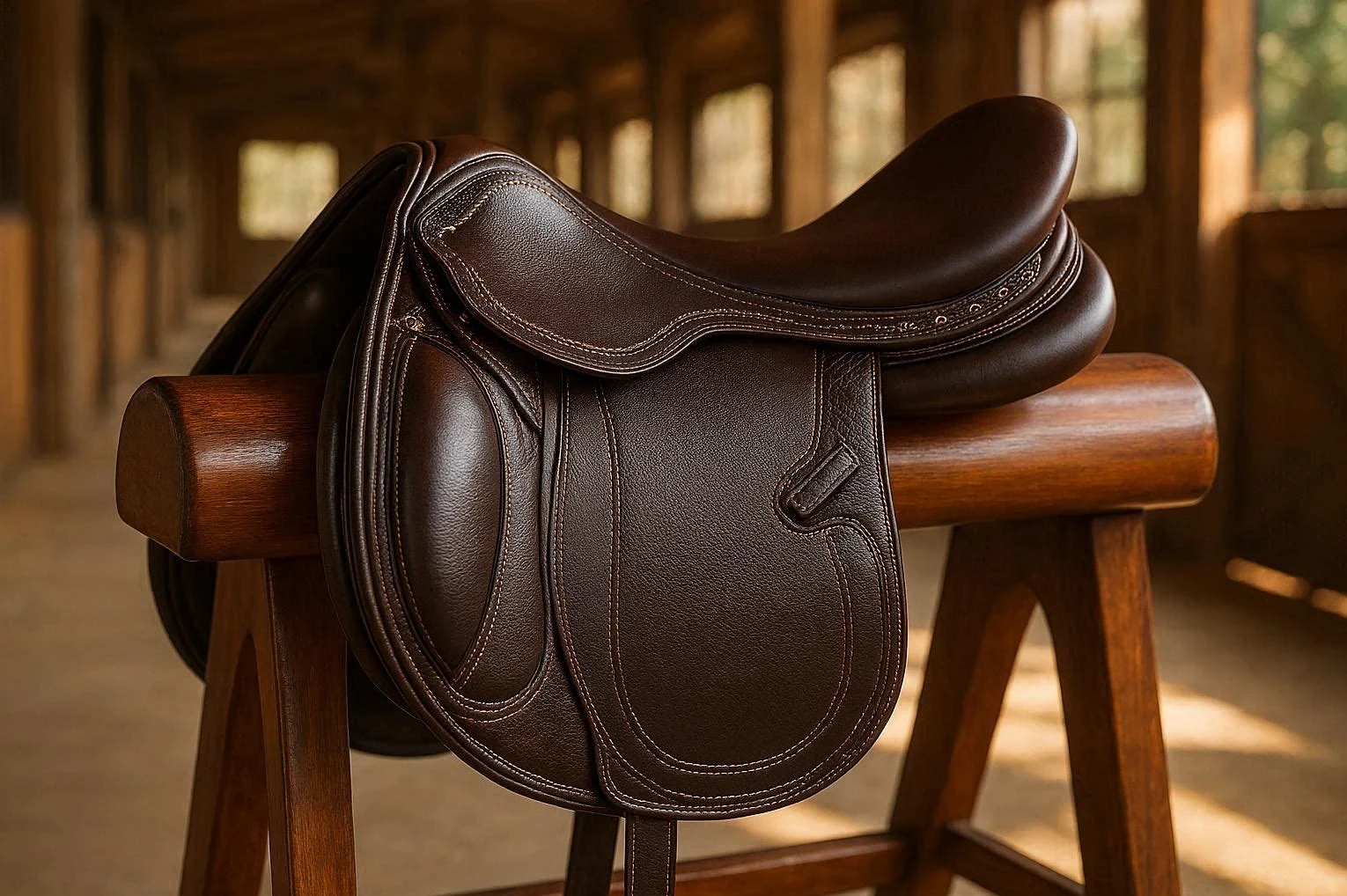
Once I upgraded to a wellfitted dressage saddle, my horse started swinging through his back and stepping up under himself way more freely. Friends of mine report fewer back issues and way less struggle with seat stability. Even folks riding at lower levels or just for pleasure find that a great saddle means more enjoyable, relaxed riding sessions; plus, it just feels good to sit in the right spot every time you get on.
If you ride with a club, take lessons, or show in dressage, investing in a saddle that’s built for connection and comfort is really important. It helps create harmony along with boosting results over time, and makes every ride just a bit more enjoyable for both of you.
Wrapping up, finding the right dressage saddle opens the door to progress for both horse and rider. Every thoughtfully chosen feature—from flap length to support blocks—plays a part in ensuring miles of confident, comfortable rides.
Whether you’re aiming for competition, personal improvement, or simply loving your rides together, take the time to track down a saddle that fits you both. You’ll notice the difference in the very first stride.
Did you find this post helpful? If so, I’d love to hear your comments or questions below! You might also find my post helpful titled, “How to Choose the Right Dressage Saddle for My Child.”
This was such a thorough and helpful breakdown on choosing a dressage saddle! You explained not only what makes a dressage saddle unique, but why those features matter so much for both horse and rider. I especially liked your emphasis on posture—so many riders don’t realize how much the right saddle can support balance, alignment, and clear communication. Your tips on checking tree width, panel contact, and saddle balance were spot-on, and the reminder that horses change shape over time is something riders often overlook.
I also appreciate how you tied in rider-focused advice like using mirrors, video feedback, and core strengthening. It really highlights that saddle fit and rider biomechanics go hand in hand. The benefits you listed—improved comfort, clearer aids, and better movement—perfectly capture why a well-fitted dressage saddle is such a worthwhile investment.
Overall, this post makes the saddle-shopping process feel much less overwhelming. Thanks for sharing such practical, confidence-boosting guidance!
Hi Andre! Thanks for your feedback. I’m glad my post was helpful to you. That is my goal – to help. Please stop by again. If you have any questions, let me know, and I’ll do my best to help you out.
I really enjoyed reading your guide on how to choose a dressage saddle — you break down the important points (seat depth, flap shape, leg position, balance) in a really accessible way. I appreciate that you emphasize saddle fit for both rider and horse, especially checking tree width, panel contact, and wither clearance. Your explanation of how a proper saddle can improve posture and communication with the horse is very clear. I’m curious — for riders whose horse’s shape changes with muscle development or age, do you find adjustable‑gullet saddles generally perform better than fixed ones, or is there a trade‑off in comfort or longevity when using adjustable saddles?
Hi Hanna. Thanks for stopping by and posting your question. Short answer: yes — for many riders an adjustable-gullet saddle is more practical when a horse’s shape is changing, but there are trade-offs. A good adjustable system can save money, time, and stress; a poor one can create fit problems, extra maintenance, or less durability than a well-made fixed-tree saddle.
Choose adjustable if: 1) Your horse is young, growing, injured/rehabbing, or changes condition frequently. 2) You’re buying for a child who will grow through sizes. 3) You manage multiple horses with different shoulders/back shapes and want one saddle to cover several within reason.
Choose fixed (well-fitted) if: 1) The horse is mature and has a stable back shape. 2) You can afford a custom or professionally fitted fixed tree that perfectly matches the horse — this usually gives the best long-term comfort and performance.
I hope this helps!