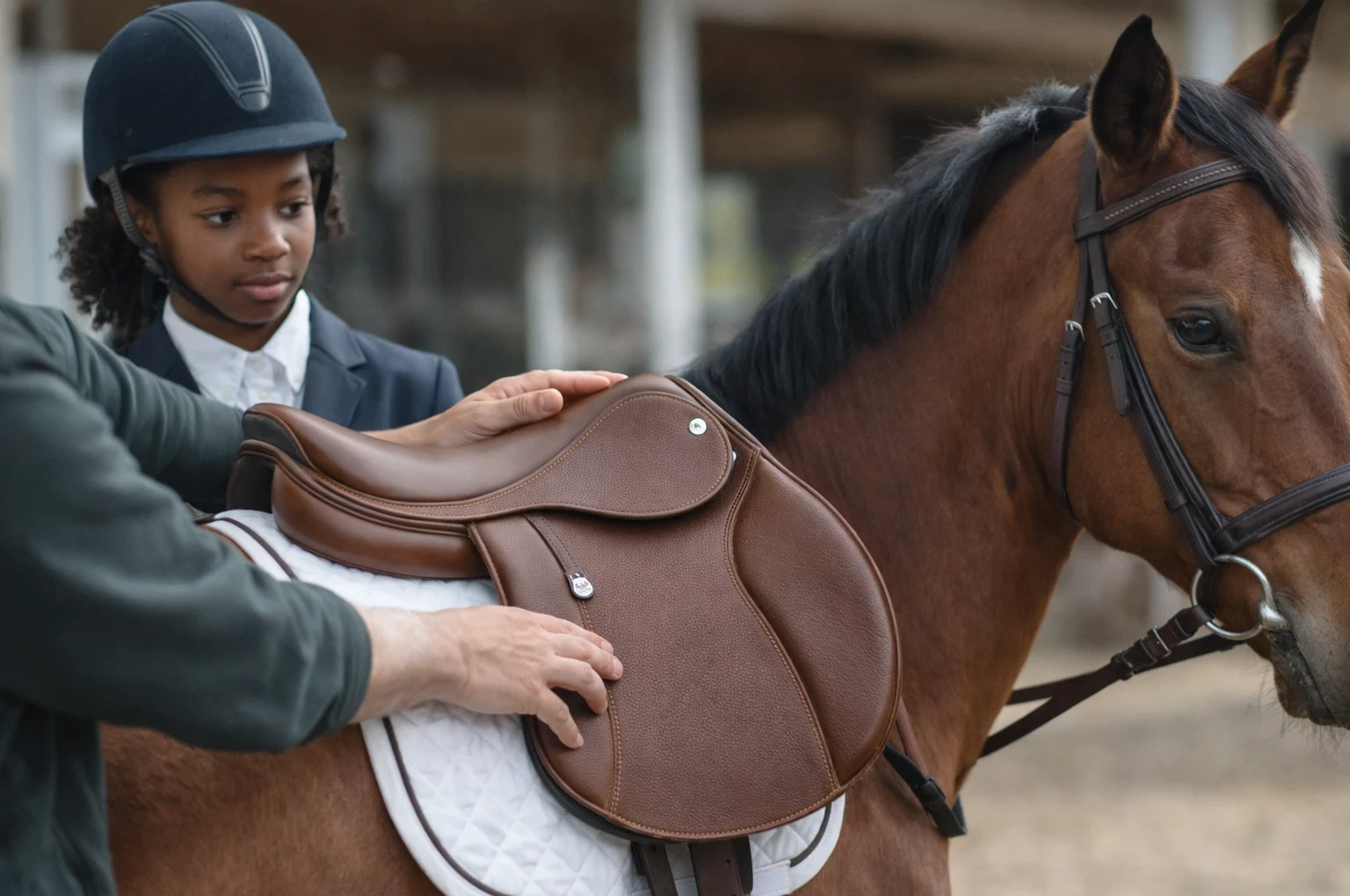
Choosing the right jumping saddle for a pony and a growing rider can feel overwhelming — especially when safety, fit, and budget are all on the line. The Bates Elevation Pony Jump Saddle is a popular choice among parents and trainers because it’s designed specifically for smaller riders and ponies, but choosing the right size and configuration is key to getting the most out of it.
This guide walks you through how to choose a Bates Elevation Pony Jump Saddle with confidence — from seat size and rider balance to pony fit and adjustability — so you can avoid common mistakes and invest in a saddle that supports both performance and comfort. If you’re still getting familiar with the basics, you may find it helpful to start with our beginner’s guide to choosing a pony saddle before narrowing down specific models.
Affiliate Disclosure: This article contains affiliate links. If you choose to purchase through one of these links, CharmingCanters.com may earn a small commission at no additional cost to you. These links help support the time and research that goes into creating trusted, rider-focused guides.
Who the Bates Elevation Pony Jump Saddle Is Designed For
This saddle is made specifically for youth riders or smaller adults who ride ponies and are focused on jumping disciplines. If your kid spends time in the hunter, jumper, or even pony equitation rings, this saddle is set up to support those goals.
Pony Jumping Saddle vs Standard Jumping Saddle
If you’re comparing pony-specific saddles to youth or junior jumping models, our Pessoa Pony Saddle vs Pessoa Junior Saddle comparison breaks down how seat size, flap length, and balance differ for growing riders.
The Bates Elevation Pony Jump Saddle features a more compact seat and shorter flap, which is proportioned for junior riders and smaller equines. Bigger, standard jumping saddles can overwhelm ponies and make it tough for shorter-legged riders to maintain the right balance.
This design tailors both security and comfort to match pony-sized athletes and the kids riding them.
Families dealing with growing kids will definitely appreciate the adjustability features built into this saddle. Choosing a saddle that can accommodate a child’s growth — without sacrificing balance or fit — is one of the most common challenges parents face. If this is a concern for your family, our guide on mistakes to avoid when choosing an English saddle for a growing child and pony offers additional insight into what to watch for as riders develop.
Also, if your pony is on the rounder or flat-backed side (which is common in many pony breeds), this saddle offers options to dial in the fit without hours of tweaking.
Key Factors to Consider Before Choosing a Bates Elevation Pony Jump Saddle
I’ve been around plenty of young riders who got excited about the look or brand of a new saddle, only to discover it wasn’t a great pick after the first few rides. Before swiping your card, here are the things that really matter:
- Intended Use: Is your kid mostly jumping, doing flatwork, or both? The Bates Elevation is built for jumping with its forward flap, so it may not be ideal if you mainly do dressage or trail riding.
- Pony’s Back Shape: Ponies can be extra wide, round, or have tricky toplines. This saddle’s paneling and tree shape help, but it’s really useful to check that it sits evenly on your pony’s back and doesn’t pinch or rock.
- Growth and Resale: Since kids grow quickly and ponies’ shapes change, having an adjustable gullet system and CAIR cushion panels means you can keep the saddle in the mix longer, which is easier on your wallet.
- Personal Fit: Let your child actually sit in the saddle with their favorite breeches and boots before you commit. Rider comfort and balance are super important for confidence and safety.
Another thing to keep in mind is the frequency of riding. If your rider is just getting started or only rides occasionally, you might not need all the bells and whistles that the Bates Elevation offers.
However, if your young rider is at the barn several days a week and moving up to more complex courses, investing in a secure and adaptable saddle becomes even more important.
Also, family schedules and pony show demands might mean you need something durable and easy to maintain, so factor in those practical needs too.
Choosing the Right Seat Size for a Growing Rider
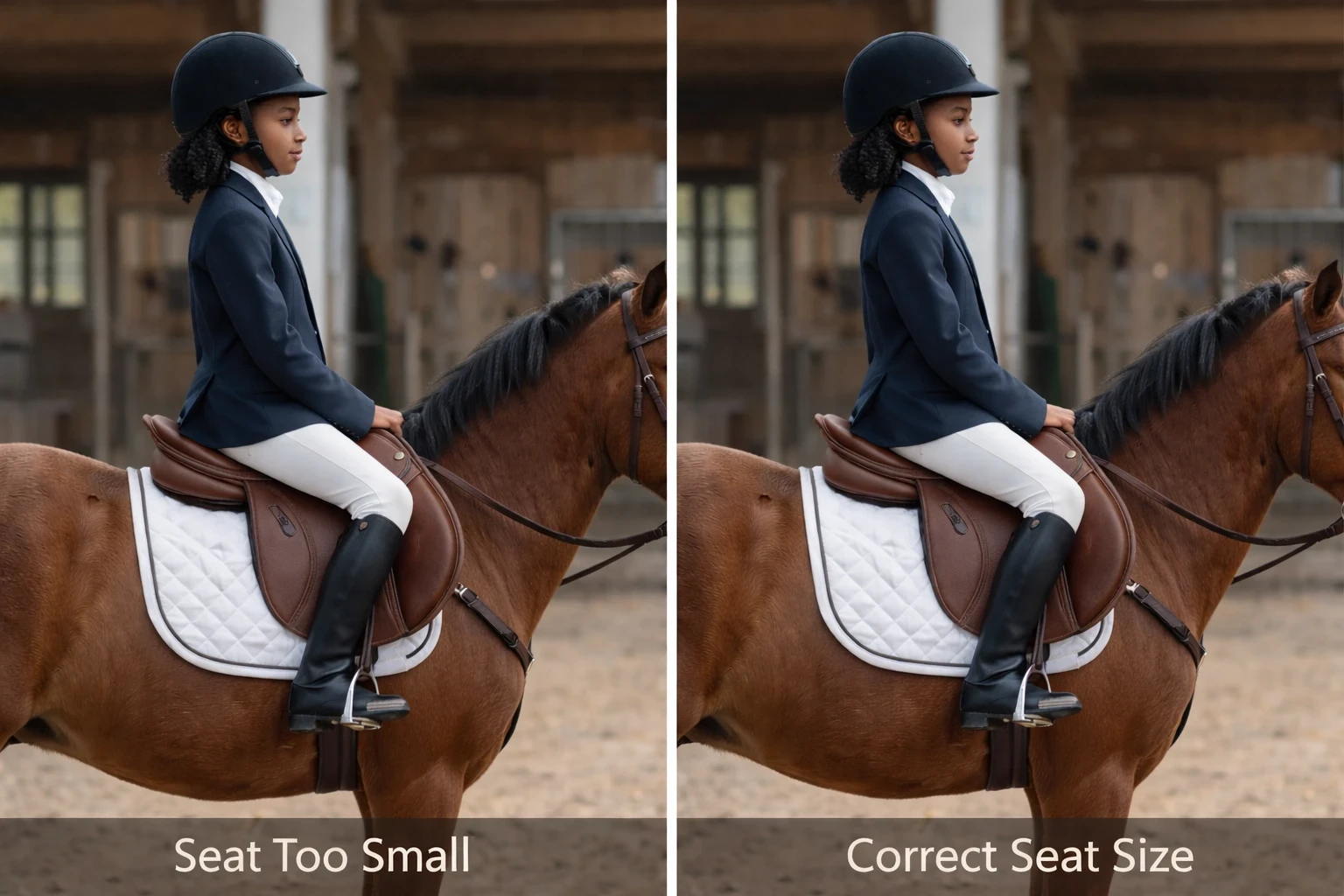
It’s tempting to buy a slightly bigger saddle “to grow into,” but that backfires more often than not.
A too-large seat can make it hard for a young rider to keep steady leg contact or maintain a proper jumping position. Imagine sliding around during a tight turn or when landing over a fence.
That’s no good for anyone.
If you’re unsure how seat size, leg length, and overall saddle balance affect your child’s position, this guide on choosing the right English saddle for your child walks through those factors in more detail.
The Bates Pony Elevation is available in smaller seat sizes (usually 15″ or 16″) which are spot-on for junior jumpers.
Here’s what I always recommend: measure your rider’s upper leg (the thigh bone from hip to knee) and look for a seat size that allows a hand’s width behind the seat while they’re sitting in riding position. This puts them in a balanced spot that gives their riding and safety a boost right from day one.
Overly large saddles, even for a growing kid, can lead to bad habits like “chair seat” or leaning too far forward. Prioritizing proper fit now saves headaches (and lessons) in the long run.
How to Choose the Right Fit for Your Pony
Ponies come in every shape. Some look like miniature horses; others are round as a barrel. Finding a saddle that sits level, clears the withers, and doesn’t create pressure spots is truly important.
The Bates Elevation’s adjustability helps, but it’s useful to check:
- Tree Shape: The “EasyChange” gullet system lets you adjust the tree width to fit narrow to extrawide ponies, so it works for most builds. Always fit the gullet so it clears the withers by about three fingers in front, even when moving.
- Panels and Balance: The CAIR panel system replaces traditional wool flocking with aircushion panels, which spreads out pressure and is fantastic for ponies that are prone to sore backs. Check that the saddle sits evenly (front to back) with no bridging or rocking.
- Pony’s Movement: Watch your pony walk, trot, and canter with the saddle, even without the rider at first. Look for good shoulder movement, no dry spots, and a relaxed stride. If your pony seems restricted or pins its ears, recheck your fit.
Rolling, slipping to the side, or lots of movement means something’s off with the fit or size.
Always work with a trusted saddle fitter or an expert at your local tack shop if you’re uncertain. Getting a second opinion can save your pony from discomfort and keep your rider safe and happy.
Adjustability & Growth: Why the Bates Elevation Works for Youth Riders
The main reason so many parents check out the Bates Elevation Pony is its ability to ‘grow’ with your kid and pony. Here’s why it stands out:
- Interchangeable Gullet: You can swap gullets as your pony bulks up, slims down, or even if you switch ponies later on. There’s no need to buy a whole new saddle at each growth stage.
- CAIR Cushion Panel System: These air panels mold to the back more easily than wool flocking. They’re great for fitting minor back changes and might cut down the need for constant adjustments, especially during growth spurts.
- Affordable Resale: Because of the flexibility and brand reputation, the Bates Elevation holds value, which is helpful if your child moves up to a larger horse later.
You end up with a saddle that keeps you calm when a growth spurt or a new pony comes along, making life a lot simpler for busy families.
Plus, the materials used on the Bates Elevation are designed for durability and hassle-free cleaning, adding another layer of appeal for parents who are juggling multiple barn activities and want to spend less time on saddle upkeep.
Common Mistakes Parents Make When Buying a Pony Jump Saddle
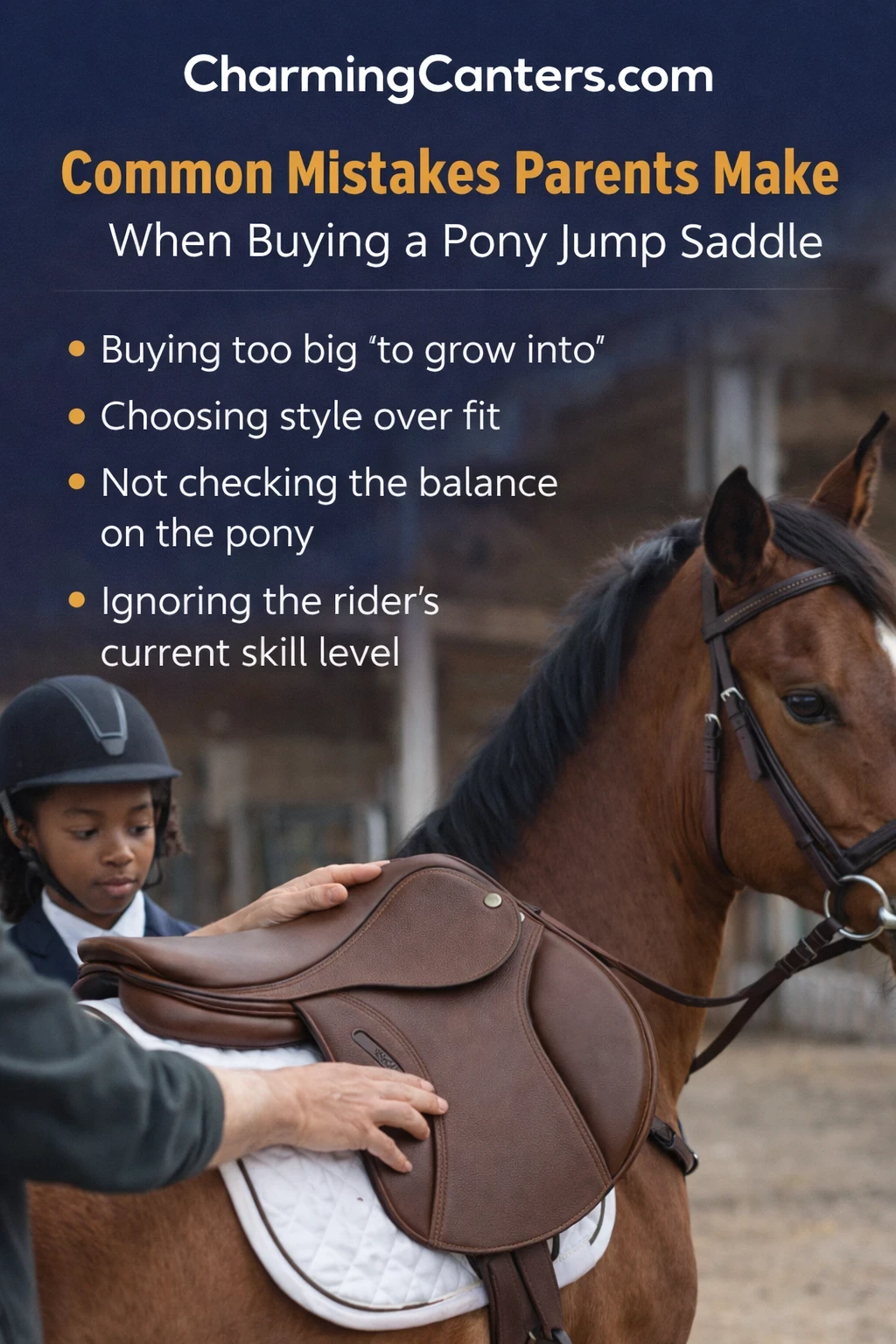
I’ve seen a lot of families, even the most experienced ones, run into the same hurdles:
- Buying a full-sized jump saddle and hoping it works. These often don’t fit ponies or the kids riding them, and can even be unsafe.
- Picking a seat size that’s too large, so the young rider can “grow into it,” risking accidents and slowing progress.
- Ignoring proper fit for the pony. Sometimes it’s the right seat for the child, but a poor fit leads to back soreness or behavior problems for the pony.
- Not budgeting for saddle fitting help. Working with a fitter, even for a quick consult, saves a ton of hassle and makes sure the investment lasts longer.
Taking a thoughtful approach up front keeps you from ending up with a saddle that isn’t rideable or doesn’t support your rider’s improvement.
It’s also smart to have your saddle checked after the first several rides, since small adjustments can make a big difference before those bad habits or soreness issues ever have a chance to crop up.
Is the Bates Elevation Pony Jump Saddle Worth It?
Choosing a new pony jump saddle really comes down to figuring out what you and your rider actually need. The Bates Elevation Pony Jump Saddle stands out for families who want adjustability, security, and pony-specific comfort.
It offers strong support for young jumpers, works well for a big range of pony shapes, and is easy to switch gullets as your pony changes.
This saddle is a great match if your child is:
- active in jumping disciplines,
- your pony has a challenging back shape,
- you want to dodge frequent saddle replacements
On the flip side, if your rider is nearly ready to move up to a horse or doesn’t jump at all, you might want to wait or think about a different saddle style. Riders focusing only on flatwork or pleasure may want a saddle made for those activities instead.
Resale Value, Adjustability and Comfort
Plenty of families say the resale value, adjustability, and comfort for both pony and rider make the investment worthwhile. Careful research helps buyers make informed decisions and lets you get the most out of your purchase, whether you end up using the Bates Elevation for one season or several years.
It’s also a plus if you have more than one rider in the family, since the saddle’s adjustability can often accommodate siblings or even a second pony with minimal changes. That kind of flexibility is hard to top when it comes to getting value from your tack purchases.
Wrapping Up
If you’re looking for a pony jump saddle that balances adjustability, rider security, and long-term value, the Bates Elevation Pony Jump Saddle is a smart option to consider for growing riders and ponies.
👉 Check current sizing options and availability for the Bates Elevation Pony Jump Saddle to see whether it’s a good match for your rider and pony.
Great review of the Bates Elevation! I am curious about the leather quality on this specific pony model. Does it require a long break-in period to get soft and grippy, or is the leather comfortable right out of the box? I know some jump saddles can be quite stiff when they are brand new.
Hi Adrian.
Great question — because you’re right, some jump saddles feel like a wooden board when they’re brand new.
With the Bates Elevation Pony, most riders are pleasantly surprised. The leather is generally comfortable and lightly grippy right out of the box, so you don’t usually get that super stiff “long break-in” phase that some traditional jump saddles have.
That said, like any quality leather saddle, it does continue to soften and mold a bit more with regular riding and proper conditioning. It won’t feel dramatically different after months of use, but it will become a little more supple and personalized to the rider’s leg.
So overall — no long, frustrating break-in period. Just gradual improvement with use and good care.