Picking an English saddle that fits your child is a pretty big deal for comfort, safety, and confidence in the saddle ring or out on the trail. There are a lot of options, and all the technical details can be confusing for new horse parents.
I had to wade through plenty of advice when choosing a saddle for my own kid, so I’m here to share what I learned along the way. Hopefully, it’ll make your search a whole lot easier.
Why a Properly Fitted Saddle for Kids is Super Important
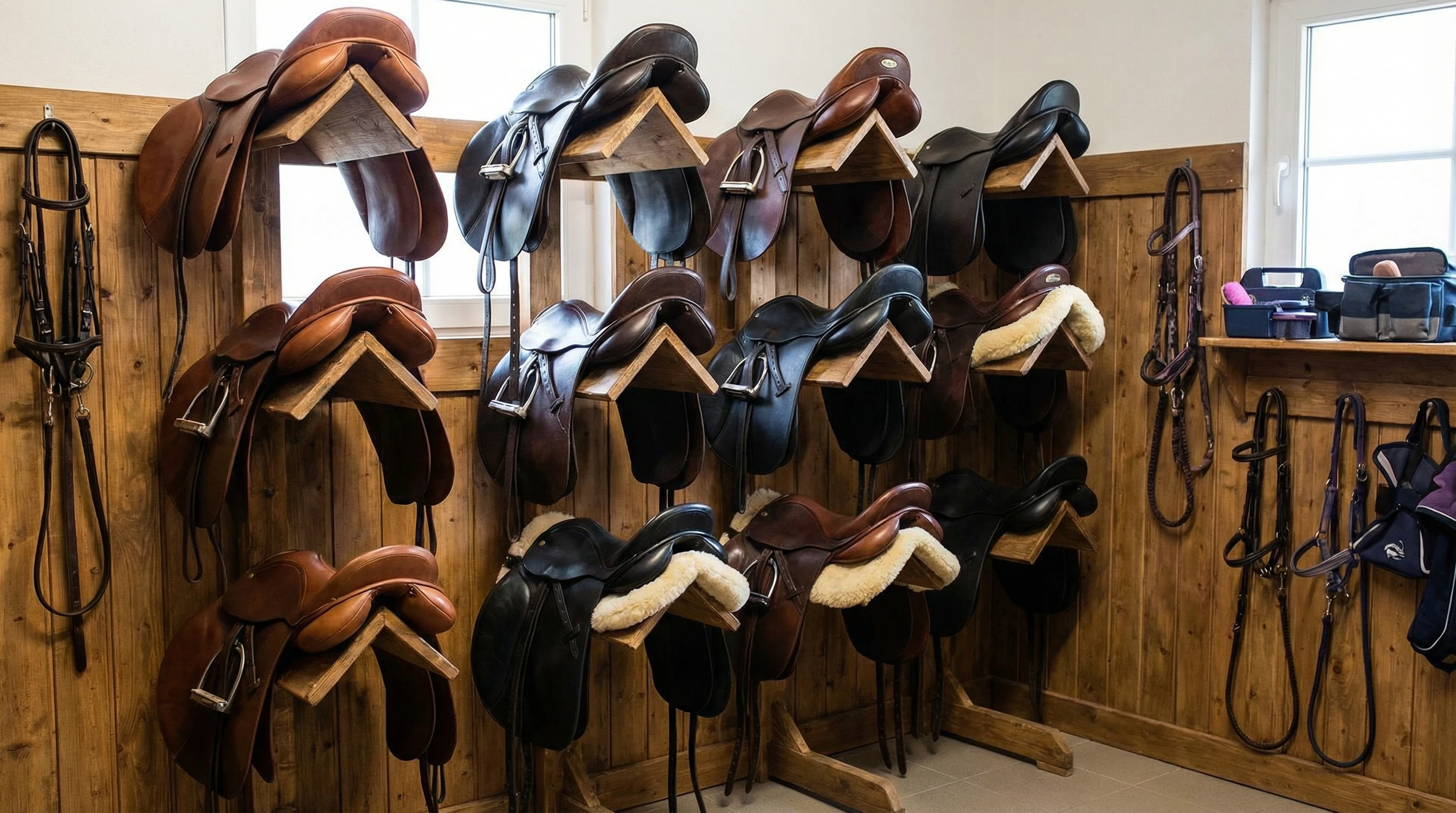
A well-fitted English saddle helps your child find their balance, move with the horse, and feel secure. An uncomfortable or unstable saddle can lead to lost confidence, sloppy riding habits, or even accidents.
That’s why getting the right size and style isn’t just about looks. It really makes riding more fun and much safer for your child.
Kids grow fast, and their needs change as they move from leadline lessons to jumping or dressage. Starting out with a saddle that matches their size and riding style goes a long way toward keeping the experience positive for everyone involved, including the horse.
Not only does it matter for comfort, but a good fit also helps young riders develop their skills and connect more with their mounts.
Breaking Down English Saddle Sizes for Kids
English saddles come in different seat sizes, usually measured in inches. For younger kids (about 4 to 7 years old), you’ll commonly see saddle seats in the 12″ to 14″ range. For older kids (8 to 12), seats generally run 15″ to 16″. Some teens may need a 16.5″ or even a 17″ if they’re on the taller side or have long legs.
I found that a 15″ saddle worked well for my 10-year-old, but this depends on their height, build, and riding experience. It’s a good idea to try a few sizes at the tack shop before making a decision, or even ask your trainer to recommend what works best for your child’s stage. The comfort level and posture in the saddle can really set the foundation for safe riding.
How to Determine English Saddle Seat Size
Here’s a simple way I used for measuring seat size:
- Have your child sit on a chair: Make sure their knees are bent at a 90-degree angle.
- Measure the length from the back of their knee to their backside. This gives you a good ballpark for seat size.
Here’s a quick reference:
- Knee-to-backside measurement 16″–18″ → Try 15″ saddle
- 18″–20″ → Try 15.5″–16″ saddle
- 20″–21″ and up → Try 16.5″ saddle or larger
There’s no replacement for letting your child sit in different saddles. The correct size leaves about four fingers of space between your child’s bum and the back of the seat when they’re in a neutral riding position. Sometimes, you may notice your child wriggling or sitting awkwardly if the saddle is too small or too big; these are easy clues to watch for.
Four Main Criteria for Choosing the Right English Saddle
When picking a saddle for your child, these four things make the biggest difference:
- Saddle Fit for the Rider: The seat size should be right, with enough space for them to sit comfortably but not struggle to maintain position.
- Saddle Fit for the Horse: The saddle must fit the pony or horse well, distributing weight without too much pressure on the withers or back muscles.
- Discipline or Riding Style: Whether your child is into jumping, dressage, or general schooling, the saddle style (close contact, all purpose, or dressage) should support those goals.
- Safety and Condition: Used saddles are fair game, but the leather should be free from cracks and all stitching sturdy. Make sure the tree isn’t broken (the structural part inside) before buying.
I always double-check these basics even when picking up a used saddle at a swap or from a friend. Sometimes what looks good still flunks on one of these four points. Being careful up front can help you avoid trouble later on, and your child will thank you for it.
What Size Horse Should a 10-Year-Old Ride?
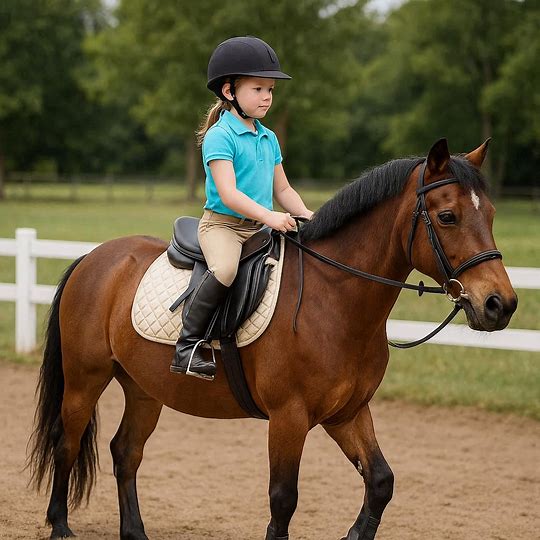
Pairing the right saddle with the right pony or horse is pretty important for both safety and learning. Most 10-year-olds ride ponies between 12 and 14 hands high (a hand equals four inches). If your child is on the petite side, a 12–13 hand Welsh or Shetland pony usually works. Taller or more athletic kids may do well with a 14 hand pony or a small horse. Make sure the horse’s build isn’t too wide or narrow for the saddle you pick because an ill-fitting saddle can cause pressure sores or bad behavior. Comfort for the horse helps them move better and keeps everyone happier in the long run.
I’ve always found it helpful to try out potential ponies and saddles together before buying anything. Trainers and instructors can help steer you in the right direction, and a well-matched pair gives both your child and their horse a better riding experience.
Types of English Saddles for Kids to Consider
Not all English saddles are the same, and certain types are made with young riders in mind. Here are a few you’ll see most often:
- Pony Saddles: Specifically sized down for smaller kids and ponies, often lighter and easier for kids to carry.
- All Purpose (AP) Saddles: Good choice for children who want to try a bit of everything, from flatwork to low jumping.
- Close Contact Saddles: Designed for jumping and hunter classes. They’ve got a flatter seat and forward cut flap, but might not offer as much security for beginners.
- Dressage Saddles: Deep seat and long flap for flatwork. These can feel “sticky” (in a good way) for some young riders but might not be as versatile as an AP saddle.
If you’re unsure, an all purpose pony saddle is usually a safe bet for lessons and casual riding. It gives young riders the freedom to try different activities without being locked into a single discipline.
Extra Tips for a Happy, Confident Young Rider
- Always test ride before buying: If possible, let your child ride in the saddle at a lesson or borrowing from a barn friend. This saves a lot of headache.
- Check girth and stirrup fit: Make sure the saddle you buy can accommodate shorter girth straps and stirrups, which some adult-sized saddles can’t handle well for small riders.
- Budget for adjustments: Pony bodies and kids’ legs change pretty quick. Gullet plates, riser pads, and other simple modifications can help a saddle “grow” with your child for a season or two.
- Ask for help: Tack shops, riding instructors, and other parents are a huge help when figuring out what’s working (and what’s not) for your kid and their riding goals.
Impromptu barn swaps or trying out a friend’s spare saddle can also give you a low-pressure way to see what fits. Remember, comfort and safety should always come first, even if it means spending a little extra time shopping around.
Common Roadblocks and Solutions
- Outgrowing saddles quickly: Kids move up in saddle sizes every couple years. Reselling gently used saddles helps recoup some cost. Stick to well known brands, which tend to hold value.
- Saddle not fitting the horse: Hire a professional saddle fitter once a year. Using pads as a stop gap measure is common, but nothing beats a well fitted tree and panel.
- Pony shape changing: Ponies get wider, especially after winter or change in diet, which can affect saddle fit. Adjustable gullets or half pads can help for short term fixes.
Sometimes you’ll run into frustration if you’re shopping secondhand or trying to balance budgets. Be patient—most young riders change rapidly, and being flexible with your options makes a world of difference for both your wallet and your child’s progress.
Frequently Asked Questions
What size English saddle for a child?
Most children between ages 6 and 10 need a 15″ or 15.5″ saddle. Smaller kids might need 14″, and older/preteen kids usually fit 16″. Always measure and try before buying if possible.
How do I know my child’s saddle fits right?
There should be about four fingers’ width between your child’s seat and the cantle (back of the saddle). Their knees should sit comfortably on the saddle’s knee rolls (if any), and their feet should reach the stirrups without having to stretch or scrunch up.
What’s the difference between pony and adult English saddles?
Pony saddles have shorter panels and are built lighter to fit small ponies and riders. The tree is narrower, and the overall proportions are smaller so kids can maintain good position and aren’t overwhelmed by too much leather.
What size horse should a 10 year old ride?
A 10-year-old will usually be most comfortable and safe on a pony or small horse between 12 and 14 hands. The exact size depends on their height, experience, and confidence.
Getting a Good Start in English Riding
Choosing the right English saddle for your child is really about matching the equipment to their size, skill, and riding goals. Making sure their horse or pony is just as comfortable as they are helps both rider and mount. Test rides, professional advice, and staying open to adjustments all help build a positive riding experience that will last well beyond childhood. Happy riding and good luck finding your perfect fit!
Was this post helpful? I’d love to hear your comments or questions about choosing an English saddle. And if you or your child are curious about Western riding, feel free to visit my site, Horse Saddle Comparison, for honest, in-depth reviews of new and used Western saddles.
Such a helpful and reassuring guide for parents navigating the whole saddle-shopping maze! I really appreciate how clearly you explain the differences in sizing and styles… especially the part about making sure the saddle fits both the child and the horse. It’s amazing how much confidence the right setup can give a young rider. Your tip about testing multiple saddles before committing is so spot-on. Watching how a kid sits, moves, and relaxes in the saddle says more than any measurement chart ever could.
One thing I’m curious about… when a child is between sizes and seems to fit almost well in two different seats, is it better to size up for longevity or go with the smaller size for stronger early posture?
Hi. I’m so glad you found my article helpful. Great question — and a common dilemma for growing riders.Here’s the general guidance most trainers and saddle fitters follow: If the child is between sizes, choose the smaller seat when: Posture, balance, and security are the priority (especially for newer riders); The larger saddle makes them “swim” or reach for balance;Their leg position becomes unstable because they can’t easily stay in the center of the saddle.
A slightly smaller saddle usually:Helps the rider stay centered and upright; Encourages correct leg position; Provides better stability (important for safety and confidence. Choose the larger seat when:
The child is already a balanced, independent rider with a strong seat.
The smaller saddle restricts their movement or puts their knee past the knee roll.
They’re in a rapid growth spurt, and the larger saddle still allows correct alignment.
A slightly bigger saddle typically:
Offers more longevity
Works fine as long as the child’s leg still falls naturally under them and they aren’t tipping back
Never size up so much that it compromises security or puts the rider behind the motion.
A too-big saddle can delay their development, make them rely on reins for balance, and increase the risk of slipping or bouncing out of position.
The trainer consensus is: “Fit the rider they are, not the rider they will be in a year..”
If both saddles “almost” fit, the smaller usually supports better biomechanics right now — unless the child is clearly about to outgrow it in weeks or the knee is cramped.
If you want, you can tell me:
The child’s age/height/inseam
The two seat sizes you’re comparing
The riding discipline
Whether you’ve noticed tipping forward or backward in either saddle
…and I can give a more specific recommendation.
This was super helpful — thank you! As a parent who’s still fairly new to the horse world, the saddle sizing part honestly gets overwhelming fast. I didn’t realize how much difference the right seat size and tree fit could make until my kid tried a saddle that was just slightly too big and immediately struggled with balance.
I really appreciate how clearly you broke everything down, especially the knee-to-back measurement trick and the reminder to check both child and pony fit. The bit about ponies changing shape after winter made me feel a lot better too — I thought we were doing something wrong when fit suddenly shifted last spring!
Quick question: do you think it’s worth starting with an adjustable gullet saddle for growing kids, or is it better to just go with a well-fitted fixed tree and plan to resell as they size up?
Hi Jason. Thanks stopping by and reading my post.
Good question — there are solid arguments on both sides, and which path is “better” really depends on your priorities (horse comfort, budget, convenience, resale, how often you’ll have to re-fit, etc.). Here’s how I see the trade-offs when thinking about an adjustable-gullet saddle vs a well-fitted fixed-tree saddle — even for “growing kids,” i.e. when the horse or pony may still be changing.
Why an adjustable-gullet saddle might be worth starting with
Flexibility over time — As the horse/pony grows, builds muscle, or changes shape (which often happens during early training or growth), an adjustable gullet lets you widen or narrow the front of the tree to maintain a better fit.
Cost-effective vs buying multiple saddles — If you expect the animal will grow/change a fair amount, buying one adjustable saddle and tweaking as you go can in the long run cost less than repeatedly buying and reselling fixed-tree saddles.
Can accommodate changes from conditioning, not just growth — Variation isn’t only growth-related. As musculature changes (either building up or being trimmed), a “static” saddle may lose fit, so adjustability helps maintain comfort.
Resale / multi-horse potential — If you might ride different horses/ponies later, or if you might sell the horse as it grows out of “child size,” having an adjustable saddle increases your chances that it’ll still fit another horse (or a differently shaped one) in the future.
Why a fixed-tree, well-fitted saddle might be preferable
Better overall fit and stability (when sized correctly) — A fixed-tree saddle, sized well to the horse’s current conformation, tends to offer superior fit, balance, and support, which is important especially for children/new riders learning proper position.
Fewer moving parts, less maintenance/adjustment risk — Adjustable-gullet systems add complexity. There are limits to what they can adjust: mostly width of tree points, not changes in tree angle, panel shape, or length — so they’re not a “fit everything forever” solution.
Durability and long-term reliability — Fixed-tree saddles tend to remain structurally stable over time; adjustable saddles may wear (or be misadjusted) if the system is over-used or used incorrectly.
Potential risk of sub-optimal fit even if you “adjust it” — Some experts argue that no amount of gullet-plate swapping means a saddle will definitely fit correctly as the horse changes. There are more dimensions to fit than just width (angle of tree points, panel shape, saddle length, spinal clearance) — and adjustable saddles seldom account for all those.
I hope this helps. If you need anything else, please let me know.