
English saddle maintenance tips are useful if your kid rides English because keeping their all purpose saddle in solid shape is really important for safety, comfort. It also keeps that saddle looking good.
A little regular attention goes a long way in preventing saddle injuries in children.
Plus, showing young riders how to care for their gear is a great habit that carries over to other parts of life. I’m sharing my English saddle maintenance tips, maintenance routines, and easy ways to make sure your youth’s all purpose saddle lasts through every lesson and trail ride.
Just a friendly disclaimer for transparency sake. This post may contain affiliate links. I may earn a small commission if you purchase through my links, at no extra cost to you.
Why Saddle Maintenance Matters for Youth Riders
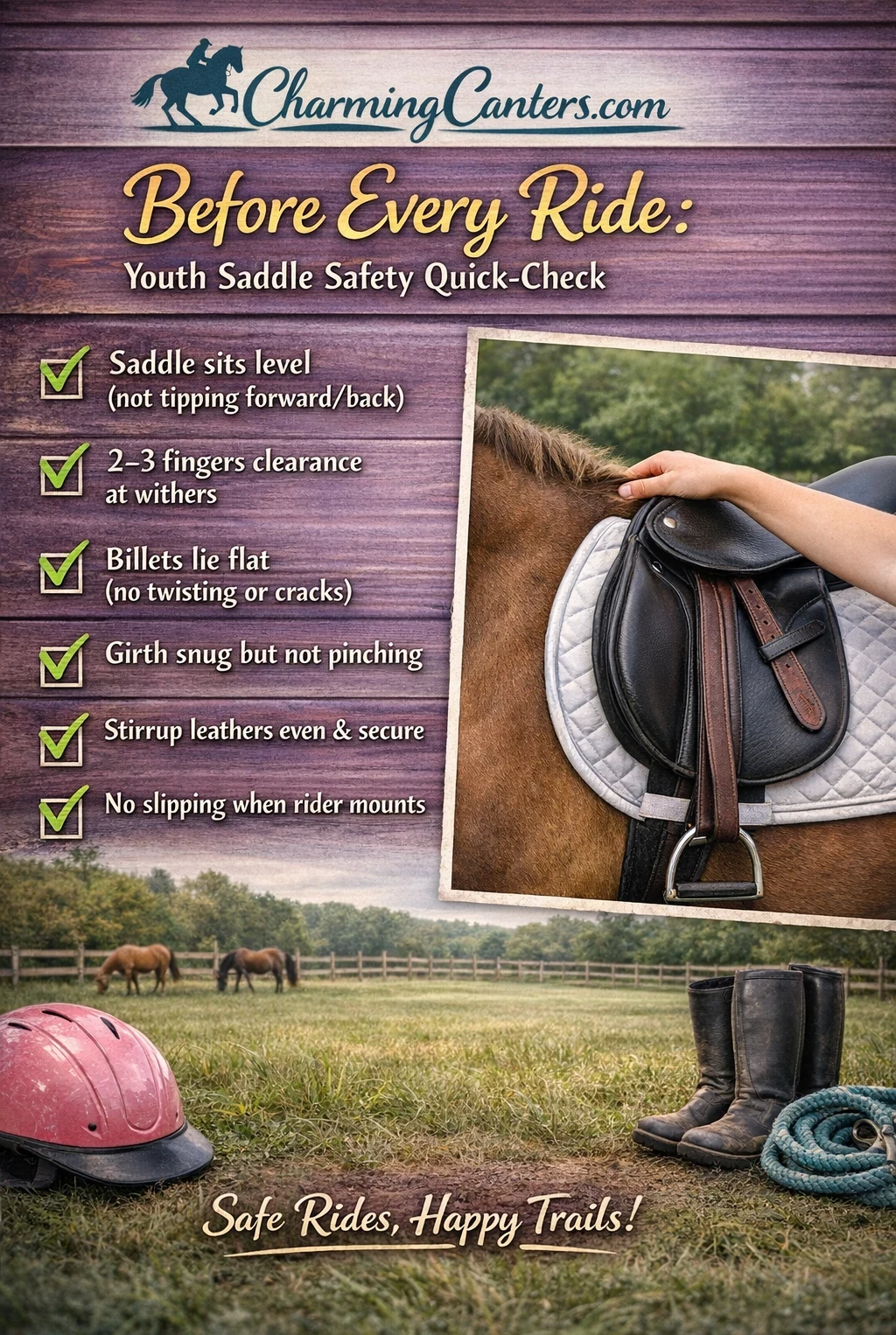
A well-kept saddle does more than look nice on the rack. Regular care keeps the leather soft and strong, helps prevent failed stitching, and reduces the risk of painful rubs for young riders and their horses.
Good maintenance also keeps unexpected cracks and wear from becoming a safety issue. You want to prevent saddle-related injuries in children. Nobody wants a stirrup leather snapping mid-lesson.
The bonus: kids who learn to care for their own saddles pick up responsibility, attention to detail, and even a bit of pride in their tack.
Considering the amount of trust placed in tack, developing these routines is an investment in both independence and safe riding habits.
Understanding an All Purpose English Saddle (Quick Refresher)
An all purpose English saddle is designed to work for everything from flatwork and basic jumping to hacking out on trails. It’s not as specialized as a dressage or close contact jump saddle, making it a practical pick for kids who want to try a bit of everything before committing to a specific discipline.
- Leather flaps and seat: Provide balance and comfort for both flatwork and light jumping.
- Knee rolls: Give some support for hopping cross rails or cantering over gentle terrain.
- Panels underneath: Help spread the rider’s weight evenly to protect the pony’s or horse’s back.
- Stirrup leathers and bars: Let you adjust for growing legs and learning correct position.
Some youth saddles use synthetic materials to make them lighter and easier to clean, but real leather still rules the durability game if you’re up for a little routine care.
Synthetic options have grown more popular too, thanks to being lightweight and waterfriendly, but they do not always match genuine leather’s longevity or traditional look.
Daily & Weekly Care Habits (Simple but Powerful)
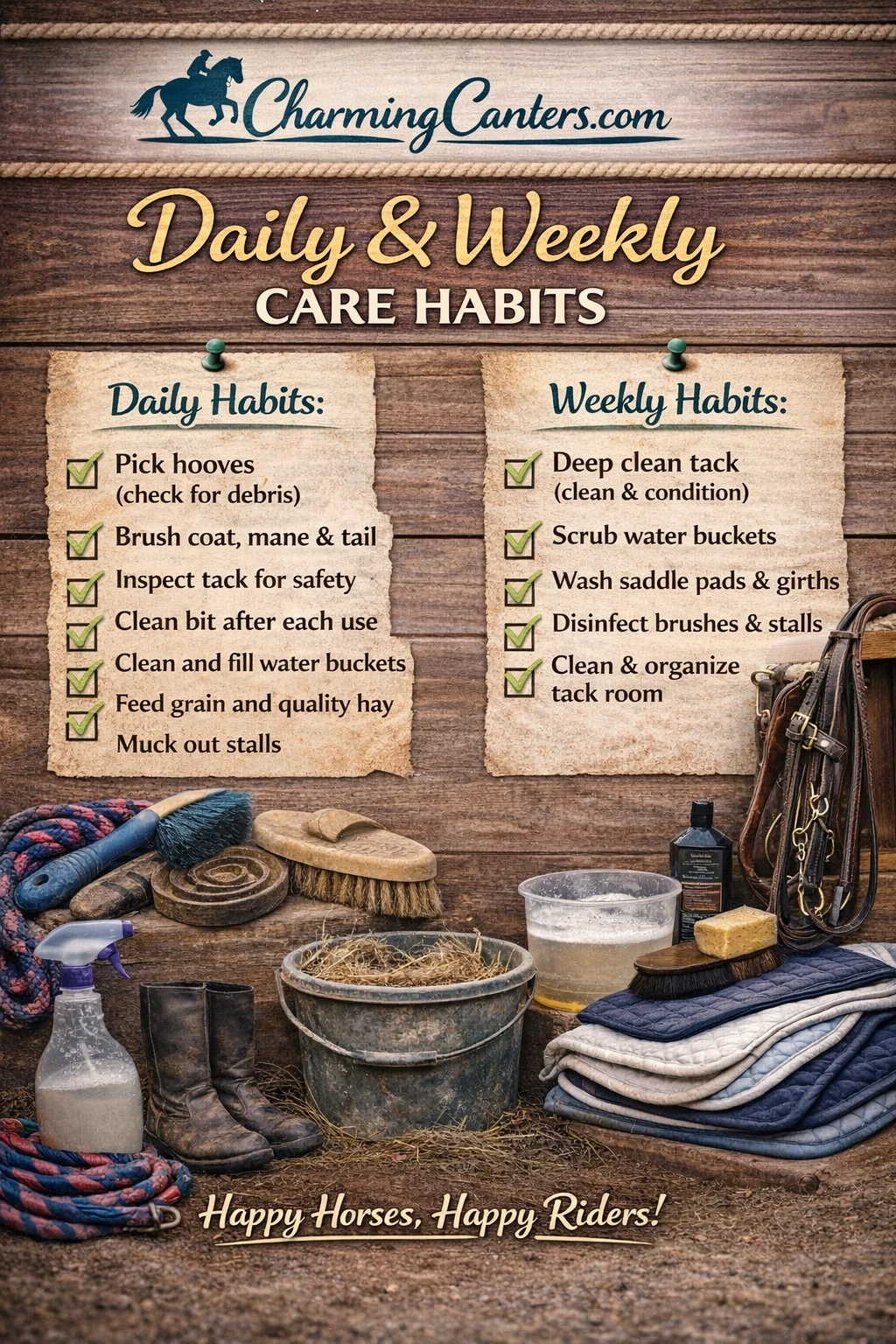
Most saddle wear comes from sweat, dirt, or letting grime pile up over time. Here’s what I usually do to keep things in check without making it a big project:
- Quick wipe after every ride: Use a barely damp sponge or cloth to wipe sweat, mud, and arena dust off the saddle, girth, and stirrup leathers. This helps the leather stay supple and minimizes buildup.
- Check leather for dry spots: Look out for any little cracks, and if you spot any, a tiny bit of leather conditioner on those areas works wonders.
- Air things out: Hang the saddle somewhere dry, away from damp tack rooms or direct sunlight, to prevent mildew or drying out.
Skipping full cleanings every ride is totally fine as long as you handle the basics. Just don’t let dirt build up week after week. Consistency with small habits means you avoid spending hours scrubbing away stubborn grime later on.
Monthly & Seasonal Maintenance Checks
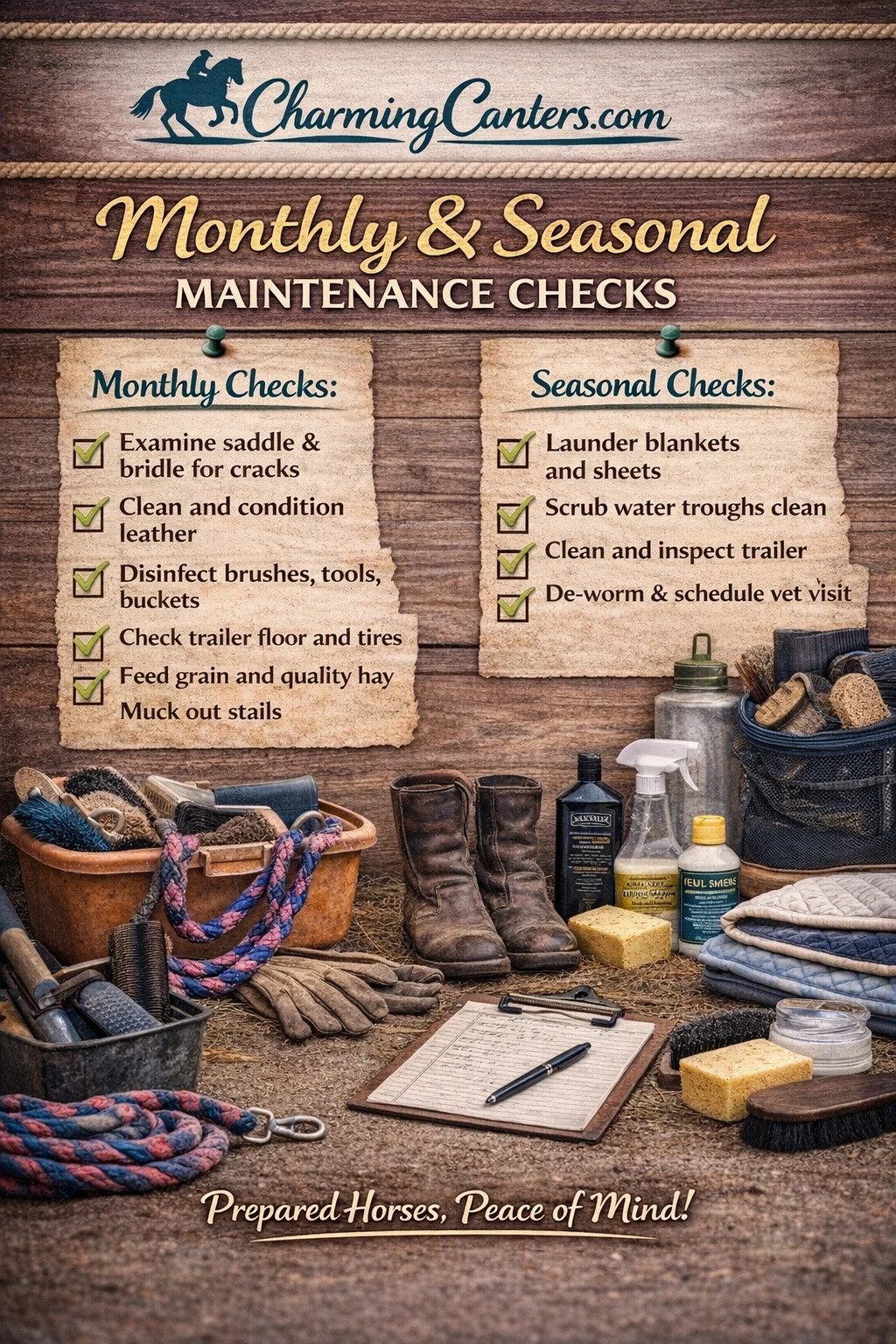
About once a month (or more if your kid rides daily), I like to give youth saddles a more detailed cleaning and once-over. Here’s how I break down the process:
- Take off stirrup leathers and girth: This makes it easier to reach all the nooks and crannies.
- Use a gentle leather cleaner: Wipe down every leather surface, especially under flaps and girth billets. You’d be amazed how much dirt hides there.
- Condition (but don’t soak): Apply a very light coating of leather conditioner or balm, working it in until the leather feels soft but not greasy.
- Inspect stitching and billets: Pull gently on straps and check for broken or loose threads. Addressing small repairs early can prevent bigger issues.
- Check hardware: Make sure buckles and stirrup bars move freely and aren’t rusted or bent.
For synthetic saddles, use water and a mild soap, but check the manufacturer’s instructions for any cleaning no-gos. Conditioning isn’t needed, but it never hurts to inspect hardware and stitching.
A more detailed cleaning session can also be a good time to show your child how to pay attention to detail, and even let them help out so that saddle care feels less like a chore and more like a shared project, fostering valuable horse care skills.
Proper Storage for Youth Saddles
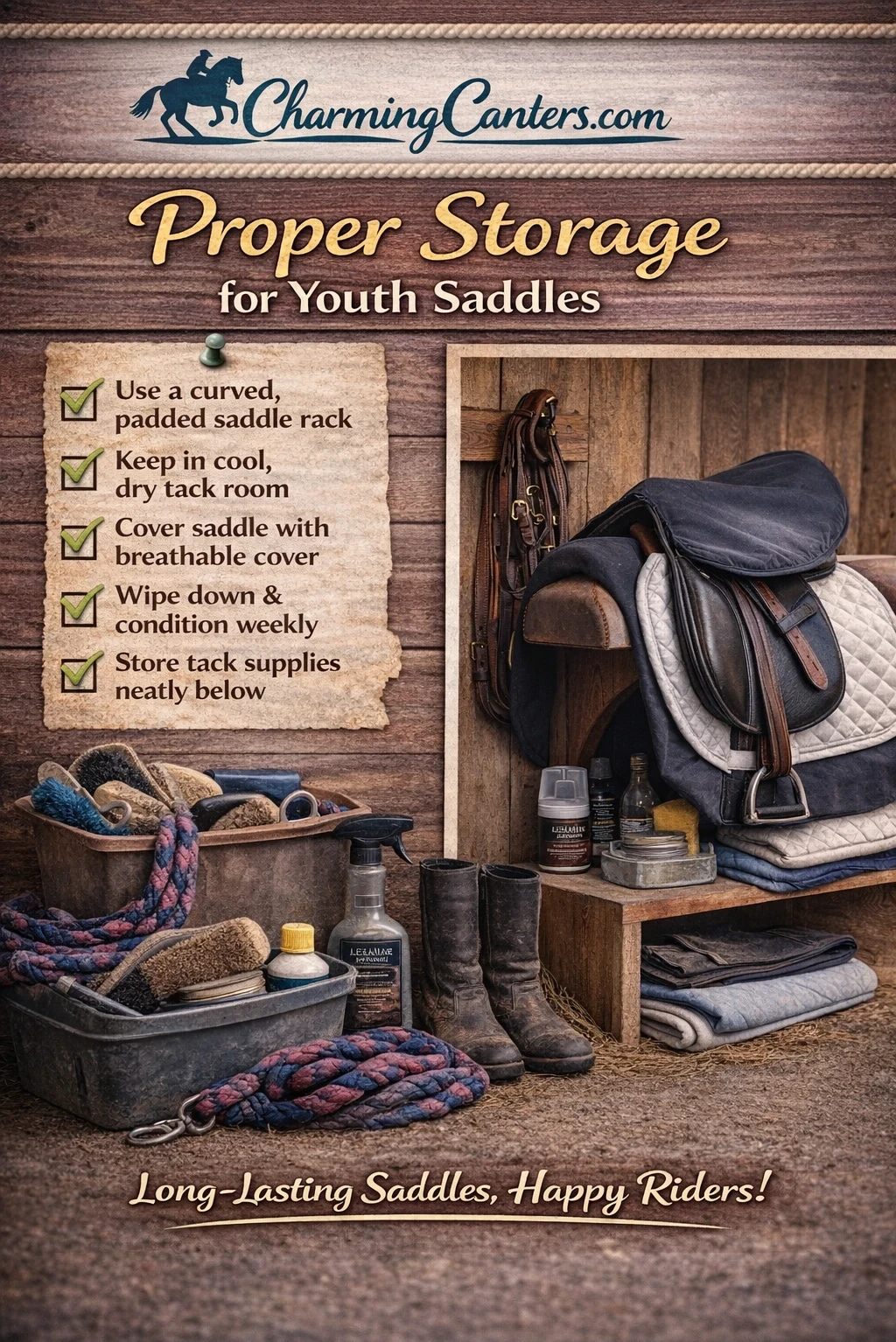
How and where you store a saddle makes a big difference in how long it lasts and how safe it stays. Here’s what works well for my family:
- Saddle stands or racks: Keep the saddle’s shape by always using a proper rack or stand (never the horn of a Western saddle or a fence rail).
- Cool, dry places: Avoid excess humidity, which can mold leather, and keep saddles away from direct heat or freezing garages.
- Saddle covers: Use a breathable cloth cover to protect from dust but avoid plastic bags, which can trap moisture and lead to mildew.
If you use a barn with lots of kids moving things around, label saddle racks or assign a tack locker to cut down on misplaced or banged-up saddles. You can even color code racks or covers for easy organization, making a tidy tack room a shared goal.
Stirrup Leathers & Girth: The Most Overlooked Safety Items
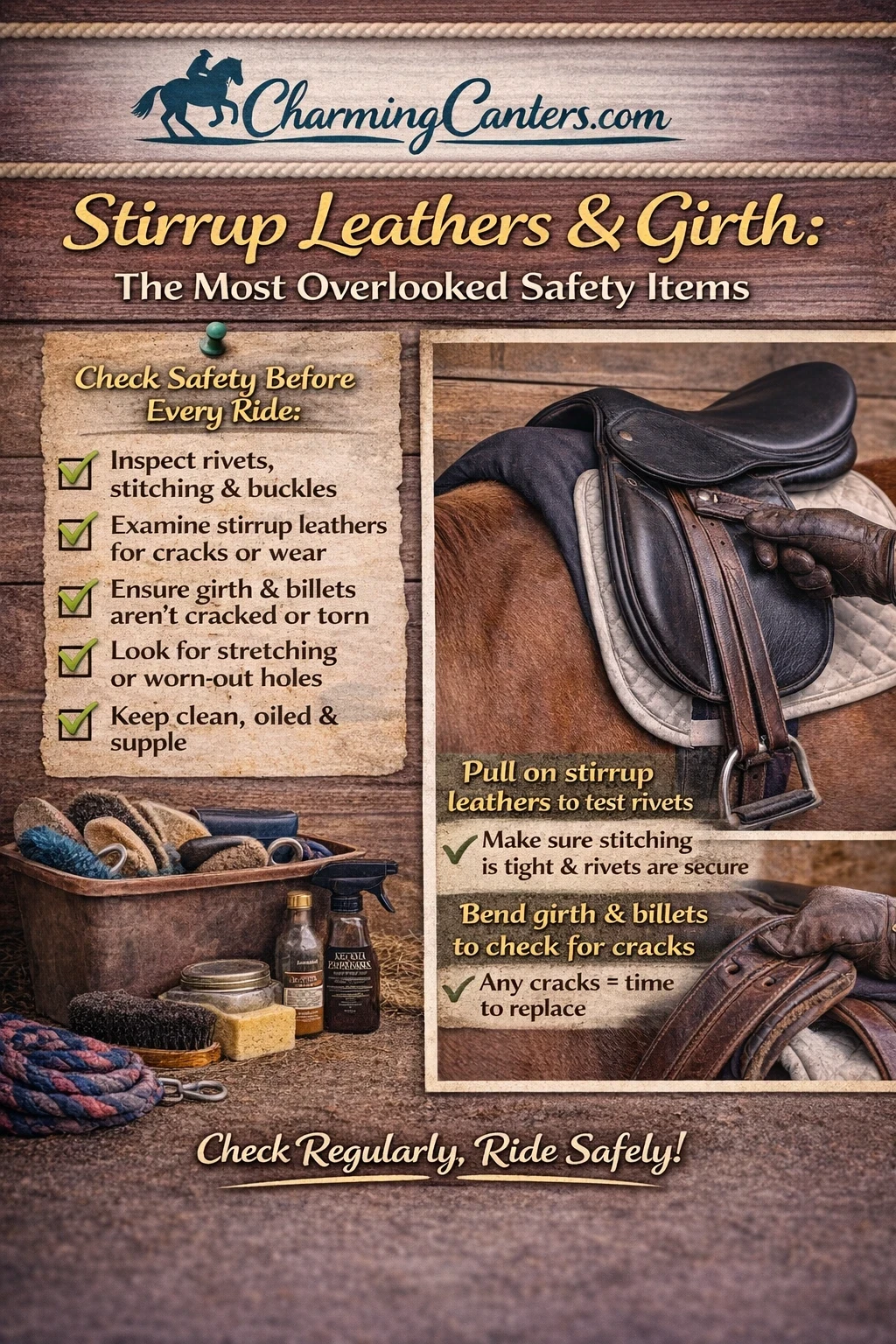
While everybody worries about saddle leather, stirrup leathers and the girth often get ignored, even though they take lots of stress every ride. I always make this part of my regular checkup routine:
- Bend and flex stirrup leathers: Any stiffness, deep cracks, or stretched spots mean it’s probably time to swap them out.
- Inspect holes: Stretched or torn holes can give out suddenly, so don’t risk it if they’re looking worn.
- Check the girth buckles and stitching: Give them a solid tug. Make sure the elastic isn’t too stretched out, and the leather or synthetic material isn’t cracking.
Replacing these parts is usually cheaper, and way safer, than dealing with an accident caused by a snapped strap during a ride. Some manufacturers provide replacement straps and billets—keeping extra on hand can be useful, especially if you ride regularly and want to avoid downtime.
Saddle Fit Changes as Kids Grow (Maintenance Meets Fit)
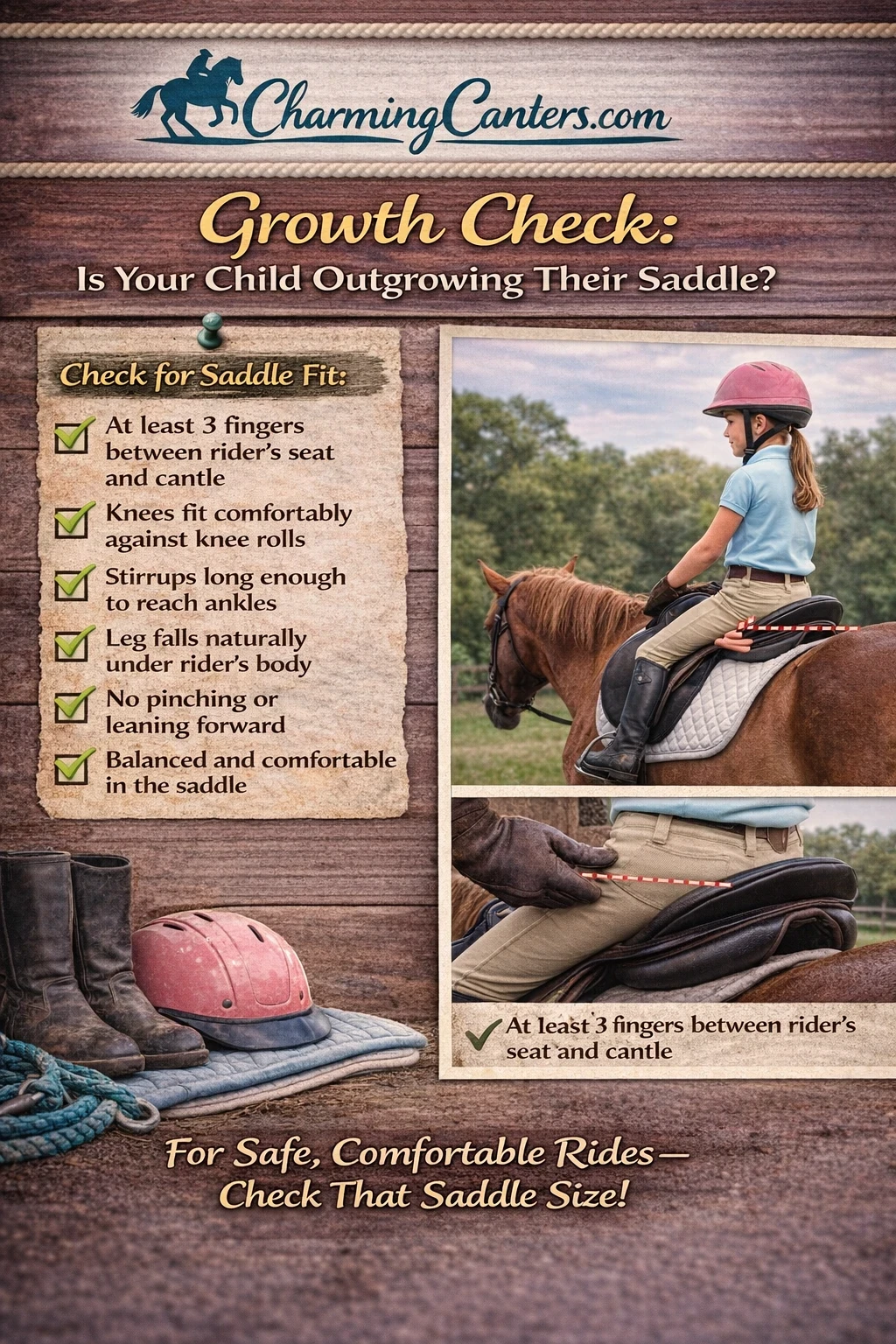
Kids grow fast, and their horse’s shape can change too, especially with young ponies or horses in training. See my post on how to read English saddle measurements.
Even the best-cared-for saddle may need refitting as your rider shoots up a few inches or their horse gets fitter (or rounder!).
There are warning signs parents shouldn’t ignore.
- Regular fit checks: Make sure the saddle’s panels rest flat on the horse and that you can fit at least two fingers between the pommel and the horse’s withers with your kid sitting in the saddle.
- Watch for slipping or pinching: If the saddle slides, rocks, or causes rub marks, it’s time to revisit the fit.
- Ask your instructor or fitter: Riding coaches or professional saddle fitters can spot fit issues early and help adjust flocking or recommend a new size if needed.
Good fit means maintenance isn’t just about cleaning. It’s about making your kid’s riding safer and comfier as they grow. If your child feels uncomfortable or complains about soreness, always check if the saddle fit is part of the problem before blaming their position or the pony’s behavior. Sometimes, a little adjustment or a different girth can make a big difference for growing riders and their equine partners.
Cleaning Products: What’s Safe (and What to Avoid)
Not every cleaner is fair game for tack, especially with sensitive or dyed leather. Here’s what I always keep in my tack cleaning stash:
- Mild saddle soap or leather cleaner: These are gentle enough for frequent use and work on most English saddles.
- Leather conditioner or balm: Light formulas keep leather from drying out and cracking. Skip heavy oils unless the leather is seriously dried out.
- Soft sponges and clean rags: Dedicated tack sponges work well and don’t scratch.
What to skip:
household cleaners, harsh detergents, disinfecting wipes, and anything containing alcohol.
These dry out leather fast and can strip the finish, leaving the saddle more likely to crack or get discolored. Also avoid products that promise a quick shine if they’re not specifically for saddles—sometimes shortcuts end up causing longterm damage.
For extra sparkle, you can lightly buff the saddle with a soft cloth after conditioning. It doesn’t just make your tack eye-catching but also gives you another chance to spot any spots that need a little extra care.
When to Call a Professional (Saddler or Fitter)
Most day-to-day maintenance is fully DIY, but a tack pro comes in handy for some issues, like:
- Loose or busted stitching that could let billets or panels come off
- Major deep cracks, tears, or broken trees that need repairs beyond a simple patch
- Saddle refitting for growing kids or horses that have changed shape a lot
Annual or twice-yearly professional checkups don’t take much time or money, but they’re super helpful for catching problems before they become expensive fixes. Sometimes, a pro cleaning can save a saddle that’s gone neglected a little too long. Having an expert check things over ensures peace of mind for you and your young rider.
Parent Quick-Check Checklist (Highly Save-Worthy)
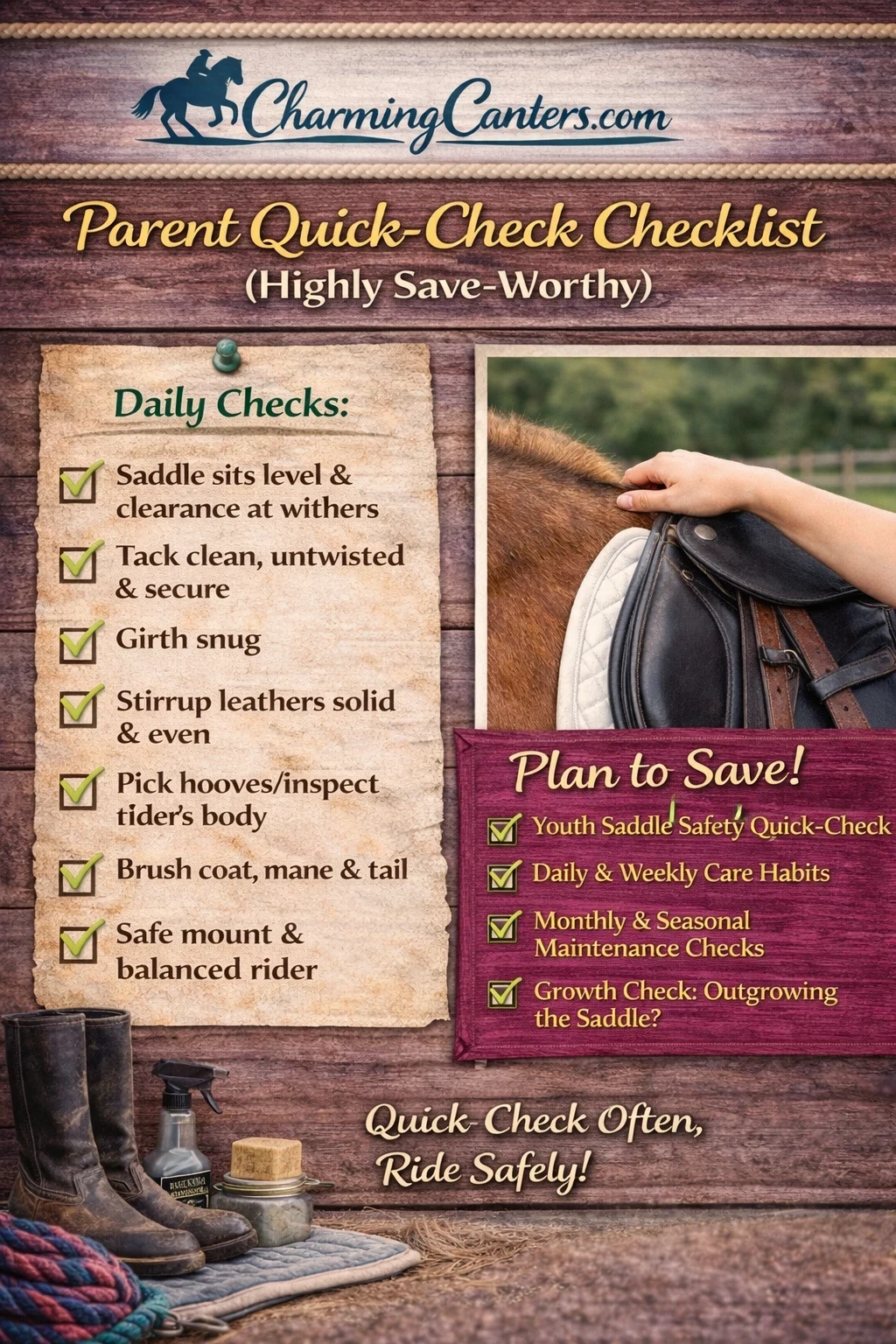
I love checklists for keeping life organized. Here’s my go-to saddle care snapshot for youth saddle owners. Print it, save it to your phone, or drop it in the tack room for everyone’s reference:
- Wipe sweat and dirt off after every ride
- Hang saddle properly in a cool, dry place
- Check girth and stirrup leather stitching weekly
- Monthly: deep-clean and condition leather
- Watch for changes in fit, especially after growth spurts
- Only use tack-safe cleaners—toss anything harsh or drying
- Call a saddler for any cracks, tears, or loose hardware
If you keep these points in mind, your child’s allpurpose saddle can stay reliable and comfortable for years—making daily chores second nature and helping your young rider feel truly at home in the barn.
Wrapping Up: Maintenance = Safety + Value
Regular attention and simple routines help youth allpurpose English saddles hold up through years of fun, growth, and learning.
A few minutes of care keeps tack safer, horses comfier, and everyone riding a little more confidently. Plus, passing down a well-maintained saddle, scuffs and all, can be really special for your next young rider.
Staying on top of saddle care isn’t just about gear. It’s helping to foster responsibility, safety, and pride, ride after ride.
Was this post helpful? If so, please leave your comments below.