

Crosby Dressage Saddle Review: If you’re searching for a quality dressage saddle that won’t take a huge bite out of your budget, the Crosby Dressage Saddle has likely appeared in your research.
Choosing the right saddle involves more than just the brand name—you need to consider fit for your horse, rider comfort, overall build quality, and whether the saddle truly delivers good value for your riding goals.
In this Crosby Dressage Saddle review, I’ll walk you through what I’ve learned from hands-on experience with the saddle and feedback from riders who use it regularly, so you can decide if it’s the right choice for you.
Some links on this website are affiliate links, which means I may earn a small commission if you make a purchase through them, at no additional cost to you. This helps support CharmingCanters.com and allows me to continue creating helpful riding guides and saddle reviews.
If you’d like to see current availability and pricing, you can check the Crosby Dressage Saddle here.
Crosby Dressage Saddle Overview

What Makes Crosby Saddles Popular
The Crosby name has been around for decades and has a good reputation among English riders for high quality, straightforward saddles that focus on comfort and rideability. While they were very popular in the hunter/jumper arena for years, their dressage line is gaining traction with folks who want a reliable, well made saddle without the mega price tag.
Key Features of the Crosby
If these features sound like what you’re looking for in a dressage saddle, you can check current Crosby Dressage Saddle pricing and availability here.
Dressage Model
This saddle goes for a classic look: smooth black leather, minimal fuss, and hardware that’s built to last. Padded knee rolls offer support without locking your leg in place. The seat is a moderate depth, designed to help keep you centered but not forcing you into one position.
Most models use wool flocked panels, which means you (or your fitter) can tweak them a bit if your horse’s back changes or if you need a more personalized fit.
Who This Saddle Is Designed For
I’ve found the Crosby Dressage Saddle is best for riders moving up from an all purpose or synthetic saddle, adults just getting into dressage, and parents looking to outfit a teen or young adult. Anyone who wants genuine leather quality but doesn’t want to spend $4k or more will probably have this saddle on their shortlist.
Materials and Build Quality
Leather Quality and Craftsmanship
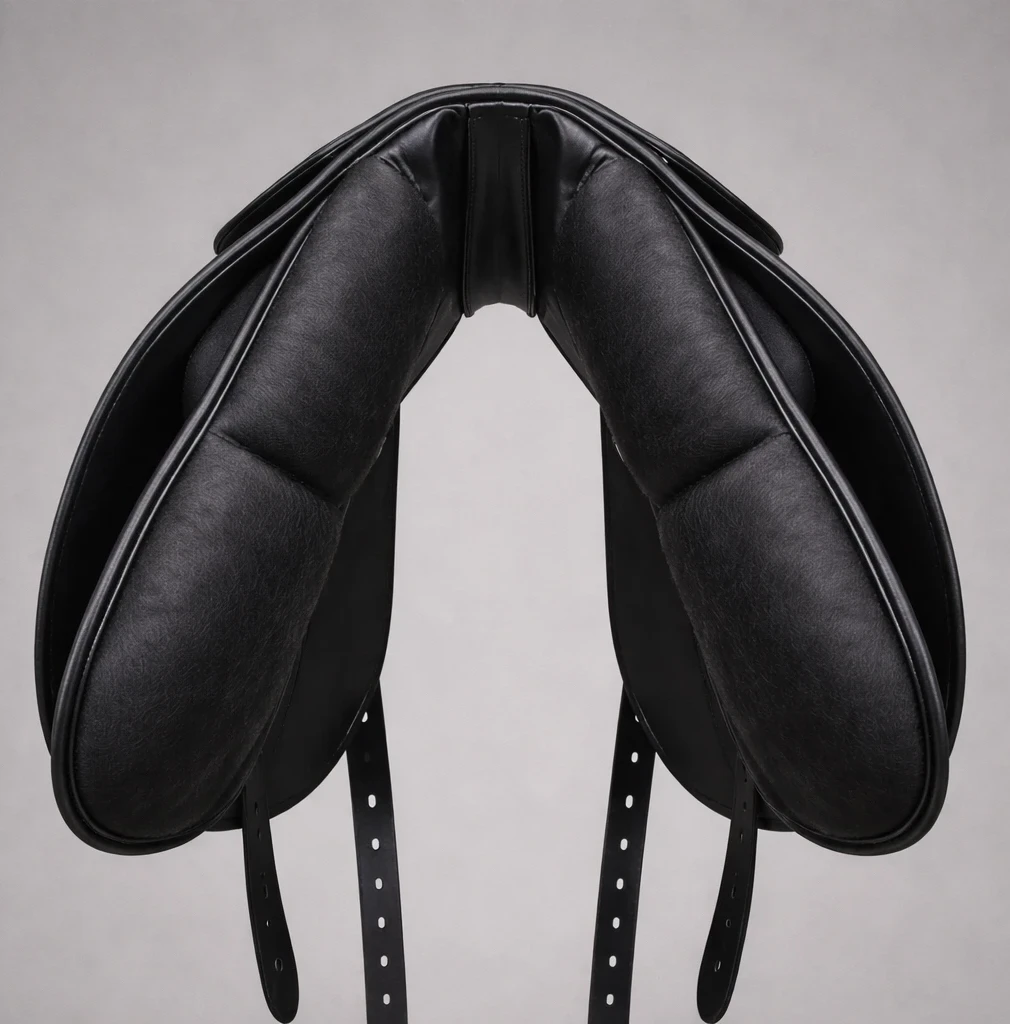
Crosby uses solid European cowhide leather: soft enough that it breaks in comfortably, but sturdy enough for everyday riding and local shows. The stitching is tidy with no loose threads or glue mess, which is a big deal if you’re worried about longevity.
The leather on the panels and flaps holds up surprisingly well, showing minor scuffing but no real breakdown, even after a few years of use with proper care. For tips on maintaining leather and extending your saddle’s lifespan, read my full guide on How to Care for a Crosby Dressage Saddle.
Tree Construction and Stability
The tree in most Crosby dressage models is a traditional wood and steel spring tree. It has a bit of flex, so the saddle can adjust slightly as your horse moves. Most come in either medium or wide widths. You’ll want to double-check the size for your horse’s back, especially if your horse is a bit tricky to fit.
Panel Design and Cushioning
This saddle uses wool flocked panels, which means your saddle fitter can add or remove wool to fine tune the fit. The panel shape offers reasonable weight distribution for most average backed horses. The underside padding provides good cushion without feeling bulky or too soft, so your aids stay clear.
Seat Comfort and Rider Position
Seat Depth and Balance
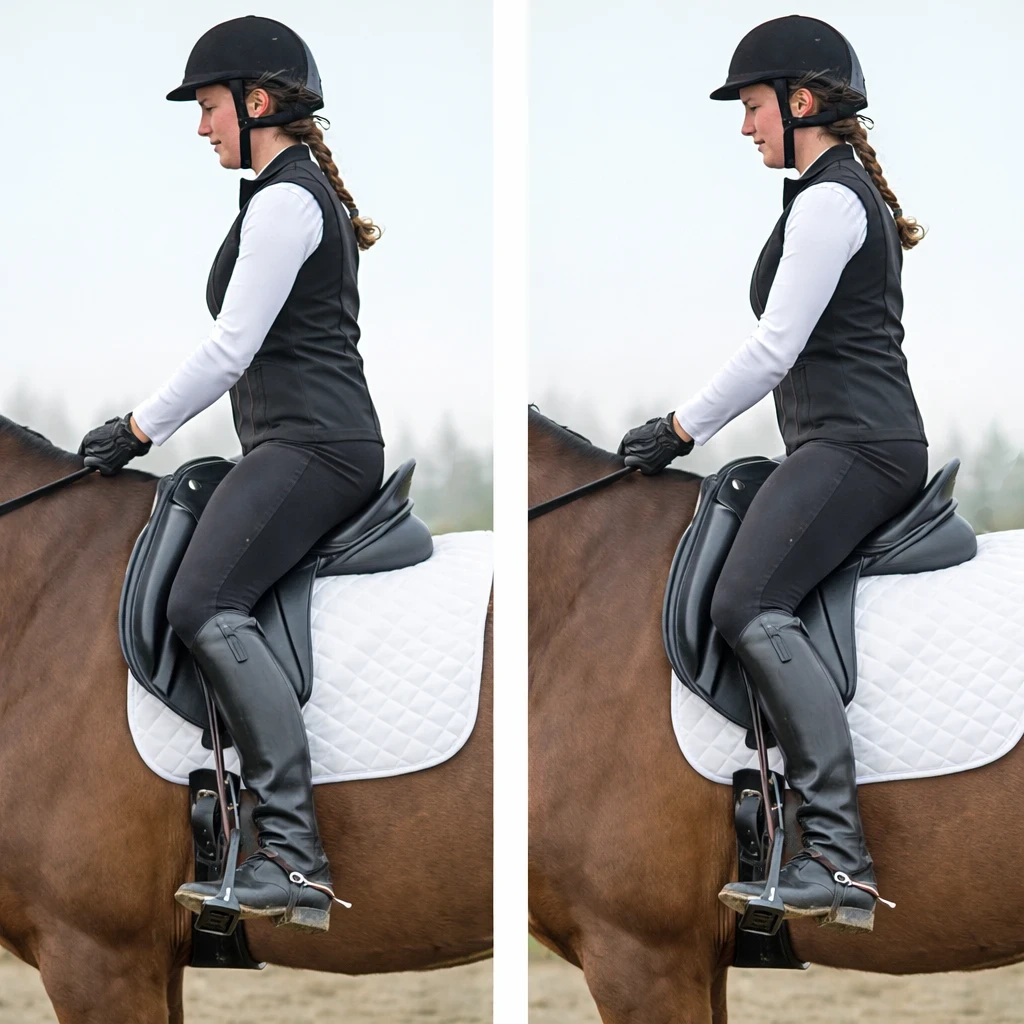
The seat on the Crosby dressage model sits right in the middle. Not too deep, not too flat. I’ve found it’s comfortable for longer schooling sessions and offers enough space so you don’t feel glued down. It’s the kind of saddle that’ll make most riders feel secure, especially if you’re moving up from a flatter allpurpose model.
Knee Blocks and Leg Support
There are padded knee rolls under the flap but they aren’t massive. You’ll get support for your leg in a long, correct position, but there’s enough freedom if you occasionally tweak your stirrup length or like to move around during schooling. Folks who don’t love big, blocky knee rolls tend to really like this aspect.
How It Helps Maintain Proper Dressage Position
The design encourages a steady lower leg and balanced seat, which can be really helpful if you’re working on building your dressage position. It’s not going to do the work for you, but if you want a saddle that supports good habits without locking you in, Crosby’s design is worth checking out.
How the Crosby Dressage Saddle Fits Different Horses
Back Shapes the Crosby Saddle Fits Best
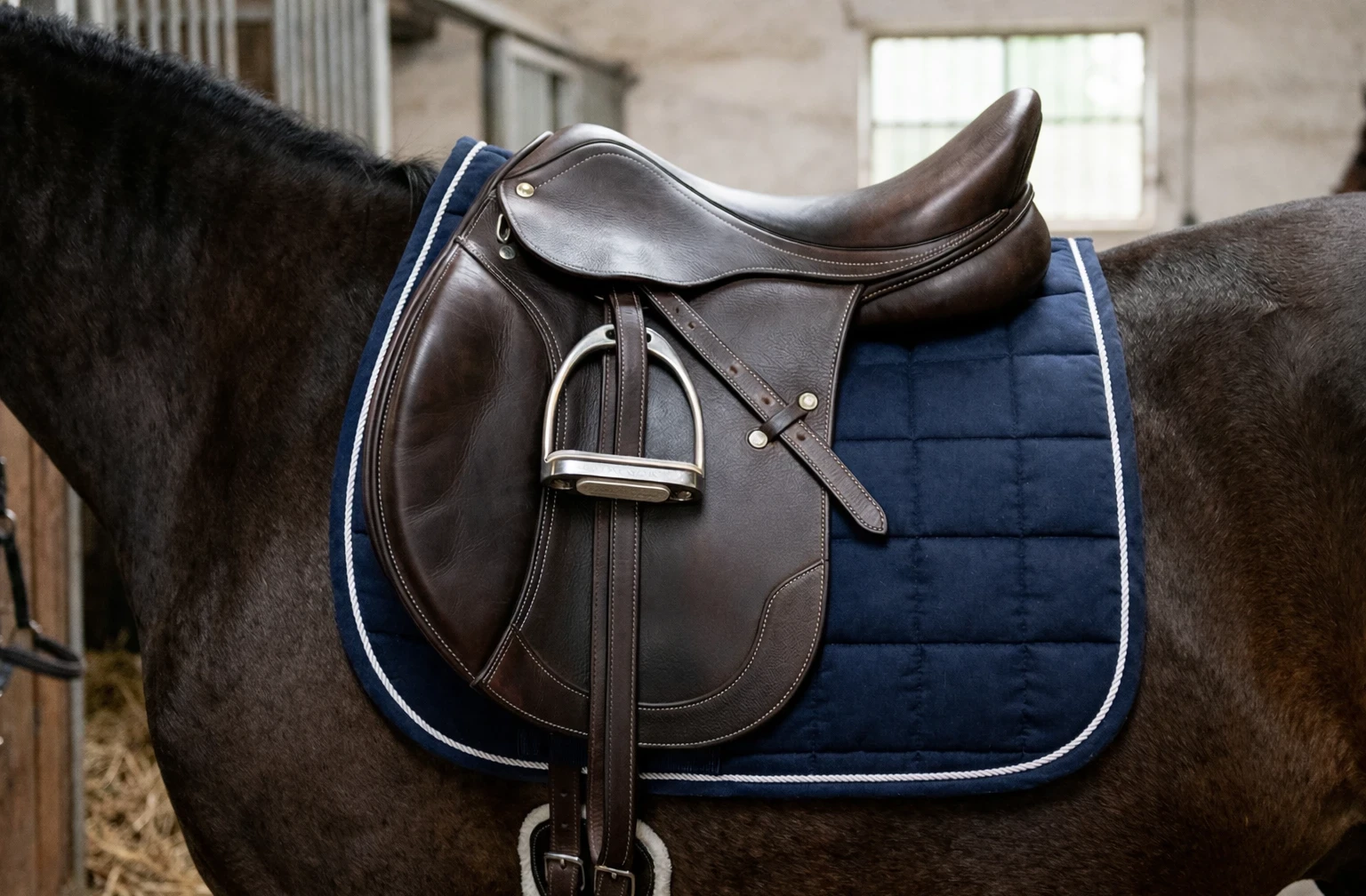
The Crosby’s standard panel shape is pretty friendly for horses with a medium width back, moderate withers, and an average topline. Thoroughbreds, Warmbloods, and quarter horse crosses with average build tend to do well, especially if you pick the right tree width.
Horses That May Need Adjustments
If your horse is very high withered or super wide (think widebacked cobs or drafts), you might need some adjustments from a saddle fitter. Sometimes padding up with a half pad or tweaking the wool flocking does the trick. On short coupled or very round horses, check that the panels don’t pinch or rock.
Checking Saddle Fit on Your Horse
Always check for at least two to three fingers of wither clearance and make sure the panels make even contact down the length of the back. The gullet should allow daylight through from front to back, and the saddle shouldn’t wobble from side to side. For a complete step-by-step process, see my Dressage Saddle Fitting Guide.
Performance for Dressage Riding

Balance and Stability in the Saddle
I noticed this saddle feels stable during transitions and lateral work. The balance point lets your seat bones find a solid spot easily, so you’re less likely to tip forward or back on big movements.
Freedom of Movement for the Horse
Crosby’s panel design offers the kind of shoulder freedom most horses need to step out in dressage work. There’s no tightness around the withers, and horses seem happy to move out through the back, even after multiple rides.
Support for Flatwork and Training
This saddle holds up well in daily schooling. Even after longer lessons, I haven’t found any weird pressure points, and both horse and rider seem to finish up comfortable and ready for the next ride. The leather continues to soften over time, giving a pleasant grip and maintaining a polished look—an added bonus, especially if you care about presentation at clinics or local shows.
Pros and Cons of the Crosby Dressage Saddle
Pros
- Well made genuine leather at a friendlier price
- Moderately deep seat supports a correct dressage position
- Wool flocked panels for easy fit adjustments
- Classic, minimalist look that’s easy to clean
- Good comfort for both schooling and show days
Cons
- Not as customizable as luxury models
- Standard panel doesn’t fit all extreme back types
- Only two tree widths on most models
- Larger knee block fans might find it too minimalist
Price Range and Value for Money
Typical New Price
New Crosby dressage saddles tend to land in the $1500 to $2200 range. While that isn’t chump change, it’s a lot more approachable than some premium European brands. With reasonable care, these saddles can maintain their quality for years, making them a solid long term investment for riders who train regularly.
If you’re shopping for a new model, you can see current Crosby Dressage Saddle listings here to compare prices and availability.
Used Crosby Dressage Saddle Prices
Preowned Crosbys float between $700 and $1200 depending on condition and age. I’ve seen some real gems on consignment racks that just needed a good conditioning and a little love to ride like new. When shopping used, be sure to review eview my guide on How to Choose the Right Crosby Dressage Saddle so you get the right fit and model year. Try to check the saddle in person or ask for thorough photos to avoid surprises.
Is the Saddle Worth the Investment?
If you want honest leather and reliable performance without the “designer” price, Crosby delivers solid bang for your buck. Most models hold their value nicely on resale, too, as long as you keep them cleaned and conditioned properly.
If you ride several times a week but aren’t hitting the FEI circuit anytime soon, you’ll probably be happy with the value. For those stepping up their riding or balancing an amateur schedule, the Crosby’s mix of comfort, style, and long-term durability gives it an edge in the midprice market.
Who the Crosby Dressage Saddle Is Best For
Beginner Dressage Riders
For riders getting started, the security and comfort of this saddle help make lessons more enjoyable, and it leaves room for growth in your position as you continue training. The durability of the leather means it can handle plenty of rides—ideal for learners who may be putting in lots of hours at the barn.
Intermediate Riders Upgrading Saddles
If you’re upgrading from an allpurpose or synthetic saddle, you’ll notice the difference right away in how the Crosby supports your posture and tunes into your aids. It’s a good step up that doesn’t feel intimidating or wildly expensive. Plus, the classic look blends in at any barn and always looks polished in photos.
Budget-Conscious Riders Looking for Quality Leather
I like Crosby for anyone who wants quality, feel, and looks without the “new car payment” price tag. You get a taste of premium features without all the financial worry.
If you’re shopping on a budget, especially as a parent or a rider juggling school, work, and barn time, it’s a practical option. The resale market for Crosbys is active, so if your needs change or you want to upgrade again down the road, you can likely recoup some of your initial investment.
Crosby Dressage Saddle vs Other Popular Options
Crosby vs Bates Dressage Saddles
Bates saddles are very popular for their adjustable gullet systems and synthetic panels, which come in handy if you have horses in your barn with very different shapes.
The Crosby offers a more traditional feel and classic wool panels, so if you prefer real leather and don’t need lots of adjustability, it’s worth considering. Bates are great for multi horse owners. Crosby suits those focused on one primary mount and who value that traditional saddle feel.
Crosby vs Collegiate Saddles
Collegiate models are direct competitors for riders who want a quality dressage saddle without spending a fortune. Many Collegiate saddles include more modern features, like changeable gullet systems, which can be helpful if your horse’s shape changes over time.
In comparison, I’ve found the Crosby’s leather tends to feel more supple right out of the box and often requires less break-in time. Both brands are solid options, and the best choice usually comes down to your horse’s fit and your personal riding preferences. If you’re comparing the two brands side by side, you can read my full Collegiate Dressage Saddle Review to see how they stack up in terms of fit, comfort, and value.
Crosby vs Wintec Dressage Saddles
Wintec saddles are often the go-to choice for riders who want something low maintenance and highly adjustable. Because they’re made with synthetic materials, they’re lightweight, easy to clean, and hold up well in muddy barns or busy lesson programs.
The Crosby, on the other hand, leans more toward traditional craftsmanship, offering a classic leather feel that many riders appreciate for both comfort and appearance. Leather does require more regular cleaning and conditioning, but it also develops that rich, broken-in feel over time.
If you’re curious how a synthetic dressage saddle compares in real-world riding, you can read my full Wintec Isabell Icon Saddle Review to see how it performs in terms of fit, adjustability, and everyday use.
Final Verdict: Is the Crosby Dressage Saddle Worth It?
When This Saddle Is a Great Choice
Crosby is a great pick for riders who want comfort and style, need something that will hold up to plenty of rides per week, and prefer honest leather construction. It’s also a winner if you’re looking to upgrade without maxing out your credit card.
If you’re new to dressage or schooling at the lower to mid levels, this saddle won’t disappoint. While it lacks some high tech features, it shines where it counts for everyday riders—comfort, support, and straightforward style.
If the Crosby sounds like a good match for your riding goals, you can check the latest Crosby Dressage Saddle availability here.
When You Might Consider Other Options
If you have a horse with high withers, a very wide or difficult-to-fit back, or are looking for tons of adjustability built in (like changeable gullets or custom panels), you might want to check out some other brands or consult your saddle fitter for a more custom solution.
Folks competing at the highest levels may eventually want something with more personalized features or a deeper seat, but for everyone else, the Crosby covers a lot of ground. It’s tough enough for daily rides, and classic enough for the occasional show ring appearance—excellent for amateurs, juniors, or the serious hobbyist.
If you’re still planning your next step, start with my Dressage Saddle Fitting Guide to learn how to properly check saddle fit. You may also want to read How to Choose the Right Crosby Dressage Saddle if you’re comparing models.
To keep your saddle in great shape long term, see How to Care for a Crosby Dressage Saddle. And if you’re wondering when it’s time for an upgrade, my guide When Should I Replace My Crosby Dressage Saddle walks through the signs riders should watch for.