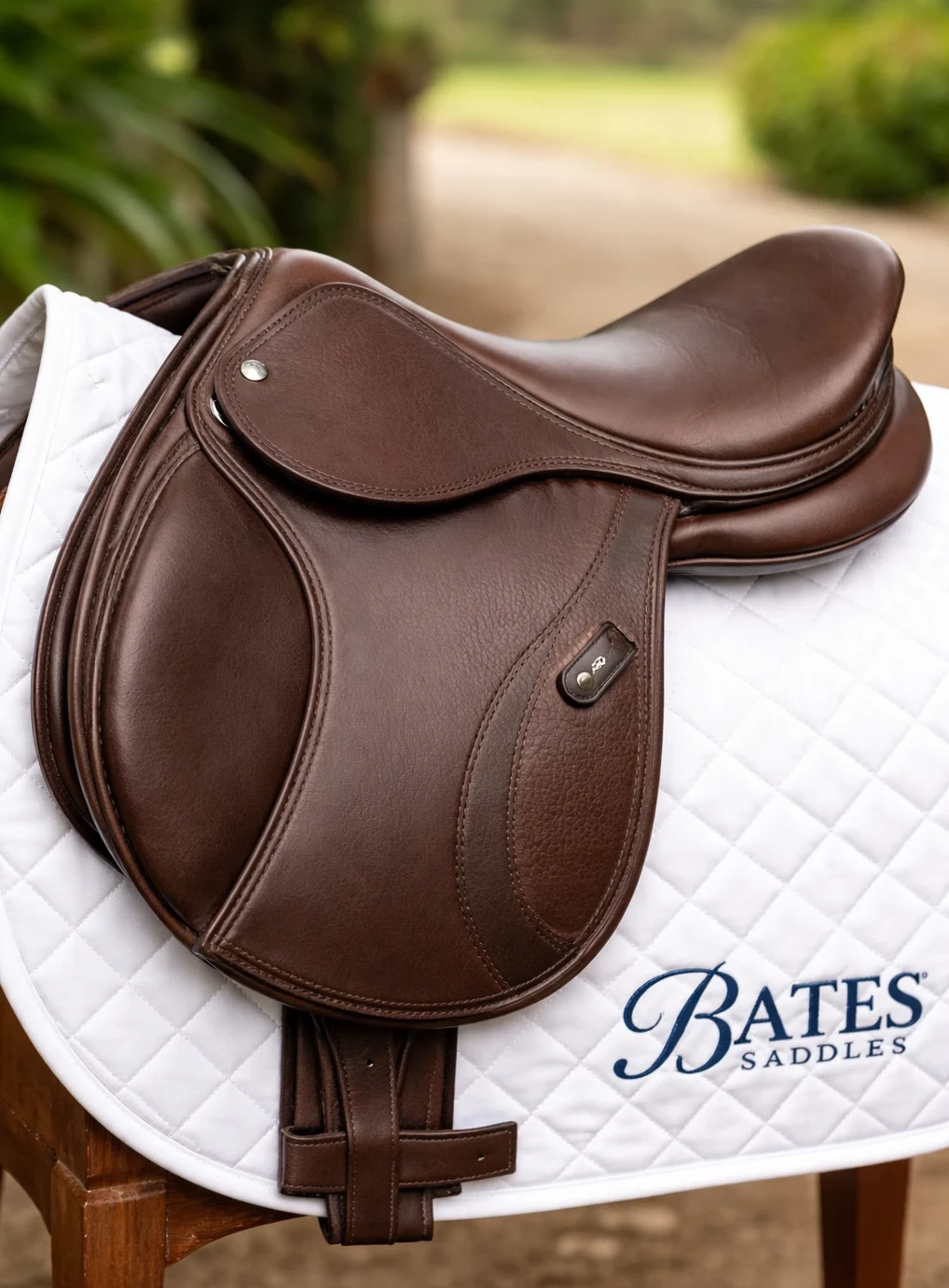
Choosing between an adjustable tree saddle and a fixed tree saddle can be a big decision for any rider. Both types have unique benefits and drawbacks that impact comfort for both the horse and rider, long-term fit, and cost.
With so many factors to consider, knowing the real differences makes it easier to pick the right saddle for you and your horse.
Adjustable tree saddles are built to change shape through screws, interchangeable gullet plates, or other mechanisms. Fixed tree saddles come with a set width and cannot be changed once built. Each has followers who swear by their favorite option.
But your needs, horse’s conformation, and experience level all make a difference in which one is best.
I want to break the comparison down clearly. This includes questions like how secure each type feels, if adjustable saddles can handle changing horse shapes, and whether fixed trees really last longer.
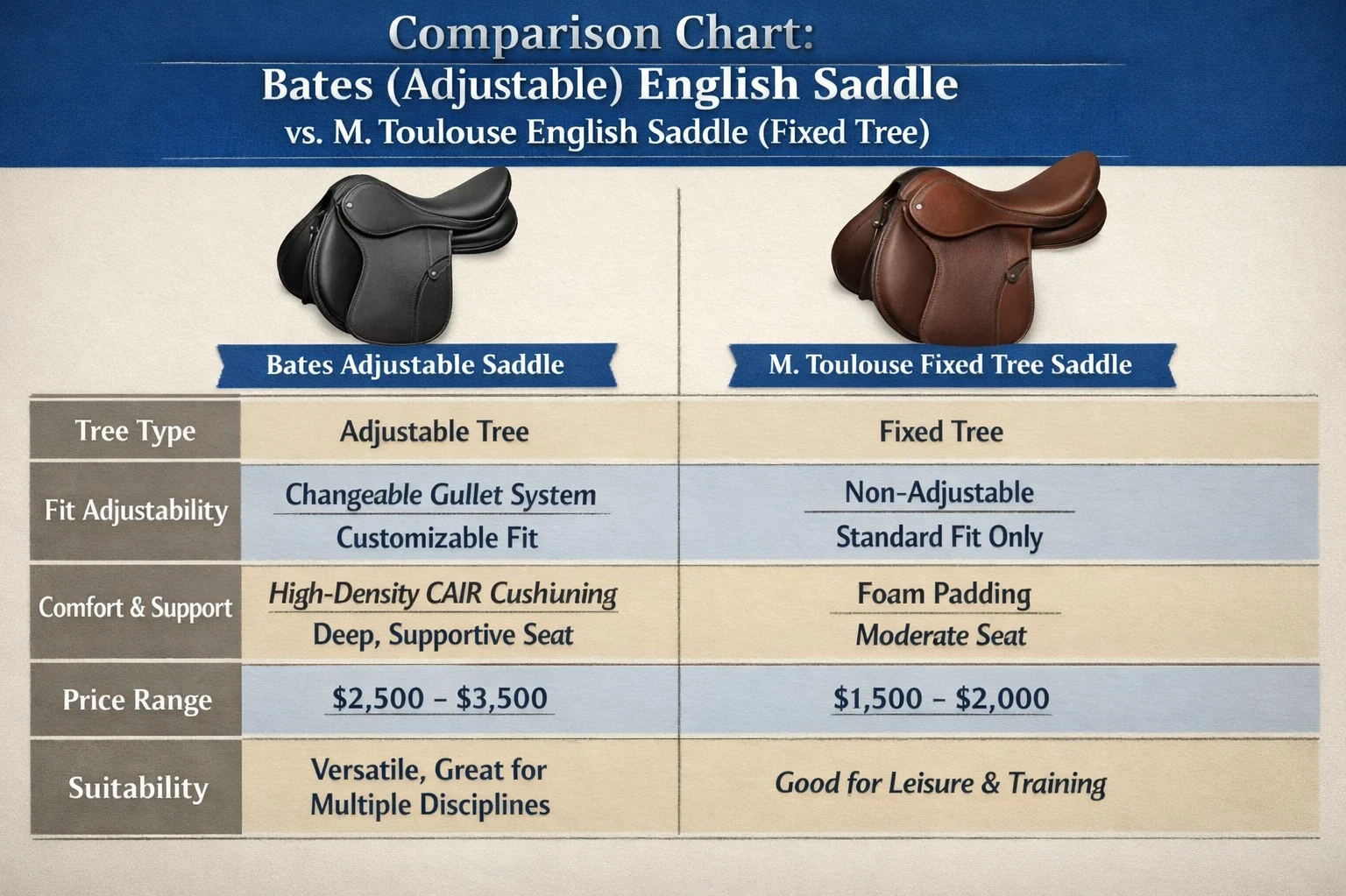
I’ll also compare two popular models: the Bates Caprilli Close Contact Classic with Cair and the M. Toulouse Close Contact Saddle. By the end, you’ll have a better idea of what to look for and which saddle might suit you, now and as your needs change.
This post may contain affiliate links. I may earn a small commission if you purchase through my links, at no extra cost to you.
Understanding Adjustable and Fixed Tree Saddles
What is an Adjustable Tree Saddle?
An adjustable tree saddle has components that let you change the width or shape of the tree, usually at the gullet. Some use interchangeable steel or synthetic plates. Others rely on screws to shift the fit in and out.
This means you can tweak the saddle as your horse’s shape changes, such as after gaining muscle or dropping a few pounds. Being able to make these changes at home can save both time and money.
What is a Fixed Tree Saddle?
A fixed tree saddle has a tree set to a certain width and angle. The manufacturer builds the frame to fit a typical horse shape, like narrow, medium, wide, or extra wide. Once built, that shape and width can’t be changed.
To fit a different horse, or to adjust for a changing back, you would need a new saddle or serious custom work from a master saddler. This approach is classic and reliable for riders whose horses keep a consistent shape.
Adjustable vs Fixed Tree Saddles: Key Questions
Real Differences in Design and Use
The main difference comes down to flexibility. Adjustable tree saddles offer more options for changing fit, possibly covering more horses or following a horse through body changes.
Fixed tree saddles offer consistency. they fit the way they did from day one, with no moving parts to break down.
Security and Stability in Use
Many riders wonder if adjustable saddles are as stable as fixed tree options. In my experience, once properly adjusted, a good adjustable tree saddle can feel just as stable as a fixed tree.
Higher-end models tend to have solid mechanisms.
However, cheaper adjustable trees sometimes develop a slight give at the joints after heavy use, which some riders notice. Fixed tree saddles keep their original feel as long as they’re matched well to the horse.
Adapting to Growing Horses and Changing Shapes
If you work with growing horses, or your horse’s back changes seasonally, the adjustable tree has a real advantage. Instead of needing to buy multiple saddles, you can switch the gullet plate or make an adjustment at home.
This helps with young horses, horses on a new training routine, or when you ride multiple horses with similar sizes but slightly different widths.
Fixed trees generally fit one body shape well. But if your horse changes enough, you might have to invest in another saddle.
Durability and Longevity
Fixed tree saddles have a reputation for lasting decades with proper care. Because they have no moving parts, there is less risk of breakage or wear.
Adjustable tree saddles have more hardware, and those parts can sometimes wear out or loosen, especially with heavy adjustments or rough handling. That said, top-quality adjustable saddles are designed for serious riding.
And with regular maintenance, they still last a long time. Always check for signs of wear, especially around the adjustment points or gullet area.
Ease of Use for Beginner Riders
I’ve noticed that beginner riders often do better with fixed tree saddles, simply because there is nothing to adjust and less risk of an improper fit caused by user error.
Adjustable tree saddles are still beginner-friendly, as long as someone knowledgeable helps with fitting and checking adjustments. If you want something straightforward, fixed trees feel less complicated and more reassuring.
Can a Fixed Tree Be Adjusted?
In most cases, a fixed tree cannot be altered after it leaves the factory. There are some exceptions. Certain master saddlers can widen or narrow the tree slightly using special equipment.
But this is tricky and not always recommended. A small change might help in a pinch, but the saddle’s warranty usually won’t cover these adjustments. In most cases, it’s best to rely on the original fit.
Weight Differences Between Adjustable and Fixed Saddles
Adjustable tree saddles are often a little heavier because of the extra hardware and mechanisms required for changing the fit. However, most modern designs keep this weight gain modest, often just a few ounces.
Unless you are very sensitive to saddle weight or working with a particularly small or sensitive horse, the difference is usually minor and rarely affects performance.
Comparison: Bates Caprilli Close Contact Classic with Cair vs. M. Toulouse Close Contact
Bates Caprilli Close Contact Classic with Cair
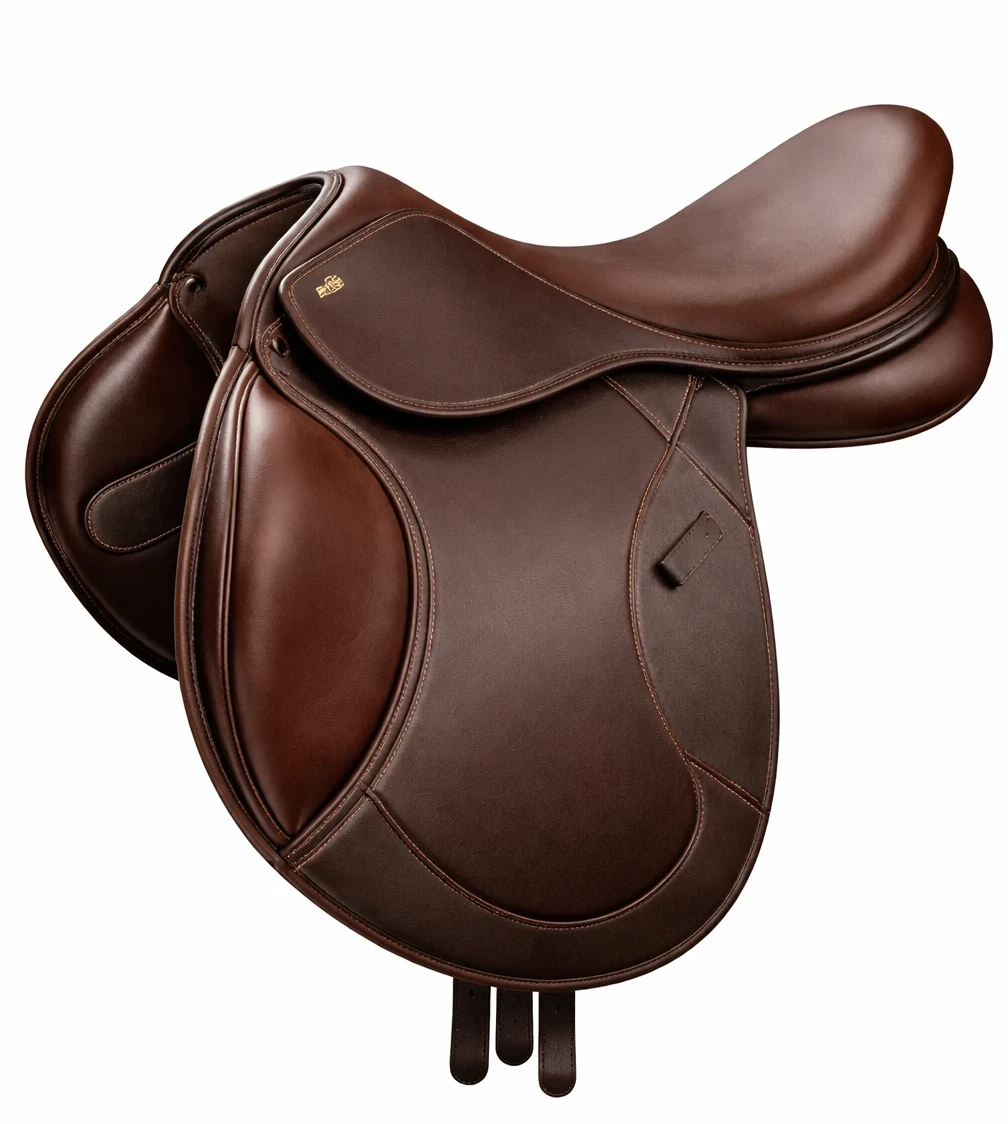
- Adjustable Tree (Easy Change Gullet system)
- Cair cushion system for shock absorption
- Known for light weight and padded comfort
- Great for riders who want to fit multiple horses or adjust over time
- Usually a bit pricier due to adjustable system and extra features
M. Toulouse Close Contact Saddle
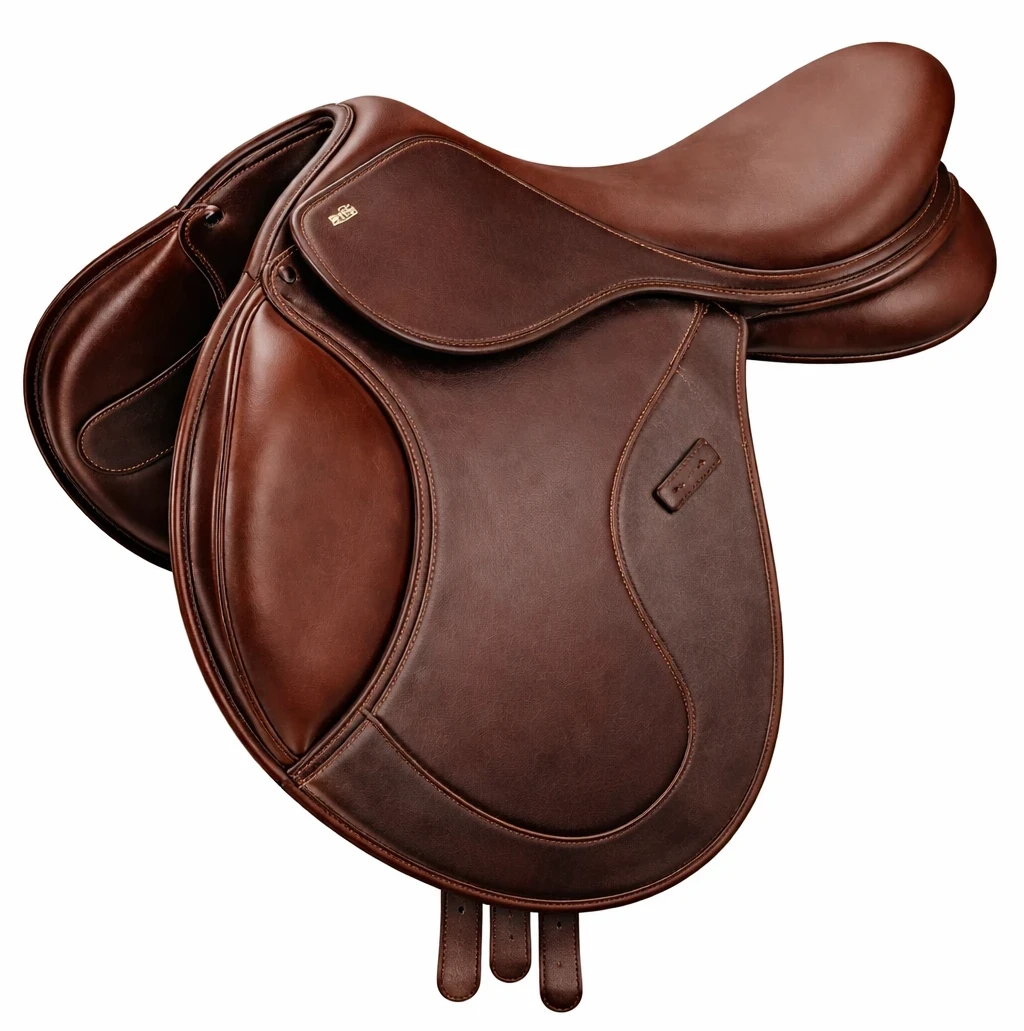
- Fixed Tree (often medium or wide options)
- Foam or wool flocked panels
- Highly regarded for traditional feel and solid craftsmanship
- Tends to fit one horse type best, ideal for singlehorse owners
- Often lighter and a bit simpler in construction
My Take on the Two Saddles
If you want to adjust the saddle easily for a growing horse or if you often ride multiple horses, the Bates Caprilli is a solid choice. Your initial investment covers a wider range of horse shapes, and the Cair system gives a boost to comfort.
If you are focused on riding one horse whose shape won’t change much, the M. Toulouse offers that classic feel and should last for years with basic care. The experience of riding in a saddle that fits perfectly can make all the difference in your enjoyment.
Pros & Cons of Each Saddle Type
Adjustable Tree Saddles
Pros:
- Works for a range of horse shapes
- Good re-sale value due to broader fit
- Helpful for young or developing horses
Cons:
- More moving parts to maintain
- Heavier than some fixed tree options
- Adjustment mistakes can impact fit
Fixed Tree Saddles
Pros:
- Simple construction, easy maintenance
- Usually a bit lighter
- Consistent feel and balance
Cons:
- Fits only one or two body types well
- New saddle might be needed if horse shape changes a lot
Which Type is Right for You?
- Choose an adjustable tree saddle if: Your horse is growing, tends to change shape by season, or you have several similar horses to fit.
- Choose a fixed tree saddle if: You want a simple, light saddle for one horse whose shape is stable and fits well right now.
Both types work well with the right fit. It’s really important to check the fit regularly and ask for help from a professional saddle fitter if you’re not sure.
Remember, no matter which style you choose, your comfort and your horse’s wellbeing should be your top priorities. Happy riding!
Did you find this post helpful? If so, I’d love to hear from you.
Feel free to leave a comment below with your questions or experiences choosing between an adjustable and fixed tree saddle. Saddle fit can feel overwhelming, and your insight may help another rider make a more confident decision.
It just happens I am planning on purchasing my first horse in the spring for my new property, that means I will be needing a saddle for ridining as well. Being new to horses and riding I had no idea what a fixed saddle and adjustable saddle was, actually I didn’t know there were two types I had to choose from.
If I understand this correctly since I am going to be purchasing a young horse, I probably should consider the adjustable saddle over the fixed saddle. Can you confirm is I am thinking correctly on this, I do want to choose the best saddle for my new young horse coming soon.
Thank you
Jeff
Hi Jeff. Thanks for your question. Congratulations on your decision to buy your first horse!
Yes — you’re thinking correctly. For a young horse, an adjustable saddle is often the better starting choice because it allows you to adapt the fit as your horse grows and changes shape. If you need any help choosing a saddle, I’m here to help you.
I think this comparison between adjustable and fixed tree saddles is very important. Knowing that the comparison lies in the core difference of flexibility versus consistency makes the decision much clearer.
I think the most important point is that neither type is universally better; the right choice is entirely dependent on the rider’s specific situation. For someone with a single, mature horse that maintains a steady shape, the fixed tree’s simplicity and potential longevity are compelling. For a rider with a young, growing horse or multiple horses, the ability to adapt the fit is worth the extra maintenance and initial cost of an adjustable model.
You mentioned that a fixed tree’s shape generally cannot be changed after it leaves the factory, with some rare exceptions handled by a master saddler. In your experience, how does the cost and feasibility of that kind of professional adjustment compare to simply purchasing a new gullet plate for an adjustable saddle?
Great question! In most cases, having a master saddler alter a fixed tree is far more expensive and less practical than swapping a gullet plate on an adjustable saddle. Adjustable systems are designed to be quick, affordable, and repeatable—while fixed-tree adjustments are rare, specialized, and often cost nearly as much as replacing the saddle. Hope this helps.
This article clearly explains the differences between adjustable and fixed tree saddles and how saddle fit affects both horse comfort and rider stability. It highlights when an adjustable tree saddle is helpful for changing horse shapes versus when a fixed tree saddle offers long-term consistency. Thank you for sharing a useful comparison for riders choosing the right saddle for their horse and riding goals.
Hi AJ.
Thank you so much! I’m really glad the comparison was helpful and easy to follow. Adjustable vs. fixed tree saddles can be confusing, so it’s great to hear the differences made sense. I appreciate you taking the time to share your thoughts. Happy riding!